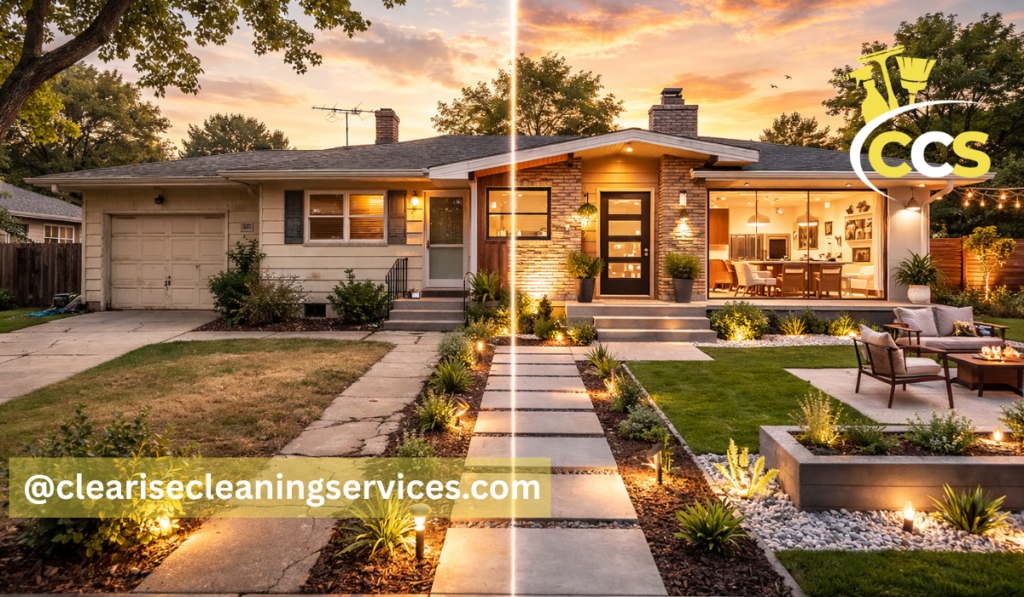
A 1950s home renovation is more than “updating an old house.” These homes have a special appeal that many newer builds don’t always match: practical layouts, solid construction in many areas, and design details that feel warm and familiar. That’s why 1950s houses are still highly desirable today—especially for homeowners who want character, not just square footage.
The key is balance. A good renovation keeps the parts that give the house its identity, while improving comfort, safety, and day-to-day function. Some homeowners want a true mid-century look. Others want a modern style inside a classic shell. Both can work, as long as the choices are intentional.
What makes a successful 1950s home renovation different from renovating a newer home is that you’re often dealing with original materials and systems that may be outdated. You may find unique 1950s house features like ranch-style proportions, large picture windows, built-in storage, plaster walls, older wiring, or minimal insulation. Renovation goals today usually include opening up flow between rooms, upgrading kitchens and bathrooms, improving energy efficiency, and making the home safer and easier to maintain.
In this guide, you’ll learn what to expect from a 1950s renovation from start to finish—realistic costs, smart 1950s home renovation ideas, interior and exterior updates that respect the era, and what usually changes the most in a 1950s home remodel before and after.
What Defines A 1950s House? (Core Features You Should Know Before Renovating)
Before starting any 1950s home renovation, it helps to understand what makes these homes unique. Houses built during the 1950s were designed for post-war family living, which means practicality often came before size or luxury. Many renovation decisions become easier when you recognize which features are original design choices and which are simply outdated systems that need improvement. Knowing this difference helps homeowners make smarter, more respectful upgrades instead of removing character that cannot be replaced.
Common 1950s House Features
Many 1950s homes share similar architectural traits, even if styles vary by region. These features are often what attract buyers in the first place.
- Ranch-style layouts
Single-story ranch homes became very popular during this era. They typically have long, horizontal designs with simple floor plans focused on convenience and family living. - Low-pitched roofs
Rooflines were usually subtle and clean, which gives the home its recognizable mid-century profile. This design still works well today when updated carefully. - Large picture windows
Natural light was an important design element. Picture windows were used to connect indoor spaces with outdoor views, creating a brighter and more open feeling. - Compact kitchens
Kitchens were designed mainly for function, not gathering. As a result, they tend to be smaller and more enclosed compared to modern layouts. - Built-ins and smart storage solutions
Many homes included shelving, cabinets, or nooks that saved space. These details are often worth preserving because they reflect thoughtful design. - Indoor–outdoor connection concepts
Patios, sliding doors, and backyard access were common ideas that encouraged family activities outside — a concept that still fits modern lifestyles.
Typical Structural Realities Homeowners Face
While 1950s homes have charm, they also come with practical challenges that almost every renovation encounters.
- Small bedrooms
Room sizes were more modest than today’s standards, which can affect furniture placement and storage needs. - Closed-off kitchens
Walls separating kitchens from dining or living areas were common. Many modern remodels focus on improving flow without removing too much structural support. - Low ceilings in some layouts
Not every home has this issue, but certain designs may feel lower than newer builds, which influences lighting and design choices. - Aging plumbing and electrical systems
Original systems may not meet modern safety standards or support today’s appliances and technology. - Limited insulation compared to modern homes
Energy efficiency was not a major focus at the time, so many houses lose heat and cooling more quickly than newer constructions.
Why Understanding Original Architecture Matters Before Remodeling
One of the biggest mistakes in a 1950s house renovation is treating the home like a blank slate. These properties were designed with specific proportions and materials that work together. When renovations ignore that history, the result can feel awkward or overly modern for the structure.
Understanding the original architecture helps you decide what to preserve, what to modernize, and how to maintain the character that makes these homes special. It also allows you to plan smarter upgrades that improve comfort and value without removing the personality that attracted you to the house in the first place.
Planning A 1950s Home Renovation (Expert Approach)
Planning is the stage that determines whether a 1950s home renovation feels smooth or stressful. Older homes reward careful preparation because hidden issues are more common than in newer builds. Professionals usually begin with a clear evaluation of the house, then build a realistic renovation plan that balances preservation, function, and long-term value.
How Professionals Evaluate A Mid-Century Property
Experienced renovators rarely jump straight into design choices. They first focus on understanding how the home was built and what condition it is in today.
- Structural inspection priorities
Foundations, roof framing, load-bearing walls, and moisture damage are checked early. Many 1950s homes are structurally solid, but decades of wear or past DIY repairs can create weak points. - Hidden renovation surprises experts often see
Behind walls, professionals often find outdated wiring, plumbing repairs done incorrectly, or signs of past water damage. Discovering these early helps prevent budget problems later. - Safety upgrades (wiring, foundation, asbestos awareness)
Electrical systems may not support modern appliances. Some homes may contain asbestos in older flooring, insulation, or ceiling materials. Experts plan for proper testing and safe removal before major work begins.
Preserve Vs Replace Decision Framework
One of the smartest parts of planning is deciding what stays and what changes. This decision impacts both cost and character.
- What should ideally remain original
Features like solid wood floors, built-ins, brick fireplaces, or original architectural lines often add value and authenticity. Preserving them can make a renovation feel intentional rather than generic. - What should be modernized for resale value
Kitchens, bathrooms, electrical systems, insulation, and heating or cooling systems usually benefit from modernization because buyers expect comfort and efficiency. - Mistakes first-time renovators make
Many homeowners remove too many original details or follow short-term trends. Others ignore structural upgrades while focusing only on appearance, which can lead to expensive repairs later.
Creating A Renovation Vision
A successful renovation begins with a clear vision that fits real life, not just design inspiration photos.
- Lifestyle-focused planning
Think about how you use the home daily. Do you cook often, entertain guests, or work from home? The layout should support these habits. - Family-friendly layout thinking
Many homeowners use renovation as a chance to improve flow between shared spaces, add storage, or make supervision easier for families with children. - Long-term resale strategy
Even if you plan to stay for years, choosing timeless upgrades instead of highly personalized trends often protects the value of your investment.
1950s Home Renovation Cost Breakdown (Realistic Expectations)
Costs are one of the most searched parts of any 1950s home renovation because older homes can vary greatly in condition. Having realistic expectations helps prevent budget stress and allows smarter decisions throughout the process.
Average 1950s Home Renovation Cost Ranges
Every project is different, but most renovations fall into one of these levels:
- Cosmetic renovation
Includes painting, flooring updates, lighting changes, and minor kitchen or bathroom improvements. This level focuses on appearance rather than major structural work. - Partial remodel
Usually includes one or two main areas like the kitchen and bathrooms, along with some system upgrades. This is the most common renovation level for homeowners. - Full gut renovation
Involves stripping major parts of the interior, replacing systems, and redesigning layouts. While costly, it allows full modernization while preserving exterior charm.
Where Your Budget Usually Goes
Many homeowners underestimate how quickly certain areas consume the budget.
- Kitchen updates
Cabinets, countertops, appliances, plumbing, and layout changes can make the kitchen one of the biggest expenses in a remodel. - Bathrooms
Waterproofing, plumbing updates, and fixtures add up quickly, especially if layouts change. - Electrical + HVAC modernization
Upgrading electrical panels, wiring, heating, and cooling systems is often necessary for safety and efficiency. - Flooring replacements
Refinishing existing wood floors can save money, but replacing damaged or mixed flooring materials increases costs.
Hidden Costs Homeowners Rarely Plan For
Older homes almost always include surprises once renovation begins.
- Structural surprises behind walls
Water damage, old framing repairs, or uneven foundations may appear after demolition starts. - Code compliance upgrades
Modern building codes often require updates once a renovation reaches a certain scale, even if those updates were not part of the original plan. - Insulation improvements
Adding proper insulation greatly improves comfort and energy efficiency but is often overlooked in early budgets.
Expert Cost-Saving Tips That Don’t Reduce Quality
- Keep original features that are still in good condition instead of replacing everything.
- Focus spending on kitchens, bathrooms, and systems that impact daily comfort.
- Plan the project in phases if needed rather than rushing decisions.
- Use simple, timeless finishes instead of expensive trends that may quickly feel outdated.
A well-planned budget doesn’t mean choosing the cheapest options — it means spending where it matters most while protecting the long-term value of your 1950s house renovation.
1950s Home Renovation Ideas (Modern + Timeless)
When planning a 1950s home renovation, the best results usually come from mixing practical upgrades with timeless design choices. Many homeowners think they need to fully modernize the house, but in reality, the most successful renovations keep the original structure and personality while improving comfort and flow. These ideas focus on changes that feel natural to the home instead of forcing trends that may not age well.
Layout Improvements That Actually Work
Layout changes can dramatically improve how a 1950s home feels, but they should be done thoughtfully rather than removing every wall.
- Opening selective walls (not full open concept every time)
Instead of removing all dividing walls, many experts suggest opening only key areas between the kitchen, dining, and living spaces. This keeps some separation while improving light and movement. - Wider doorways for modern flow
Expanding narrow doorways is a subtle update that makes rooms feel larger and more connected without changing the entire structure. - Creating better natural light
Removing heavy partitions, enlarging openings, or using glass doors can brighten interiors while staying true to mid-century design principles.
Smart Modernization Ideas
Modern upgrades do not have to erase the charm of a 1950s house. The goal is balance.
- Mixed vintage + modern design
Combining original elements like wood accents or brick with clean, modern finishes often creates a more authentic and comfortable look. - Preserving mid-century architectural lines
Keeping horizontal lines, simple shapes, and uncluttered spaces helps the renovation feel respectful to the home’s era. - Minimalist renovations that respect original style
Simple upgrades often work better than over-designed spaces. Many successful projects focus on clean surfaces, functional storage, and timeless materials.
Expert-Level Upgrades Most Articles Miss
Some improvements may seem small but make a major visual difference in older homes.
- Ceiling height illusions
Using vertical lines, tall curtains, or carefully placed lighting can make lower ceilings feel more open. - Window expansion strategies
Slightly enlarging windows or lowering window sills can increase natural light while keeping the home’s original character. - Visual continuity flooring techniques
Using consistent flooring throughout main spaces helps small rooms feel larger and more connected.
1950s Home Renovation Interior: How To Update Without Losing Character
The interior of a 1950s house often holds the strongest sense of identity. Updating it requires careful choices so that modern comfort doesn’t erase the features that make the home unique. A good renovation keeps the warmth and simplicity of the original design while improving everyday usability.
Modernizing The 1950s House Interior
Interior updates should feel natural rather than forced.
- Updating finishes while respecting era style
Replacing worn surfaces with natural materials like wood, stone, or simple textured finishes often works better than overly glossy or trendy options. - Color palettes that work with mid-century design
Warm neutrals, muted greens, soft blues, and earthy tones tend to complement 1950s architecture without overwhelming it. - Flooring upgrades that feel authentic
Refinishing original hardwood floors is often ideal. When replacements are needed, choosing wood or warm-toned materials helps maintain the era’s feel.
Kitchen Renovation Strategies
Kitchens are usually the biggest focus during a 1950s home renovation because original layouts feel small by today’s standards.
- Keeping retro influence without outdated function
Flat-panel cabinets, simple hardware, or vintage-inspired details can keep the retro spirit while still allowing modern convenience. - Storage redesigns for modern families
Adding deeper drawers, corner solutions, or vertical storage improves functionality without expanding the space significantly. - Appliance integration ideas
Built-in or panel-ready appliances help maintain clean lines and prevent the kitchen from feeling visually heavy.
Bathroom Transformations
Bathrooms from this era often have strong design character that can be refreshed rather than removed completely.
- Mixing vintage tile aesthetics with modern fixtures
Preserving original tile colors or patterns while upgrading faucets, showers, and vanities creates a balanced look. - Space-saving upgrades
Floating vanities, glass shower panels, and wall-mounted storage help smaller bathrooms feel more open.
Lighting Improvements
Lighting has a major impact on how a renovated 1950s house interior feels.
- Mid-century inspired fixtures
Simple pendant lights, globe fixtures, or clean-lined designs complement the original style without looking outdated. - Layered lighting for modern comfort
Combining ambient, task, and accent lighting helps rooms feel warm, functional, and visually balanced throughout the day.
1950s House Interior Design Inspiration (Style Direction Section)
Choosing the right style direction can help homeowners avoid design confusion during renovation. Instead of copying trends, it’s often better to select a style that naturally works with the home’s architecture.
Popular Styles That Blend Well
Several design styles pair especially well with 1950s homes because they share similar principles of simplicity and functionality.
- Mid-century modern
Clean lines, natural materials, and functional design make this the most natural fit for many 1950s homes. - Scandinavian minimalism
Light colors, simple furniture, and practical layouts help smaller spaces feel brighter and calmer. - Warm contemporary
Soft textures and neutral palettes create a modern feel while maintaining comfort and warmth. - Transitional retro
A mix of classic mid-century touches with updated finishes allows homeowners to enjoy vintage character without feeling stuck in the past.
Expert Tip: How To Avoid Creating A “Fake Retro” Look
One common mistake is trying too hard to recreate the past. Instead of filling the home with themed decorations or overly vintage elements, focus on preserving original architecture and adding modern pieces that complement it. Authentic renovations usually feel subtle — they respect the home’s history while clearly supporting modern living.
1950s House Exterior Renovation (Curb Appeal + Value)
The exterior is often the first thing people notice, and in a 1950s home renovation, it plays a major role in both curb appeal and long-term value. Many mid-century homes have simple but attractive architecture, so exterior updates should enhance the design rather than completely change it. A thoughtful renovation keeps the house recognizable while improving durability, energy efficiency, and overall appearance.
Updating The 1950s House Exterior Safely
Exterior changes should respect the original structure because the proportions and lines are a big part of mid-century appeal.
- Preserving roof lines and architectural identity
The clean, horizontal shape of many 1950s homes is what gives them character. Avoid adding oversized roof extensions or decorative elements that feel unrelated to the original design. - Modern siding or brick enhancement ideas
Instead of replacing everything, many homeowners improve existing brick or siding through cleaning, repainting, or partial updates. Mixing natural materials with simple modern finishes often produces a timeless look. - Window replacements that match era style
New windows should maintain similar shapes and frame proportions. Large picture windows or wide horizontal styles help keep the original mid-century feel while improving efficiency.
Entryway Upgrades
The entry area has a strong influence on first impressions, and small updates here can significantly refresh the home.
- Doors, hardware, lighting choices
A clean-lined front door, simple metal hardware, and warm lighting can modernize the entrance without losing authenticity. Mid-century inspired fixtures often work well because they match the home’s architecture.
Outdoor Living Modernization
Outdoor spaces were always an important part of 1950s design, so improving them feels natural during renovation.
- Patio updates
Expanding or refreshing patios creates usable living space and strengthens the indoor–outdoor connection. - Backyard integration
Large glass doors or smoother transitions between inside and outside help the home feel larger and more connected to nature. - Mid-century landscaping inspiration
Clean landscaping lines, low-maintenance plants, and balanced greenery complement the home’s simple architecture without making it feel crowded.
1950s Home Remodel Before And After — Real Transformation Strategies
One of the most inspiring parts of a 1950s home remodel before and after is seeing how relatively small changes can completely transform how a house feels. Most successful renovations focus less on changing everything and more on improving flow, light, and functionality while keeping the home’s original personality.
The Biggest “Before → After” Improvements Homeowners Notice
Certain upgrades tend to create the strongest visual and practical impact.
- Layout flow improvements
Opening selective walls or widening transitions between rooms makes the home feel more modern without removing its structure. - Lighting and openness
Improved lighting, updated windows, and lighter finishes often make the biggest emotional difference between before and after. - Storage transformation
Modern storage solutions reduce clutter and make smaller 1950s rooms feel more comfortable and organized.
Case-Study Style Examples
These common renovation approaches show how different goals can still respect the home’s style.
- Small ranch home modernization
Simple layout adjustments, brighter finishes, and updated flooring can make compact homes feel significantly larger. - Kitchen-focused renovation
Many homeowners prioritize the kitchen, improving storage and flow while keeping retro-inspired design elements. - Whole-house update while keeping original charm
Some projects upgrade systems, finishes, and layouts across the home while preserving architectural details like brick fireplaces or original woodwork.
Lessons Learned From Real Renovations
Homeowners often share similar experiences after finishing their projects.
- What homeowners wish they knew earlier
Many wish they had planned for hidden costs or spent more time deciding what original features to preserve. - Unexpected challenges
Older plumbing, electrical updates, or structural surprises are common, which is why flexibility in the plan and budget is important.
Unique And Expert-Backed Renovation Ideas Most Guides Don’t Mention
Beyond the typical renovation advice, experienced professionals often use subtle strategies that make a huge difference in comfort and visual harmony. These upgrades help a 1950s home renovation stand out while still feeling authentic.
- Restoring original wood paneling selectively
Instead of removing all paneling, restoring and balancing it with lighter elements can add warmth and history. - Adding insulation without losing wall character
New insulation methods allow better energy efficiency without completely rebuilding interior walls. - Ceiling beam exposure techniques
In some homes, exposing or highlighting beams adds depth and architectural interest while keeping the design era-appropriate. - Blending original brick with modern materials
Pairing existing brick with clean plaster or wood accents creates contrast without visual conflict. - Acoustic improvements in older homes
Adding soft textures, rugs, or sound-absorbing materials improves comfort while maintaining style. - Smart-home integration without visual clutter
Hidden wiring, discreet controls, and minimal technology displays allow modern convenience without disrupting the clean mid-century look.
These smaller, expert-level decisions often separate an average remodel from a truly well-executed renovation that feels both timeless and practical.
Energy Efficiency & Modern Upgrades For 1950s Homes
Energy efficiency is an important part of any 1950s home renovation because most houses built during that era were designed before modern insulation and efficiency standards existed. Improving performance not only reduces energy bills but also makes the home more comfortable throughout the year. The goal is to upgrade systems in ways that support the house’s structure and style rather than completely changing its character.
Insulation Improvements
Many 1950s homes have little or outdated insulation, which leads to drafts and uneven temperatures. Adding insulation in attics, exterior walls, and crawl spaces can significantly improve indoor comfort. Modern insulation methods allow upgrades without damaging original finishes, making it easier to improve efficiency while preserving the home’s personality.
HVAC Modernization
Older heating systems often struggle to maintain consistent temperatures and can be costly to run. Upgrading to modern HVAC systems improves air quality, energy efficiency, and overall comfort. Some homeowners choose ductless systems or carefully planned duct upgrades to avoid major structural changes while still improving performance.
Window Efficiency Options
Windows are one of the biggest sources of energy loss in older homes. When replacing windows, choosing designs that match the original style is important so the home does not lose its mid-century appearance. Energy-efficient glass and better sealing can improve comfort without changing the visual identity of the house.
Sustainable Renovation Ideas
Sustainability doesn’t always require expensive technology. Reusing original materials, restoring hardwood flooring, and upgrading rather than replacing where possible are environmentally responsible choices. Many homeowners also consider low-VOC paints, energy-efficient lighting, and water-saving fixtures to support long-term sustainability.
Long-Term Energy Savings
Energy upgrades may increase upfront costs, but they often reduce utility bills over time and improve resale appeal. A well-planned renovation focuses on long-term performance rather than quick cosmetic improvements, helping the home stay comfortable and efficient for decades.
Common Mistakes To Avoid During A 1950s House Renovation
Renovating a mid-century home is rewarding, but certain mistakes can reduce value or remove the character that makes these properties special. Understanding common problems helps homeowners make smarter decisions and avoid regrets later.
- Over-modernizing and losing character
Turning a 1950s home into something unrecognizable can reduce its charm. Keeping architectural identity usually creates better long-term results. - Removing all original features
Elements like wood floors, built-ins, or brick fireplaces often add personality and value. Removing everything can make the home feel generic. - Ignoring structural upgrades
Focusing only on appearance while skipping electrical, plumbing, or structural improvements often leads to expensive repairs later. - Trend chasing instead of timeless design
Popular styles change quickly. Choosing classic materials and balanced designs helps the renovation age well. - Underestimating renovation cost
Older homes often reveal hidden issues once work begins. Building flexibility into the budget is essential.
Expert Tips For Getting The Best Results
Experienced professionals often approach a 1950s home renovation differently than newer projects. These practical tips help homeowners make better decisions and achieve results that feel both authentic and functional.
Working With Contractors Familiar With Older Homes
Not all contractors understand mid-century construction. Hiring professionals who have experience with older houses can prevent mistakes and help preserve original details while updating systems safely.
Planning Renovations In Phases
If budget or time is limited, completing renovations in clear stages can reduce stress. Many homeowners start with structural and system upgrades, followed by interior improvements and cosmetic updates.
How To Prioritize Upgrades For ROI
Improvements that usually offer strong return on investment include kitchens, bathrooms, energy efficiency upgrades, and exterior curb appeal. These areas impact both daily comfort and future resale value.
Design Choices That Age Well
Simple layouts, neutral finishes, natural materials, and quality craftsmanship often remain attractive for many years. Avoiding extreme trends helps the home stay stylish without needing frequent updates.
Conclusion
A well-planned 1950s home renovation proves that older homes can offer the perfect combination of character and modern comfort. These properties are worth renovating because they often have strong architectural identity, practical layouts, and design details that are difficult to recreate in newer builds.
The best results come from balancing personality with practicality — preserving what makes the home unique while improving functionality, safety, and efficiency. Whether you focus on smart layout changes, updated interiors, or improving the 1950s house exterior, thoughtful decisions always lead to a more successful outcome.
For homeowners starting their journey, patience and clear planning make all the difference. With the right approach, 1950s home renovation ideas can transform a dated property into a timeless living space. From creative 1950s house renovation ideas to updating the 1950s house interior and exterior, every improvement should support both comfort today and value for the future.
FAQs
How Much Does A 1950s Home Renovation Usually Cost?
Costs vary depending on the project size, but most renovations range from cosmetic updates to full remodels involving structural and system upgrades.
Can I Modernize A 1950s House Without Losing Its Charm?
Yes. The best approach is to keep original architectural features while upgrading interiors, systems, and layout for modern living.
Are 1950s Homes Good For Renovation Projects?
Yes, many 1950s homes have strong construction and timeless design, making them great candidates for thoughtful renovations.
What Is The Biggest Challenge When Renovating A 1950s House?
Hidden issues such as outdated wiring, old plumbing, or limited insulation are common challenges homeowners should plan for.
Which Renovation Upgrades Add The Most Value?
Kitchen improvements, bathroom upgrades, energy efficiency, and exterior curb appeal usually offer the strongest return.
Disclaimer: This article is for general informational and educational purposes only. Renovation needs, costs, and building conditions can vary depending on property location, age, and structural condition. Always consult licensed contractors, architects, or renovation professionals before making major renovation decisions or starting construction work.
Thanks for visiting Clearise Cleaning Services! Discover more helpful tips and expert cleaning insights by exploring our related categories.