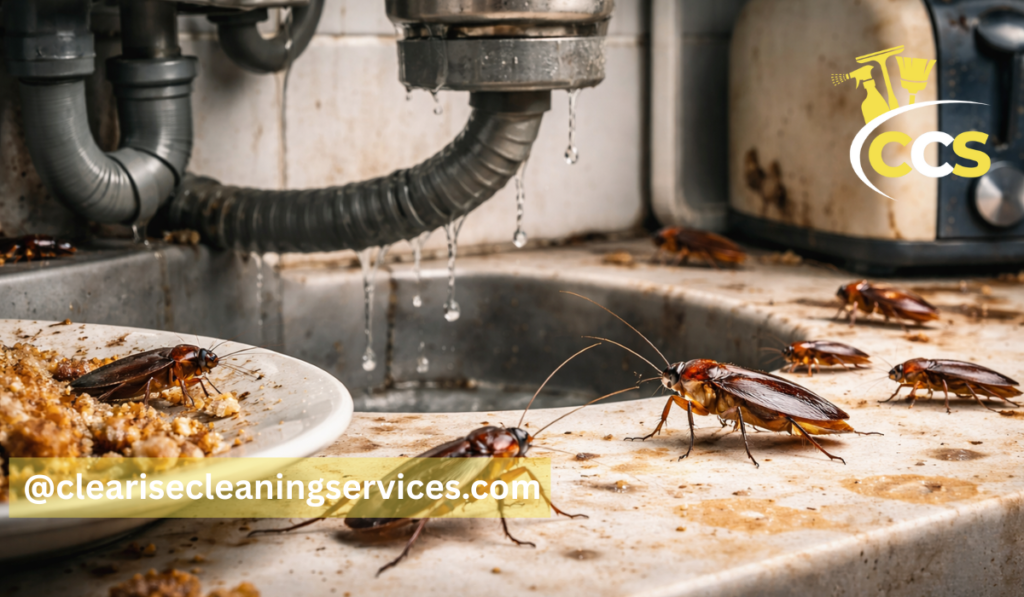
The phrase “house of cockroaches” does not mean a home made of insects. Instead, it is commonly used to describe a house where cockroaches have started to live, hide, and multiply. Even seeing one or two cockroaches can be a warning sign. These pests are experts at staying out of sight, so when they appear, it often means there are many more hiding in walls, cupboards, or dark corners.
For families, especially new parents, this situation can be stressful. A clean and safe home is important when babies and young children are around. Cockroaches can crawl over food surfaces, kitchen tools, toys, and floors. This raises concerns about hygiene, health, and overall comfort inside the home. Many parents worry about whether cockroaches can make their children sick or trigger allergies.
People dealing with a house of cockroaches usually have the same urgent questions. Why do cockroaches suddenly appear, even in homes that seem clean? Are cockroaches dangerous to adults and children? And most importantly, how do you get rid of cockroaches naturally and quickly without putting your family at risk?
This guide answers those questions in a clear and practical way. It explains why cockroaches come inside, what risks they bring, and what steps you can take to protect your home and family. The goal is to help you understand the problem and take control before it gets worse.
What Are Cockroaches? Expert Insights on the Pest
Cockroaches are one of the oldest insects on Earth, and their survival skills are the reason they are so hard to eliminate. From an expert point of view, cockroaches are nocturnal, highly adaptable, and extremely resilient pests. They prefer to stay hidden during the day and come out at night to search for food and water. This is why many people first notice them after turning on kitchen or bathroom lights late at night.
Basic Biology and Behavior
Cockroaches have flat bodies that allow them to squeeze into very small cracks and gaps. They can survive on tiny amounts of food, tolerate a wide range of temperatures, and live for days without water. Some species can even survive brief exposure to chemicals, which makes improper treatment ineffective. Their strong survival instincts are what turn a normal house into a “house of cockroaches” if the problem is ignored.
Common Indoor Cockroach Species
The most common indoor pest is the German cockroach. This species is usually found in:
- Kitchens (behind stoves, refrigerators, and cabinets)
- Bathrooms (under sinks and around drains)
- Warm, humid areas close to food and water
German cockroaches are small but reproduce very fast, making them one of the hardest infestations to control once established.
Outdoor Cockroaches That Enter Homes
Not all cockroaches start their life indoors. Many species live outside and only come inside when conditions are right. These outdoor cockroaches often live in:
- Soil, mulch, and leaf piles
- Gardens and yards
- Sewer systems and damp outdoor areas
When people talk about a “field roach in house,” it usually means an outdoor cockroach has migrated inside. This can happen during heavy rain, extreme heat, cold weather, or when outdoor hiding places are disturbed.
Life Cycle and Rapid Reproduction
One reason cockroach problems grow so quickly is their life cycle. A single female cockroach can produce dozens of eggs at a time. These eggs hatch into young cockroaches (nymphs), which grow into adults within weeks. Because of this:
- A small problem can turn into a serious infestation very fast
- Seeing a few cockroaches often means many more are hidden
This rapid reproduction explains why a house of cockroaches can seem to appear “overnight,” even if the home looked fine just weeks earlier.
What a Field Roach in the House Really Means
Finding a field roach in your house does not always mean your home is dirty. It often points to environmental changes outside, such as:
- Increased moisture near the house
- Cracks in walls, doors, or windows
- Outdoor nesting areas too close to the home
However, once inside, these roaches can still survive and multiply if they find food and water. That is why early action is important, even when the roach originally came from outdoors.
Why Do Cockroaches Suddenly Appear? (Day & Night)
Many people are shocked when cockroaches seem to appear out of nowhere. In reality, they were usually there already—just hidden. Cockroaches are very good at staying out of sight, which is why their sudden appearance often feels alarming.
Natural Behavior: Why Cockroaches Are Active at Night
Cockroaches are naturally nocturnal insects. This means they prefer darkness and quiet. At night, homes are calm, lights are off, and people are asleep. This creates the perfect environment for cockroaches to come out and search for food and water without being disturbed.
That is why many people notice cockroaches:
- When they turn on the kitchen light late at night
- Near sinks, trash bins, or pet food bowls
- In bathrooms during quiet hours
Seeing cockroaches at night is usually normal behavior and does not always mean the infestation is severe—but it does mean they are established.
Why Sightings at Night Are So Common
At night, cockroaches feel safer. They rely on darkness to avoid predators and humans. They also use their sensitive antennae to move around and find food. Even small crumbs, grease marks, or water drops can attract them. This is why kitchens and bathrooms are their favorite nighttime locations.
Why Cockroaches Appear During the Day
Seeing cockroaches during the daytime is often more concerning. Daytime sightings usually indicate:
- Overcrowding in hiding areas
- Heavy infestation, forcing roaches out into open spaces
- Lack of food or shelter, pushing them to search earlier
When hiding spots are full, weaker or younger cockroaches are often pushed out. This is a strong sign that the home may already be turning into a serious house of cockroaches and needs immediate attention.
Environmental Triggers That Cause Sudden Appearance
Cockroach activity can increase suddenly due to changes in the environment, such as:
- Weather changes: Heavy rain or flooding can drive outdoor cockroaches indoors
- Seasonal shifts: Extreme heat or cold pushes them to seek shelter inside
- Moisture problems: Leaky pipes, damp walls, or standing water attract them
- Food availability: Open food, trash buildup, or unsealed containers
Even clean homes can experience sudden cockroach activity if these conditions are present. Cockroaches are opportunistic and will enter any space that offers warmth, moisture, and shelter.
Are Cockroaches Dangerous? Health Risks Every Parent Should Know
For parents, especially those with babies or young children, one of the biggest concerns about a house of cockroaches is health. Cockroaches are not just unpleasant to see; they can also pose real health risks when they live inside a home.
How Cockroaches Affect Health
Cockroaches move through drains, garbage, sewers, and dirty outdoor areas before entering living spaces. As they crawl across kitchen counters, dishes, food containers, and even children’s toys, they can spread harmful germs. This contamination happens silently and often goes unnoticed.
Cockroaches also shed body parts and leave droppings wherever they hide. Over time, these particles mix with household dust and can become airborne, especially during cleaning.
Asthma and Allergy Risks
One of the most serious risks linked to cockroaches is asthma and allergic reactions. Studies have shown that proteins found in cockroach saliva, droppings, and shed skin can trigger:
- Asthma attacks in children
- Breathing difficulties
- Skin rashes and eye irritation
Children are more vulnerable because their immune systems are still developing, and they spend more time on floors where allergens collect.
Myths vs. Facts About Cockroaches
There are many myths surrounding cockroaches. One common belief is that they frequently bite humans. In reality:
- Cockroaches rarely bite people, and this usually happens only in extreme situations
- The real danger comes from what they leave behind, not bites
- Their waste, saliva, and body fragments are the main health concern
Health Risks Linked to Cockroaches (Sourced)
- Salmonella – linked to food poisoning and stomach infections
- coli – can contaminate food and surfaces
- Other bacteria and pathogens picked up from sewage and garbage
- Allergic reactions and asthma triggers, especially in children
Sources (for this section only):
- National Pesticide Information Center (npic.orst.edu) – Health risks, allergens, and asthma links
- Aptive Pest Control public health summaries – Bacteria and contamination risks
- Public health and entomology references summarized in educational resources (en.wikipedia.org)
Common Places Cockroaches Live — Indoors and Outside
To stop cockroaches effectively, it helps to understand where they live and why they choose certain areas. Cockroaches only need three things to survive: food, water, and shelter. If they find these, they stay.
Inside Your House
Inside a home, cockroaches prefer dark, warm, and hidden places. Common indoor hiding spots include:
- Cracks in walls and floors
- Wall voids and behind cabinets
- Under sinks where moisture is present
- Behind refrigerators, stoves, and washing machines
Kitchens and bathrooms are the biggest hotspots because they provide easy access to food and water. Even small leaks or crumbs can support a growing population.
Outdoors (and How They Get Inside)
Many people ask, where do cockroaches live outside? Outdoors, cockroaches often live in:
- Moist soil and garden beds
- Leaf litter and compost piles
- Mulch beds close to the house
- Sewer systems and drains
Outdoor cockroaches usually enter homes by accident or when conditions outside become uncomfortable. Heavy rain, extreme heat, or cold weather can push them indoors in search of shelter.
How Outdoor Roaches Get Inside
Cockroaches often enter through:
- Cracks in foundations and walls
- Gaps around doors and windows
- Open vents and drains
- Items brought indoors, such as boxes, groceries, or firewood
Practical Tips to Reduce Outdoor Entry
- Keep mulch and soil a short distance away from the house
- Remove leaf piles and debris near walls
- Seal gaps around doors, windows, and pipes
- Fix outdoor drainage problems that cause standing water
By reducing outdoor hiding spots and sealing entry points, you make your home far less attractive to cockroaches.
What Brings Cockroaches Into Your House?
Cockroaches do not enter homes randomly. They are drawn in by very specific conditions. Even clean homes can attract them if these factors are present. Understanding what brings cockroaches inside is key to stopping an infestation before it turns into a full house of cockroaches.
Food Residue and Crumbs
Cockroaches can survive on extremely small food sources. Tiny crumbs, grease splashes behind stoves, pet food left out overnight, or unsealed trash are more than enough to attract them. They are especially drawn to:
- Sugary spills
- Grease and oil residue
- Open food containers
Warmth and Moisture
Warmth and moisture are just as important as food. Cockroaches need water to survive, and they often gather around:
- Leaky pipes under sinks
- Drains in kitchens and bathrooms
- Condensation near refrigerators or air conditioners
Homes with humidity problems or hidden leaks are especially attractive to cockroaches.
Dark Crevices and Structural Gaps
Cockroaches feel safest in tight, dark spaces. Cracks in walls, gaps under cabinets, loose baseboards, and spaces behind appliances give them perfect hiding spots. These areas allow them to stay hidden during the day and come out at night.
Boxes, Groceries, and Packages
Cockroaches are often brought inside without people realizing it. They can hide in:
- Cardboard boxes
- Grocery bags
- Delivery packages
Once inside, they quickly look for food and shelter.
Overlooked Entry Vectors
Some entry points are often ignored, including:
- Christmas lights and decorations stored in garages or sheds
- Secondhand furniture such as couches, cabinets, or appliances
These items may already contain cockroaches or egg cases before they enter the home. This is a common reason people suddenly ask, why do cockroaches suddenly appear, even when they haven’t changed cleaning habits.
Sources (for this section only):
- National Pesticide Information Center (npic.orst.edu) – Attractants, moisture, and entry points
- University extension pest management resources
- Consumer home safety and pest prevention studies summarized in public health guides
How to Get Rid of Cockroaches in the House Quickly
When cockroaches are already present, fast and targeted action is important. The goal is to reduce their food, water, and shelter while using proven control methods.
Immediate Action Steps
These steps should be done as soon as cockroaches are noticed:
- Deep clean surfaces to remove crumbs, grease, and spills, especially behind and under appliances
- Store food in airtight containers, including pet food
- Fix leaks and wipe away standing water from sinks, counters, and floors
These actions alone can significantly reduce cockroach activity by removing what attracts them.
DIY and Natural Solutions
Many homeowners prefer natural or low-toxicity options, especially in homes with children.
- Baking soda and sugar traps: Sugar attracts cockroaches, while baking soda reacts inside their bodies and kills them
- Boric acid: A slow-acting insecticide that cockroaches carry back to hiding areas, spreading it to others (use carefully and keep away from children)
- Bay leaves and neem oil: Often used as natural repellents in cabinets and corners
- Rosemary and other herbs: Some people report reduced activity when using strong-smelling herbs, though results can vary
Natural methods work best for light infestations and as part of a broader control plan.
Proven Pest Control Methods
For deeper or ongoing infestations, stronger methods may be needed:
- Roach baits and gels: These are effective because cockroaches carry the poison back to nests, helping eliminate hidden populations
- Sticky traps: Useful for monitoring activity and identifying problem areas
- Professional pest control services: Recommended when infestations persist or grow despite home treatments
Professionals use targeted treatments and understand cockroach behavior, which can save time and prevent repeat infestations.
Long-Term Prevention Strategies
Getting rid of cockroaches is only part of the solution. To avoid turning your home back into a house of cockroaches, long-term prevention is essential. These strategies focus on making your home unattractive and difficult for cockroaches to enter or survive in.
Seal All Entry Points
Cockroaches can enter through very small openings. Sealing these gaps reduces the chance of both indoor and outdoor roaches getting inside. Focus on:
- Gaps around doors and window frames
- Cracks in walls, floors, and foundations
- Openings around pipes, vents, and cables
Using caulk, weather stripping, and door sweeps can block common entry paths.
Maintain Dry Conditions
Moisture control is one of the most effective prevention methods. Cockroaches cannot survive long without water. To reduce moisture:
- Fix leaks under sinks and behind appliances
- Use exhaust fans in kitchens and bathrooms
- Run dehumidifiers in damp rooms or basements
Well-ventilated, dry spaces are far less attractive to cockroaches.
Follow a Consistent Sanitation Routine
Cleanliness does not guarantee a roach-free home, but poor sanitation almost always attracts them. A regular routine should include:
- Wiping kitchen surfaces daily
- Taking trash out regularly
- Cleaning behind appliances and under sinks
- Avoiding overnight food exposure
Consistency matters more than occasional deep cleaning.
Manage the Outdoor Environment
Outdoor conditions play a major role in cockroach prevention. Reduce outdoor hiding spots by:
- Keeping mulch, soil, and plants away from the house perimeter
- Removing leaf piles and organic debris near walls
- Trimming plants so they do not touch the house
These steps reduce the chance of outdoor cockroaches migrating indoors.
Sources (for this section only):
- National Pesticide Information Center (npic.orst.edu) – Prevention and moisture control
- University extension pest management resources
- Public health and housing maintenance guidelines
Cockroach Myths Debunked (What Doesn’t Work)
Misinformation can make cockroach problems worse. Many common “quick fixes” do little or nothing to solve an infestation. Understanding what does not work helps you avoid wasting time and money.
Myth: Pouring Bleach Down Drains Solves the Problem
Bleach may kill cockroaches on direct contact, but pouring it down drains:
- Does not reach hidden nesting areas
- Can damage pipes
- Creates harmful fumes
This method is ineffective and potentially dangerous.
Myth: Essential Oils Alone Can Eliminate Cockroaches
Some essential oils may repel cockroaches temporarily, but:
- They do not kill established populations
- Effects are short-lived
- There is limited scientific proof they work alone
Essential oils should only be used as a minor support, not a solution.
Myth: Cockroaches Mean the Home Is Dirty
Cockroaches are not a sign of personal failure or poor hygiene. They can infest:
- Clean homes
- Apartments and shared buildings
- Newly built houses
They thrive wherever they find warmth, moisture, and shelter. Cleanliness helps, but it does not guarantee protection.
Signs You Have a “House of Cockroaches” Infestation
Recognizing the signs early can help prevent a small problem from becoming a serious infestation. A true house of cockroaches usually shows more than just the occasional insect.
Visible Live Cockroaches (Especially During the Day)
Seeing cockroaches during daylight hours is one of the strongest warning signs. Because cockroaches prefer darkness, daytime activity often means:
- Overcrowding in hiding areas
- A large, established population
- Limited food or shelter forcing them out
Droppings and Egg Casings
Cockroach droppings look like small black specks or ground pepper. Egg casings (often brown or oval-shaped) may be found:
- Inside cabinets
- Under sinks
- Behind appliances
Finding egg casings means cockroaches are reproducing inside your home.
Musty Smell and Stains
A heavy infestation can create a noticeable musty or oily odor. You may also see:
- Smear marks along walls
- Dark stains near cracks or corners
These signs often appear near long-term hiding spots.
Dead Cockroaches in Hidden Areas
Dead cockroaches around baseboards, behind appliances, or inside cabinets often suggest:
- An active population nearby
- Recent poisoning or lack of food
Even dead roaches are a sign that more are likely still present.
Sources (for this section only):
- National Pesticide Information Center (npic.orst.edu) – Infestation signs and indicators
- University extension pest identification guides
When to Call a Professional
While many mild infestations can be managed at home, some situations require professional help. Knowing when to call an expert can save time, money, and stress.
DIY Methods Have Failed
If home treatments have not worked after 2–4 weeks, the infestation may be deeper than expected. This often means roaches are hiding in wall voids or other hard-to-reach areas.
Large-Scale Infestation
Signs of a serious infestation include:
- Frequent sightings of adults and young roaches (nymphs)
- Multiple egg casings found in different rooms
- Strong odors or widespread droppings
These cases usually need professional-grade treatments.
Recurring Problems After Cleanup
If cockroaches return even after thorough cleaning and treatment, a professional can:
- Identify hidden entry points
- Use targeted baits and treatments
- Provide long-term prevention advice
Professional help is especially important in homes with children, elderly family members, or allergy sufferers.
Sources (for this section only):
- National Pesticide Information Center (npic.orst.edu) – Treatment escalation guidance
- Public health and professional pest management standards
Conclusion
Dealing with a house of cockroaches can feel overwhelming, but understanding the problem makes it manageable. Cockroaches enter homes in search of food, water, and shelter. Their behavior, rapid reproduction, and ability to hide explain why infestations can grow quickly if ignored.
By learning the health risks, recognizing early warning signs, and knowing what attracts cockroaches, families can take smart and safe action. Immediate cleaning, moisture control, and targeted treatments help reduce active infestations, while long-term prevention strategies keep cockroaches from returning.
For families and new parents, the focus should always be on safe, effective solutions that protect both health and comfort. Acting early, staying consistent, and seeking professional help when needed can restore peace of mind and keep your home clean, healthy, and cockroach-free.
Frequently Asked Questions (FAQs)
What Does “House Of Cockroaches” Mean?
A “house of cockroaches” means a home where cockroaches are living, hiding, and reproducing. It does not mean the house is dirty, but it does indicate an infestation that needs attention.
Why Do Cockroaches Suddenly Appear In A Clean House?
Cockroaches may suddenly appear due to moisture, weather changes, or entry through packages, boxes, or cracks. Even clean homes can attract them if water and shelter are available.
Why Do Cockroaches Suddenly Appear At Night?
Cockroaches are nocturnal insects. They come out at night because it is dark, quiet, and safer for them to search for food and water.
Are Cockroaches Dangerous To Children And Babies?
Yes, cockroaches can be harmful. They can spread bacteria and trigger allergies or asthma, especially in children, through their droppings, saliva, and shed skin.
Where Do Cockroaches Live Outside Before Entering A House?
Outside, cockroaches live in moist soil, mulch, leaf piles, drains, and sewer systems. They often enter homes during rain, heat, or cold weather.
What Brings Cockroaches Into The House Most Often?
Food crumbs, grease, moisture from leaks, dark hiding spots, and items like grocery bags, cardboard boxes, and secondhand furniture attract cockroaches.
How Do You Get Rid Of Cockroaches In The House Quickly?
Quick results come from deep cleaning, removing water sources, sealing entry points, and using proven methods like roach baits or boric acid. Severe cases may need professional help.
Does Seeing One Cockroach Mean There Are More?
In most cases, yes. Cockroaches hide well, so seeing one often means others are nearby, especially if sightings happen during the day.
When Should You Call A Professional Pest Control Service?
You should call a professional if home treatments fail after a few weeks, if you see many roaches or egg casings, or if cockroaches keep returning after cleanup.
Disclaimer: This article is for general informational purposes only. It does not replace professional pest control or medical advice. If you have a severe cockroach infestation or health concerns, especially in homes with children, consult a licensed pest control professional or healthcare provider.
Thanks for visiting Clearise Cleaning Services! Discover more helpful tips and expert cleaning insights by exploring our related categories.