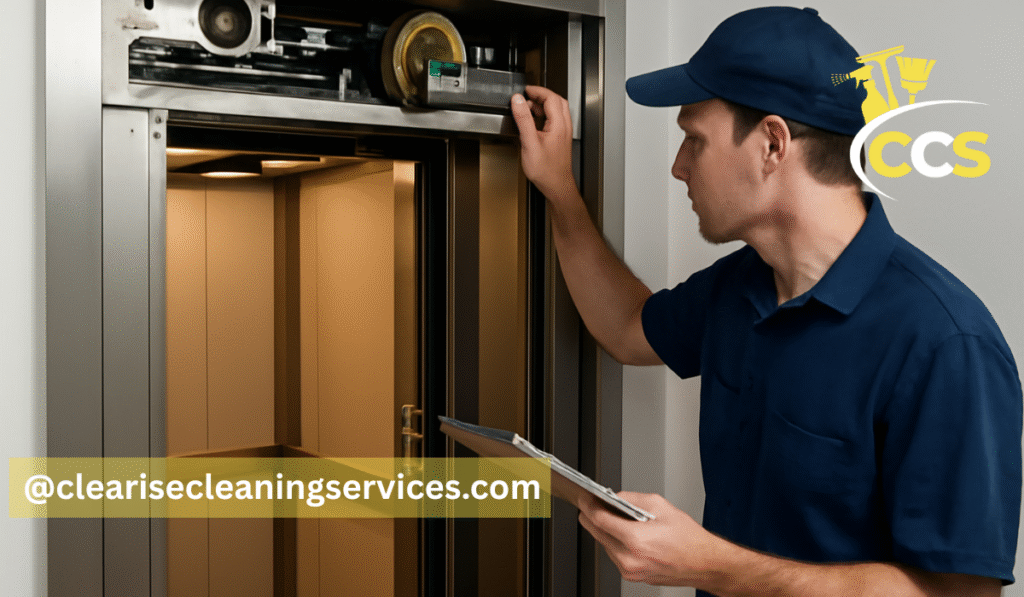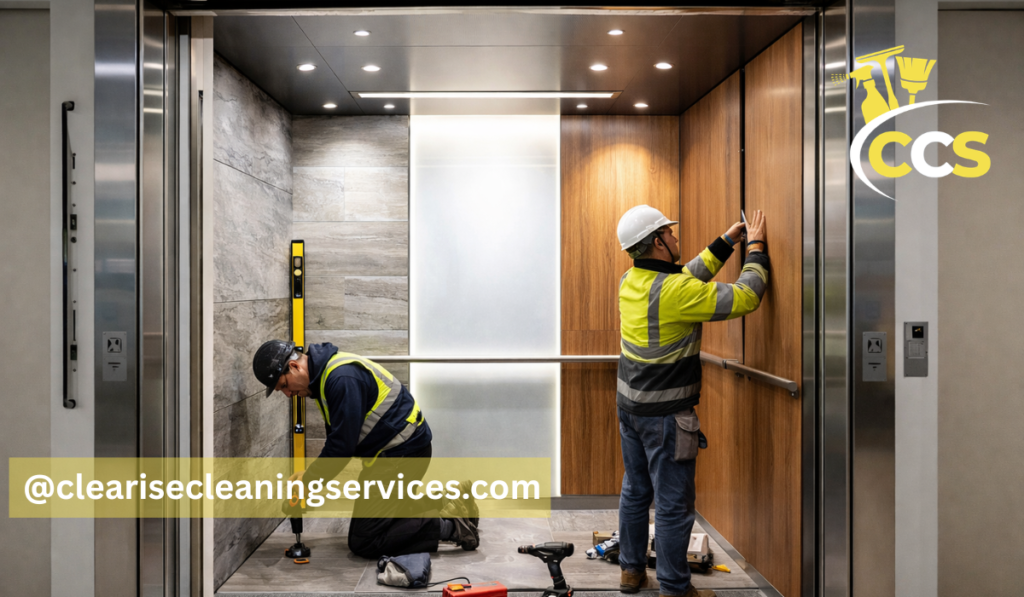
Elevator interior remodeling is an effective way to improve the look and feel of an elevator without replacing the entire system. This process is often called a cab facelift because it focuses on refreshing the interior parts of the elevator cabin while keeping the mechanical components intact. Many building owners choose this option when their elevators still function properly but appear outdated or worn.
Over time, elevator interiors can show signs of aging. Scratched wall panels, dull lighting, and worn flooring can make an otherwise well-maintained building feel older than it actually is. Through elevator interior remodeling, property managers can upgrade the appearance, comfort, and lighting of their elevators without the high cost and long downtime associated with full elevator replacement.
Most remodeling projects focus on key design elements inside the cab. These typically include wall panels, lighting systems, flooring materials, and finishing details such as handrails and trim. By updating these components, building owners can create a cleaner, brighter, and more modern environment for passengers. As a result, elevator interior remodeling has become a popular solution in residential buildings, offices, hotels, hospitals, and commercial properties that want to improve both style and functionality.
Elevator Interior Remodeling Overview
| Category | Details |
| Project Type | Elevator cab facelift or interior renovation |
| Main Goal | Improve design, lighting, and passenger experience |
| Common Upgrades | Wall panels, LED lighting, flooring, handrails |
| Popular Materials | HPL laminate, wood veneer, glass panels, metal finishes |
| Flooring Options | Luxury Vinyl Tile (LVT), rubber flooring, natural stone |
| Lighting Upgrade | LED ceiling panels or perimeter lighting |
| Installation Time | Usually a few days depending on project size |
| Cost Level | Much lower than full elevator replacement |
| Suitable For | Offices, apartments, hotels, hospitals, commercial buildings |
| Key Benefit | Modern look without replacing the entire elevator system |
What Is Elevator Interior Remodeling
Elevator interior remodeling refers to the process of upgrading the inside of an elevator cab while keeping the existing mechanical system in place. Instead of replacing motors, cables, or control systems, the remodeling project focuses on the visual and functional elements that passengers interact with every day. These upgrades are designed to improve the appearance, comfort, and overall experience of using the elevator.
This approach is different from full elevator modernization. A modernization project often involves replacing major mechanical components to improve performance and safety. Elevator interior remodeling, on the other hand, focuses mainly on the cab’s interior surfaces and finishes. The goal is to give the elevator a refreshed and modern look without extensive construction or high investment costs.
In many buildings, elevators operate reliably for years but their interiors begin to look outdated. Walls may fade, lighting may become dim, and flooring may wear down due to heavy foot traffic. Remodeling allows building owners to address these issues quickly. New materials, improved lighting, and updated finishes can transform the space into something that feels modern and welcoming.
Because elevators are used frequently, the condition of the cab interior plays an important role in how people perceive the building. A well-designed elevator can make a strong impression on visitors, tenants, and employees. Through elevator interior remodeling, property owners can improve both usability and visual appeal while maintaining the existing elevator system.
Why Buildings Choose Elevator Interior Remodeling
Many buildings choose elevator interior remodeling because it offers a practical balance between improvement and cost. Replacing an entire elevator system can be extremely expensive and may require long periods of downtime. Remodeling the interior provides a simpler and more affordable way to refresh the elevator environment.
One of the biggest advantages of elevator interior remodeling is its cost efficiency. Since the mechanical components remain in place, the project focuses only on visible interior features. This significantly reduces both material costs and installation time. Building owners can achieve a modern design without investing in a full replacement.
Another reason buildings prefer remodeling is the speed of installation. Interior upgrades can often be completed quickly, sometimes within a few days depending on the scope of the project. This minimizes disruption for tenants, employees, or residents who rely on the elevator daily.
Elevator interior remodeling also allows property owners to update the design of the elevator to match the rest of the building. When a lobby or hallway is renovated, an outdated elevator interior can stand out in a negative way. By refreshing the cab design, the elevator becomes consistent with the building’s overall style.
In addition, modern elevator interiors improve the way people perceive a property. Clean finishes, brighter lighting, and attractive materials create a more professional and comfortable environment. For businesses, this can enhance their brand image. For residential buildings, it can improve the daily experience of residents and visitors.
CHS Elevators is a U.S.-based website in the home improvement niche, focused on residential elevator installations in South Carolina and nearby areas.
Key Areas Involved in Elevator Interior Remodeling
A successful elevator interior remodeling project usually focuses on several important components inside the cab. Each of these elements contributes to the overall look, comfort, and functionality of the elevator.
One of the main areas of focus is the wall panels and interior surfaces. These panels form the largest visible part of the elevator interior and play a major role in defining its style. Updating the wall panels can dramatically change the appearance of the cab.
Another important area is the ceiling and lighting system. Lighting affects both visibility and atmosphere. Modern lighting designs can brighten the space, improve safety, and create a more welcoming environment.
Flooring is also a key component of elevator interior remodeling. Because elevators experience heavy foot traffic, flooring materials must be durable and resistant to wear. Upgrading the flooring not only improves safety but also contributes to the overall design.
Handrails, door frames, and decorative accents complete the interior design. These finishing elements add detail and structure to the elevator cab. When chosen carefully, they help create a cohesive and polished appearance.
Modern materials and finishes are often integrated throughout the remodeling process. These materials are designed to be both durable and visually appealing, ensuring that the elevator remains attractive even after years of daily use.
Step-by-Step Guide: How Elevator Interior Remodeling Works
- Inspection and Planning
A professional team examines the current elevator cab and identifies areas that need improvement such as panels, lighting, or flooring. - Design Selection
Building owners choose materials, finishes, lighting styles, and flooring that match the building’s interior design. - Material Preparation
New wall panels, lighting systems, flooring materials, and accents are prepared or custom designed for installation. - Installation Process
Technicians remove old interior components and install the new panels, lighting, flooring, and finishes. - Final Inspection
The remodeled elevator is tested to ensure safety, proper lighting, and a clean professional finish.
Wall Panel Options for Elevator Cab Design
Wall panels are one of the most noticeable features of an elevator interior. During elevator interior remodeling, replacing or upgrading the wall panels can instantly transform the look of the cab.
High-Pressure Laminates, commonly known as HPL, are a popular choice because they are durable and versatile. These panels are designed to withstand scratches, impacts, and daily wear while offering a wide range of colors and patterns. This flexibility allows designers to create modern or classic interior styles.
Wood veneers provide another attractive option for elevator interiors. Natural wood finishes create a warm and elegant atmosphere that works well in hotels, office buildings, and upscale residential properties. Wood veneers can be combined with metal accents to create a balanced and refined design.
Backlit glass panels have also become increasingly popular in modern elevator interior remodeling projects. These panels use integrated lighting to create a soft glow behind the glass surface. The result is a visually striking design that adds depth and brightness to the cab.
Some luxury buildings choose lightweight stone or metal finishes for a more sophisticated appearance. These materials offer a high-end look while remaining practical for elevator installations.
Pre-engineered panel systems have simplified installation in many remodeling projects. These systems are designed to fit existing elevator cabins and can be installed quickly, reducing construction time while maintaining a professional finish.
Upgrading Elevator Ceilings and Lighting
Lighting plays an essential role in the comfort and usability of an elevator. Many older elevators still use fluorescent lighting, which can appear dim or uneven. During elevator interior remodeling, replacing these outdated fixtures with modern lighting solutions can significantly improve the passenger experience.
LED lighting has become a popular choice because it is both energy-efficient and long-lasting. LED lights provide brighter illumination while using less energy than traditional lighting systems. This not only improves visibility inside the elevator but also reduces long-term operating costs.
Modern ceiling designs can further enhance the appearance of the elevator interior. Decorative ceiling panels combined with integrated lighting create a clean and contemporary look. Some designs use perimeter lighting that softly illuminates the edges of the ceiling, giving the cab a more spacious and welcoming feel.
Backlit ceiling panels are another option used in many elevator interior remodeling projects. These panels distribute light evenly across the ceiling surface, eliminating shadows and creating a bright and comfortable environment.
Improved lighting also increases passenger safety. Clear visibility helps passengers move in and out of the elevator with confidence, especially in busy buildings where elevators are used frequently throughout the day.
Flooring Choices for Elevator Interiors
Flooring is one of the most heavily used surfaces inside an elevator. Because passengers enter and exit the cab throughout the day, flooring materials must be strong enough to withstand constant foot traffic.
Durable and slip-resistant flooring is an important part of elevator interior remodeling. Safety is a priority, and flooring must provide stability even in wet or high-traffic conditions.
Luxury Vinyl Tile, often referred to as LVT, is widely used in modern elevator interiors. It is durable, easy to maintain, and available in many styles that mimic natural materials such as wood or stone. This versatility allows designers to create attractive floors while maintaining practicality.
Rubber flooring is another option that provides excellent durability and slip resistance. It is often used in hospitals, schools, and commercial buildings where safety and easy maintenance are essential.
Natural stone flooring can also be used to create a more upscale appearance. Thin-cut stone materials provide the elegance of natural stone while remaining suitable for elevator installations.
By selecting the right flooring materials, elevator interior remodeling projects can improve both safety and visual appeal while ensuring long-term durability.
Handrails and Decorative Accents in Elevator Remodeling
Handrails are an important feature inside many elevators. They provide support for passengers and help improve accessibility. Installing new handrails during elevator interior remodeling ensures that the elevator meets modern safety and comfort standards.
In addition to handrails, decorative accents play a key role in finishing the interior design. Metal cladding can be added to doors and front walls to cover scratches and signs of wear. This simple upgrade can give the elevator a fresh and polished appearance.
Trim pieces, corner guards, and decorative finishes help complete the overall design. These details may seem small, but they contribute significantly to the final visual impression of the elevator interior.
When these elements are carefully coordinated with wall panels, lighting, and flooring, the result is a cohesive and professional design that enhances the entire elevator experience.
Modern Design Trends in Elevator Interior Remodeling
Elevator interior design has evolved significantly in recent years. Many remodeling projects now focus on creating clean, modern interiors that complement contemporary building architecture.
Minimalist design styles are particularly popular. These designs use simple lines, neutral colors, and uncluttered surfaces to create a calm and elegant environment inside the elevator.
Materials such as glass, brushed metal, and modern laminates are commonly used to achieve this look. These finishes provide both durability and visual appeal, making them suitable for busy commercial environments.
Improved lighting also plays a role in modern design trends. Brighter and more evenly distributed lighting creates a comfortable atmosphere while highlighting the materials used throughout the cab.
In some buildings, elevator interiors are customized to match the overall design theme of the property. For example, a hotel may choose warm wood finishes to create a welcoming atmosphere, while a corporate office building may prefer sleek metal and glass designs.
Safety and Accessibility Considerations During Remodeling
While design improvements are important, safety remains a top priority during elevator interior remodeling. All upgrades must comply with local building codes and elevator safety standards.
Proper lighting is essential to ensure that passengers can move safely inside the cab. Slip-resistant flooring helps reduce the risk of accidents, especially in buildings where elevators experience heavy traffic.
Handrail placement must also follow accessibility guidelines so that passengers of all ages and abilities can use the elevator comfortably. In many cases, remodeling projects also include improvements to signage and visibility within the cab.
Another important factor is the durability of materials. Elevator interiors must withstand constant use, so materials are chosen carefully to ensure long-term performance.
By focusing on both safety and design, elevator interior remodeling projects create spaces that are attractive, functional, and reliable.
Benefits of Elevator Interior Remodeling
Elevator interior remodeling provides many advantages for building owners and property managers. One of the most noticeable benefits is the improvement in the building’s overall appearance. Since elevators are used frequently, a modern interior can make a strong impression on visitors and tenants.
Passenger comfort is another important benefit. Better lighting, updated materials, and improved design create a more pleasant environment for daily use. These upgrades can make even older buildings feel modern and well maintained.
Remodeling also helps extend the life of the elevator interior. By replacing worn surfaces with durable materials, building owners can protect the cab from further damage and reduce maintenance needs.
Perhaps most importantly, elevator interior remodeling offers a cost-effective way to modernize a building. Instead of investing in a complete elevator replacement, property owners can achieve significant visual improvements at a fraction of the cost.
Conclusion
Elevator interior remodeling provides a practical solution for buildings that want to upgrade outdated elevator cabins without replacing the entire system. By focusing on interior components such as wall panels, lighting, flooring, and finishing details, property owners can transform the appearance of their elevators while keeping the existing mechanical system in place.
Modern materials, improved lighting, and thoughtful design can create a brighter and more welcoming environment for passengers. These upgrades not only enhance comfort and usability but also improve the overall image of the building.
For many commercial and residential properties, elevator interior remodeling is a smart and efficient way to modernize their elevators while avoiding the high cost and complexity of full system replacement.
FAQs
1. What Is Elevator Interior Remodeling?
Elevator interior remodeling is the process of upgrading the inside of an elevator cab by replacing wall panels, lighting, flooring, and other finishes to improve design and passenger comfort without changing the mechanical system.
2. How Long Does Elevator Interior Remodeling Take?
Most remodeling projects can be completed within a few days depending on the scope of work and the materials used.
3. Is Elevator Interior Remodeling Cheaper Than Full Replacement?
Yes. Remodeling focuses only on the interior surfaces and finishes, making it significantly more affordable than replacing the entire elevator system.
4. What Materials Are Commonly Used In Elevator Cab Remodeling?
Popular materials include high-pressure laminate panels, wood veneers, brushed metal, glass panels, luxury vinyl tile flooring, and LED lighting systems.
5. Can Elevator Remodeling Improve Building Value?
Yes. A modern elevator interior improves the overall appearance of a building and creates a better impression for visitors, tenants, and customers.
Disclaimer: The information provided in this article is for general educational purposes only. Elevator interior remodeling projects should always be planned and performed by qualified professionals who follow local building codes, safety standards, and regulatory requirements.
Thanks for visiting Clearise Cleaning Services! Discover more helpful tips and expert cleaning insights by exploring our related categories.