Luxury Vinyl Plank, often called LVP, has become one of the most popular flooring choices in modern homes. It offers the look of real wood while being more affordable, water-resistant, and easier to maintain. Because of its durability and stylish appearance, many homeowners choose LVP for living rooms, kitchens, and even high-traffic areas.
However, even though LVP flooring is known for being tough, it still needs proper care. Without the right cleaning and maintenance habits, the surface can lose its shine, develop scratches, or even suffer long-term damage. Regular care helps protect the floor’s finish, keeps it looking fresh, and extends its lifespan.
This guide on lvp flooring care and maintenance will walk you through everything you need to know. You’ll learn how to clean your floors safely, prevent damage before it happens, avoid common mistakes, and handle stains without harming the surface. With simple and consistent habits, you can keep your LVP flooring looking new for many years.
Complete Care Overview
| Category | Details |
| Flooring Type | Luxury Vinyl Plank (LVP) |
| Key Feature | Water-resistant, durable, wood-like appearance |
| Daily Care | Sweep or vacuum (no beater bar) |
| Weekly Cleaning | Damp mop with microfiber + pH-neutral cleaner |
| Safe Cleaners | Vinyl-safe, non-abrasive, pH-neutral products |
| Avoid | Steam mops, bleach, ammonia, vinegar, wax |
| Spill Handling | Clean immediately, avoid standing water |
| Scratch Prevention | Use furniture pads, avoid dragging items |
| Sun Protection | Use curtains/blinds to prevent fading |
| Pet Care | Trim nails to reduce scratches |
| Stain Removal | Baking soda (light stains), alcohol (ink), mild soap (grease) |
| Lifespan | 10–25 years (with proper maintenance) |
| Maintenance Level | Low (with consistent routine) |
Understanding LVP Flooring and Its Protective Layer
LVP flooring stands out because it combines style with practicality. It is designed to mimic natural wood, but it is made from multiple layers of vinyl that provide strength and flexibility. This layered structure makes it resistant to moisture and everyday wear, which is why it performs well in busy households.
One of the most important parts of LVP flooring is its protective wear layer. This top layer acts as a shield against scratches, stains, and general use. It is what keeps the floor looking smooth and polished over time. The thickness and quality of this wear layer often determine how long the flooring will last.
Even though the wear layer is durable, it is not indestructible. Using harsh cleaners, dragging furniture, or allowing dirt to build up can slowly damage this protective surface. Once it wears down, the floor becomes more vulnerable to scratches and fading. That is why proper lvp flooring care and maintenance is essential from the very beginning.
Daily and Weekly Cleaning Routine for LVP Floors
Keeping LVP floors clean does not require complicated steps. In fact, simple daily habits can make a big difference in maintaining their appearance. Dust, dirt, and small particles can act like sandpaper when walked on, gradually causing tiny scratches. A quick sweep or a gentle vacuum each day helps remove these particles before they cause damage.
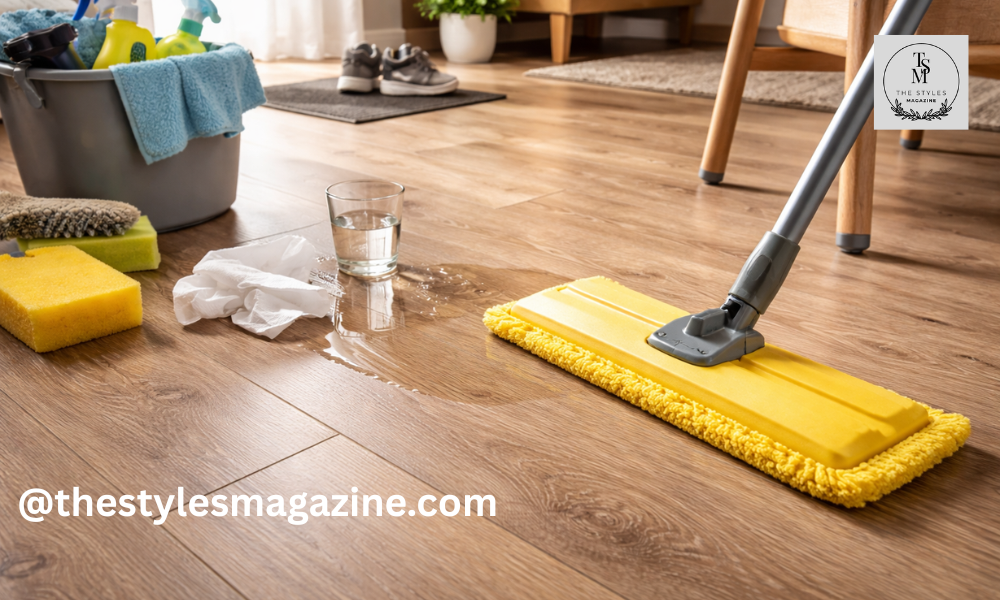
For weekly cleaning, a light damp mop is usually enough. It is important to avoid using too much water. LVP is water-resistant, but excessive moisture can seep into the seams and affect the floor over time. A microfiber mop with a small amount of a suitable cleaner works well for removing dirt without harming the surface.
Using the right tools also plays an important role. A soft-bristle broom or a vacuum without a rotating brush is ideal. These tools clean effectively without scratching the floor. By following a simple routine, you can keep your floors looking clean and well-maintained without much effort.
Step-by-Step LVP Flooring Care Routine
Step 1: Sweep or vacuum daily to remove dust and dirt
Step 2: Mop weekly with a slightly damp microfiber mop
Step 3: Use only gentle, vinyl-safe cleaners
Step 4: Wipe spills immediately to prevent damage
Step 5: Add protective pads under furniture
Step 6: Avoid harsh chemicals and heat-based cleaning
Safe Cleaning Products and Tools to Use
Choosing the right cleaning products is an important part of lvp flooring care and maintenance. Not all cleaners are suitable for vinyl floors, and using the wrong ones can damage the finish. It is best to use pH-neutral cleaners that are specifically designed for vinyl or similar surfaces. These cleaners are gentle and effective, helping to remove dirt without stripping the protective layer.
Microfiber mops are one of the best tools for cleaning LVP floors. They are soft, absorbent, and do not leave scratches behind. They also use less water, which helps prevent moisture-related issues. Soft cloths are also useful for spot cleaning and drying the floor after mopping.
When selecting cleaning products, it is important to read labels carefully. Avoid anything that is too strong or abrasive. A simple, gentle cleaner used regularly is far more effective than harsh products used occasionally. With the right tools and products, maintaining your floor becomes easier and safer.
Common Cleaning Mistakes to Avoid
Many people unintentionally damage their floors by using the wrong cleaning methods. One common mistake is using steam mops. While they may seem convenient, the heat and moisture can weaken adhesives and cause the flooring to warp over time. This can also affect the floor’s structure and appearance.
Another mistake is using harsh chemicals such as bleach, ammonia, or vinegar. These substances can strip away the protective layer, leaving the surface dull and more prone to damage. Abrasive scrubbers can also scratch the floor, creating visible marks that are difficult to remove.
Applying wax or polish is another practice to avoid. LVP flooring is designed to have its own finish, and adding extra layers can lead to buildup. This can make the floor look cloudy or sticky instead of shiny. Over time, these mistakes can shorten the life of your flooring, which is why understanding proper lvp flooring care and maintenance is so important.
Preventative Measures to Protect Your LVP Flooring
Prevention is one of the most effective ways to keep your LVP flooring in great condition. Small steps taken early can help avoid larger problems later. For example, placing protective pads under furniture legs can prevent scratches and dents. These pads reduce direct pressure on the floor and allow furniture to move more smoothly.
It is also important to avoid dragging heavy items across the floor. Lifting furniture instead of sliding it can prevent deep scratches. In areas with high foot traffic, using entry mats can help trap dirt and moisture before they reach the floor. This simple habit reduces wear and keeps the surface cleaner.
Sunlight can also affect LVP flooring over time. Direct exposure to strong sunlight may cause fading or discoloration. Using curtains or blinds during peak hours can help protect the floor’s color. By taking these preventative steps, you can maintain both the look and durability of your flooring.
How to Handle Spills and Moisture Properly
Although LVP flooring is known for its water resistance, it is still important to manage spills quickly. Liquids left on the surface for too long can seep into the seams, potentially affecting the subfloor or weakening the adhesive. Immediate cleanup helps prevent these issues and keeps the floor in good condition.
When a spill occurs, it is best to wipe it up with a soft cloth or paper towel. Avoid letting water sit on the floor, especially in areas where the planks meet. Even small amounts of standing liquid can cause problems if ignored over time.
Maintaining a dry surface is a key part of lvp flooring care and maintenance. This does not mean avoiding water completely, but rather using it carefully. A slightly damp mop is safe, but excessive moisture should always be avoided. By staying attentive to spills, you can prevent long-term damage and maintain the strength of your flooring.
Removing Stains and Scuffs Without Damage
Stains and scuffs are a normal part of everyday life, especially in busy households. The good news is that most marks on LVP flooring can be removed with gentle methods. For light scuffs, rubbing the area with your fingertip or a soft object can often restore the surface without causing harm.
For tougher stains, a mild approach works best. A small amount of baking soda mixed with water can help lift certain marks without scratching the floor. Sticky substances like ink or paint can be cleaned with a small amount of rubbing alcohol applied to a soft cloth. It is important to use these methods carefully and avoid excessive force.
Grease or oil can usually be removed with a mild dish soap mixed with warm water. After cleaning, it is important to wipe the area with clean water and dry it properly. Avoid using strong chemicals or rough materials, as these can damage the protective layer. Gentle cleaning methods are always the safest choice.
Long-Term Maintenance Tips for Lasting Performance
Maintaining LVP flooring over the long term is all about consistency. Regular cleaning, combined with preventative measures, helps preserve the floor’s appearance and strength. Establishing a routine ensures that dirt and moisture do not build up over time.
Deep cleaning is not needed very often, but it can be helpful occasionally to remove stubborn dirt. When doing so, it is important to stick to safe cleaning products and avoid excessive water. Keeping the process simple and controlled will protect the floor from unnecessary stress.
It is also important to pay attention to signs that your floor may need extra care. Dull spots, increased scratching, or visible wear may indicate that the protective layer is being affected. Addressing these issues early can help prevent further damage.
By following proper lvp flooring care and maintenance, you can ensure that your floors remain durable and attractive for years. Small, consistent efforts can make a big difference in the long run.
Conclusion
Taking care of LVP flooring does not require complicated steps or expensive products. With the right approach, you can maintain its beauty and durability with simple daily and weekly habits. From regular cleaning to careful spill management, each step plays a role in protecting the floor’s surface.
Avoiding common mistakes, using safe cleaning tools, and taking preventative measures can help extend the life of your flooring. These small actions reduce the risk of scratches, stains, and long-term damage.
In the end, consistent care is the key to success. By following a practical and mindful routine, you can keep your floors looking clean, fresh, and inviting. Proper lvp flooring care and maintenance ensures that your investment continues to add value and comfort to your home for many years.
FAQs (People Also Ask)
How Do You Clean LVP Flooring Properly?
Use a soft broom or vacuum daily and a damp microfiber mop weekly with a pH-neutral cleaner.
Can I Use A Steam Mop on LVP Flooring?
No, steam mops can damage the adhesive and cause warping over time.
What Cleaners Are Safe For LVP Floors?
Only pH-neutral, non-abrasive cleaners designed for vinyl flooring are recommended.
How Do I Remove Stains From LVP Flooring?
Use gentle methods like baking soda paste, rubbing alcohol for ink, or mild dish soap for grease.
How Long Does LVP Flooring Last With Proper Care?
With proper maintenance, LVP flooring can last between 10 to 25 years.
Disclaimer: This content is for general informational purposes only. Cleaning methods and product compatibility may vary by manufacturer. Always follow your flooring brand’s official care guidelines for the best results.
Thanks for visiting Clearise Cleaning Services! Discover more helpful tips and expert cleaning insights by exploring our related categories.