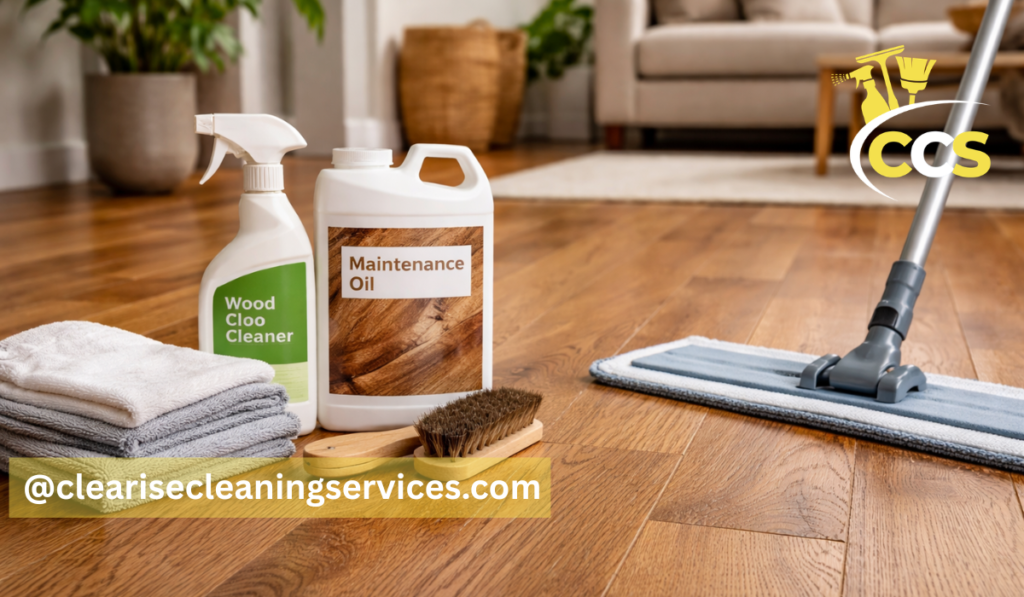
Oiled wood floors are a popular choice for homeowners who want a natural, warm, and authentic look. Unlike glossy finishes, oiled floors highlight the true grain and texture of the wood, giving spaces a soft and elegant feel. Instead of sitting on top of the surface, oil soaks into the wood, protecting it from within while maintaining its natural appearance.
This is what makes oiled floor maintenance slightly different from other types of wood flooring care. Traditional finishes like lacquer or polyurethane create a hard layer on top of the wood, acting as a barrier. In contrast, oil penetrates deep into the fibers, which means the floor can “breathe” but also requires more careful handling, especially when it comes to moisture.
Proper maintenance is essential if you want your floors to stay beautiful and durable over time. Without regular care, the surface can become dull, dry, or vulnerable to stains. The good news is that oiled floors are easier to repair and refresh compared to sealed finishes, making them a practical long-term option.
In this guide, you’ll learn everything you need to know about oiled floor maintenance—from everyday cleaning habits to long-term care strategies—so you can keep your floors looking rich, protected, and long-lasting.
Oiled Floor Maintenance Overview
| Aspect | Details |
| Floor Type | Oil-finished wood floors |
| Main Benefit | Natural look, easy repairs |
| Daily Care | Sweep or vacuum (no brush roll) |
| Weekly Cleaning | Damp mop with pH-neutral cleaner |
| Water Usage | Minimal – avoid excess moisture |
| Spill Response | Wipe immediately |
| Refreshing Frequency | 1–4 times per year |
| Re-Oiling | Every 1–5 years |
| Repair Method | Light sanding + spot oil |
| Avoid | Steam cleaners, vinegar, bleach, excess water |
| Best Tools | Microfiber mop, soft cloth, gentle vacuum |
| Ideal Cleaners | Oil-safe, pH-neutral wood floor cleaners |
| Maintenance Difficulty | Moderate but manageable |
| Long-Term Benefit | Durable, repairable, natural-looking floors |
Understanding How Oiled Wood Floors Work
To care for oiled floors properly, it helps to understand how they work. When oil is applied to wood, it penetrates deep into the surface rather than forming a coating on top. This process strengthens the wood fibers and enhances their natural color and texture.
Because there is no thick protective layer, the floor feels more natural underfoot. It has a soft, matte appearance that many people prefer over the shiny look of varnished floors. However, this also means the wood is more exposed to external elements like water, dirt, and spills.
This is why oiled floor maintenance focuses on protecting the wood from within rather than relying on a surface barrier. Regular care helps keep the oil layer active and effective, ensuring the wood remains hydrated and resistant to damage.
Daily and Weekly Cleaning Habits That Protect the Finish
Consistent cleaning is the foundation of effective oiled floor maintenance. Dust, dirt, and small particles may seem harmless, but they can act like sandpaper when walked on, slowly wearing down the finish.
Daily cleaning doesn’t need to be complicated. A soft broom or a vacuum cleaner with a hard floor setting is usually enough to remove loose debris. It’s important to avoid using rotating brushes, as they can scratch the surface.
Weekly cleaning goes a step further by removing any buildup that regular sweeping might miss. Keeping a consistent routine not only protects the floor but also reduces the need for deeper maintenance later on. Over time, these small habits make a big difference in preserving the natural beauty of the wood.
Step-by-Step Quick Guide (Simple Routine)
- Remove Dust Daily
Use a soft broom or vacuum to prevent scratches. - Damp Mop Weekly
Use a lightly damp (not wet) mop with a suitable cleaner. - Clean Spills Immediately
Never let liquids sit on the surface. - Refresh the Oil Layer
Apply maintenance oil when the floor looks dull. - Re-Oil When Needed
Do a full re-oiling every few years for deep protection.
Safe Damp Mopping Without Damaging the Wood
When it comes to mopping, less is always more with oiled floors. One of the most important rules of oiled floor maintenance is to avoid excess water. A damp mop should feel almost dry to the touch, not wet.
Using too much water can cause it to seep into the joints of the wood, leading to swelling, warping, or even long-term damage. This is why controlled moisture is key. A well-wrung mop combined with a gentle cleaning solution is usually all you need.
Choosing the right cleaner also matters. Products that are specifically designed for oiled wood floors help maintain the balance of the surface without stripping away the protective oil. Harsh or general-purpose cleaners can damage the finish over time, even if they seem effective at first.
Managing Spills and Moisture Exposure
Spills are one of the biggest risks for oiled floors, and quick action is essential. Because the oil finish allows the wood to breathe, liquids can penetrate more easily if left unattended.
Water, coffee, juice, and other common household liquids can leave marks or stains if they sit on the surface for too long. In some cases, they can even dissolve parts of the oil layer, reducing the floor’s protection.
The best approach is simple: clean up spills immediately using a soft cloth. Acting quickly prevents moisture from soaking into the wood and helps maintain the integrity of the finish. Over time, this habit plays a crucial role in successful oiled floor maintenance.
Periodic Maintenance to Keep Floors Looking Fresh
Even with regular cleaning, oiled floors need occasional refreshing to maintain their appearance. This is where maintenance oils or refreshers come in. These products help restore the protective layer and bring back the natural richness of the wood.
You might notice that certain areas, especially high-traffic zones like hallways or living rooms, start to look dull faster than others. This is a sign that the oil is wearing thin and needs to be replenished.
Applying a refresher once or a few times a year can make a noticeable difference. It not only improves the look of the floor but also strengthens its resistance to daily wear. Regular refreshing is an important part of long-term oiled floor maintenance.
Re-Oiling the Floor for Long-Term Protection
At some point, a deeper level of care becomes necessary. Re-oiling is a more thorough process that restores the entire surface and ensures long-lasting protection.
This doesn’t need to happen frequently. Depending on how much use the floor gets, re-oiling may only be required every few years. Signs that it’s time include a faded appearance, increased absorption of water, or a rough texture.
The process usually involves cleaning the floor thoroughly and applying a fresh layer of oil evenly across the surface. While it can be done as a DIY project, some homeowners prefer professional help for larger areas.
Re-oiling is one of the key advantages of oiled floors. Unlike sealed finishes that may require sanding, oiled surfaces can be renewed more easily, making maintenance more manageable in the long run.
Handling Scratches and Small Damage Without Major Repairs
One of the benefits of oiled floor maintenance is how easy it is to fix small imperfections. Minor scratches or worn spots can often be repaired without needing to treat the entire floor.
Light sanding of the affected area followed by a small amount of oil can restore the surface and blend it with the surrounding wood. Because the finish is natural and not layered, repairs tend to be less noticeable.
This flexibility makes oiled floors a practical choice for busy households. Instead of worrying about every small mark, you can address issues as they appear, keeping the floor looking well-maintained with minimal effort.
Products and Tools That Work Best for Oiled Floors
Using the right products is essential for effective oiled floor maintenance. Cleaners designed specifically for oil-treated wood help preserve the finish while gently removing dirt.
Soft tools such as microfiber mops, lint-free cloths, and non-abrasive brushes are ideal for everyday use. They clean effectively without scratching or damaging the surface.
When choosing products, it’s best to look for those labeled as suitable for oiled wood floors. These are formulated to support the natural properties of the oil rather than interfere with it. Investing in the right tools and cleaners can significantly improve the results of your maintenance routine.
Common Mistakes to Avoid with Oiled Floor Maintenance
Even with good intentions, certain mistakes can reduce the lifespan of your floor. One of the most common issues is using too much water during cleaning. Excess moisture can cause serious damage over time.
Another mistake is using harsh cleaning products such as vinegar, bleach, or standard household detergents. These can strip away the oil and leave the wood exposed.
Skipping regular maintenance is also a problem. Without consistent care, the floor can lose its protective layer and become more vulnerable to damage. Steam cleaners should also be avoided, as they force moisture deep into the wood and can lead to permanent issues.
Being aware of these mistakes helps ensure your oiled floor maintenance routine remains effective and safe.
Seasonal Care and Environmental Factors to Consider
Wood is a natural material, and it reacts to changes in temperature and humidity. During dry seasons, the wood may shrink slightly, while in humid conditions, it can expand.
This is why seasonal care is an important part of oiled floor maintenance. Maintaining a stable indoor environment helps reduce stress on the wood and prevents long-term damage.
In high-use seasons, such as holidays or rainy periods, extra attention may be needed. Using mats at entrances, controlling indoor humidity, and adjusting cleaning routines can all help protect the floor.
Understanding how the environment affects your flooring allows you to adapt your care routine and keep your floors in excellent condition year-round.
Conclusion
Oiled floor maintenance doesn’t have to be complicated, but it does require consistency and care. By understanding how oil-treated wood works and following simple routines, you can keep your floors looking natural, rich, and well-protected.
Regular cleaning, careful moisture control, and periodic refreshing all play a role in preserving the beauty of the wood. Over time, these small efforts add up, helping your floor maintain its character and durability.
With the right approach, oiled wood floors can remain a long-lasting and attractive feature in your home. By sticking to these maintenance principles, you can enjoy their warmth and elegance for many years to come.
FAQs (People Also Ask)
How Often Should I Clean Oiled Wood Floors?
Light cleaning like sweeping should be done daily, while damp mopping is usually enough once a week depending on usage.
Can I Use Water On Oiled Floors?
Yes, but only in small amounts. Always use a damp mop, not a wet one, to avoid damage.
What Happens If I Don’t Maintain Oiled Floors?
The wood can dry out, lose its protection, and become more prone to stains, scratches, and moisture damage.
Is Re-oiling Really Necessary?
Yes, re-oiling restores protection and keeps the floor looking fresh. Without it, the finish will wear out over time.
Can Scratches Be Repaired Easily?
Yes, most minor scratches can be fixed by light sanding and applying a small amount of oil.
Disclaimer: This content is for general informational purposes only. Maintenance methods may vary depending on wood type, oil finish, and manufacturer recommendations. Always test products on a small area or consult a professional if unsure.
Thanks for visiting Clearise Cleaning Services! Discover more helpful tips and expert cleaning insights by exploring our related categories.