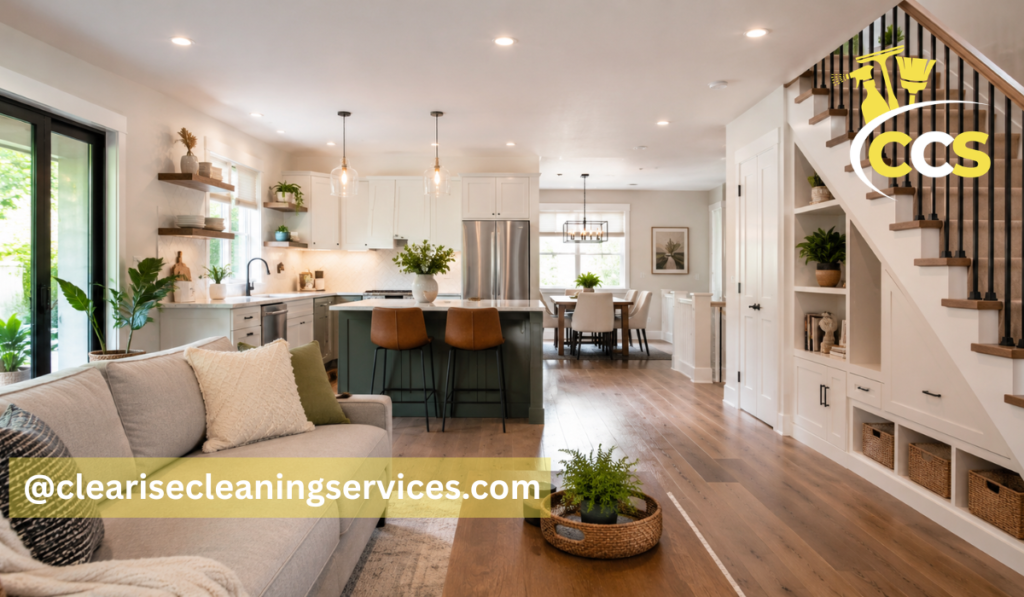
The best home renovation ideas do more than make a property look attractive. A thoughtful renovation can improve comfort, create useful storage, make rooms easier to use, lower energy costs, and support the long-term value of a home.
However, the right project will be different for every household. Your budget, available space, property condition, daily routine, and future plans should all shape your decisions. A family that needs more storage may benefit from built-in cabinets, while someone preparing to sell may focus on repairs, lighting, paint, and exterior appearance.
Some renovations are simple cosmetic improvements, such as repainting walls or changing cabinet handles. Others involve space-saving changes, interior and exterior upgrades, or major structural work. This guide covers affordable updates, modern designs, small-home solutions, room-by-room improvements, exterior projects, and renovation ideas for old homes. The goal is to help you choose practical changes without spending money on work that your home does not truly need.
Quick Guide to Home Renovation Ideas
| Renovation Type | Best For | Example Projects | Typical Budget Level |
| Cosmetic updates | Refreshing dated rooms | Painting, wallpaper, new handles, lighting | Low |
| Space-saving changes | Small or cluttered homes | Built-in storage, sliding doors, fitted seating | Low to medium |
| Room upgrades | Improving comfort and function | Kitchen cabinets, bathroom fixtures, flooring | Medium |
| Energy improvements | Lowering energy waste | Insulation, efficient lighting, smart thermostats | Medium to high |
| Structural renovations | Adding or changing space | Extensions, wall removal, attic conversions | High |
| Exterior improvements | Protection and curb appeal | Roofing, drainage, front doors, landscaping | Medium to high |
| Old-home restoration | Preserving character | Timber restoration, wiring upgrades, moisture repairs | Medium to high |
Simple Steps for Planning a Home Renovation
- Inspect the property: Identify damage, moisture, storage problems, poor layouts, and outdated systems.
- Set your main goal: Decide whether you need more space, better comfort, improved energy efficiency, or a modern appearance.
- Create a realistic budget: Include materials, labour, permits, waste removal, finishing work, and a contingency fund.
- Prioritise essential repairs: Complete structural, electrical, plumbing, roofing, and moisture-related work before cosmetic upgrades.
- Choose suitable projects: Select improvements that match the property’s size, condition, character, and everyday household needs.
- Hire qualified professionals: Use experienced and properly licensed contractors for structural, electrical, gas, plumbing, and specialist work.
- Complete work in order: Finish hidden systems and major repairs before installing flooring, cabinets, fixtures, and decorative finishes.
Start With a Clear Home Renovation Plan
Before buying materials or contacting a contractor, identify the main problems you want the renovation to solve. Walk through the property and note damaged surfaces, poor lighting, limited storage, uncomfortable layouts, moisture issues, and areas that no longer suit your lifestyle.
Separate essential repairs from optional design changes. A leaking roof, unsafe wiring, or damp wall should come before decorative flooring or new furniture. Next, list the rooms that need attention and decide what you want to achieve. Your goal may be more living space, better storage, improved comfort, a modern look, greater energy efficiency, or increased property value.
Set priorities according to your available budget and daily needs. You should also check whether the planned work requires permits, inspections, structural advice, or licensed professionals.
Home Renovation Ideas on a Budget
Many effective home renovation ideas on a budget focus on improving what is already there. Fresh paint can quickly change the mood of a room, while wallpaper or a simple feature panel can add interest without a full redesign. Painting interior doors, skirting boards, trims, and cabinets can also make worn areas feel new again.
Small fixture changes often make a surprising difference. Replacing old handles, knobs, faucets, light switches, and curtain rods can give a room a cleaner and more coordinated appearance. Existing timber floors may be sanded or refinished instead of removed, while selected peel-and-stick products can refresh a backsplash or other low-wear surface.
Mirrors, open shelving, updated window treatments, and repurposed furniture can improve a space at a manageable cost. Focus your spending on visible areas that affect how the room looks and functions every day.
Simple Home Renovation Ideas With a Noticeable Impact
Some simple home renovation ideas require little structural work but still create a clear improvement. Using a coordinated colour scheme across connected rooms can make the home feel larger and more settled. Consistent finishes on hardware, doors, and lighting also help different areas feel related.
Basic maintenance should not be overlooked. Replacing damaged grout, worn sealant, cracked vent covers, and dated electrical faceplates can make a room look better cared for. An entrance can become more useful with a bench, hooks, shoe storage, and brighter lighting.
Lighting is especially important. A room usually feels more comfortable when it combines general ceiling light with focused task lighting and softer accent lighting. Staircases can also be refreshed with paint, a new runner, improved lighting, or an updated handrail.
Small Home Renovation Ideas to Maximise Space
Good small home renovation ideas make each area work harder without making the property feel crowded. Floor-to-ceiling storage uses vertical space that is often wasted. Under-stair cupboards, built-in window seats, and storage below beds or benches can hold everyday items without taking over the room.
In suitable non-structural walls, shallow shelves may be installed between studs. Sliding or pocket doors can also save floor space where a standard swinging door blocks movement. In kitchens, extending cabinets towards the ceiling provides extra storage for items that are not used daily.
Multifunctional furniture is useful in compact homes. A dining bench with storage, a fold-away desk, or a sofa bed can support more than one activity. Mirrors, glass panels, and reflective finishes can improve brightness, but they should be used carefully. The main aim should be better movement, less clutter, and flexible zones that can change as household needs change.
Modern Home Renovation Ideas for a Clean, Functional Look
Modern design is not only about following trends. The most successful modern home renovation ideas create spaces that are simple, comfortable, and easy to maintain. Clear lines, practical layouts, and concealed storage can make rooms feel calm without making them cold or empty.
Natural timber, stone-like finishes, textured fabrics, and warm neutral colours can soften contemporary features. Durable flooring and easy-clean surfaces are usually more useful than materials chosen only for appearance.
Energy-efficient lighting, smart thermostats, security systems, and automated controls can improve convenience. Updating internal doors, railings, handles, and switches can also modernise a home without changing its full layout. The final design should support normal daily life rather than creating a showroom that is difficult to use.
House Renovation Ideas for Interior Spaces
Useful house renovation ideas for interior spaces begin with the way people move through the home. Furniture, doors, and room openings should support daily routines rather than create narrow or awkward routes. Better visual connections between kitchens, dining areas, and living rooms can improve flow even when walls remain in place.
Architectural details such as wall panelling, ceiling features, or simple moulding can add character. Insulation, sound-reducing materials, and improved windows may make rooms quieter and more comfortable.
Natural light can be improved through lighter finishes, suitable window treatments, internal glazing, or better room layouts. Hallways, landings, and unused corners can often provide valuable storage. Keeping flooring, colours, doors, and fittings visually consistent will help the whole interior feel planned.
Living Room Renovation Ideas
A living room should support relaxation, conversation, storage, and entertainment. Begin by adjusting the furniture layout so people can move comfortably and sit without blocking doors or windows. A fireplace, artwork, television unit, or built-in shelf can provide a practical focal point.
Built-in storage or furniture with hidden compartments can reduce clutter. Layered lighting will make the room more flexible during the day and evening. Updating flooring, paint, wall finishes, or the fireplace surround can change the overall appearance without rebuilding the space.
Where the living room connects to another area, similar colours or materials can create a smooth visual transition. Leave enough open floor space so the room remains comfortable and easy to maintain.
Kitchen Renovation Ideas for Better Storage and Workflow
A successful kitchen should support cooking, preparation, cleaning, and food storage without unnecessary movement. Before changing the layout, consider where each task happens and whether doors, appliances, or cabinets interrupt the workflow.
Deep drawers, pull-out organisers, tray dividers, and vertical storage can make cabinets easier to use. Worktops may be extended where space allows, while a shallow pantry or tall cabinet can provide useful food storage.
Kitchen islands and peninsulas should only be added when there is enough room to move around them comfortably. Good task lighting is essential above worktops, sinks, and cooking areas. Worn cabinet fronts, handles, worktops, or backsplashes can often be replaced without removing the entire kitchen.
Major layout changes may affect plumbing, wiring, ventilation, and gas lines, so professional guidance is often necessary.
Bathroom Renovation Ideas That Improve Comfort
Bathroom renovations should focus on moisture control, safety, storage, and ease of use. Bulky fixtures may be replaced with compact alternatives, while recessed shelves and mirrored cabinets can add storage without reducing floor space.
Ventilation is essential because trapped moisture can lead to mould and damaged finishes. Lighting should be bright enough around mirrors but comfortable throughout the rest of the room. Damaged grout, loose tiles, and old sealant should be repaired before decorative upgrades.
A walk-in shower can improve space and accessibility when it suits the household. Slip-resistant flooring and water-resistant surfaces are sensible choices. Storage should keep towels, toiletries, and cleaning products organised while protecting them from direct water exposure.
Bedroom Renovation Ideas for Storage and Relaxation
Bedroom improvements should support rest while keeping clothes and personal items organised. Fitted wardrobes can use awkward corners and full wall height more effectively than freestanding units. Storage beneath the bed or above doors is useful when floor space is limited.
Bedside lighting, wardrobe lighting, and a well-placed main fixture can make the room more practical. Better insulation, thicker curtains, soft flooring, or sound-reducing materials may improve comfort where noise or temperature is a problem.
Choose a calm colour palette and avoid filling the room with unnecessary furniture. A compact desk or reading corner may be included when space permits, but wardrobes, windows, and doorways should remain easy to access.
Attic, Basement, and Garage Conversion Ideas
Unused areas can sometimes become valuable living space, but they need careful assessment. Before converting an attic, basement, or garage, check the structure, ceiling height, access, insulation, moisture levels, and ventilation.
Depending on the property, the space may become a guest room, office, playroom, gym, media room, or organised storage area. Heating, cooling, lighting, electrical supply, and internet access should be included in the plan.
Basements must be protected from leaks and dampness before walls and floors are finished. Attics may require stronger flooring, better stairs, roof insulation, and safe emergency exits. Garage conversions may affect parking and exterior appearance. Always check local permission and safety requirements before starting.
House Renovation Ideas for Exterior Areas
Exterior work protects the home as well as improving its appearance. Start by repairing damaged roofing, gutters, brickwork, siding, render, and drainage. Problems outside can quickly cause expensive damage inside if water reaches the walls or foundation.
Repainting or replacing the front door can refresh the entrance. Exterior lighting improves both safety and appearance, especially around pathways, steps, gates, and parking areas. Fencing and boundary features should be secure and consistent with the style of the house.
Landscaping should frame the building rather than hide windows or block access. Practical outdoor storage can keep tools and equipment protected. Where windows are damaged or inefficient, replacement may improve comfort, but the design should remain suitable for the property.
Renovation Ideas for Old Homes
The best renovation ideas for old homes protect their character while addressing age-related problems. Begin with a professional inspection of the roof, foundation, drainage, wiring, plumbing, insulation, windows, and heating system.
Moisture and structural problems should be fixed before painting or decorating. Original floors, doors, fireplaces, mouldings, and timber details may be restored when they remain safe and useful. Kitchens and bathrooms can still be modernised, but finishes should respect the scale and style of the building.
Energy efficiency may be improved through suitable insulation, draught reduction, and heating upgrades. Old properties may also hide damaged pipes, unsafe wiring, rot, or earlier poor repairs, so a larger contingency fund is sensible. Heritage or conservation rules should be checked before changing protected features.
Energy-Efficient Home Renovation Ideas
Energy-efficient home renovation ideas can improve comfort while reducing waste. Insulating roofs, walls, and floors is often a practical starting point. Gaps around windows, doors, pipes, and loft openings should also be sealed where appropriate.
Old glazing may be upgraded when it performs poorly, although repair or secondary glazing may suit some older homes better. Efficient heating and cooling systems, smart thermostats, and separate temperature zones can prevent energy from being used in empty rooms.
LED lighting, natural shading, controlled ventilation, and water-saving fixtures can also reduce household use. Renewable energy systems may be worth considering after basic energy losses have been addressed. Choices should reflect the local climate, property type, installation cost, maintenance needs, and likely savings.
Storage-Focused Renovation Ideas for a More Organised Home
Well-designed storage should reflect what the household owns rather than simply adding more cupboards. Alcoves, recessed spaces, awkward corners, utility rooms, and garage walls can often hold fitted shelves or cabinets.
Full-height kitchen storage can keep rarely used items above everyday supplies. Bedrooms may benefit from fitted wardrobes built around sloping ceilings or difficult layouts. Benches with concealed storage are useful in entrances, dining areas, and bedrooms.
Cleaning equipment should have a dedicated location with enough height for mops, vacuums, and ironing boards. Frequently used items should remain easy to reach, while seasonal belongings can be stored higher or deeper. Good storage reduces clutter without taking useful space away from daily activities.
Home Renovation Ideas Pictures and Visual Planning
Searching for home renovation ideas pictures can help you understand colours, layouts, finishes, and storage options. Create a separate inspiration board for each room so unrelated ideas do not become mixed together.
Choose examples from homes with a similar size and layout. A large open kitchen may look attractive online but may not suit a narrow or compact property. Study how each design manages lighting, movement, storage, and furniture rather than focusing only on decorative details.
Before-and-after images are useful because they show what changed and what remained. Label saved pictures by essential features, optional details, materials, colours, and budget level. Inspiration should guide your choices, but every design must be adjusted to the structure and needs of your own home.
Renovation Ideas Based on Different Budget Levels
A low-budget renovation may include paint, basic repairs, new hardware, improved lighting, and simple storage. These projects are useful when the main structure and systems are already in good condition.
Mid-range work may involve new flooring, cabinet upgrades, bathroom improvements, fitted storage, and replacement windows or doors. These changes often require more planning and skilled labour.
Higher-budget projects may include kitchen reconfiguration, extensions, structural wall changes, loft conversions, basement work, or full plumbing and electrical upgrades. Whatever the budget, keep a contingency amount for hidden damage, delivery changes, extra labour, or material price increases. Spending the full budget before work begins can leave essential parts unfinished.
Renovation Projects That May Add Practical Value
Renovations tend to provide stronger practical value when they solve genuine problems. Repairing moisture damage, improving unsafe systems, adding storage, and increasing energy efficiency can benefit both current residents and future buyers.
Kitchens and bathrooms often matter because they are used every day, but expensive personal designs may not recover their full cost. Better natural light, comfortable room flow, an additional usable room, and an improved entrance can also make a property more appealing.
The work should remain suitable for the home and surrounding market. A renovation that is much more expensive or unusual than nearby properties may not deliver the expected financial return.
Common Home Renovation Mistakes to Avoid
A common mistake is starting without a defined scope, realistic budget, or order of work. Decorative changes should not come before structural repairs, ventilation, drainage, or moisture control.
Avoid changing layouts without considering how doors, furniture, and people will move through the room. Do not buy materials before confirming accurate measurements, product availability, installation needs, and delivery times.
Trend-led choices may quickly feel dated if they do not suit the property. Removing storage simply to make a room look open can also create long-term frustration. Electrical, gas, plumbing, and structural jobs should be handled by qualified professionals where required. Keep written records of quotations, contracts, product details, changes, warranties, and payments.
Choosing Between DIY Work and Professional Help
Painting, basic decorating, simple shelving, and replacing some non-specialist fittings may suit homeowners with the correct skills and tools. However, confidence should not be confused with experience.
Structural changes, electrical work, gas systems, major plumbing, waterproofing, roofing, and complex installations usually require trained professionals. An architect or designer may help with layouts and permissions, while an engineer may be needed for structural work.
Compare quotations carefully and make sure each one covers the same materials, labour, preparation, waste removal, and finishing work. Ask about insurance, qualifications, references, timelines, warranties, and how unexpected changes will be handled. The cheapest quotation may leave out important work that later becomes expensive.
A Practical Order for Completing Home Renovations
Home renovations usually run more smoothly when work follows a sensible order:
- Inspect the property and identify urgent repairs.
- Finalise the design, budget, and full scope.
- Obtain required plans, approvals, and permits.
- Complete structural work and protect the building from weather.
- Update plumbing, wiring, heating, cooling, and ventilation.
- Install insulation and close walls or ceilings.
- Complete flooring, wall finishes, and fixed cabinetry.
- Fit doors, fixtures, trims, and hardware.
- Finish painting, decorating, and final adjustments.
- Inspect the work and store all warranties and records.
This order may change according to the property, but essential hidden work should generally be completed before decorative finishes.
Final Home Renovation Checklist
Before approving a project, ask whether it solves a real household need and whether the total cost is affordable. Confirm that the budget includes a contingency and that the chosen materials suit the room, climate, and expected level of use.
Check whether the design improves movement, storage, safety, and comfort. Consider maintenance requirements and whether the renovation respects the existing character of the home. Required permissions and building rules should be confirmed before work begins.
Make sure qualified professionals are involved where necessary and that the result will remain practical beyond a short-lived trend. A useful renovation should continue supporting the household for years, not only look impressive on completion day.
Conclusion
Effective home renovation ideas improve the way a property works as well as the way it looks. The strongest results usually come from understanding the home’s condition, setting a clear budget, and choosing projects that support real daily needs.
Essential repairs, moisture control, safety, storage, comfort, and energy efficiency should normally come before decorative extras. Small updates can make a meaningful difference, while larger renovations require careful planning, professional input, and realistic expectations.
A thoughtful renovation does not need to copy every new trend. By respecting the property, controlling costs, and focusing on long-term usefulness, homeowners can create rooms that feel smarter, more spacious, and more comfortable without making unnecessary changes.
Frequently Asked Questions
What Are The Best Home Renovation Ideas On A Budget?
Painting, updating lighting, replacing cabinet handles, adding shelves, repairing grout, and refinishing existing floors are affordable improvements that can refresh a home without requiring major structural work.
Which Home Renovations Add The Most Practical Value?
Repairs, improved storage, energy-efficient upgrades, functional kitchens, comfortable bathrooms, better natural light, and additional usable rooms often provide more practical value than expensive or highly personalised design changes.
How Should I Renovate A Small Home?
Use vertical storage, built-in furniture, sliding doors, light colours, mirrors, and multifunctional spaces. Avoid oversized furniture and unnecessary partitions that reduce movement or make compact rooms feel crowded.
Should I Renovate One Room At A Time?
Renovating one room at a time can make costs easier to control. However, connected plumbing, electrical, flooring, or structural work may be more efficient when planned and completed together.
How Much Extra Money Should I Keep For Unexpected Renovation Costs?
A contingency fund of approximately 10% to 20% of the planned budget can help cover hidden damage, material changes, extra labour, delays, and other unexpected renovation expenses.
Disclaimer: The information in this article is provided for general educational purposes only. Renovation costs, permits, safety rules, and building requirements may vary by property and location. Consult qualified contractors, engineers, designers, or local authorities before beginning structural, electrical, plumbing, gas, roofing, or other specialist work.
Thanks for visiting Clearise Cleaning Services! Discover more helpful tips and expert cleaning insights by exploring our related categories.