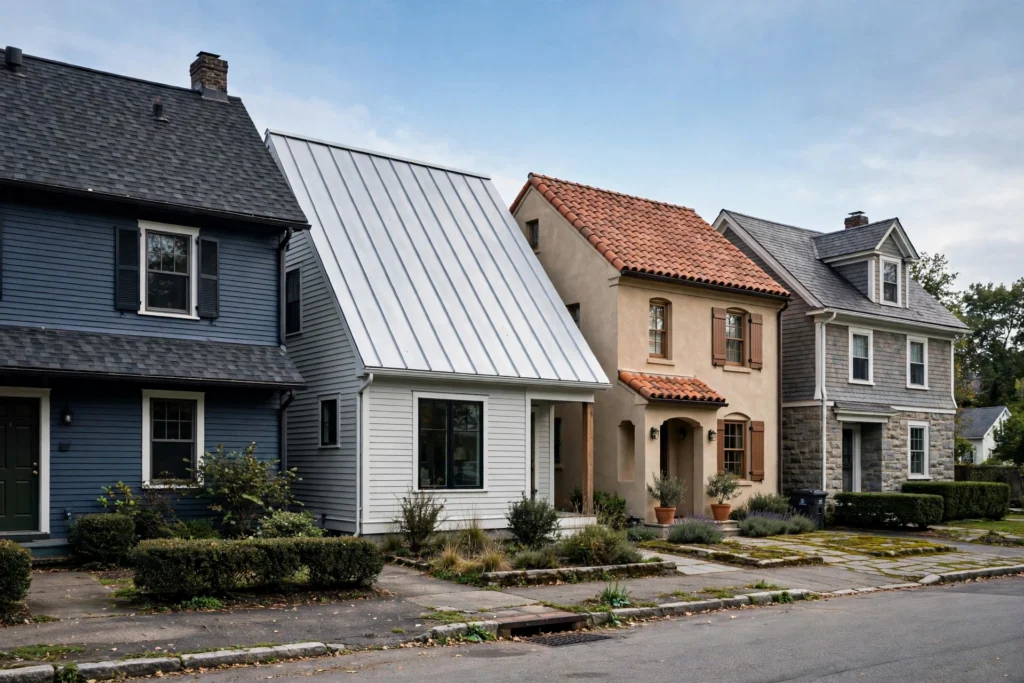
Maintaining roofing properly means caring for the material your roof is actually made of, because asphalt shingles, metal, tile, slate and flat-roof membranes age, fail and need cleaning in different ways. A routine that suits one material can damage another, so the first step is always to know what is over your head.
This guide is organised by material rather than by season. It explains what each common roofing material needs, what damages it most, how it should be cleaned, and where homeowners commonly go wrong. It also covers the shared parts — gutters, flashing and drainage — and explains how their care changes with the roof they serve. The aim is simple: help you look after your own roof safely from the ground, and know when a professional should take over.
First, Identify Your Roofing Material
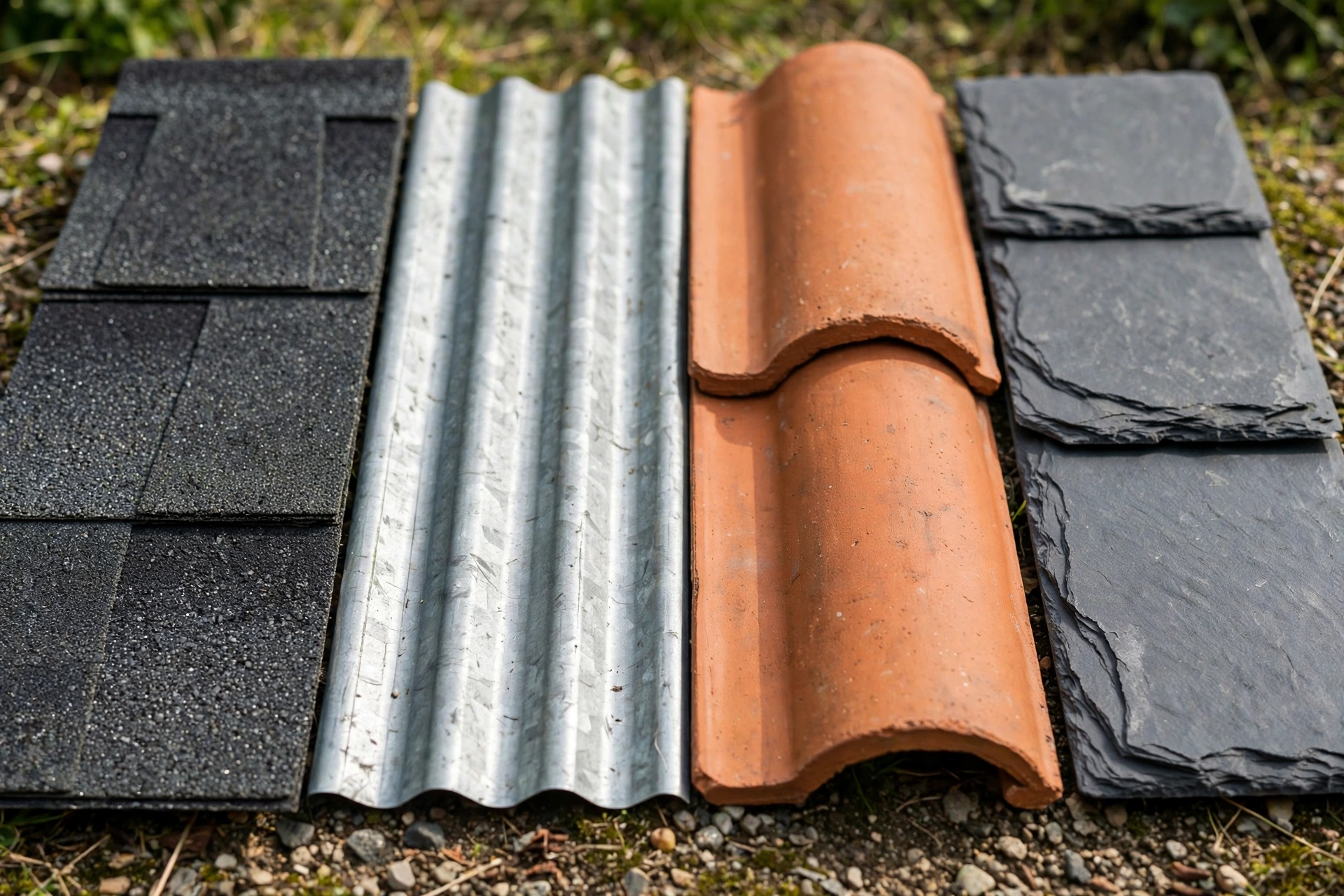
Identifying your roofing material is straightforward once you know what to look for: asphalt shingles are thin, overlapping, grainy rectangles; metal roofs show long panels or seams; tile roofs show curved or flat fired-clay or concrete pieces; slate shows thin, natural stone slabs; and flat roofs show a smooth membrane with drains.
If you are unsure, look at a spare piece in the garage, check the home’s building documents, or ask the previous owner or a roofer. Do not walk on the roof to check. A ground-level look with binoculars, plus a look at the roof edge from a safe ladder position, is usually enough to tell the main material. Getting this right matters, because every piece of advice that follows depends on it.
Asphalt Shingle Roofing: What It Needs
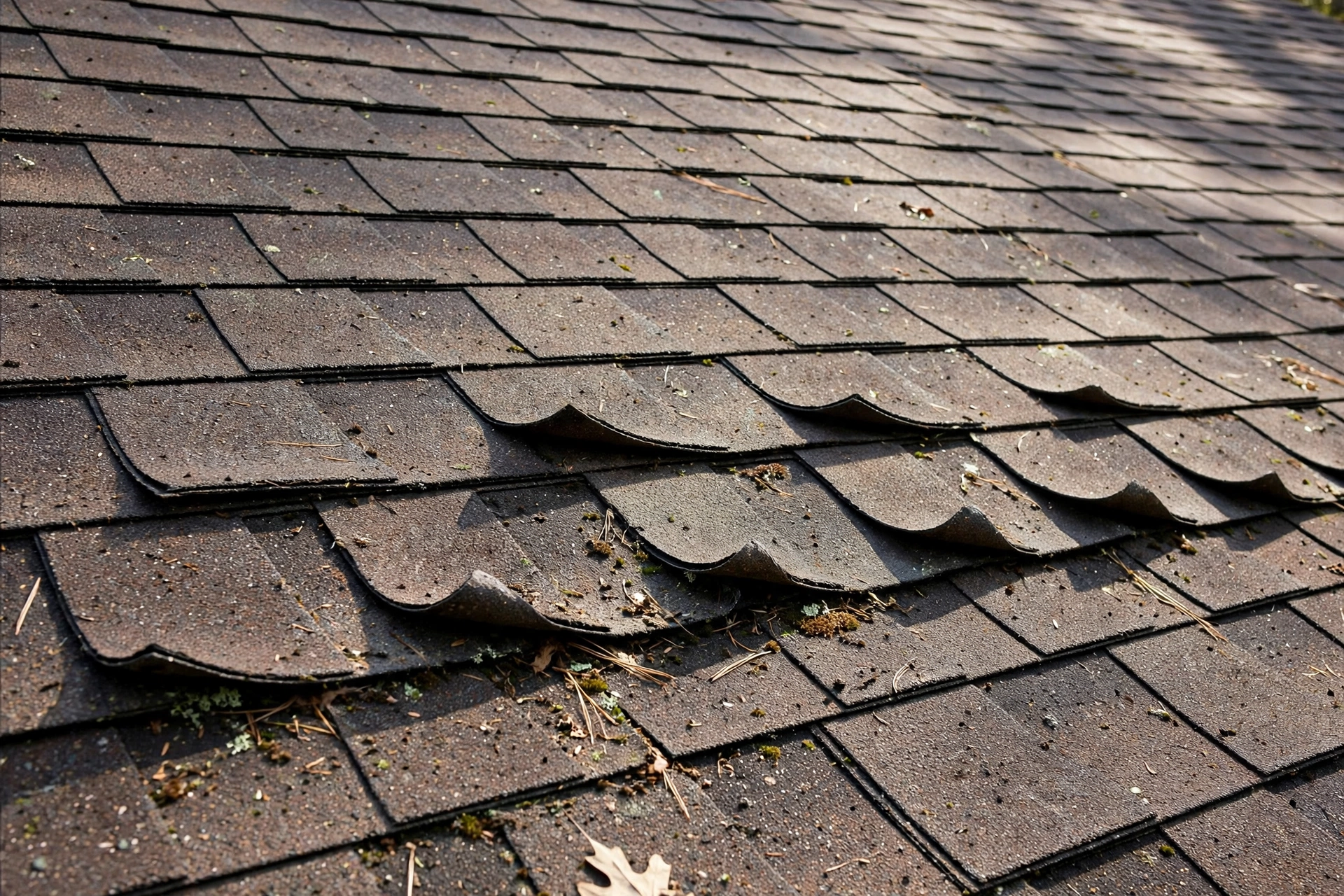
Asphalt shingle roofing needs gentle care focused on keeping shingles flat, sealed and free of trapped debris, because its main weaknesses are lifted edges, lost granules and moisture getting under damaged shingles. Most of its care is inspection and clearing, not scrubbing or coating.
From the ground, look for shingles that are curled, cracked, lifted or missing, and for dark patches where granules have worn away. Keep valleys and gutters clear so water runs off instead of sitting under shingle edges, and trim back branches that scrape the surface in wind. Never pressure-wash asphalt shingles: the force strips granules and shortens the roof’s life. Replacing a few damaged shingles promptly is normal upkeep; leaving them is how small leaks start.
Metal Roofing: What It Needs
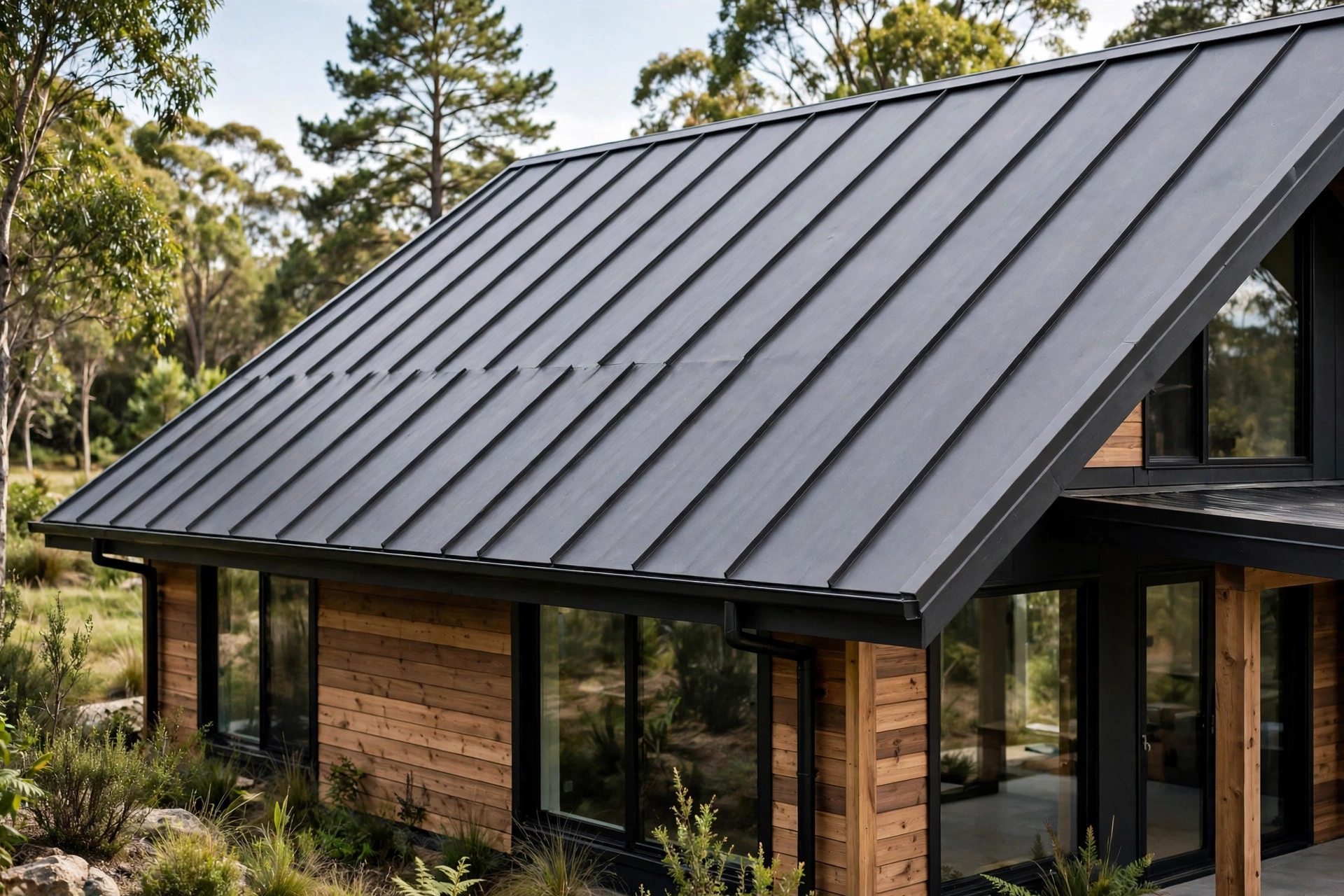
Metal roofing needs care focused on its seams, fasteners and coatings, because it rarely wears out evenly — instead, problems start at joints, screws and scratches where water or rust can take hold. Keeping those details sealed and clean is the core of metal roof care.
Check for loose or raised fasteners, open seams, and scratches or chips in the coating, especially after storms. Clear debris from valleys and behind ribs, where trapped leaves hold moisture against the metal. Wash off salt, dust and bird droppings with plain water and a soft cloth where you can reach safely, and never use abrasive pads or harsh chemicals that strip the coating. A small scratch touched up with the manufacturer’s recommended coating is cheap care; an ignored one can become a rust spot.
Tile and Slate Roofing: What They Need
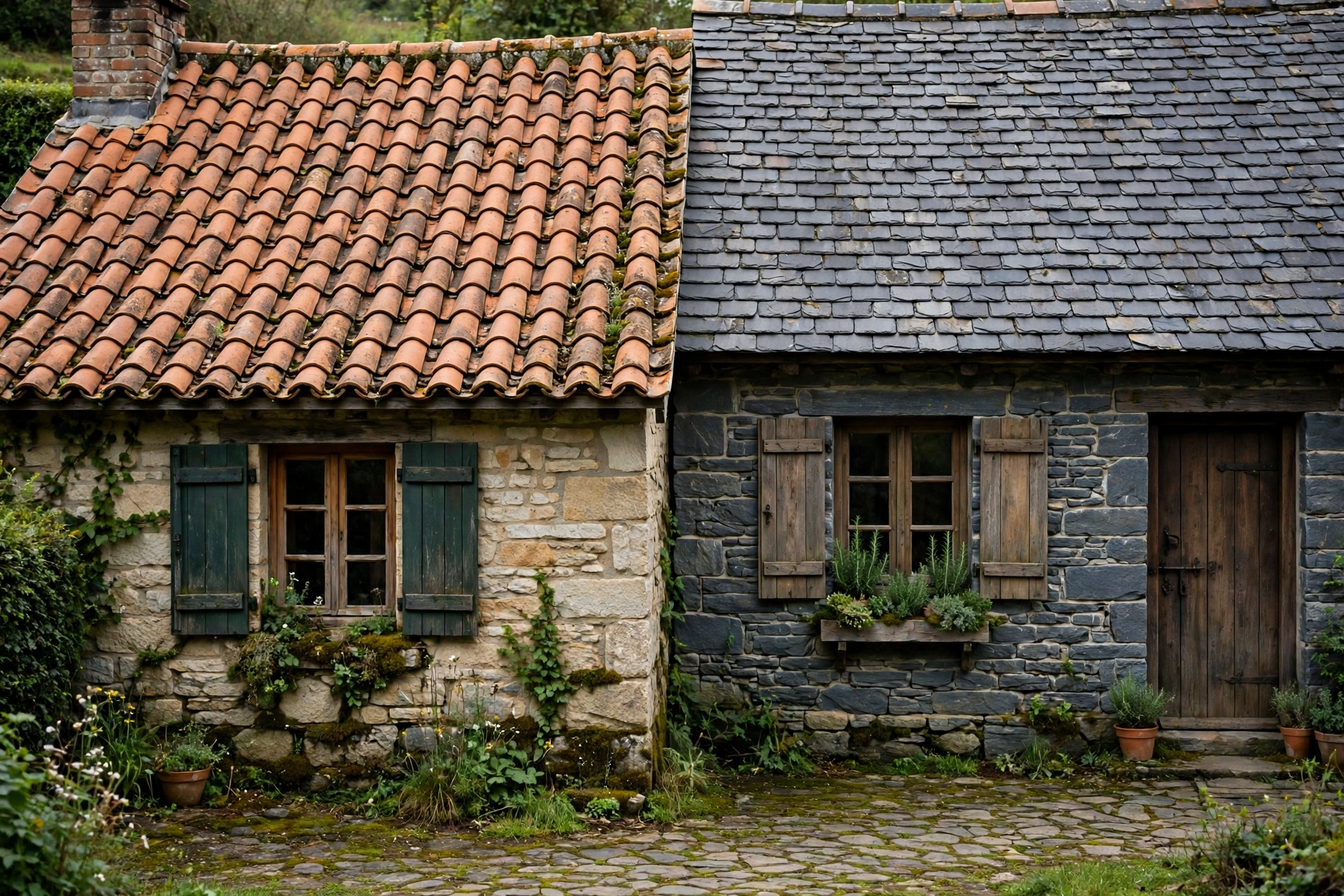
Tile and slate roofing need care that protects individual pieces, because both materials are hard and long-lasting but brittle underfoot, so cracked, slipped or broken pieces — not general wear — are the usual problem. The rule for both is simple: inspect often, walk on them as little as possible.
Look from the ground for slipped, cracked or missing tiles or slates, and for debris caught in the channels between tiles. Clay and concrete tiles can crack if stepped on, and natural slate splits easily under weight, so any work on these roofs should be left to roofers who know how to spread their weight. Replace broken pieces promptly, because one gap lets water reach the underlayment below, and that hidden layer — not the tile itself — is what actually keeps the house dry.
Flat and Low-Slope Roofing: What It Needs
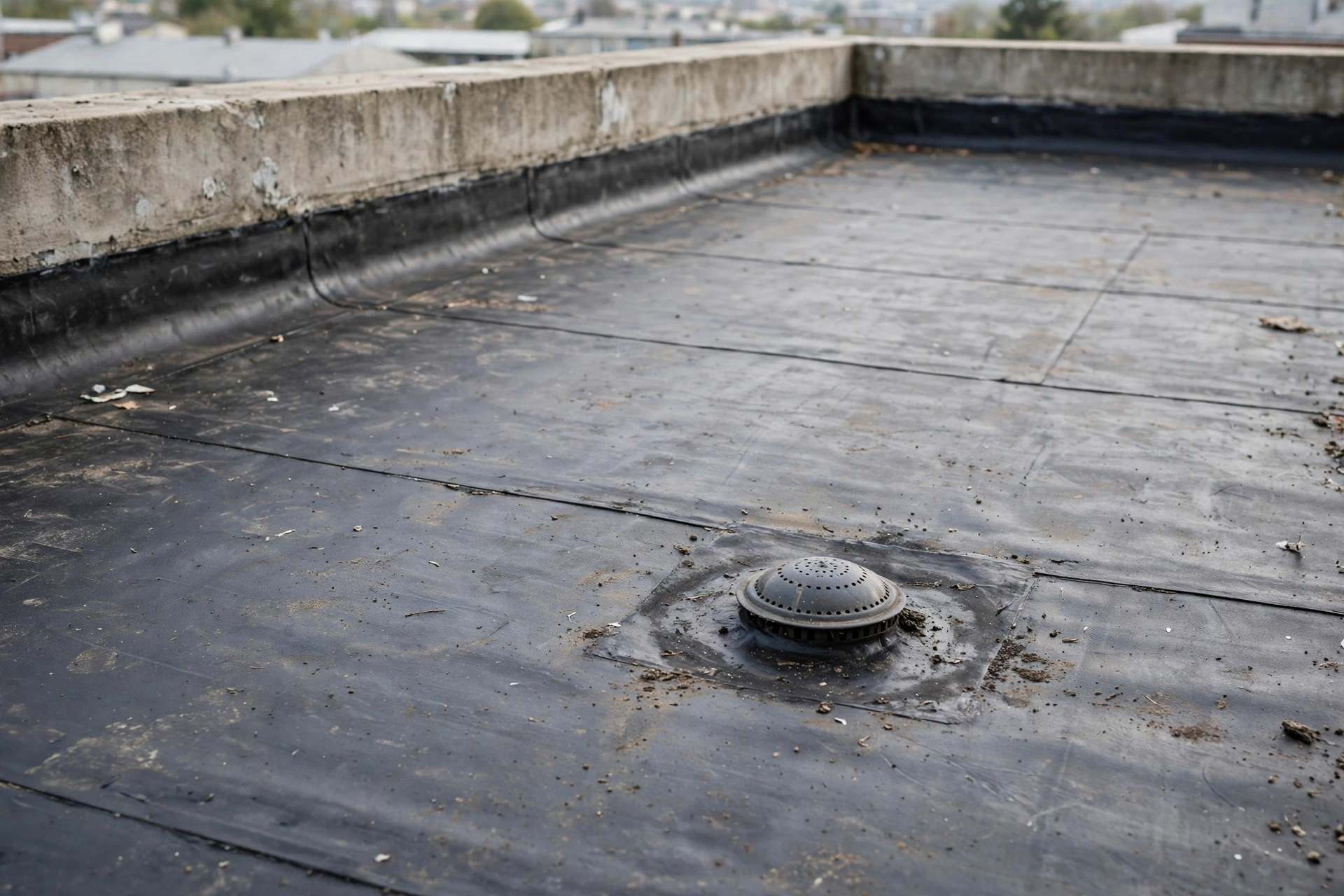
Flat and low-slope roofing needs care focused on drainage, because these roofs do not shed water by slope alone, so standing water, blocked drains and ponding are their main enemies. If water cannot leave, it finds seams, and seams are where flat roofs leak.
Check that drains, scuppers and gutters are clear, and look for areas where water stands well after rain has stopped elsewhere. Clear leaves and silt gently, without dragging sharp tools across the membrane, and look for blisters, cracks or lifted seams at edges and around vents and pipes. Never use a pressure washer on a membrane roof, and never pile heavy items on it. On flat roofs, drainage care is not a side job — it is the maintenance.
Gutters, Flashing and Drainage, by Material
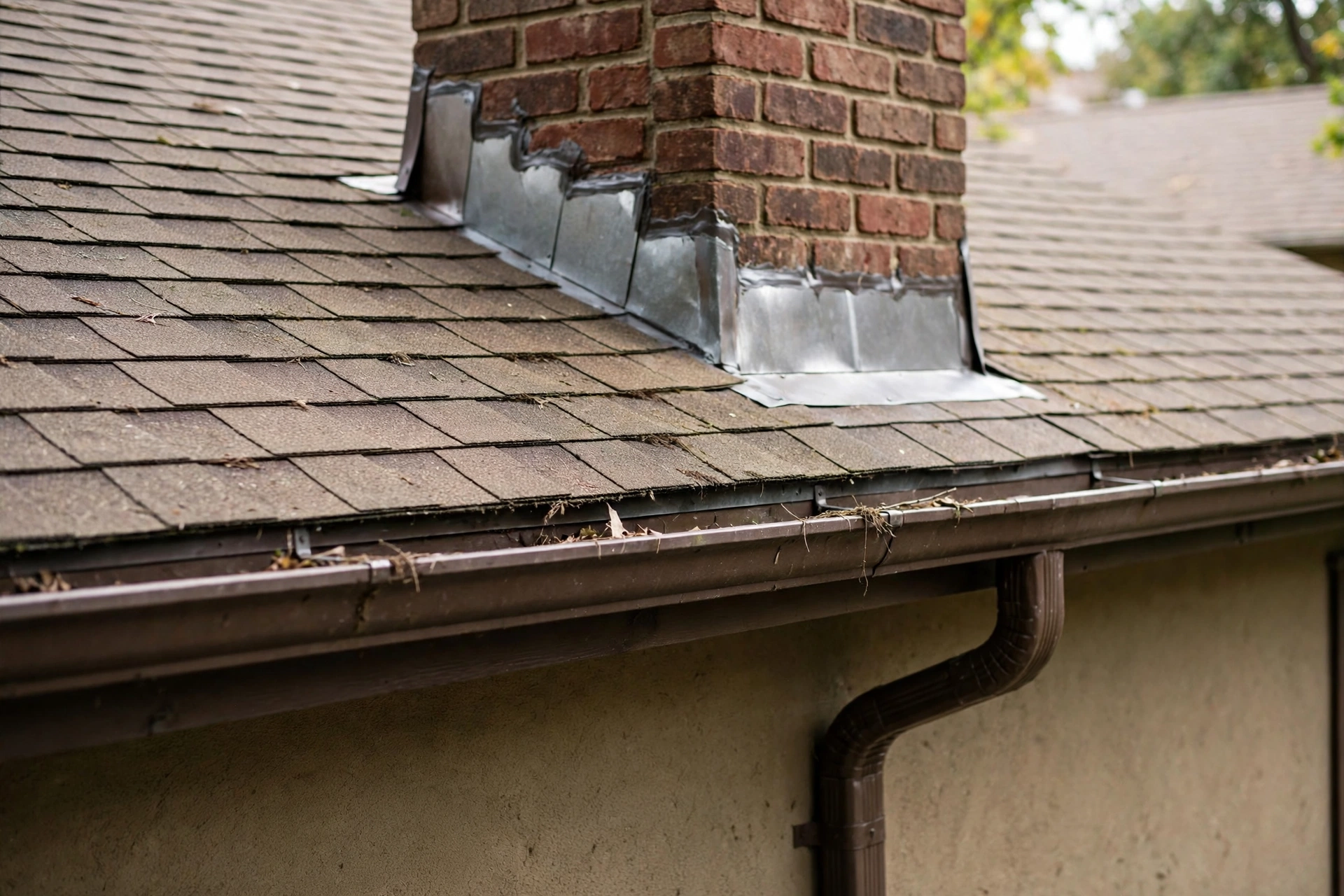
Gutters, flashing and drainage need material-aware care, because the same blocked gutter harms different roofs in different ways: it soaks shingle edges, rusts metal seams, overloads tile channels, and ponds a flat roof. Clean gutters help every roof, but the stakes differ.
On shingle roofs, a blocked gutter backs water up under the lowest shingle course. On metal roofs, standing water in a valley or gutter speeds corrosion at seams and fasteners. On tile and slate roofs, debris in the channels between pieces traps moisture against the underlayment. On flat roofs, a blocked drain is the fastest route to a leak. Flashing — the metal strips around chimneys, walls and vents — deserves the same attention on every material: look for gaps, lifted edges or rust, and leave resealing or replacement to a professional.
What Damages Each Material Most
Each roofing material has a different main enemy, so the most useful maintenance habit is watching for your material’s particular weakness rather than treating every roof the same. The table below sums up those differences clearly in one place for quick comparison.
| Roofing material | Main enemy | What to watch for | Cleaning rule |
|---|---|---|---|
| Asphalt shingles | Lifted edges, granule loss, trapped moisture | Curled, cracked or missing shingles; dark worn patches | Gentle clearing only; never pressure-wash |
| Metal roofing | Rust at seams, fasteners and scratches | Loose screws, open seams, coating chips | Soft wash; protect the coating |
| Tile and slate | Cracked or slipped pieces | Broken, slipped or missing pieces; debris in channels | Clear debris gently; do not walk on it |
| Flat / low-slope membrane | Standing water and blocked drains | Ponding, silt, blisters, lifted seams | Clear drains; never drag sharp tools |
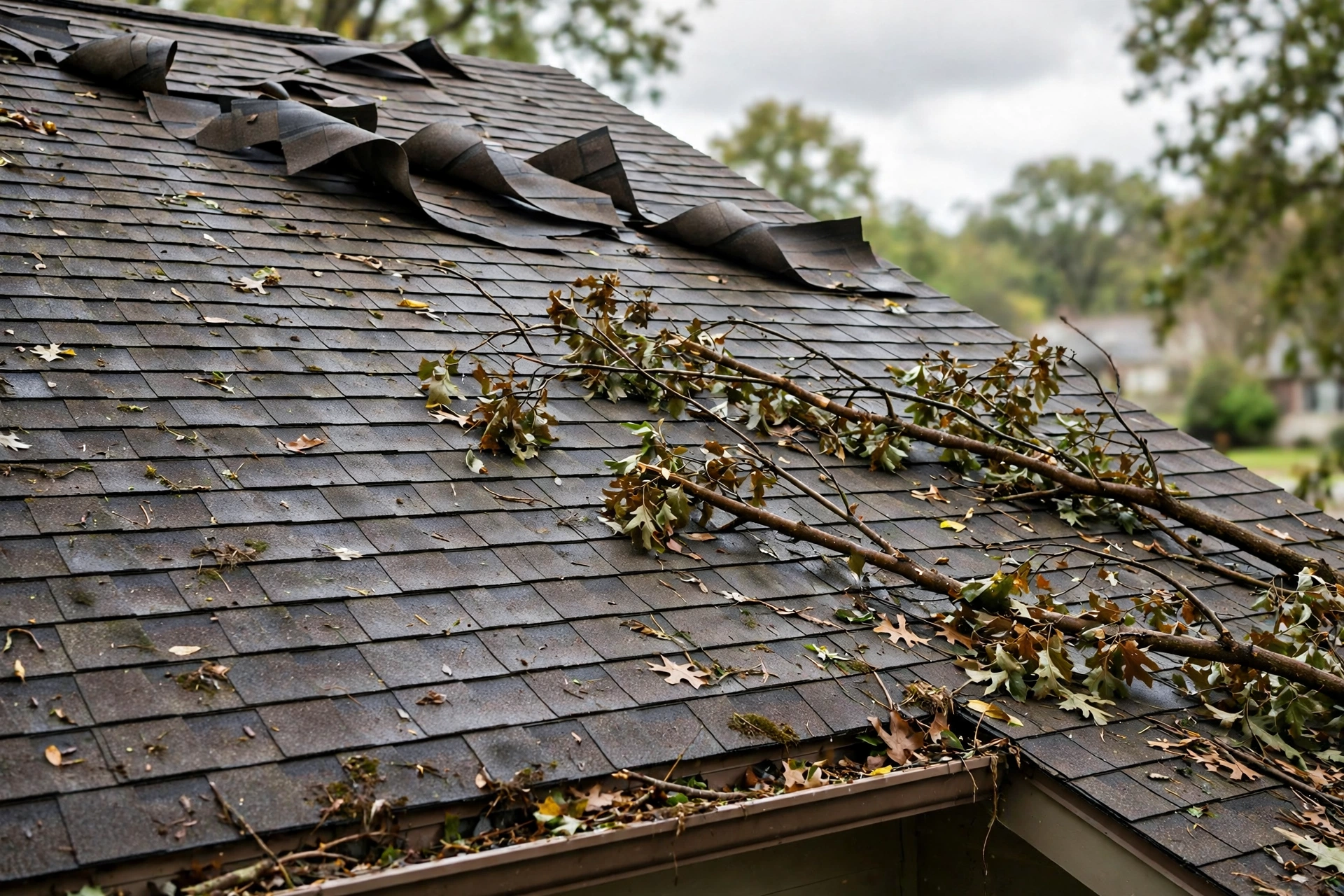
Heat, wind and falling branches affect every roof, but they do their damage through the material’s own weakness: wind lifts shingles, loosens metal fasteners and dislodges tiles, while heat ages membranes and dries out sealants. After a storm, a ground-level check for your material’s warning signs is worth more than a generic once-over.
Cleaning Rules That Change by Material
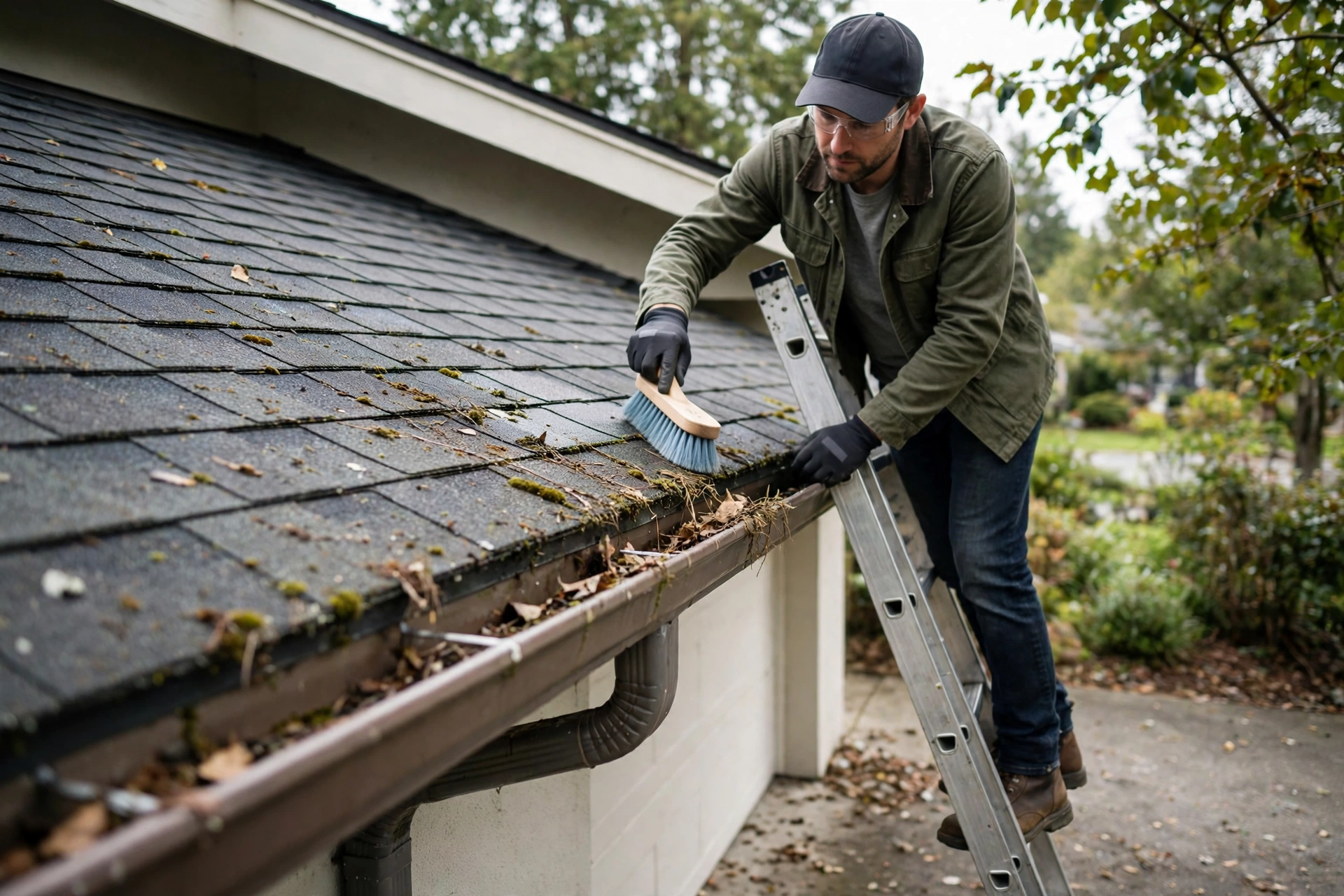
Cleaning rules change by roofing material, because the method that is safe for one surface can ruin another: metal tolerates a soft wash, shingles and membranes do not tolerate pressure washing, and tile and slate must not be walked on for cleaning. When in doubt, clear debris and leave washing alone.
For asphalt shingles, remove leaves and branches by hand or with a soft brush from a ladder, and never use a pressure washer or a stiff wire brush. For metal, a soft wash with water and a mild, manufacturer-approved cleaner is usually safe, applied gently and rinsed well. For tile and slate, clear channels and valleys from a ladder or from the ground where possible, and do not climb onto the roof to scrub it. For flat membranes, sweep silt and leaves gently and keep drains clear. Moss and algae treatments also differ by material, so use only products labelled safe for your roof type, and never mix chemicals.
Climate Notes: Coast, Snow and Heat
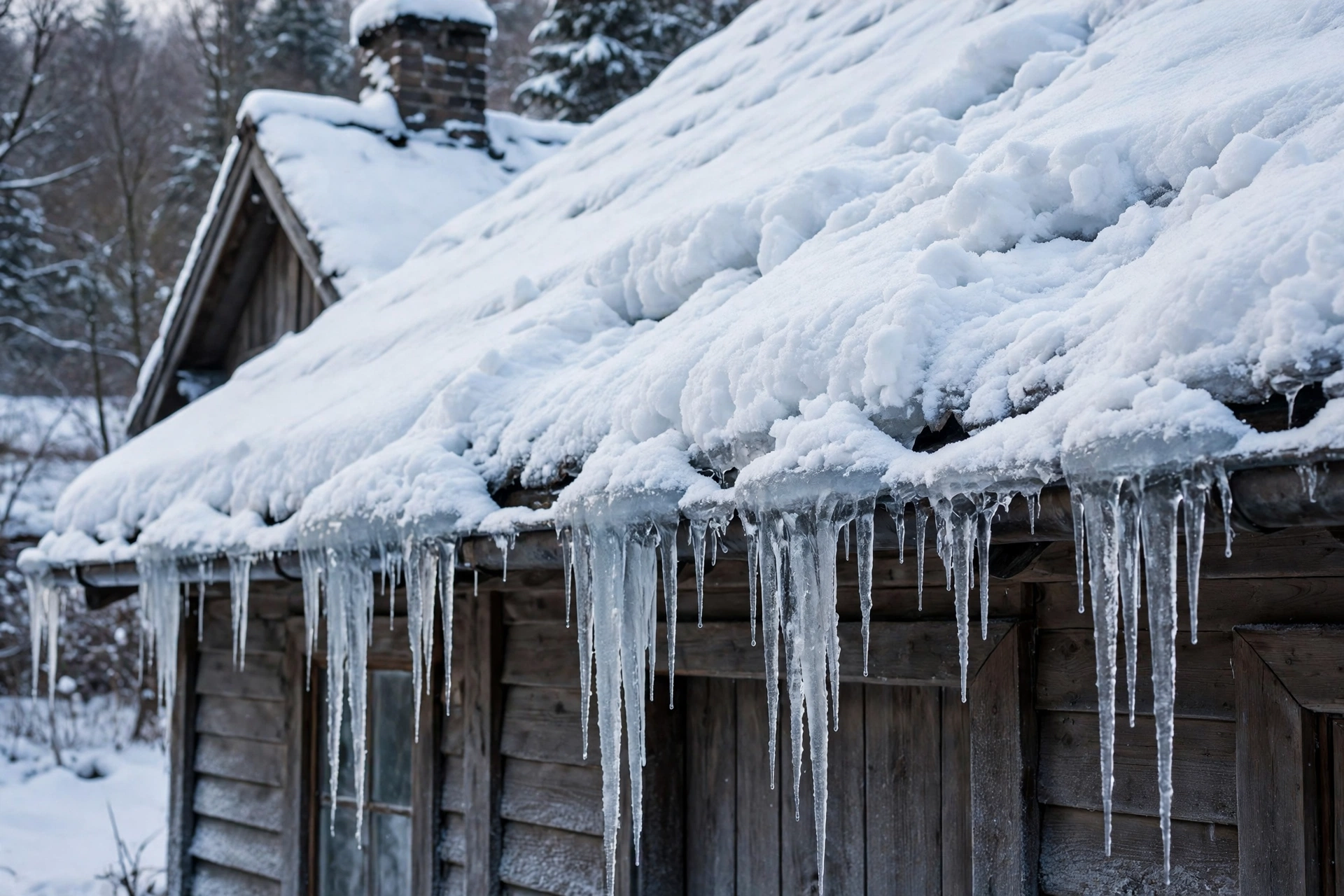
Climate changes roofing care, because salt air, snow load and heat stress each attack a different weakness: salt speeds metal corrosion, snow and ice exploit shingle and tile gaps, and heat ages membranes and sealants. Your local climate decides which checks matter most.
Near the coast, metal roofs need more frequent checks for coating damage and rust at fasteners, and all roofs benefit from rinsing off salt deposits where it can be done safely. In snowy regions, watch for ice dams at eaves on shingle and tile roofs, and clear heavy snow only as a professional advises — pulling at ice can tear shingles and flashings. In hot, sunny regions, flat membranes and sealants age faster, so check seams and flashing more often, and note that dark roofs run hotter, which can shorten the life of some materials. Climate does not change the material rules, but it does change how often you apply them.
A Material-by-Material Care Routine

A material-by-material care routine keeps roofing care simple: identify the material, check its weak points from the ground, clear its drainage, and note anything that needs a professional, repeating the same short routine at sensible intervals. It is a routine, not a one-off rescue.
A practical routine looks like this:
- Identify your roofing material and write it down, so future checks follow the right rules.
- Twice a year, inspect from the ground for your material’s warning signs — lifted shingles, loose fasteners, slipped tiles, or ponding.
- Clear gutters, valleys, channels and drains each time, and trim branches that touch the roof.
- After storms, repeat the ground-level check, looking for new damage or debris.
- Keep a simple note of what you found and when, so changes over time are easy to spot.
- Book a professional inspection when you see damage you cannot safely reach or identify.
This routine works for every material in this guide, because the steps stay the same while the things you look for change with the roof.
Common Mistakes, by Material
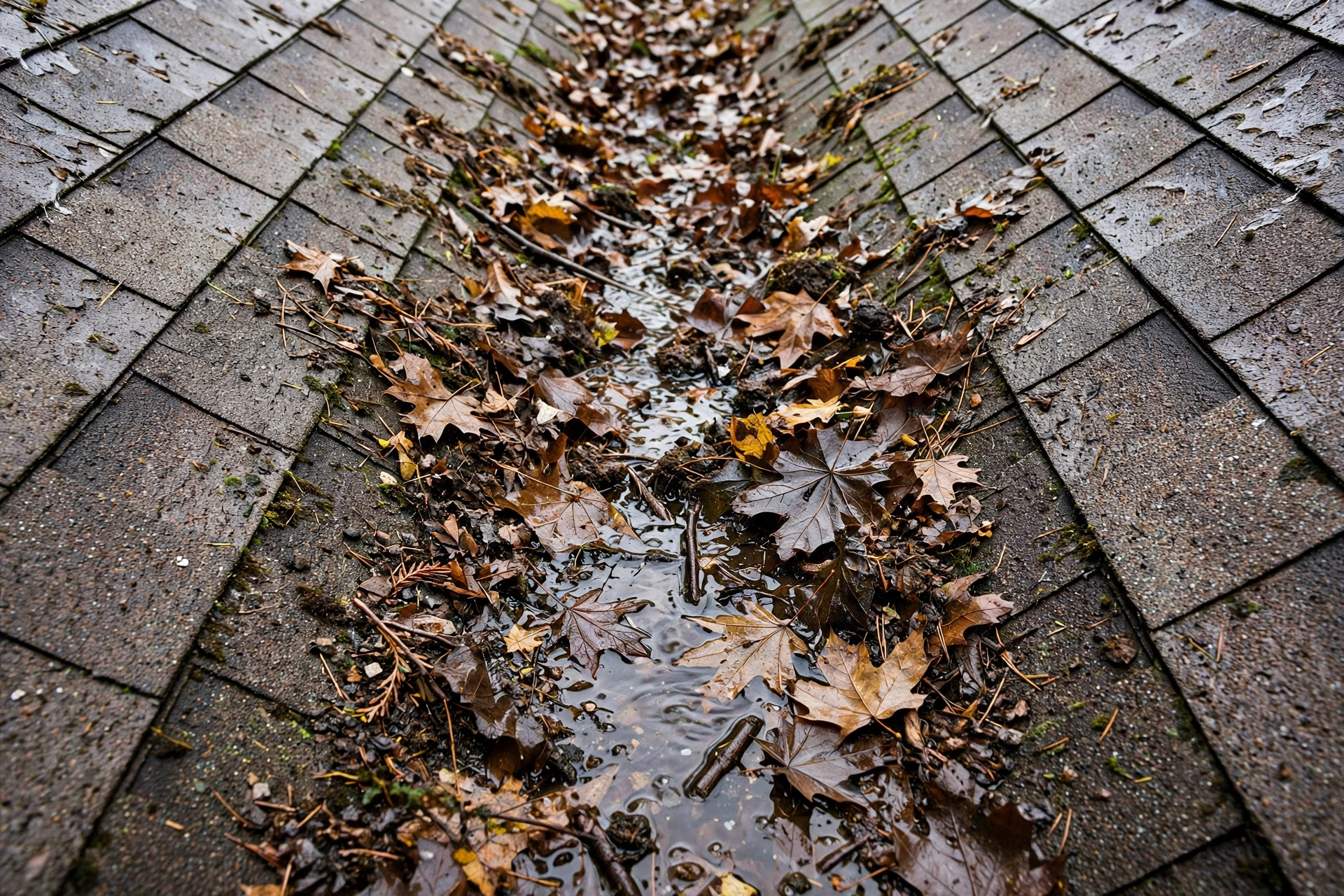
Common roofing mistakes are usually material mistakes: pressure-washing shingles, walking on tile or slate, ignoring a scratched metal coating, or letting a flat roof’s drain block. Each of these feels like helpful maintenance, but each one damages the material it was meant to protect.
Pressure washing is the most damaging common mistake for asphalt shingles and flat membranes, stripping granules from one and stressing seams on the other. Walking on tile or slate to clean or inspect it is another, since a single footstep can crack pieces that then leak silently. On metal roofs, the common mistake is leaving a scratched coating or a loose fastener alone until rust spreads. On flat roofs, it is forgetting the drain: a roof can look fine from the street while water ponds out of sight. In every case, the mistake is treating the roof as one generic surface instead of a particular material.
When to Call a Professional Roofer
Call a professional roofer when damage is out of safe reach, when the roof must be walked on, or when water is already getting in, because those are the jobs where a wrong step costs more than the call-out. Homeowner care is mostly inspection and clearing, not repair at height.
Book a professional for slipped or broken tiles and slates, for resealing or replacing flashing, for any work on a steep or high roof, and for flat-roof seam or membrane repairs. Also call one if you see water stains on ceilings, sagging, or daylight through the roof boards, or if a storm has torn off sections of roofing. A professional inspection is also sensible when buying a home or after a major storm, even if nothing looks wrong from the ground. Knowing this boundary is part of good maintenance, not a failure of it.
Conclusion
Maintaining roofing well comes down to one idea: care for the material you actually have. Asphalt shingles need gentle handling and prompt replacement of damaged pieces, metal needs its seams, fasteners and coating protected, tile and slate need broken pieces replaced without being walked on, and flat roofs need their drainage kept clear above all else.
Keep gutters and flashing in good order whatever the material, watch for your roof’s particular enemy, and leave height, walking and repair work to a professional. Done that way, roofing care is a short, regular routine rather than a crisis — and it gives every material the best chance of lasting as it should.
Frequently Asked Questions
How often should roofing be checked by material?
Most roofs benefit from a ground-level check twice a year and after major storms. Flat roofs may need drain checks more often, especially in autumn when leaves fall.
Can I pressure-wash my roof?
No, pressure washing is unsafe for asphalt shingles and flat membranes, and it can damage tile and slate. Clear debris gently instead, and wash metal only with a soft, approved method.
Is it safe to walk on a tile or slate roof?
No, tile and slate crack or split easily underfoot, even for careful walkers. Leave any work that needs roof access to a roofer who knows how to move on these materials.
What is the most important care for a flat roof?
Keeping drains, scuppers and gutters clear matters most, because standing water is a flat roof’s main enemy. Check for ponding after rain and clear silt gently.
When should I call a roofer instead of doing it myself?
Call a roofer for damage at height, broken tiles or slates, flashing work, membrane repairs, or any sign of water inside. Homeowner care is inspection and clearing, not repair at height.
Disclaimer: This article is provided for general information only. It is not professional roofing, building, or repair advice, and it does not promote any brand, product, or service. Roofing materials, products, and suitability vary, so always check the guidance for the specific product on your home and seek qualified advice before making a decision. Never climb onto a roof or work at height unless you are trained and equipped to do so safely.