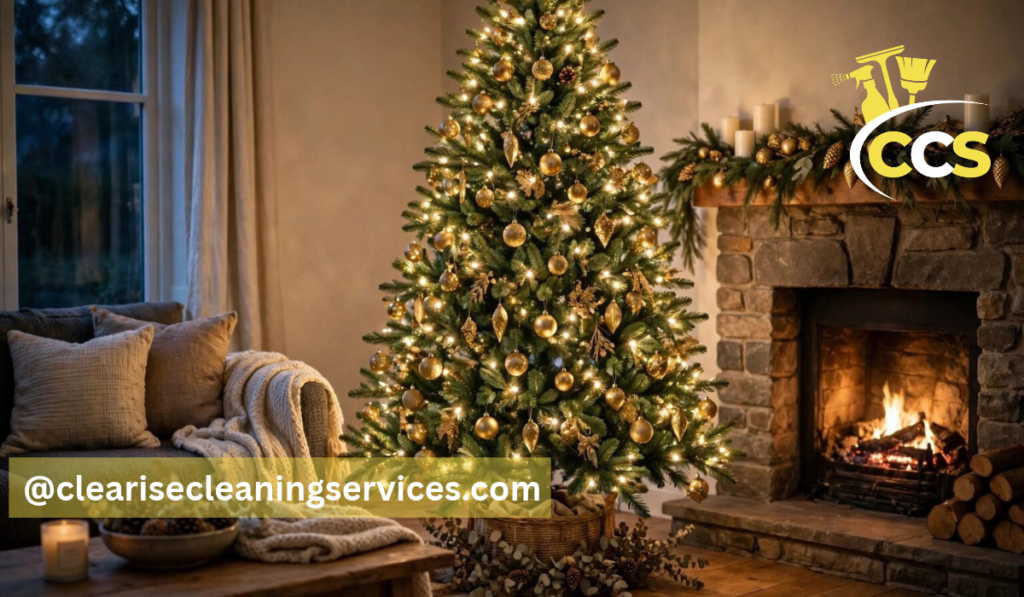
An artificial tree should last a decade, so choosing badly is a mistake you live with every December. The best artificial Christmas trees look real from across the room, stand straight, light up without a tangle of wires, and fold away neatly in January. This guide explains how to judge all of that before you spend anything.
What Makes the Best Artificial Christmas Trees?
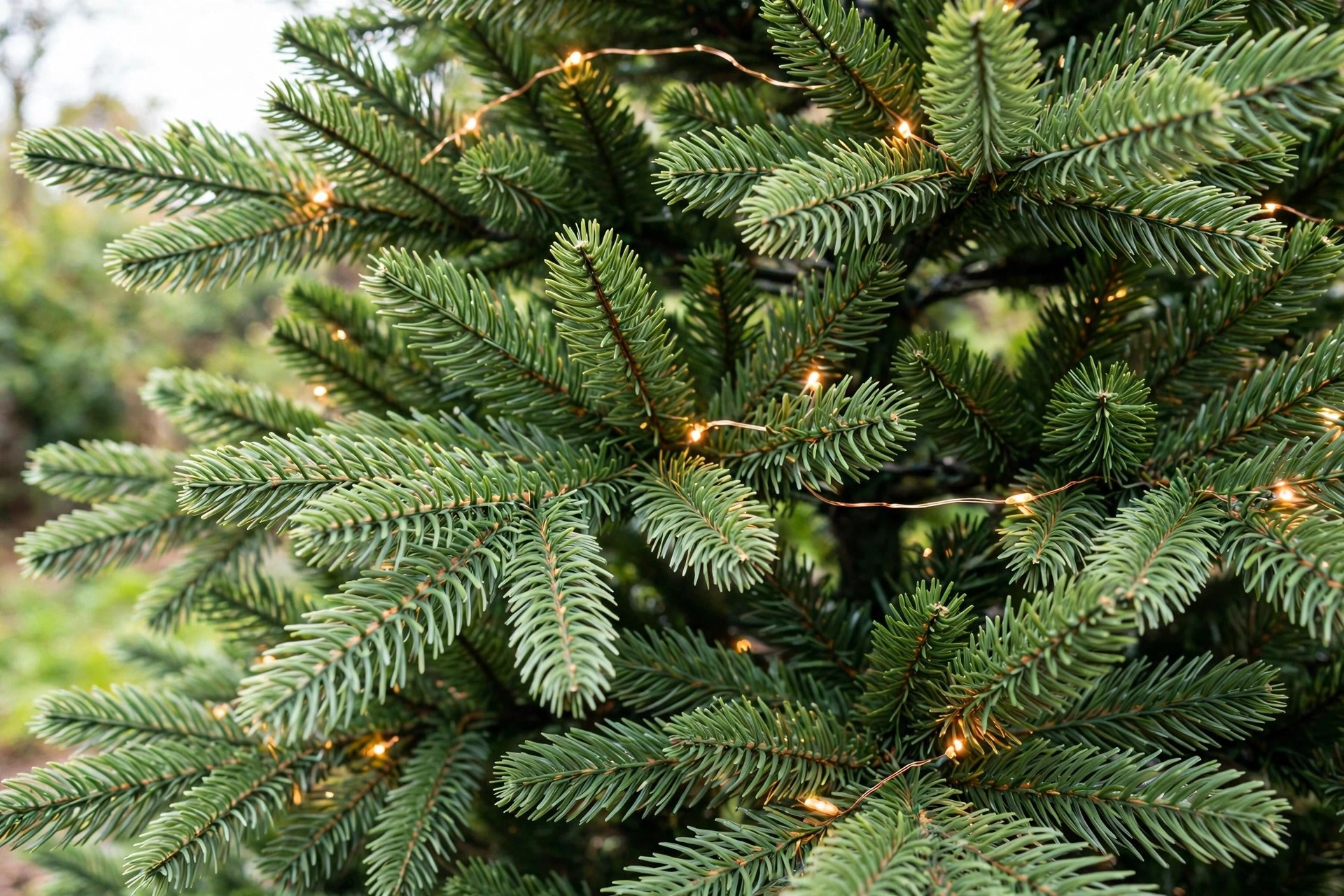
The best artificial Christmas trees have realistic moulded branches, a strong metal frame and stand, a full shape with a high tip count, and lights or branches that are simple to set up and pack away. No single feature makes a tree great; it is the combination of realism, strength, fullness and ease that separates the good trees from the disappointing ones.
Start with the branches. Realistic trees use moulded plastic needles shaped from real branches, while cheaper trees use flat strips that look thin and shiny up close. Then check the frame: a metal centre pole and metal hinges survive years of assembly, while plastic parts can crack. Fullness comes from the tip count, the number of branch ends on the tree. Finally, think about setup: hinged branches are far quicker than branches you push into holes one by one.
PE vs PVC: The Two Materials That Decide Realism
PE branches look far more realistic than PVC branches, because PE needles are moulded in three dimensions from real branches, while PVC needles are flat strips cut from plastic sheets. Most good trees mix the two, with PE on the outside where you can see it and PVC inside where it adds fullness cheaply.
PVC is the older, cheaper material. Its flat needles give a uniform, slightly shiny look, and PVC can turn brittle if stored in a hot loft or garage for years. PE, short for polyethylene, is moulded into needles with varied lengths and colours, so it catches the light the way a real fir does. PE trees cost more, and a tree sold as a PE blend may have only a small share of PE on the outer tips, so read the product details rather than trusting the headline.
Choosing the Right Size for Your Room
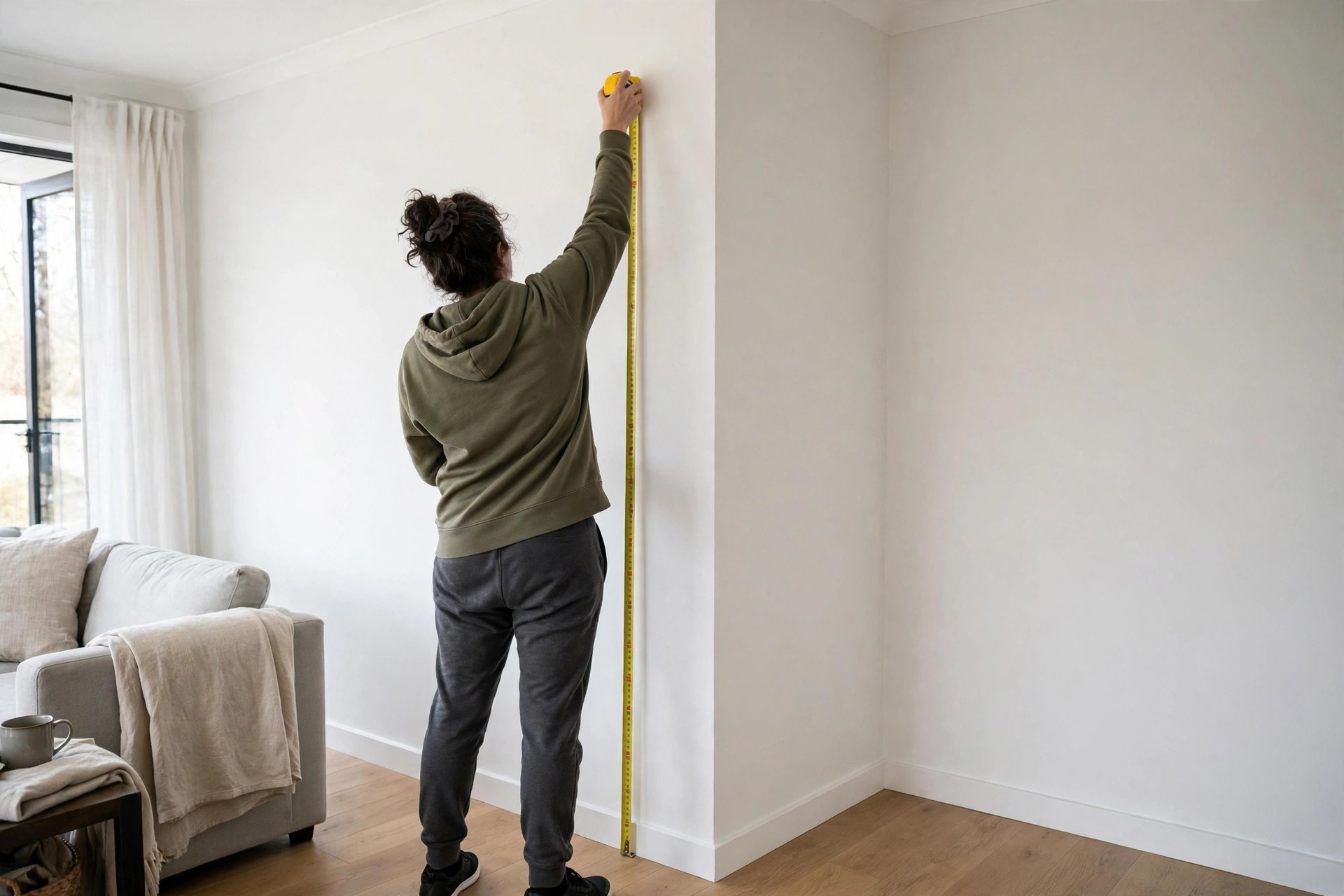
The best artificial Christmas trees are about a foot shorter than your ceiling, with a width that leaves walking space on every side. Measure the ceiling height and the floor space before you shop, and leave six to twelve inches above the tree for a topper.
Height is the first decision. A 7.5-foot tree suits most living rooms with standard ceilings, while a 6-foot tree fits smaller rooms and flats. A 9-foot or taller tree needs a high ceiling and a wide room, or it will crowd everything else out. Width matters just as much: a full tree can be five or six feet across at the base, while a slim tree may be only three feet wide and suits a corner. Measure the spot where the tree will stand, and check the doorway it must pass through in its box. Our guide to home decor ideas has more on fitting big seasonal pieces into a room.
| Tree height | Best for | Typical base width | Tip count to look for |
|---|---|---|---|
| 4–5 feet | Flats, bedrooms, tabletop corners | About 2–3 feet | 500 or more |
| 6 feet | Smaller living rooms | About 3–4 feet | 1,000 or more |
| 7–7.5 feet | Most family living rooms | About 4–5 feet | 1,500–2,000 or more |
| 9 feet | Large rooms, high ceilings | About 5–6 feet | 2,500 or more |
Tip counts are rough guides, because makers count tips differently. Use them to compare trees of the same height: if two 7.5-foot trees cost the same and one has 1,200 tips while the other has 2,000, the second will look fuller.
Best Artificial Christmas Trees for Small Spaces
For small spaces, the best artificial Christmas trees are slim or pencil-shaped trees of 6 to 7.5 feet, which give you the height of a full tree with a base only about 3 feet wide. A slim tree fits a corner or a gap beside a sofa without taking over the room.
Measure the floor space first, and remember that the lowest branches need the most room. A slim tree still needs about 3 feet across at the base, so check that it will not block a doorway or a walkway. A 6-foot slim tree suits a flat or a bedroom, while a 7.5-foot slim tree suits a small living room with a standard ceiling.
Pre-Lit, Unlit or Flocked: Which Type Suits You?
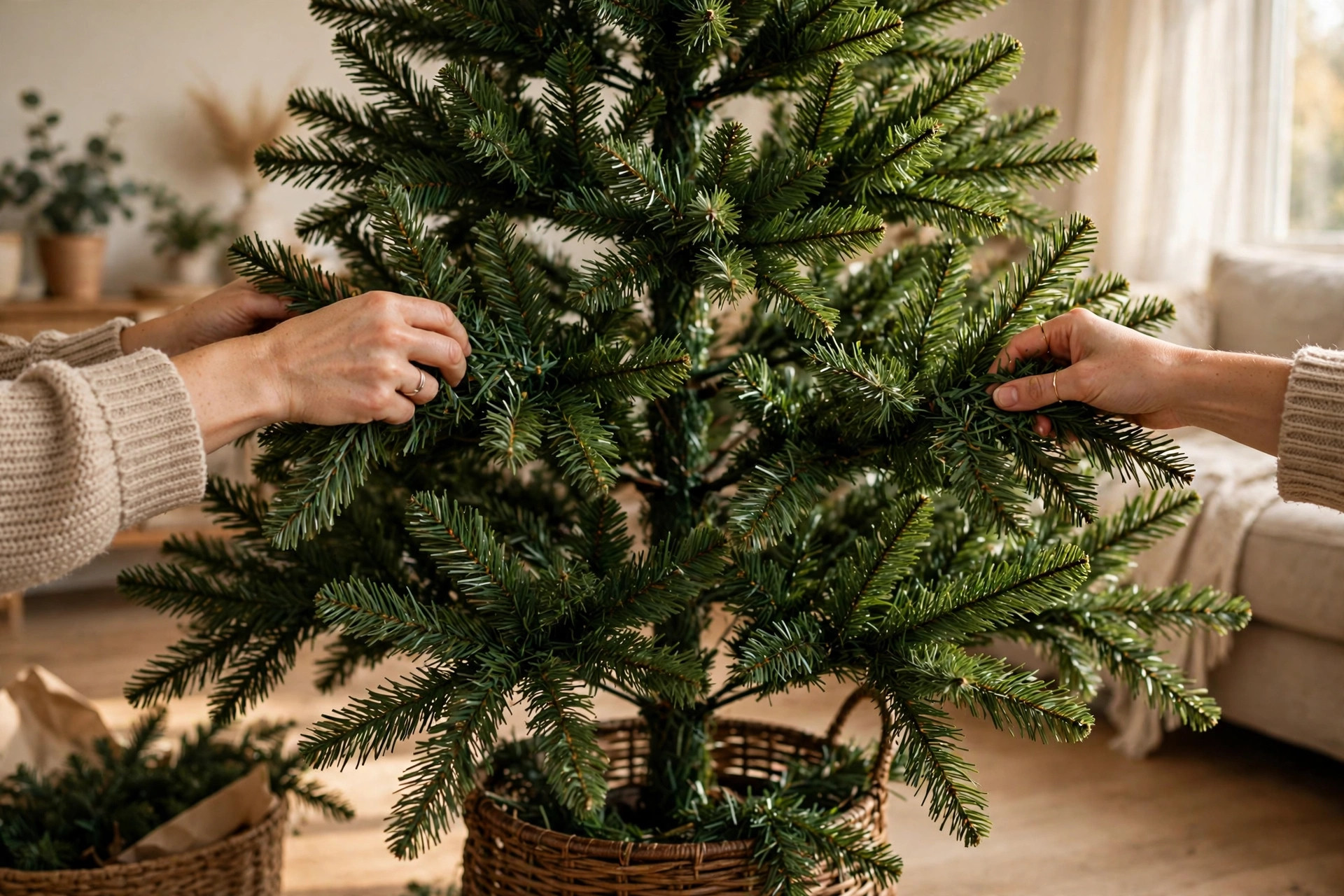
Pre-lit trees are the easiest choice for most homes, unlit trees suit people who like to change their lights every year, and flocked trees give a snowy look but need more cleaning and careful storage. The right type depends on how much work you want to do each December.
A pre-lit tree has its lights built into the branches, so setup is mostly unfolding and plugging in. LED lights are the better choice: they use less power, stay cool, and last far longer than old incandescent bulbs. Check that the lights carry a recognised safety certification, such as a UL or ETL listing, and that spare bulbs are available. A flocked tree looks lovely, but the flocking sheds, marks floors, and needs gentle handling.
How Long Do Artificial Christmas Trees Last?
A well-built artificial Christmas tree lasts 10 years or more with proper care, and premium trees can last 15 to 20 years, while cheap trees often look tired after only a few seasons. The frame, the hinges and the storage conditions decide the real lifespan more than the price tag alone.
Three things wear a tree out. First, the frame and hinges: metal parts last, plastic parts crack, and a wobbly stand is often the first thing to fail. Second, the needles: PVC turns brittle in hot, dry storage, PE holds its shape longer but can fade in sunlight, and rough handling snaps branch tips. Third, the lights on a pre-lit tree: bulbs and wiring age, so check the wiring every year and throw away any strand with frayed or pinched wires.
How to Check a Tree Before You Buy It
Before you buy, check the frame metal, the hinge strength, the tip count, the light certification, and the warranty, because those five details predict how the tree will look and last far better than the photo on the box. A few minutes of checking can save years of regret.
Look for a metal centre pole and metal hinges, and avoid trees with plastic frames if you want the tree to last. Bend a branch tip gently if you can see the tree in a shop: if it snaps or crackles, the plastic is already brittle. For pre-lit trees, look for LED lights with a UL or ETL listing and ask whether spare bulbs are included. Check the warranty, the returns policy and the box size.
- Measure your space first. Note the ceiling height, floor width, and doorway size.
- Pick the height and shape. Choose full, slim or sparse, and leave room for a topper.
- Compare the materials. Prefer PE or a PE and PVC mix, and check the tip count.
- Check the frame and lights. Look for a metal pole, metal hinges, LED lights and a recognised safety certification.
- Read the warranty and returns policy. Make sure lights and structure are covered and that you can return the tree if it arrives damaged.
Setting Up Your Tree So It Looks Full and Real
A tree looks full and real when every branch is fluffed from the inside out, the branches are spread evenly, and the lights go on before the ornaments. Fluffing takes time, but it is the single biggest difference between a tree that looks shop-bought and one that looks sad.
Start by fixing the stand on a flat floor and slotting the sections together from the bottom up. Fluff each layer before adding the next: pull each branch down and out, spread the tips in different directions, and fill any gaps you can see through to the pole. Put the lights on first if the tree is unlit, wrapping from the trunk outward. Hang heavy ornaments close to the trunk, and light ones on the tips. For more seasonal styling ideas, see our DIY home decor ideas guide.
Decorating Ideas That Suit Artificial Trees
Artificial trees suit the same decorating styles as real trees, and their strong, even branches make them especially good for heavy ornaments, ribbon, and themed colour schemes. The tree is the frame; the decorations are what make it yours.
A classic look uses warm white lights, red and gold ornaments, and a simple star or angel on top. A modern look uses cool white lights, one or two colours only, and matte ornaments with space between them. A natural look uses wooden ornaments, dried orange slices and pine cones, which suits a PE tree because the realistic branches carry the theme. Ribbon works best woven through the branches in loose loops, and a tree skirt hides the stand.
Storing Your Tree So It Lasts for Years
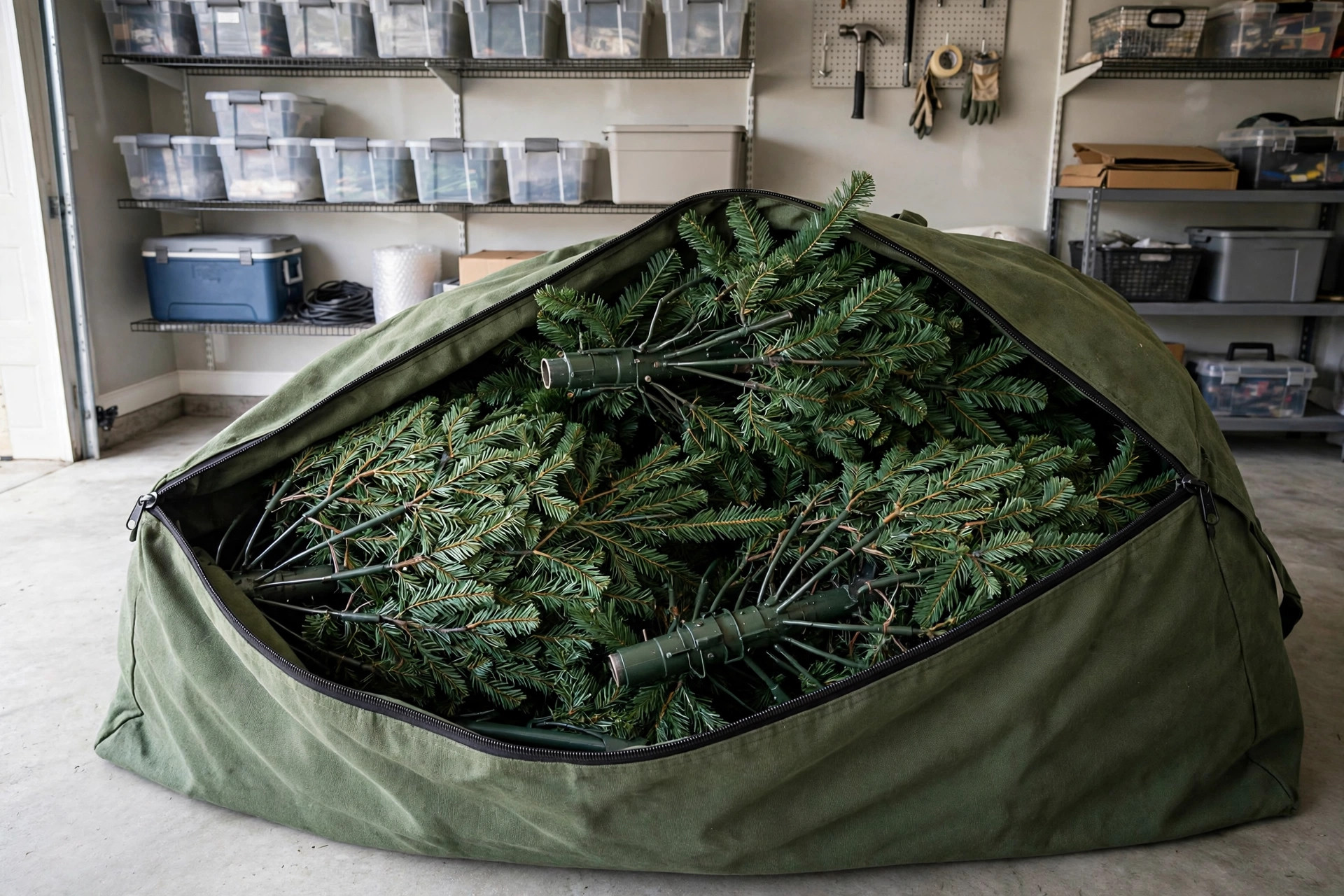
Store your artificial tree in a cool, dry place, in its original box or a proper tree storage bag, with the branches folded gently and nothing heavy stacked on top. Good storage is what turns a five-year tree into a ten-year tree.
Take the tree down in the reverse of setup: remove ornaments first, then lights if it is unlit, then fold each branch up toward the pole gently, without forcing it. Dust the branches lightly before packing, and let a flocked tree air out before it goes away, because trapped moisture can mark the flocking. Keep the box or bag off a damp floor and out of direct sunlight, and avoid hot lofts in summer if you have a cooler space. For general advice on keeping seasonal items clean, see our guide to cleaning techniques.
Common Mistakes to Avoid When Buying
The most common mistakes are buying a tree that is too tall for the ceiling, trusting a photo instead of the tip count and materials, choosing the cheapest tree without checking the frame, and having nowhere dry to store it. Each mistake is easy to avoid with a tape measure and five minutes of reading.
The height mistake is the most expensive, because a tree that touches the ceiling cannot take a topper and looks cramped, and returning a large tree is a chore. The photo mistake is the most common online: product photos are styled and fluffed by professionals, so a tree that looks full in the picture may be thin in your living room. The cheapest tree is often the dearest over time, because a plastic frame and thin PVC branches wear out fast. And storage matters from day one: if your only space is a damp shed or a hot loft, spend a little more on a tree bag and choose a spot that stays dry.
Artificial vs Real Trees: A Quick Comparison
Artificial trees win on cost over time, convenience and reuse, while real trees win on scent, tradition and a look that no plastic can fully copy. The right choice depends on what matters most to you each December.
| Factor | Artificial tree | Real tree |
|---|---|---|
| Cost over 10 years | One purchase, reused yearly | A new tree bought every year |
| Setup time | Unfold, fluff and plug in | Cut, carry, stand and water |
| Mess | Little or none, except flocking | Needles drop daily, needs watering |
| Scent | None, unless scented products are added | Natural pine scent |
| Realism | Very good in PE, less so in cheap PVC | Real by definition |
| Storage | Needs a dry space all year | None after the season |
One environmental point is worth knowing: research often cited in this debate suggests an artificial tree needs to be reused for around 8 to 10 years before its overall footprint beats buying a new real tree every year, because making and shipping plastic has its own cost. If you will keep the tree for a decade, artificial is the sensible choice. If you move house often, have no storage, or love the smell of a real fir, a real tree may suit you better. For more seasonal style ideas, see our Martha Stewart home decor guide.
Conclusion
The best artificial Christmas trees fit your room, look real from across it, and survive many Decembers. Measure first, choose PE or a good PE and PVC mix, check the metal frame and the tip count, pick pre-lit LED lights with proper certification, and store the tree somewhere cool and dry.
Frequently Asked Questions
How long do artificial Christmas trees last?
A well-built artificial Christmas tree lasts 10 years or more with proper care. Premium trees can last 15 to 20 years, while cheap trees often look tired after only a few seasons.
What is the best artificial Christmas tree material?
PE is the most realistic material, because its needles are moulded from real branches. Most good trees mix PE on the outside with PVC inside for fullness at a fair price.
What size artificial Christmas tree should I buy?
The best artificial Christmas trees are about a foot shorter than your ceiling, leaving six to twelve inches for a topper. A 7.5-foot tree suits most living rooms, while a 6-foot tree fits smaller rooms.
Are pre-lit artificial Christmas trees safe?
Yes, if the lights carry a recognised safety certification such as UL or ETL, and you inspect the wiring every year. Throw away any strand with frayed or pinched wires.
How do I store an artificial Christmas tree?
Store it in a cool, dry place in its original box or a tree storage bag, with branches folded gently and nothing heavy on top. Keep it off damp floors and out of sunlight.
Disclaimer: This article is provided purely for informational purposes. clearisecleaningservices.com only provides information about the best artificial Christmas trees and does not sell trees, offer decorating services, guest posting, paid promotion, or advertising. Sizes, lifespans and prices vary between makers and models, so check the product details before buying. Always inspect lights and wiring before use, keep trees away from heat sources and open flames, and follow the maker’s safety instructions.
Thanks for visiting Clearise Cleaning Services! Discover more helpful tips and expert cleaning insights by exploring our related categories.