Black mold is a type of fungus that can grow inside homes when there is too much moisture. It often appears as dark green or black spots on walls, ceilings, or other damp areas. Many homes experience mold problems at some point, especially in places where water leaks, humidity is high, or ventilation is poor. Because mold grows quietly and spreads over time, many people do not notice it until the problem becomes serious.
Black mold removal is important not only for the condition of a house but also for the health of the people living inside it. Mold releases tiny spores into the air. When people breathe in these spores, they may experience allergy symptoms, breathing problems, or irritation in the eyes and throat. For people who already have asthma or other respiratory issues, mold exposure can make symptoms worse.
Moisture is the main reason mold grows indoors. Water leaks, high humidity, condensation on windows, and poor airflow can create the perfect environment for mold to grow. Bathrooms, basements, kitchens, and laundry rooms are common areas where mold appears because these spaces often stay damp.
Black mold removal usually involves cleaning the affected area, removing moisture, and improving ventilation. For small areas of mold, homeowners can often clean the problem safely with simple household solutions such as vinegar or hydrogen peroxide. However, large mold problems or mold caused by flooding may require professional help. Understanding how mold grows and how to remove it safely is the first step toward keeping a home healthy and clean.
Black Mold Removal at a Glance
| Topic | Key Information |
| What Black Mold Is | A type of mold that grows in damp areas of homes |
| Common Causes | Water leaks, humidity, flooding, poor ventilation |
| Where It Appears | Bathrooms, basements, kitchens, around windows |
| Health Concerns | Allergies, breathing irritation, headaches |
| Small Area Removal | Vinegar or hydrogen peroxide cleaning |
| Large Infestations | Professional mold removal recommended |
| Prevention | Control moisture, repair leaks, improve airflow |
Understanding Black Mold and Why It Grows Indoors
Black mold, often known by its scientific name Stachybotrys chartarum, is a type of mold that thrives in damp environments. Like many other molds, it spreads through microscopic spores that travel through the air. When these spores land on wet surfaces, they begin to grow and form visible mold patches.
Indoor mold growth usually happens when moisture problems are not addressed quickly. Water leaks from pipes, roof damage, flooding, or even condensation on cold surfaces can create the damp conditions that mold needs to survive. Mold can grow on many materials found in homes, including drywall, wood, carpets, insulation, and ceiling tiles.
Poor ventilation also plays an important role in mold growth. When rooms do not have enough airflow, moisture can stay trapped in the air and settle on surfaces. Bathrooms without proper exhaust fans and kitchens without ventilation often experience mold problems for this reason.
Black mold is commonly found in areas that stay damp for long periods. Basements are one of the most common places because they often have higher humidity levels. Bathrooms, especially around showers and bathtubs, also provide ideal conditions for mold growth. Mold may also develop around windows, under sinks, or inside walls where hidden water leaks exist.
Understanding why mold grows indoors helps homeowners take action early. When moisture problems are fixed quickly and rooms are well ventilated, the chances of mold developing become much lower.
Common Signs That Indicate Black Mold in Your Home
Black mold is not always easy to notice at first. In many cases, it grows slowly and hides in areas that people do not check often. However, there are several signs that can help identify a mold problem early.
One of the most obvious signs is the appearance of dark spots on walls, ceilings, or other surfaces. These spots may look black, dark green, or even brown. Over time, they can spread and form larger patches. Mold may also grow along corners, behind furniture, or in areas where water damage has occurred.
Another common sign is a strong musty smell. Mold produces a damp, earthy odor that can often be noticed even when the mold itself is hidden. If a room smells musty or stale, it may be a sign that mold is growing somewhere nearby.
Certain areas of the home are more likely to develop mold. Windows, bathrooms, and basements often show early signs of mold growth because they experience frequent moisture. Mold may also appear near leaking pipes, under sinks, or around air conditioning units.
Changes in surfaces can also indicate mold problems. Paint may begin to peel or bubble, walls may show water stains, and wooden surfaces may start to warp. These signs often suggest that moisture is present, which can lead to mold growth if not addressed.
Recognizing these warning signs early makes black mold removal much easier and prevents the problem from becoming larger and more difficult to manage.
Health Risks Associated With Black Mold Exposure
Black mold can affect indoor air quality and may cause health problems for some people. Mold releases spores into the air, and when these spores are inhaled, they can irritate the respiratory system.
Many people experience mild symptoms when exposed to mold. These symptoms may include sneezing, coughing, or irritation in the eyes and throat. Some individuals may also notice skin irritation or nasal congestion.
People with allergies are often more sensitive to mold spores. Their bodies react more strongly to mold exposure, which can lead to increased allergy symptoms. Individuals with asthma may also find that mold exposure triggers breathing difficulties or worsens existing symptoms.
In some cases, people may feel tired, experience headaches, or have sinus problems after long-term exposure to mold. While not everyone reacts the same way, maintaining a mold-free environment is important for overall indoor health.
Certain groups may face higher risks from mold exposure. Children, elderly individuals, and people with weakened immune systems can be more sensitive to mold spores. For these groups, even small amounts of mold may cause discomfort.
Because of these potential health concerns, removing mold quickly and preventing it from returning is an important part of maintaining a safe and healthy living environment.
Essential Safety Precautions Before Starting Black Mold Removal
Before beginning black mold removal, it is important to take proper safety precautions. Mold spores can easily spread through the air during cleaning, so protecting yourself and preventing contamination in other areas of the home is essential.
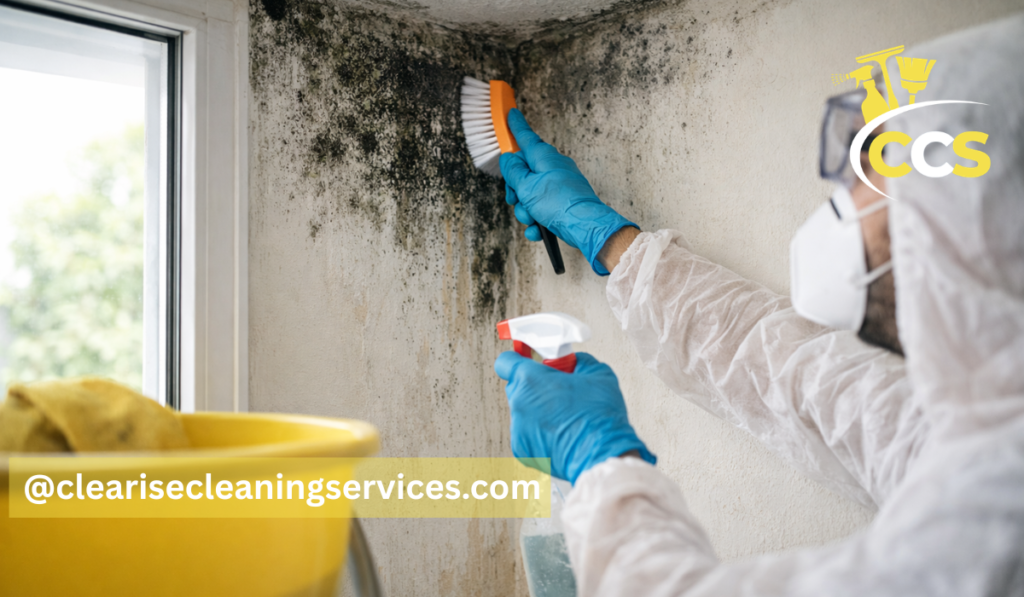
Wearing protective gear is one of the first steps. A mask such as an N95 respirator helps prevent inhaling mold spores. Gloves protect the skin from contact with mold and cleaning chemicals, and goggles protect the eyes from irritation.
It is also helpful to isolate the affected area as much as possible. Closing doors or using plastic sheeting can reduce the spread of mold spores to other rooms. This step is especially useful when cleaning mold in areas like bathrooms or basements.
Ventilation is another important factor. Opening windows or using exhaust fans allows fresh air to circulate and helps remove airborne spores. Good airflow also helps the cleaned area dry more quickly after the mold removal process.
Finally, avoid touching mold directly with bare hands or spreading contaminated materials around the home. Careful handling of cleaning tools and waste materials helps keep the rest of the home safe during the cleanup process.
Tools and Cleaning Supplies Needed for Black Mold Removal
Effective black mold removal requires the right tools and cleaning supplies. Using proper equipment makes the cleaning process safer and more efficient.
Protective equipment is the first requirement. Masks, gloves, and eye protection help reduce exposure to mold spores and cleaning chemicals. These simple items play a major role in maintaining safety during the cleaning process.
A vacuum with a HEPA filter can be useful for removing loose mold spores from surfaces before cleaning begins. HEPA filters are designed to capture very small particles, including mold spores, which helps prevent them from spreading in the air.
Common household cleaning solutions are often effective for mold removal. White vinegar is widely used because it can help kill many types of mold. Hydrogen peroxide is another option that works well on non-porous surfaces such as tiles or glass.
Basic cleaning tools are also important. Scrubbing brushes, spray bottles, and disposable cloths help remove mold from surfaces. Using disposable materials can make cleanup easier and reduce the chance of spreading mold to other areas of the home.
Black Mold Removal Methods for Different Surface Types
Different surfaces require different approaches during black mold removal. Some materials absorb moisture easily, while others do not, which affects how mold should be cleaned.
Porous materials such as drywall, wood, and carpets can absorb water and allow mold to grow deeper within the material. In some cases, light mold growth on these surfaces can be cleaned with vinegar or another mild solution. However, if the mold has spread deeply, the material may need to be replaced to completely remove the contamination.
Non-porous surfaces such as tiles, glass, and metal are usually easier to clean. Mold typically grows on the surface rather than inside the material. Cleaning solutions like hydrogen peroxide or vinegar can be applied to these surfaces and gently scrubbed away.
Bathroom grout can also develop mold because it stays damp for long periods. Special attention may be needed to clean grout lines and remove mold buildup in showers or around sinks.
Fabrics and upholstery require careful handling. Mold on fabrics can sometimes be treated with cleaning solutions and then dried thoroughly in sunlight, which helps reduce remaining spores.
Understanding the type of surface involved helps determine the most effective method for removing mold safely.
Step-by-Step Black Mold Removal Process
A careful and organized approach is important for successful black mold removal. The process usually begins by inspecting the affected area and identifying the source of moisture. If the moisture problem is not fixed, mold can return even after cleaning.
Once the source of moisture is addressed, loose mold spores can be removed using a HEPA vacuum. This step helps reduce the number of airborne spores before deeper cleaning begins.
Next, a cleaning solution is applied to the moldy surface. The solution should be allowed to sit for a short period so it can penetrate the mold and break it down. After this, the surface can be gently scrubbed to remove the mold residue.
Cleaning should continue until the visible mold is gone and the surface appears clean. After cleaning, the area must be dried completely. Moisture left behind can allow mold to grow again.
Drying the area thoroughly is one of the most important steps in preventing future mold problems. Good ventilation and airflow help ensure the area dries properly.
Simple Step-by-Step Guide for Black Mold Removal
- Identify the mold area and locate the source of moisture.
- Wear safety gear such as gloves, mask, and eye protection.
- Ventilate the room by opening windows or using exhaust fans.
- Apply a cleaning solution like vinegar or hydrogen peroxide.
- Scrub the surface gently to remove mold growth.
- Dry the area completely to prevent mold from returning.
- Fix moisture issues such as leaks or humidity problems.
When Professional Black Mold Removal Is Necessary
While small mold problems can often be handled by homeowners, some situations require professional help. Large mold infestations are one example. When mold covers a large area of a home, special equipment and professional techniques may be needed to remove it safely.
Mold inside heating, ventilation, or air conditioning systems is another situation where professionals should be involved. Mold spores can spread through air ducts and affect the entire home if not properly treated.
Mold caused by sewage backups or flooding may also require professional cleanup. Contaminated water can contain harmful bacteria along with mold, making the cleanup process more complex and potentially dangerous.
Health concerns may also influence the decision to seek professional help. If people in the home have severe allergies, asthma, or other health conditions, professional mold removal may provide a safer solution.
Preventing Black Mold From Returning After Removal
Preventing mold from returning is just as important as removing it. Because mold thrives in damp environments, controlling moisture is the key to long-term prevention.
Water leaks should be repaired as soon as they are discovered. Even small leaks from pipes or roofs can create enough moisture for mold to grow. Fixing these problems quickly reduces the risk of mold development.
Indoor humidity levels should also be monitored. Maintaining moderate humidity levels helps prevent moisture buildup in the air. Dehumidifiers can be helpful in areas such as basements where humidity tends to be higher.
Proper ventilation in kitchens and bathrooms is another important factor. Exhaust fans remove moist air and help keep surfaces dry after cooking or showering.
Regular inspection of moisture-prone areas in the home can help detect problems early. Checking around windows, pipes, and basements allows homeowners to address moisture issues before mold begins to grow.
Conclusion
Black mold removal is an important task for maintaining a healthy and safe home environment. Mold grows when moisture, humidity, and poor ventilation create the right conditions, and it can spread quickly if not addressed.
Understanding the signs of mold growth and the health risks associated with exposure helps homeowners take action early. By following safe cleaning practices, using appropriate tools, and addressing moisture problems, many small mold issues can be handled effectively.
However, larger infestations or mold caused by flooding may require professional assistance. In all cases, preventing future mold growth should remain a top priority.
Keeping the home dry, improving ventilation, and fixing leaks promptly can greatly reduce the chances of mold returning. With the right knowledge and consistent maintenance, homeowners can maintain better indoor air quality and protect their living spaces from mold problems in the future.
Frequently Asked Questions (FAQs)
What Is The Best Method For Black Mold Removal?
The best method depends on the surface. Vinegar or hydrogen peroxide works well for small areas, while large infestations may require professional mold remediation.
Can I Remove Black Mold Myself?
Yes, small areas of mold (usually less than 10 square feet) can often be cleaned safely at home with proper safety gear and cleaning solutions.
Is Black Mold Dangerous For Health?
Black mold can cause allergies, breathing irritation, and other symptoms, especially for people with asthma, children, or elderly individuals.
How Long Does Black Mold Removal Take?
Small mold problems may be cleaned within a few hours, while larger infestations may take several days when handled by professionals.
How Can I Prevent Black Mold From Returning?
Prevent mold by fixing water leaks, controlling indoor humidity, improving ventilation, and keeping damp areas clean and dry.
Disclaimer: This article is for informational purposes only. The guidance provided about black mold removal is general advice and should not replace professional inspection or remediation services. For large mold infestations, structural damage, or serious health concerns, consult a certified mold removal professional.
Thanks for visiting Clearise Cleaning Services! Discover more helpful tips and expert cleaning insights by exploring our related categories.