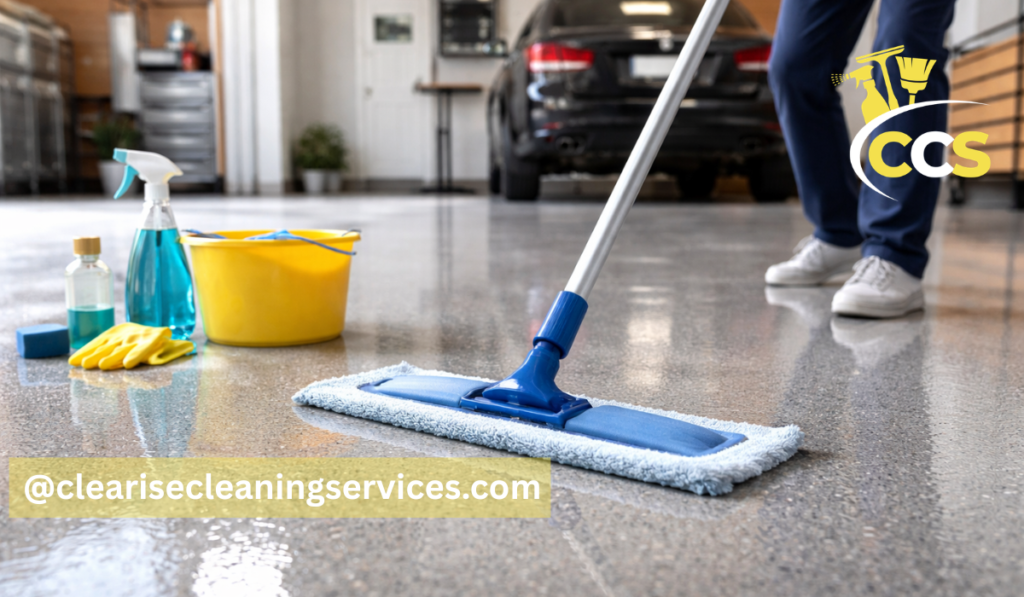
Epoxy floors are known for their strength, smooth appearance, and long-lasting finish. They are commonly used in garages, commercial spaces, warehouses, and even modern homes because they provide a durable and attractive surface. However, like any flooring material, they still need proper care to stay in good condition. This is where epoxy floor maintenance becomes important.
Even though epoxy flooring is designed to resist stains, chemicals, and heavy use, it can still lose its shine if it is not maintained regularly. Dirt, grit, and daily wear can slowly damage the surface over time. Without proper cleaning, small scratches can develop, making the floor look dull and less attractive.
Routine maintenance plays a major role in protecting epoxy floors. Simple cleaning habits can keep the surface glossy and prevent long-term damage. Regular sweeping, proper mopping, and using safe cleaning products all help extend the life of the floor.
In this guide, you will learn the basics of epoxy floor maintenance, including how to clean the floor properly, which products are safe to use, and how to restore shine if the surface becomes dull. You will also discover practical ways to protect your floor and when it might be time to consider professional maintenance.
Epoxy Floor Maintenance
| Maintenance Task | How Often | What To Do | Why It Matters |
| Sweeping or Dust Mopping | Daily | Use a soft broom or microfiber dust mop | Removes grit that can scratch the epoxy surface |
| Spill Cleanup | Immediately | Wipe spills with a soft cloth or mop | Prevents staining and surface damage |
| Mopping | Weekly | Use warm water with a pH-neutral cleaner | Keeps the floor clean and glossy |
| Deep Cleaning | Every 2–4 months | Use diluted ammonia solution with water | Removes built-up grime and restores clarity |
| Floor Inspection | Monthly | Check for scratches, wear, or dull areas | Helps detect problems early |
| Recoating | Every few years | Apply a fresh epoxy topcoat if needed | Restores protection and shine |
Understanding Epoxy Floors and Why Maintenance Matters
Epoxy flooring is a protective coating made from a combination of resin and hardener. When these materials are mixed together and applied to a surface, they form a hard, durable layer that bonds strongly with the underlying concrete. The result is a smooth and glossy floor that is resistant to stains, chemicals, and heavy traffic.
One of the biggest advantages of epoxy flooring is its non-porous surface. This means liquids and dirt cannot easily penetrate the floor, making it easier to clean than many other types of flooring. Epoxy floors are also highly durable, which is why they are often used in garages, workshops, factories, and commercial buildings.
However, durability does not mean the floor is completely maintenance-free. Over time, dirt particles, sand, and debris can act like sandpaper when people walk or drive over them. This friction can slowly create small scratches that reduce the shine of the surface.
Poor maintenance can lead to several problems. The floor may start to look cloudy or dull, stains may appear if spills are not cleaned quickly, and the protective coating can weaken over time. Regular epoxy floor maintenance helps prevent these issues and keeps the floor looking clean, bright, and professional for many years.
Common Causes of Epoxy Floor Damage
Even though epoxy floors are strong, certain factors can gradually damage the surface if they are not managed properly. Understanding these common causes helps you protect the floor and maintain its appearance.
One of the main causes of damage is dirt and grit. Small particles such as sand, dust, or gravel can scratch the surface when people walk across the floor or when vehicles move over it. These tiny scratches may not be visible immediately, but they slowly reduce the glossy finish of the epoxy coating.
Heavy traffic is another common issue. In garages, warehouses, or commercial spaces, repeated movement of vehicles, equipment, or heavy furniture can wear down certain areas of the floor. Over time, these areas may appear faded or less smooth than the rest of the surface.
Chemical spills can also affect epoxy floors. Although epoxy is resistant to many chemicals, some strong substances can damage the finish if they remain on the surface for a long time. Improper cleaning products can cause similar problems by weakening the protective coating.
Moisture and installation problems can also contribute to damage. If the epoxy coating was applied incorrectly or if moisture rises from the concrete below, the coating may begin to peel or separate from the floor. Regular inspection and proper care can help reduce the risk of these issues.
Daily Cleaning Routine for Epoxy Floors
A simple daily cleaning routine is one of the most effective ways to maintain epoxy floors. Regular cleaning removes dirt and debris before they can cause scratches or damage.
Sweeping the floor is usually the first step. Using a soft broom or a dust mop helps remove loose dirt, sand, and dust from the surface. Vacuuming with a soft brush attachment can also be helpful, especially in areas where debris collects easily.
It is important to use cleaning tools that will not scratch the floor. Soft bristles and microfiber materials work well because they lift dirt without damaging the surface. Hard brushes or rough tools should be avoided because they may leave marks on the epoxy coating.
Spills should always be cleaned as soon as possible. Oil, chemicals, and food liquids can leave stains if they remain on the floor for too long. Wiping spills quickly with a soft cloth or mop keeps the floor clean and prevents damage.
High-traffic areas such as garage entrances or busy walkways may need extra attention. Keeping these areas clean helps maintain the overall appearance of the floor and reduces the risk of long-term wear.
Weekly and Monthly Epoxy Floor Cleaning Practices
While daily cleaning removes loose dirt, deeper cleaning is also necessary to keep epoxy floors in excellent condition. Weekly and monthly cleaning routines help remove grime that builds up over time.
Mopping the floor with warm water is one of the simplest and most effective methods. Many homeowners and facility managers use a pH-neutral cleaner mixed with water. These cleaners are gentle on epoxy surfaces while still removing dirt and grease.
The right tools can make a big difference during mopping. A microfiber mop is often recommended because it traps dirt without scratching the floor. Soft mop heads glide easily across the surface and help maintain the floor’s smooth finish.
Over time, dirt and residue can accumulate even with regular sweeping. Deeper cleaning helps remove this buildup and restores the natural shine of the epoxy surface. For many spaces, mopping once a week is enough, while commercial areas with heavy traffic may require more frequent cleaning.
Consistency is the key to effective epoxy floor maintenance. Maintaining a regular cleaning schedule prevents grime from becoming difficult to remove and helps keep the floor looking bright and polished.
Step-by-Step Guide for Basic Epoxy Floor Maintenance
Step 1: Remove Dust and Dirt
Sweep or vacuum the floor daily using a soft brush attachment to remove grit and debris.
Step 2: Clean Spills Quickly
Wipe oil, chemicals, or liquids immediately using a damp cloth to prevent stains.
Step 3: Mop Regularly
Use warm water with a pH-neutral cleaner to maintain the floor’s shine.
Step 4: Deep Clean Occasionally
Clean the floor every few months using diluted ammonia to remove stubborn dirt.
Step 5: Protect the Surface
Place mats at entryways and install protective pads under furniture or equipment.
Step 6: Restore Shine if Needed
Use a floor buffer or epoxy polish when the floor begins to lose its gloss.
Safe Cleaning Products for Epoxy Floors
Choosing the right cleaning products is essential for protecting epoxy flooring. Many gentle products work well without damaging the surface.
pH-neutral cleaners are often the safest option. These cleaners are designed to remove dirt and stains while remaining mild enough for delicate surfaces. They help clean the floor without affecting the epoxy coating.
Mild dish soap mixed with warm water can also be used for light cleaning. This solution works well for removing grease and everyday dirt. However, it should be used in small amounts to prevent soap residue from forming on the surface.
For deeper cleaning, diluted ammonia can sometimes be used. A small amount mixed with water helps remove stubborn grime and restore clarity to the floor. This method is usually recommended only for occasional deep cleaning.
Gentle cleaners are effective because epoxy floors do not absorb dirt easily. The non-porous surface allows most dirt to sit on top, which means strong chemicals are not necessary for regular maintenance.
Cleaning Products and Methods to Avoid
While many cleaning products are safe for epoxy floors, some can cause serious damage. Avoiding these products is an important part of epoxy floor maintenance.
Acidic cleaners such as vinegar or citrus solutions should not be used on epoxy surfaces. These products can break down the chemical structure of the coating and reduce its shine.
Strong solvents and harsh chemicals can also damage the floor. Substances like paint thinner or highly concentrated cleaners may weaken the protective layer and cause permanent discoloration.
Soap-based cleaners are another common mistake. Many of these products leave a thin film on the floor, which creates a cloudy appearance and can make the surface slippery.
Abrasive cleaning tools should also be avoided. Steel wool, scouring pads, and stiff brushes can scratch the surface and remove the glossy finish. Using gentle tools and safe cleaning solutions is the best way to protect epoxy floors.
How to Restore the Shine of a Dull Epoxy Floor
Over time, epoxy floors may begin to look dull due to dust buildup, micro-scratches, or residue from cleaning products. Fortunately, the shine can often be restored with proper care.
The first step is deep cleaning. Removing all dirt, grease, and residue helps reveal the natural shine of the epoxy coating. Using a pH-neutral cleaner with warm water is usually enough to restore brightness.
Polishing can also help improve the appearance of the floor. Special polishing products designed for epoxy surfaces can add a protective layer and enhance the gloss. These products are often applied with a microfiber pad or a floor buffer.
Floor buffers are commonly used in commercial spaces to restore shine quickly. A soft buffing pad gently smooths the surface and improves the reflective finish of the floor.
In some cases, polishing products may be needed to bring back the original shine. These products create a thin protective layer that improves appearance while also protecting the epoxy coating.
Protective Measures to Extend Epoxy Floor Life
Preventive care is just as important as cleaning when it comes to epoxy floor maintenance. Simple protective steps can greatly extend the life of the floor.
Entry mats placed near doors can trap dirt, sand, and debris before they reach the floor. This reduces the amount of grit that could scratch the surface.
Furniture and equipment can also cause scratches if they move frequently. Installing protective pads under furniture legs helps prevent direct contact between heavy objects and the floor.
In areas with heavy traffic, additional protection may be necessary. Using rugs, floor mats, or designated walkways can help distribute pressure and reduce wear on certain areas.
Preventing scratches and surface damage keeps the epoxy coating strong and attractive. Small protective measures often make a big difference in preserving the overall quality of the floor.
When Recoating or Professional Maintenance Is Needed
Even with proper care, epoxy floors may eventually need professional maintenance. Over time, the protective layer can wear down, especially in areas that experience heavy use.
One of the first signs of wear is visible scratching or fading. If the floor no longer reflects light as it once did, the surface may be losing its protective coating.
In some cases, deeper scratches or worn areas may appear. When this happens, applying a fresh clear topcoat can restore the floor’s appearance and protect it from further damage.
Professional maintenance is usually recommended for recoating. Experts can properly prepare the surface, sand the floor if necessary, and apply a new protective layer that restores the glossy finish.
Recoating helps extend the lifespan of epoxy flooring and keeps the surface looking clean and modern for many more years.
Conclusion
Proper epoxy floor maintenance is essential for preserving the beauty and durability of this popular flooring option. Although epoxy floors are strong and resistant to damage, they still require regular care to maintain their smooth and glossy finish.
Routine cleaning, including daily sweeping and regular mopping, prevents dirt and debris from scratching the surface. Using safe cleaning products and avoiding harsh chemicals protects the epoxy coating and keeps the floor looking clear and bright.
Protective habits such as using entry mats, installing furniture pads, and managing heavy traffic areas also play an important role in extending the life of the floor. These small steps can prevent scratches and reduce long-term wear.
With consistent care and occasional professional maintenance, epoxy floors can remain strong, attractive, and easy to maintain for many years. By following proper epoxy floor maintenance practices, homeowners and businesses can enjoy a durable and polished floor that continues to perform well over time.
Frequently Asked Questions (FAQs)
How Often Should Epoxy Floors Be Cleaned?
Epoxy floors should be swept daily to remove dirt and debris. Mopping once a week with a pH-neutral cleaner helps maintain shine and prevents grime buildup.
What Cleaner Is Safe For Epoxy Floors?
pH-neutral cleaners, mild dish soap solutions, and diluted ammonia are generally safe. These products clean the surface without damaging the epoxy coating.
Can Vinegar Be Used On Epoxy Floors?
No. Vinegar and other acidic cleaners can break down the epoxy coating over time and reduce the floor’s shine.
Why Does My Epoxy Floor Look Dull?
Epoxy floors can appear dull due to dirt buildup, residue from cleaning products, or micro-scratches caused by debris. Deep cleaning or polishing can often restore the shine.
When Should An Epoxy Floor Be Recoated?
Recoating may be necessary when the surface shows heavy scratches, fading, or worn areas. Applying a fresh topcoat helps restore protection and appearance.
Disclaimer: The information provided in this article is for general educational purposes only. Maintenance methods may vary depending on the type of epoxy flooring, environment, and manufacturer recommendations. Always follow product guidelines or consult a flooring professional for specific advice.
Thanks for visiting Clearise Cleaning Services! Discover more helpful tips and expert cleaning insights by exploring our related categories.