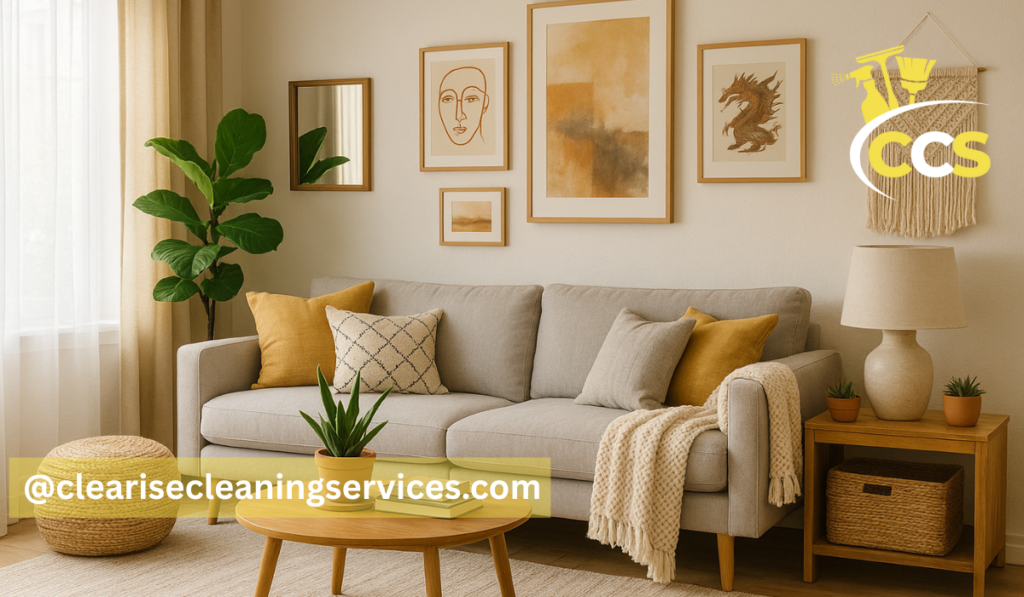
Decorating a home is often seen as a collection of pretty objects and color choices, but good home decor ideas go far beyond aesthetics. A well-designed space changes how you feel in your daily life. It influences how smoothly you move through your routines, how relaxed you feel at the end of the day, and how easily your home adapts to your needs. When decor works well, it doesn’t just look attractive — it makes a house feel lived-in, comfortable, and personal.
For new parents, these considerations become especially important. A home suddenly needs to do more than reflect personal taste. It has to be comfortable, safe for children, and flexible enough to support routines that change frequently. Furniture must serve multiple purposes, storage should be easy to access, and the overall layout needs to support both parenting and rest. Small adjustments — like better lighting, softer textiles, or a smarter layout — can make long days feel calmer and make family spaces more enjoyable.
This guide brings together timeless design principles and practical home decor ideas suited for modern living, including trends that continue to shape homes in 2025. You’ll find tips for decorating living rooms, bedrooms, and compact spaces, along with strategies for creating outdoor corners that feel relaxing rather than ornamental. There are also insights into sustainable materials, smart functionality, and design choices that evolve as your family grows. The goal isn’t to chase trends, but to help you build a home that feels beautiful, practical, and genuinely supportive of everyday life.
Living Room Inspirations: The Heart of Home
The living room is often the busiest space in a house, especially for families with young children. It becomes the gathering area, the play zone, and the place where everyone comes to unwind after a long day. When planning decor, it helps to think about how this room can support your habits, rather than focusing purely on how it will look in photos. A practical layout, comfortable seating, and thoughtful details can transform a basic room into a space that encourages connection and feels good to spend time in.
Cozy, Family-Friendly Layouts
A comfortable living room doesn’t need to be formal or staged. It needs to work for real life. Start by organizing the layout so that everyone has space to sit, move, and relax. If you have children, consider designating a small play-safe area where toys can be stored and easily accessed, instead of letting them spread across the entire room. This helps maintain order without making the space feel overly controlled.
Modular or low-profile furniture works particularly well in homes with kids. These pieces are easier to rearrange when you need extra space on the floor, and they don’t create obstacles for little ones learning to walk or run. Sofas with rounded corners, soft ottomans, and low coffee tables are better choices than sharp-edged furniture that might pose a safety risk.
Look for furniture that solves multiple problems at once. Sofas with built-in storage, ottomans that double as seating, and benches with hidden compartments allow you to store toys, games, or blankets discreetly. By reducing visible clutter, you create a calmer atmosphere without sacrificing practicality.
Texture, Pattern, and Personality — No Boring Neutrals
Neutrals are safe and versatile, but relying on them alone can make a living room feel flat. Adding layers of texture is one of the easiest ways to soften the environment and create warmth. Rugs, throw pillows, blankets, and textured upholstery can add comfort while also protecting furniture from daily wear and tear, which is useful in homes with kids.
If you’re ready to experiment with character, consider introducing bold or moody colors. Many designers are leaning toward richer tones such as deep greens, warm terracottas, and muted blues. These shades can be used on accent walls or furniture to give a room depth without overwhelming it. Colorful upholstery or bold cushions can create contrast and make a neutral sofa feel fresh again.
Balancing patterns is key to avoiding visual chaos. If you love print-heavy textiles, pair them with simpler elements that ground the space. For example, subtle wallpaper can work beautifully with lively cushions or a patterned rug. This mix keeps a room playful without losing cohesion.
Bring Nature Indoors (Biophilic Touches)
Bringing touches of nature into your living room is more than a design trend — it has a noticeable effect on mood and comfort. Even a few plants can change the atmosphere by adding color, improving air quality, and giving the room a more relaxed feel. If you’re not confident about plant care, choose low-maintenance options like snake plants or pothos.
You can also lean on natural materials to create a grounded, peaceful space. Wood, stone, linen, and cotton offer subtle texture while keeping the room comfortable and functional. A wooden coffee table, a stone vase, or woven baskets can introduce earthy elements without making the decor rustic.
These choices often age better than synthetic materials because they tend to look good even with a little wear. For homes with children, durability is often as important as style.
Smart, Stylish Lighting and Décor Details
Lighting can change the feel of a room more than any other design element. Instead of relying on a single overhead fixture, layer your lighting to accommodate different moods and activities. Floor lamps or table lamps with warm bulbs make evenings feel softer, while wall sconces or corner lights can highlight artwork or plants. If you enjoy reading or working in the living room, add a dedicated lamp near your chair or sofa.
Decor elements are also an opportunity to give the room personality. Artwork, cushions, curtains, and rugs can reflect your taste and tell a bit of your family’s story. A child’s framed drawing, travel souvenirs, or a handmade craft piece can be displayed thoughtfully without turning the room into a gallery.
These personal details make a room memorable and lived-in. They remind you that decor isn’t only about creating a picture-perfect space, but a home that reflects the people who live there.
Small Homes & Compact Spaces: Maximize Every Corner
Small homes aren’t limiting by default; they simply require thoughtful planning and a mindset that values flexibility over excess. When space is tight, function matters just as much as style, and sometimes more. The goal is to create rooms that feel open and comfortable, without sacrificing the cozy feel of a lived-in home. A few intentional changes can shift the experience from cramped to harmonious, especially for families managing toys, equipment, and constant movement.
Clever Space Planning & Smart Storage
In compact homes, every square foot has a job to do. Built-in cabinets, wall-mounted shelves, and vertical storage help you make use of height rather than relying on floor space. This approach keeps belongings accessible while freeing up pathways for walking, playing, or simply breathing.
Multipurpose furniture becomes essential in these environments. Benches with storage compartments, nesting tables, or sofas with hidden drawers help you store toys, blankets, and daily items without crowding the room. Foldable furniture can also be surprisingly useful — a dining table that folds away when not in use, or chairs that can be stacked, saves significant space in smaller living areas.
Even narrow shelving can make a noticeable difference. Tall, slim designs allow you to store books, decor items, and necessities without adding bulk or blocking natural light. When storage blends into the architecture of a room, it becomes part of the decor rather than clutter.
Making Small Rooms Feel Bigger: Light, Layout & Décor Hacks
A compact room doesn’t have to feel like one. Color, layout, and lighting can reshape how a space is perceived. Light or neutral wall colors bounce light more effectively and make rooms feel larger and calmer. Adding a mirror, especially near a window or across from it, reflects both natural and artificial light, creating a sense of openness without structural change.
Large, heavy furniture tends to dominate small rooms, leaving little space for movement. Opting for slim, low-profile, or modular pieces gives the room breathing space. These designs keep floors visible, which psychologically enlarges the area. Legged furniture, rather than solid bases, also improves visual flow.
To prevent your home from looking sparse, focus on small-scale decor that adds warmth without taking over the room. Layered rugs, compact side tables, and well-placed plants introduce texture and personality. The key is proportion: pieces that complement the space rather than compete with it.
Multipurpose Use — Rooms That Grow With Your Family
A small home can still provide flexibility if you approach each space with an adaptable mindset. Rooms don’t need to stick to traditional purposes. A living room can function as a play area during the day and transition into a comfortable lounge at night. This approach is especially helpful for new parents juggling routines, naps, and playtime.
Furniture that evolves with your family is a worthwhile investment. Convertible cribs that transition to toddler beds, storage benches that double as seating, or tables that extend when needed make daily life easier. These pieces reduce the need for constant replacements and help maintain a consistent visual style as the home changes.
Layouts should stay loose and easy to rearrange. When a baby begins crawling or walking, open floor space matters more than decorative objects. Having lightweight or modular furniture makes it possible to adjust the environment in minutes, based on what the day demands — whether it’s playtime, relaxation, or hosting guests.
Bedrooms & Nursery-Ready Decor Ideas
Bedrooms are often the quietest spaces in a home, but when you’re raising children, they quickly become multi-purpose. They function as sleeping areas, play zones, changing stations, and sometimes a quiet refuge for parents. Good decor supports rest while also making daily routines smoother. The key is to create an environment that feels calm and safe while remaining flexible enough to adapt as children grow.
Calm, Restful Vibes for Better Sleep
Sleep is central to a child’s development and a parent’s sanity, so bedroom decor should support rest rather than distract from it. Soft colors tend to work best for this purpose. Pastels, muted tones, and earthy neutrals help create an atmosphere that feels quiet and secure. These shades can make a small room feel softer and more spacious without being bland.
Textiles play an important role in bedroom comfort. Soft bedding encourages better sleep and reduces irritation on sensitive skin. Curtains that darken the room are helpful for naps and early evenings, especially for babies with irregular sleep cycles. Gentle, warm-toned lighting supports bedtime routines more naturally than harsh overhead lights. A small lamp or wall sconce near the bed makes nighttime reading or feeding easier without fully waking the child.
These choices don’t have to be elaborate — small updates like replacing harsh bulbs, adding a soft rug, or choosing breathable fabrics can make the room more restful for everyone.
Safe, Clutter-Free Design for Kid Safety
Bedroom decor for young children should balance aesthetics with safety. Avoid furniture with sharp edges whenever possible. Rounded or cushioned pieces reduce the risk of injury, especially when children start pulling themselves up or moving around independently.
Clutter can be hazardous, so closed storage is often a better choice than open shelving. Wardrobes, drawers, or storage boxes with lids keep items contained and reduce the chances of objects falling or becoming tripping hazards. They also create a cleaner, calmer look — something parents appreciate when the room inevitably gets messy.
Heavy furniture should be anchored to walls, particularly wardrobes and dressers. Children naturally climb, and anchoring prevents tipping accidents. This simple step adds a layer of safety without affecting the room’s style.
Keeping pathways open also matters. A room that feels spacious, even if it’s small, encourages safe movement and easier nighttime navigation.
Creating a Flexible Nursery → Toddler → Kid Room Design
Children grow quickly, and their rooms need to evolve with them. Choosing decor and furniture that can adapt over time saves money and reduces waste. Convertible cribs that transition into toddler beds, adjustable shelving, and storage units that serve multiple functions allow the room to change without starting from scratch.
Color schemes also play a role in long-term flexibility. Gender-neutral bases such as whites, greens, yellows, and soft neutrals make it easy to refresh the room with accents later. Toys, posters, wall art, or themed pillows can add personality without requiring a full redesign. This approach lets children express themselves while keeping the room calm and cohesive.
Lighting matters as children get older, too. Soft, warm lights are useful for nighttime feeds, story time, or quiet play before bed. A small reading corner — perhaps a floor cushion with a lamp — can become a calming space both for kids and for moments when parents need a break.
A child’s room doesn’t need to be perfected in one attempt. Thinking long-term and leaving space for change helps the room stay functional and supportive through different stages of childhood.
Trend-Forward & Expert-Backed Ideas (2025-Ready)
Design trends come and go, but many of the ideas shaping homes today are grounded in practicality, sustainability, and emotional comfort. Instead of chasing dramatic looks or expensive upgrades, modern decor focuses on how a home supports everyday life. For families, especially those with young children, this shift is meaningful: the best trends make homes healthier, easier to maintain, and more personal.
Sustainable & Eco-Friendly Materials and Décor
Sustainability is no longer a niche idea; it has become a core principle in modern interior design. Using eco-friendly materials isn’t just better for the environment — it often results in healthier, more durable living spaces. Reclaimed wood, bamboo, and natural fabrics such as cotton or linen are favored for their lower environmental impact and minimal chemical content. For families with young children, choosing furniture with non-toxic finishes reduces exposure to harmful substances, which is important during early developmental years.
Handcrafted or artisan décor pieces add another layer of value. Items made by small makers or local craftspeople tend to have more texture and character than mass-produced products. Mixing these pieces with simple, modern furniture creates a home that feels thoughtful and personal. Even one or two artisan accents — a woven wall hanging, a ceramic bowl, or a handmade lamp — can shift the mood of a room and tell a story without overwhelming the design.
Choosing sustainable decor doesn’t have to mean buying all-new pieces. Repurposing, repairing, or refreshing existing items is often just as effective and more financially realistic, especially for young families.
Blending Minimalism with Comfort — “Minimal-but-Cozy” Aesthetic
Minimalism has been associated with clean lines and clutter-free rooms, but the modern version of it is much softer. The goal is to create a calm, easy-to-maintain home without sacrificing comfort. Instead of empty spaces and cold surfaces, the “minimal-but-cozy” aesthetic uses warm textures, forgiving fabrics, and natural light to make simplicity feel comfortable rather than strict.
This approach prioritizes function over decoration. Fewer items, but ones that genuinely add value: a comfortable sofa, soft lighting, a textured rug. Blankets, cushions, and layered textiles help soften any hardness, giving the room a welcoming feel. Warm lighting, particularly in shared spaces, makes minimal decor feel intentional rather than unfinished.
For busy parents, this aesthetic often feels like a relief. Less clutter means less cleaning, fewer hazards, and a calm backdrop for busy days. Even if toys or everyday items temporarily disrupt the room, a streamlined layout makes it easy to reset the space.
Minimal-but-cozy design isn’t rigid; it’s about building a home that’s restful and practical at the same time.
Personalization: Making Home Reflect Your Family’s Story
Trends that focus solely on visual perfection have been replaced by trends that value individuality. A home doesn’t need to look like a showroom to feel beautiful. Personal details — family photos, heirlooms, artwork, or children’s drawings — add emotional warmth that no trend can imitate.
Instead of crowding every surface with sentimental objects, try displaying a few meaningful pieces in visible but organized ways. A gallery wall, a shelf with framed photos, or a corner dedicated to travel mementos can create focal points that reflect your story without cluttering the room.
Adaptability also plays a part in personalization. Slipcovers, washable textiles, and modular furniture make it easy to refresh a room as seasons change, or as children grow. This prevents decor from becoming stagnant while keeping the space aligned with daily needs.
Homes evolve naturally, and embracing that change — rather than resisting it — often leads to spaces that feel more authentic, warm, and lived-in.
Outdoor, Balcony & Relaxation Zone Ideas (If Space Allows)
Even a tiny outdoor space can feel like a breath of fresh air when it’s arranged with intention. You don’t need a large garden to create a relaxing spot; a balcony, porch, or terrace can become a small sanctuary that gives your family a change of scenery without leaving home.
Here’s a simple way to build a cozy corner:
- A small seat or low bench (nothing too bulky)
- A couple of soft cushions to make it comfortable
- Two or three potted plants to add natural color
- A small table for drinks, books, or toys
Think of it as a mini-garden, not a showpiece. A place where you can have tea, where your child can explore plants safely, or where you sit for a few minutes in the morning before the day gets loud.
Practical Choices Matter
Outdoor furniture gets exposed to dust, sun, and sometimes unexpected weather. Choosing weather-resistant, low-maintenance pieces saves you the trouble of constant care.
Good options include:
- Metal or treated wood chairs
- Plastic woven furniture
- Cushions with washable covers
- Small rugs designed for outdoor use
Durability becomes even more useful when kids are involved, because spills, messes, and rough play are inevitable.
Make It Multipurpose
You don’t need to commit to a single theme. A small outdoor space can shift roles depending on the day or time.
Possible uses:
- Reading nook: one chair + soft light + side table
- Kids’ play spot: washable mat + a basket of toys
- Mini garden: herbs, flowers, or small vegetable pots
- Tea/coffee corner: foldable chairs + tray table
If your furniture is lightweight, you can rearrange the area in minutes. This helps the space stay relevant to your family’s needs, rather than becoming a static, unused corner.
Smart & Functional Enhancements: Combining Decor with Everyday Needs
Modern family homes work best when design and practicality sit together. The goal isn’t to make rooms look “perfect” — it’s to make daily life smoother.
Think about the basics first:
- Light and air can change how a room feels more than expensive furniture.
- Natural light during the day, soft warm lighting at night = calmer mood, better sleep.
- Good airflow helps reduce dust and humidity, which matters when kids spend hours indoors.
Materials also matter (especially with children around):
- Washable cushion covers
- Rugs that don’t require special cleaning
- Rounded furniture edges
- Fabrics that don’t stain easily
These choices save time and create fewer safety hazards.
Storage is the silent hero in family homes. Instead of “more shelves,” aim for spaces that hide clutter:
- Benches with secret compartments
- Under-bed drawers
- Woven baskets tucked into corners
- Cabinets with doors, not open shelves
This keeps the home visually calm — even if the actual life behind the cabinets is pure chaos.
Tech can help, but lightly. Over-automation often makes homes feel sterile.
Useful, low-effort options include:
- Soft night lights that respond to motion
- Basic air quality monitors
- Quiet smart fans or temperature sensors
Nice-to-have, but not meant to turn your home into a lab. The vibe should stay warm, lived-in, and human.
Unique & Uncommon Decor Ideas — For Parents Who Want to Go Beyond the Usual
Some people love clean, minimal spaces. Others prefer rooms with personality, small imperfections, and stories. If you’re in the latter group, a few ideas can bring character without creating visual overload.
Mix eras intentionally:
- A vintage chair next to a modern sofa
- Retro lamp + clean, simple shelving
- Classic wood side table + metal accents
Different decades living together add a certain charm — like layers of personal taste.
Or lean into a relaxed, artsy vibe:
- Layered rugs
- Macramé or woven wall hangings
- Patterned cushions
- Handmade ceramics
This style works best when it’s not overdone — one expressive piece per corner, not a full explosion.
Nature-based materials can ground a room when other elements feel busy:
- Stone or wood accents
- Linen or cotton textiles
- Indoor plants for softness
Even a single big plant can change the entire atmosphere of a room.
And if you want something meaningful:
- Create a corner dedicated to memories — photos, children’s artwork, travel souvenirs, handwritten notes.
Not a “gallery wall” — just a few pieces that remind you who you are as a family.
Homes don’t need to look perfect. Sometimes, the mismatched, sentimental corners are the ones that age the best.
Decorating on a Budget: Smart, Affordable & DIY-Friendly Tips
You don’t need a huge budget to make a home feel thoughtful and inviting. A lot of great design comes from creativity, not price tags.
One easy way to stretch your budget: reuse what you already have.
- Old chairs can be re-painted or re-upholstered
- Tables can get a new top or stain
- Thrift-store pieces often have more character than brand-new furniture
A bit of sanding, new hardware, or a fresh fabric can completely change the feel of a piece — and it’s satisfying to do something hands-on.
If you like small projects, DIY décor can personalize your home without big costs:
- Handmade wall art
- Knitted throws
- Pallet shelves or stools
- Repurposed jars used as planters or organizers
These items don’t need to be perfect — the charm comes from the fact that they’re yours.
A fast, low-cost refresh often comes from textiles and small accents, not furniture:
- Cushions
- Curtains
- Rugs
- Plants
- Throws
They add warmth, color, and texture instantly, and they’re easy to change later.
If space is tight, multipurpose items are worth every rupee:
- A bench that stores toys
- A coffee table with shelves
- Baskets that work as décor and storage
Think of each piece doing more than one job — especially in homes with kids.
And to keep things interesting without constant shopping, rotate décor:
- Swap pillow covers with the seasons
- Change a few plants
- Update wall art as children grow
You’ll keep your home feeling fresh without filling it with clutter or spending constantly.
Conclusion
Great home decor ideas aren’t only about style — they’re about creating a home that feels comfortable, safe, and easy to live in, especially for growing families. Small, thoughtful choices can make everyday routines smoother without overwhelming your space.
There’s no strict rulebook to follow. You can mix minimal, cozy, vintage, or eco-friendly touches depending on what fits your lifestyle and budget. Personal items like photos or artwork often add more warmth than expensive décor.
You don’t need to transform everything at once. Start with small changes — a plant, better lighting, or smarter storage — and build from there. Over time, these choices create a home that feels welcoming, practical, and genuinely yours.
FAQs
How Can I Decorate My Home On A Low Budget?
Start with small changes like pillows, throws, plants, and lighting. Repurpose old furniture, shop thrift stores, or try simple DIY projects. These updates can refresh a room without major spending.
What Are Some Child-friendly Home Decor Ideas?
Choose soft, washable fabrics, rounded furniture, and hidden storage. Keep floors open for movement and avoid sharp edges or fragile décor. Safe spaces can still look stylish with smart choices.
How Do I Make A Small Home Feel Bigger?
Use light wall colors, mirrors, and slim furniture. Keep layouts open, reduce clutter, and choose décor pieces that don’t overwhelm the room. Even small spaces can feel spacious with the right layout.
What Plants Are Easy To Maintain For Indoor Decor?
Snake plant, pothos, peace lily, and aloe are great options. They need minimal care, purify air, and add natural warmth to your home.
How Do I Balance Style And Practicality With Kids At Home?
Pick décor that looks good but is easy to maintain — washable covers, durable rugs, multipurpose furniture. Store toys in baskets or hidden compartments to keep rooms tidy without constant effort.
How Can I Personalize My Home Décor?
Use photos, travel souvenirs, handmade items, or kids’ artwork. These pieces make your home feel meaningful and unique without needing designer items.
What Colors Work Best For A Calming Home Environment?
Soft neutrals, pastels, and earthy tones create a soothing mood. They also make rooms feel brighter and more open, especially in small spaces.
Disclaimer: The information shared in this article about home decor ideas is based on general design practices and personal experience-style insights. Every home is different, so results may vary depending on space, materials, and lifestyle needs. Readers should use their own judgment, and where necessary, seek professional advice before making major changes to their home.
Thanks for visiting Clearise Cleaning Services! Discover more helpful tips and expert cleaning insights by exploring our related categories.