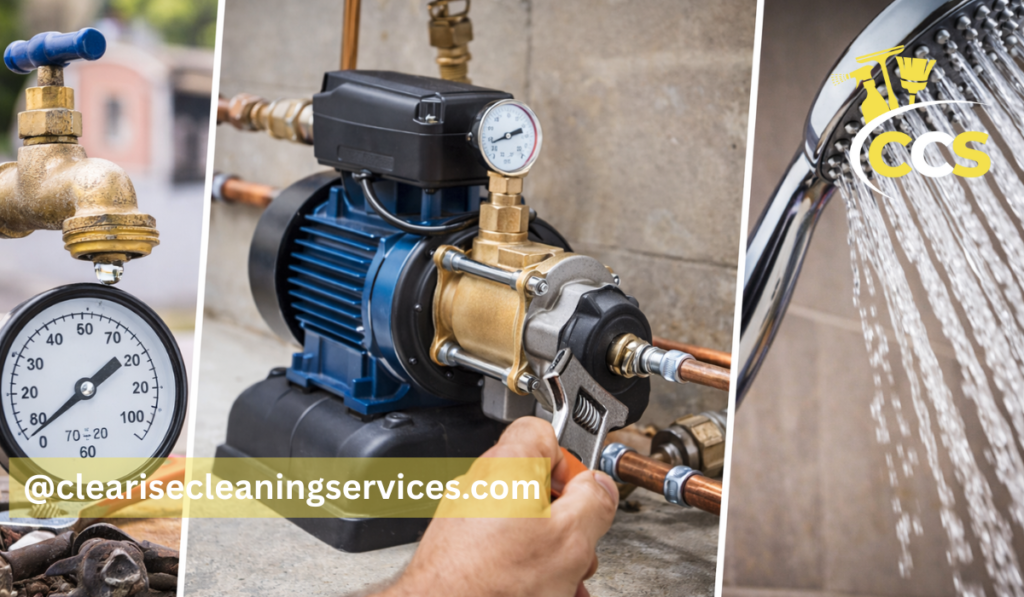
Water pressure plays a bigger role in everyday comfort than most people realize. From taking a relaxing shower to running the washing machine or washing dishes, steady water pressure helps everything work smoothly. When pressure is too low, simple tasks start taking longer, showers feel weak, and appliances may not perform as they should. That’s why many homeowners eventually ask the same practical question: how can you increase water pressure in your house without causing damage or unnecessary expense?
In most homes, water pressure is measured in PSI (pounds per square inch). A healthy range for residential properties is usually between 40 and 60 PSI. Pressure below this range often feels weak, especially in showers or upstairs bathrooms, while pressure that’s too high can strain pipes and fixtures. Understanding this balance is the first step toward fixing the problem safely, whether the issue affects the whole house or just one area like a bathroom or kitchen.
There are many reasons water pressure can drop over time, and the solution isn’t always complicated. Sometimes it’s as simple as adjusting the increase water pressure in house regulator, cleaning fixtures, or improving flow to a shower. In other cases, homeowners consider options like a water pressure booster or look for ways on how to increase water pressure in house for shower specifically. This guide walks through all practical and expert-backed approaches, helping you decide what works best for your home, budget, and water system.
What Causes Low Water Pressure in Your House? (Root Causes)
Low water pressure rarely happens without a reason. In most homes, the problem can be traced back to a few common causes related to plumbing setup, water supply, or system design. Understanding these root issues makes it much easier to decide how can you increase water pressure in your house in a safe and lasting way.
Partially Closed Valves & Regulators
One of the simplest—and most overlooked—causes of low water pressure is a valve that isn’t fully open. Every house has a main shut-off valve that controls how much water enters the property. If this valve is only partially open, it limits water flow to the entire house, leading to weak pressure at taps and showers.
Homes with a pressure regulator may face a similar issue. If the regulator is set too low or has shifted over time, it can quietly reduce pressure without any visible signs. Many homeowners discover that adjusting the increase water pressure in house regulator slightly brings immediate improvement without any major repairs.
Mineral & Limescale Buildup
In areas with hard water, mineral deposits are a very common cause of pressure problems. Over time, limescale builds up inside showerheads, faucet aerators, and even internal pipes. This buildup narrows the space where water flows, reducing pressure even if the supply itself is normal.
The effect is often most noticeable in showers, where small openings clog easily. This is why people frequently search for how to increase water pressure in house for shower, only to find that cleaning or replacing fixtures solves the issue.
Shared Water Lines or Municipal Limitations
Some homes, especially flats, apartments, or older neighborhoods, share water supply lines with nearby properties. When multiple homes use water at the same time, pressure can drop noticeably. This is common during peak hours such as mornings and evenings.
In other cases, the limitation comes from the municipal supply itself. If the city delivers water at a lower pressure, your home may never reach ideal PSI without additional support, such as system optimization or a water pressure booster.
Leaks & Clogs in Pipes
Hidden leaks are another major cause of low water pressure. Even a small leak diverts water away from fixtures, reducing pressure throughout the house. Because leaks often occur behind walls or underground, they can go unnoticed while pressure slowly declines.
Clogs inside pipes work in a similar way. Rust, debris, or mineral buildup restrict water movement, especially in older plumbing systems. When both leaks and clogs are present, pressure issues tend to worsen over time instead of staying consistent.
System Type (Combi Boilers & Pressure Limitations)
The type of water-heating system in your home also affects pressure. Combi boilers, for example, rely directly on the incoming mains supply. If the supply pressure is low, the hot water pressure will also be low, no matter how well the boiler is working.
This leads many homeowners to think the boiler itself is faulty, when the real issue is supply pressure or system design. In such cases, improving overall water flow or using compatible pressure solutions is often more effective than replacing the boiler.
Understanding these root causes helps narrow down the right fix and avoids unnecessary upgrades. Once you know why pressure is low, it becomes much easier to decide how to improve it safely and efficiently.
How to Tell if Your Water Pressure Is Low (Signs and Measurement)
Before trying to fix the problem, it’s important to confirm whether your home actually has low water pressure or if the issue is limited to a single fixture. Many people assume pressure is low based on how a shower feels, but there are clearer signs and simple ways to measure it accurately. Knowing this helps you choose the right solution when deciding how can you increase water pressure in your house.
Symptoms of Low Pressure
Low water pressure usually shows up in everyday tasks. One of the most common signs is a weak shower stream that never feels strong, even when fully turned on. Bathtubs may take a long time to fill, and sinks may produce a slow, uneven flow.
You might also notice delays when running appliances like washing machines or dishwashers, as they rely on steady pressure to operate efficiently. If multiple fixtures are used at the same time and the flow drops sharply, this often points to a broader pressure issue rather than a single blocked tap.
Measuring Water Pressure
The most reliable way to confirm low pressure is by measuring it with a simple water pressure gauge, which is inexpensive and easy to use. The gauge usually attaches to an outdoor tap or a washing machine connection.
Once connected, turn the water on fully and read the PSI value. In most homes, a normal range is 40–60 PSI. Readings below 40 PSI often explain weak flow, while anything significantly higher than 60 PSI may cause strain on pipes and fixtures. This measurement gives a clear baseline before making any adjustments, such as tweaking a regulator or considering a water pressure booster.
Why It Varies by Fixture
Water pressure doesn’t always feel the same throughout the house. If every tap and shower has weak flow, the problem is likely with the main supply, regulator, or incoming pressure. However, if low pressure is limited to one area—such as a single shower or bathroom sink—the cause is usually more localized.
Clogged aerators, mineral buildup, or a partially blocked valve can reduce flow at individual fixtures while the rest of the house remains unaffected. This distinction is important because it changes the solution. In many cases, people searching for how to increase water pressure in house for shower discover the fix is simply cleaning or replacing one component rather than changing the entire system.
Proven Ways to Increase Water Pressure in Your House
Once you understand the cause of low water pressure, the next step is choosing the right solution. Many pressure issues can be fixed with simple maintenance and small adjustments, without installing expensive equipment. These basic methods are often the first things professionals recommend when homeowners ask how can you increase water pressure in your house safely and effectively.
Basic Maintenance Solutions (Cheap & DIY)
Clean or Replace Showerheads & Aerators
Mineral buildup is one of the most common reasons water flow feels weak, especially in showers and taps. Over time, hard water leaves limescale deposits that partially block the small openings in showerheads and aerators.
A simple vinegar soak can make a big difference. Remove the showerhead or aerator, place it in a bowl of white vinegar, and let it soak for a few hours or overnight. After soaking, rinse thoroughly and gently scrub away loosened deposits. If the fixture is old or heavily clogged, replacing it may restore proper flow instantly. This is often the quickest answer for people looking for how to increase water pressure in house for shower.
Fully Open Valves and Regulator
Another easy fix is checking that all water valves are fully open. Start with the main shut-off valve where water enters your home. If it’s partially closed, water flow to every fixture is restricted.
Homes with a pressure regulator should also have it inspected. Over time, regulators can be set too low or drift from their original setting. Carefully adjusting the increase water pressure in house regulator—within safe limits—can noticeably improve pressure. This adjustment should be done slowly and cautiously to avoid stressing pipes.
Clear Clogs in Pipes & Fixtures
Blockages don’t always happen in visible places. Debris, rust, or mineral buildup inside pipes can gradually restrict water flow. Fixtures such as faucets, mixing valves, and flexible supply lines can also clog internally.
If pressure is low in just one area, removing and cleaning the affected fixture is usually enough. For older homes with metal piping, professional inspection may be needed to identify internal restrictions that aren’t visible from the outside.
Check for Hidden Leaks
Leaks reduce water pressure by diverting water away from where it’s needed. Even a small leak can lower pressure throughout the house over time. Signs of hidden leaks include unexplained water bills, damp spots, or the sound of running water when taps are off.
Checking visible pipes, inspecting crawl spaces, and monitoring your water meter when no fixtures are in use can help identify leaks. Fixing them not only improves pressure but also prevents water damage and waste.
Upgrade Fixtures to High-Pressure Designs
Modern plumbing fixtures are often designed to perform better at lower pressure levels. High-efficiency showerheads and faucets can deliver a stronger, more consistent stream without increasing water usage.
If your fixtures are outdated, upgrading them can noticeably improve everyday comfort. While this doesn’t increase actual pressure in the pipes, it improves how the water feels and flows, which is often the real goal for homeowners experiencing weak pressure.
These basic maintenance steps solve many pressure problems without major costs. If pressure is still low after trying them, more advanced solutions may be needed—but starting here helps rule out simple fixes first.
Intermediate & Professional Solutions
If basic maintenance does not solve the problem, the next step is to look at more advanced options. These solutions involve system adjustments, equipment upgrades, or professional plumbing work. They are often recommended when homeowners want a long-term answer to how can you increase water pressure in your house, especially when the issue affects the entire property.
Adjusting the Water Pressure Regulator (Booster Without Pump)
Many homes have a water pressure regulator installed near the main shut-off valve. Its job is to protect pipes by keeping pressure within a safe range. However, regulators are sometimes set too low or drift over time.
A plumber-approved approach is to adjust the regulator carefully:
- Turn off major appliances and taps.
- Locate the regulator (usually near the water meter).
- Loosen the lock nut on the adjustment screw.
- Turn the screw slightly clockwise to increase pressure.
- Check the PSI using a pressure gauge.
- Stop once pressure reaches a safe level, usually no more than 60 PSI.
This method can noticeably improve flow without installing a pump, making it a practical option for homeowners who want better pressure with minimal changes.
Water Pressure Boosters & Booster Pumps
When incoming water pressure from the main supply is consistently low, a booster pump may be necessary. A water pressure booster works by increasing the force of water entering the home, ensuring steady flow even during peak usage times.
This option is common when people search for how to increase water pressure in house with pump, especially in areas with weak municipal supply. Booster pumps activate automatically when water is used and maintain consistent pressure throughout the system. While effective, they should be installed by a professional to ensure compatibility with existing plumbing and local regulations.
Pressure Booster for Flats or Multi-Story Homes
Flats and multi-story homes often experience pressure loss due to gravity. Upper floors may receive significantly weaker flow than lower levels. In these cases, constant-pressure systems or multi-stage booster pumps are commonly used.
These systems are designed to deliver balanced pressure to all floors without sudden drops when multiple fixtures are used. For apartment buildings, shared booster systems may be installed to improve pressure evenly across units.
Professional Pipe Work & Larger Pipes
In older homes, pipe diameter can be a limiting factor. Narrow or corroded pipes restrict water flow, even if pressure at the source is adequate. Upgrading to larger-diameter pipes allows more water to move freely through the system, improving overall performance.
This solution is more invasive and costly, but it provides lasting results. It’s often recommended during major renovations or when plumbing systems are already being replaced.
Special Cases & Unique Situations
Some water pressure issues depend heavily on property type, system design, or usage habits. These special cases require a more tailored approach.
Increasing Water Pressure in a New House
In a new house, low water pressure is often linked to installation settings rather than wear and tear. Regulators may be set conservatively, or valves may not be fully opened during construction.
Checking that all components are properly installed and adjusted is usually enough. Builders often leave systems set to minimum safe pressure, so a professional inspection can quickly resolve the issue.
Flats, Apartments & Shared Lines
Shared infrastructure is a common reason for pressure problems in flats and apartments. When several units draw water at the same time, pressure naturally drops. This is especially noticeable during mornings and evenings.
Solutions may include individual pressure boosters, upgraded internal piping, or working with building management to improve shared systems. Understanding these limits helps set realistic expectations and avoids unnecessary upgrades.
How Can You Increase Water Pressure in Your House Naturally
Not every solution requires equipment or mechanical changes. Natural methods focus on improving flow rather than forcing pressure. These include elevating water storage tanks where possible, reducing friction inside pipes, and optimizing fixture placement.
Reducing simultaneous water use—such as avoiding laundry during showers—can also improve perceived pressure. These small changes are especially helpful in homes where mechanical upgrades are not practical.
Without a Pump (Natural / Manual Optimisation)
For homeowners who prefer not to install a pump, manual optimization can still deliver noticeable improvements. Regular cleaning of fixtures, ensuring valves are fully open, and scheduling water use strategically all help maintain steady pressure.
These methods may not dramatically increase PSI, but they often solve everyday issues and improve comfort without added complexity or cost.
Shower-Specific Pressure Solutions
Showers are usually the first place where low water pressure becomes noticeable. A weak or inconsistent shower can be frustrating, even if the rest of the house feels mostly fine. For this reason, many homeowners specifically search for how to increase water pressure in house for shower rather than improving pressure everywhere. The good news is that shower-related pressure issues often have targeted and practical solutions.
Shower Pumps & Boosters for Better Flow
Shower pumps are designed to increase the flow of water to the shower only, rather than boosting pressure throughout the entire house. These can be effective in homes with gravity-fed systems or storage tanks, where natural pressure is limited.
However, they are not suitable for every setup. Homes with combi boilers usually cannot use traditional shower pumps because the hot water supply comes directly from the mains. In these cases, installing a pump may do nothing or even damage the system. For combi boiler homes, improving incoming water pressure or using a compatible water pressure booster for the whole house is often the better option.
A professional assessment is important before installing any pump, as the wrong choice can lead to inconsistent temperatures or system strain.
Descaling & Removing Flow Restrictors
Mineral buildup is one of the most common causes of poor shower performance. Limescale clogs the small spray holes in showerheads, reducing the strength and spread of the water stream. Regular descaling with vinegar or a descaling solution can restore proper flow.
Some showerheads also include flow restrictors designed to limit water usage. While these help conserve water, they can make pressure feel weak in low-pressure homes. In certain cases, removing or replacing a restrictive showerhead with a high-pressure model improves the shower experience without changing the plumbing system.
Timing & Usage Strategies
Water pressure naturally drops when multiple fixtures are used at the same time. Running a washing machine, dishwasher, or multiple taps while showering divides the available flow.
One of the simplest ways to improve shower pressure is to avoid competing water use during shower time. Scheduling laundry or dishwashing for later can make a noticeable difference, especially in smaller homes or flats with limited supply.
Long-Term Maintenance & Prevention Tips
Improving water pressure is only part of the solution. Keeping it consistent over time requires regular care and a few preventative habits. Long-term maintenance not only helps maintain good flow but also reduces the chance of sudden pressure drops in the future.
Regular Inspections & Cleaning
Routine inspections help catch small issues before they turn into bigger problems. Checking showerheads, faucet aerators, and visible pipe connections every few months can prevent scale buildup and hidden restrictions.
Cleaning fixtures regularly, especially in hard water areas, keeps water flowing smoothly. Even a quick rinse or light descaling can prevent gradual pressure loss that often goes unnoticed until it becomes frustrating.
Water Softening Systems to Reduce Buildup
In homes with hard water, mineral buildup is one of the leading causes of declining water pressure. Installing a water softening system reduces calcium and magnesium deposits before they enter your plumbing.
Over time, softened water helps protect pipes, fixtures, and appliances from internal clogging. While a softener does not increase pressure directly, it preserves flow efficiency and prevents the slow pressure loss caused by scale buildup.
Seasonal & Usage-Based Checks
Water pressure can change depending on the season and how heavily the system is used. In colder months, pipes may contract slightly, while in warmer months, higher demand from outdoor use can affect pressure.
It’s also common for pressure to dip during periods of heavy household use, such as when guests stay over or multiple appliances run at once. Being aware of these patterns helps you adjust usage and identify when pressure changes are normal versus when they signal a problem.
Conclusion
Low water pressure is a common household issue, but it’s rarely unsolvable. Whether the cause is mineral buildup, valve settings, shared supply lines, or system design, there are practical ways to improve flow and comfort. Understanding how can you increase water pressure in your house starts with identifying the root cause and choosing the right solution for your situation.
Many homes see noticeable improvements through simple DIY steps such as cleaning fixtures, adjusting the pressure regulator, or fixing small leaks. Others may benefit from natural approaches, like optimizing water use or improving flow without a pump. In cases where supply pressure is consistently low, equipment such as a water pressure booster or professional pipe upgrades may be the most effective option.
The key is to start with the least invasive solutions and work upward only if needed. If pressure remains low despite maintenance and adjustments, or if you’re unsure about making system changes, calling a qualified plumber is the safest choice. With the right approach, steady and reliable water pressure is achievable for most homes without unnecessary expense or risk.
FAQs
How Can You Increase Water Pressure In Your House Naturally?
You can improve water pressure naturally by cleaning showerheads and aerators, fully opening all valves, fixing small leaks, and avoiding using multiple water fixtures at the same time. These steps improve flow without using a pump.
How To Increase Water Pressure In House For Shower Only?
Start by descaling or replacing the showerhead, checking for flow restrictors, and making sure other taps or appliances are not running during showers. In some homes, a shower-specific booster may help if the system allows it.
Can Adjusting The Pressure Regulator Increase Water Pressure In The House?
Yes, if your home has a pressure regulator set too low, careful adjustment can improve pressure. Always stay within a safe range (usually under 60 PSI) to avoid pipe damage.
How To Increase Water Pressure In House Without A Pump?
You can improve pressure without a pump by cleaning fixtures, removing clogs, fixing leaks, optimizing water usage timing, and ensuring valves are fully open. These steps often solve mild to moderate pressure issues.
When Do You Need A Water Pressure Booster Pump?
A booster pump is usually needed when the main water supply pressure is consistently low, especially in multi-story homes, flats, or areas with weak municipal supply.
Why Is Water Pressure Low In A New House?
In new houses, pressure issues are often caused by regulator settings, partially closed valves, or installation adjustments rather than damaged pipes. A system check usually solves the issue.
Is Low Water Pressure Dangerous For Plumbing?
Low pressure itself is not dangerous, but trying to increase it improperly can cause damage. Any major adjustments or pump installations should follow professional guidelines.
Disclaimer: This article is for general informational purposes only. Water pressure systems vary by home, plumbing design, and local regulations. Before adjusting pressure regulators, installing pumps, or making major plumbing changes, consult a qualified plumber or professional. Improper adjustments may damage pipes, appliances, or fixtures.
Thanks for visiting Clearise Cleaning Services! Discover more helpful tips and expert cleaning insights by exploring our related categories.