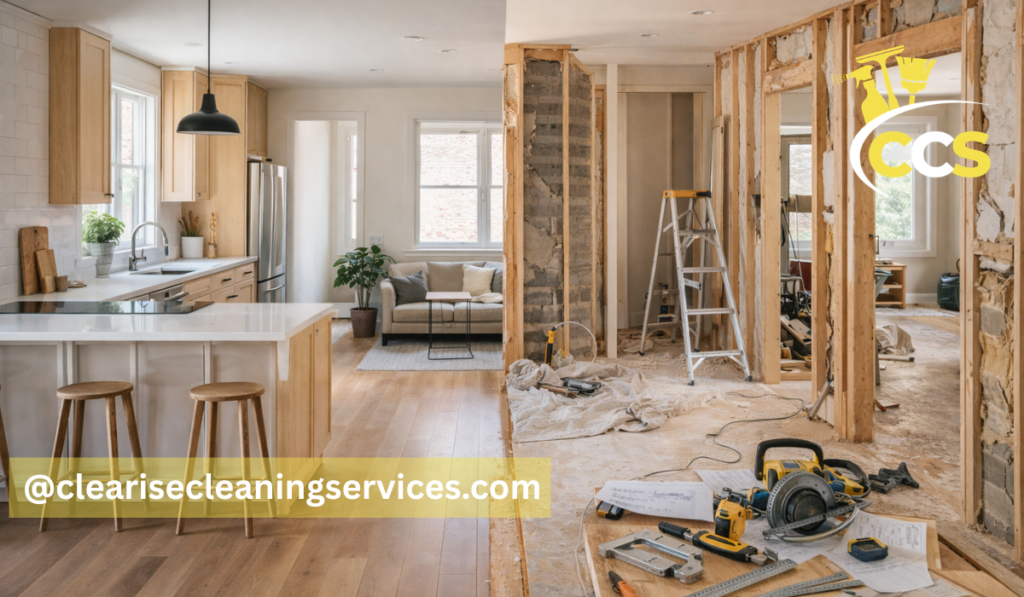
Renovating a home feels exciting at first—new ideas, fresh spaces, and the chance to fix what has been bothering you for years. But very quickly, it can get messy and stressful if you don’t have a clear plan. Small decisions (like lighting, layout, materials, and budget) pile up fast, and without structure, people often waste time, overspend, or end up with results that don’t feel right.
In this guide, how to design home renovation homenumental means using a purpose-first renovation approach. “Homenumental” focuses on designing your home around real life, not just trends. The goal is to balance function + beauty + durability + lifestyle fit, so your renovation looks good, works better every day, and holds up over time—especially if your home is busy with family routines.
This article will give you a clear roadmap you can follow from start to finish. You’ll learn how to move step-by-step through the process—starting with defining your goals, then setting a realistic budget, building the design plan, hiring the right people, managing the renovation work, and finally adding finishing touches that make the space feel complete.
What “Homenumental” Means in Home Renovation Design
When people search how to design home renovation homenumental, they are usually looking for a practical method, not just decoration ideas. Homenumental design means planning your renovation around real life first. Instead of following trends, you focus on how your home works daily, how it feels emotionally, and how long it will last.
It is a purpose-first approach that balances usability, comfort, and long-term value.
The 3 Pillars: Function, Feel, and Future-proofing
A strong renovation stands on three simple pillars.
Function is about daily living. It includes layout, storage, lighting, and how easily you move through the space. A functional home reduces stress and saves time.
Feel relates to style and comfort. This includes colors, materials, lighting warmth, and the overall atmosphere. A home should not only work well but also feel calm and welcoming.
Future-proofing focuses on durability and flexibility. It means choosing strong materials, planning adaptable layouts, and avoiding short-term trends that age quickly.
Quick summary:
- Function: how you live daily
- Feel: style + comfort
- Future-proofing: durability + flexibility
Renovation vs Remodel (So You Plan Correctly)
A renovation usually means updating what already exists—new flooring, paint, cabinets, or fixtures—without changing the main structure.
A remodel changes the structure or layout, such as moving walls, expanding rooms, or relocating plumbing.
This difference affects:
- Permits
- Timeline
- Overall cost
Understanding this early helps you plan realistically and avoid unexpected delays or expenses.
Audit Your Current Home Like a Designer (Not Like a Homeowner)
Before buying materials or hiring anyone, pause and study your home carefully. Most renovation mistakes happen because people design emotionally, not logically. A designer doesn’t ask, “What looks nice?” first. They ask, “What isn’t working, and why?”
When learning how to design home renovation homenumental, this audit step is where clarity begins. You’re identifying friction points in daily life so your renovation solves real problems—not imaginary ones.
Walk-Through Checklist (What Works, What Fails, What Frustrates You)
Walk slowly through each room at different times of the day. Notice how you move, where clutter gathers, and where you feel inconvenience.
Look closely at:
- Layout bottlenecks – tight corners, blocked walkways, poor furniture placement.
- Storage pain points – overflowing cabinets, missing drawers, no drop zone.
- Lighting issues – dark corners, harsh overhead light, lack of task lighting.
- Noise zones – echoing rooms, loud doors, thin walls.
- Traffic flow – awkward paths between kitchen, entry, and bedrooms.
Write everything down. Small daily frustrations often reveal the biggest design improvements.
“Before Photos + Measurements” System (Fast but Powerful)
Documentation makes your renovation decisions smarter. Take clear photos of every wall and corner before making changes. This helps you compare progress and plan accurately.
Capture:
- Full-room photos from multiple angles
- Rough sketches of layout
- Outlet and switch locations
- Window sizes
- Ceiling heights
These details prevent expensive mistakes later, especially when ordering cabinets, lighting, or built-ins.
Audit Through a New-Parent Lens
If you have a baby or plan to, look at your home differently. Safety, quiet, and convenience become priorities very quickly.
Pay attention to:
- Night-lighting zones for safe late-night movement
- Quiet door hardware to avoid waking sleeping children
- Easy-clean surfaces near feeding or play areas
- Stroller parking space near entryways
- Laundry flow between bedrooms and washing area
A Homenumental renovation anticipates these needs instead of reacting to them later.
Set Renovation Goals That Don’t Collapse Mid-Project
Once you understand what’s not working, the next step in how to design home renovation homenumental is setting clear, structured goals. Without this step, projects grow uncontrollably. Costs increase, timelines stretch, and decisions become emotional.
Strong renovation goals are specific and realistic. They protect your budget and keep everyone aligned when stress rises.
The “Must-Have / Nice-to-Have / Later” Method
This simple method prevents budget fights and scope creep. Instead of listing everything you want in one category, divide ideas into three levels of importance.
- Must-have: Essential fixes (layout correction, safety upgrades, storage, lighting).
- Nice-to-have: Improvements that enhance comfort but aren’t critical.
- Later: Ideas you can delay without regret.
When unexpected costs appear—and they often do—this system helps you adjust without panic. You cut from “later,” not from essentials.
Design in Zones (Not Only Rooms)
Many homeowners think room-by-room. Designers think in zones. A zone is based on activity, not just walls.
For example:
- A drop zone near the entrance for shoes, bags, and keys.
- A snack zone in the kitchen that avoids traffic conflict.
- A charging zone for devices.
- A homework or play zone that stays organized.
Designing in zones improves flow and reduces clutter because it matches how people actually use the space.
Define Your “Non-Negotiables”
When choices become overwhelming, non-negotiables guide you. These are standards you refuse to compromise on.
Common non-negotiables include:
- Safety
- Proper airflow and ventilation
- Adequate storage
- Good lighting
By deciding these early, your renovation stays consistent even when trends or opinions try to pull you off track.
Budget Like a Pro (and Protect It)
A smart renovation plan always connects design to budget. Even the best ideas fail without financial structure. A Homenumental approach respects numbers from the beginning, not after decisions are made.
Build a Realistic Renovation Budget (With a Contingency)
Start by estimating materials, labor, permits, and professional fees. Then add a 10–15% contingency fund. This is standard practice in professional renovation planning.
Unexpected costs usually appear in:
- Plumbing upgrades
- Electrical rewiring
- Structural corrections
- Hidden water damage behind walls
The contingency is not extra spending money. It is protection against stress and rushed decisions.
Cost Priorities That Give the Best ROI (Without Hype)
High return doesn’t always mean expensive upgrades. Often, simple improvements make the biggest difference.
Paint, lighting upgrades, and layout corrections usually improve daily experience more than ultra-trendy finishes. Improving how a space functions often delivers more long-term value than decorative upgrades.
Focus on what improves comfort and usability first. Style enhancements can follow.
Smart “Value Engineering” Swaps
Value engineering means achieving the same visual impact at a lower cost.
For example:
- Quartz instead of premium natural stone
- Engineered wood instead of solid hardwood in moisture-prone areas
- Standard tile installed in a creative layout pattern
These swaps maintain quality while protecting your budget.
Create a Homenumental Design Direction (Style + Cohesion)
Once goals and budget are clear, it’s time to shape the visual direction. This is where many renovations lose focus because too many styles mix together.
A Homenumental design direction is calm, intentional, and consistent.
Inspiration Boards That Lead to Decisions (Not Endless Scrolling)
Gather inspiration with purpose. Instead of collecting hundreds of images, create one focused mood board that reflects the atmosphere you want.
Also create a small “no list”—styles, colors, or materials you want to avoid. This prevents conflicting decisions later.
A clear board speeds up material selection and reduces second-guessing.
Pick a Whole-Home Palette
Homes feel more expensive and well-designed when the color palette flows naturally from room to room.
Start with:
- A base neutral tone
- One or two accent families
- Consistent metal and wood tones
This creates cohesion without making every room look identical.
Uncommon but High-Impact Cohesion Tricks
Small repeated details make a big visual impact. Instead of repeating everything, repeat one or two signature elements throughout the home.
For example:
- The same oak finish in different rooms
- A subtle curve shape in mirrors or furniture
- A consistent lighting temperature
- One hardware style across cabinets and doors
These quiet repetitions create harmony and make the renovation feel intentional rather than random.
Plan the Layout First (Because Layout Is the Real Luxury)
In how to design home renovation homenumental, layout comes before finishes for a reason. A beautiful countertop won’t fix a cramped walkway. Expensive tiles won’t help if the kitchen still feels stressful. Layout is what makes a home feel “easy,” and that comfort is the real luxury.
A strong layout plan focuses on movement, daily routines, and the small details that reduce friction. When you get this right, almost every other design choice becomes simpler.
Traffic Flow Rules (Entry → Kitchen → Living → Bedrooms)
Start by mapping how people move through your home during a normal day. The best layouts reduce crossing paths and make the “most used routes” feel open and natural.
Parents especially notice traffic flow because so many moments happen with hands full—carrying a baby, groceries, laundry baskets, or a stroller. If the entry is tight, if the kitchen blocks the walkway, or if bedrooms feel too exposed to noise, the home becomes tiring.
A good rule is to keep main pathways clear, avoid sharp bottlenecks near doors, and make sure the busiest route (entry to kitchen) doesn’t cut through a quiet space like a sleeping area.
Storage Planning That Prevents Clutter Before It Starts
Storage is not a “later” problem. It is part of design. The goal is to create storage where clutter naturally happens, so mess does not spread across the home.
Smart storage planning often includes vertical storage for small homes, hidden storage for clean visual space, and deep drawers where you can actually see and reach items. Kitchens and pantries feel better when storage is zoned by use—daily items in easy reach, occasional items higher or deeper.
A few high-value storage ideas (short bullets):
- Vertical storage and tall cabinets
- Hidden storage where possible
- Deep drawers (more useful than shelves)
- Toe-kick drawers for extra space
- Pantry zoning (breakfast, snacks, cooking, backstock)
Flexible Design (Adaptable Interiors)
A Homenumental renovation also thinks ahead. Life changes—kids grow, work patterns shift, and needs evolve. Flexible design helps the home adapt without another major renovation.
A simple strategy is to keep “permanent” choices neutral and timeless—floors, cabinets, large tiles, fixed lighting—and then use swappable pieces for personality. Rugs, art, pillows, window treatments, and accent paint can change later without major cost. This keeps your home current while protecting your investment.
Materials That Look Great and Survive Real Life
Materials are where many renovations either become easy to live with or become a constant source of stress. The Homenumental approach chooses finishes that still look good after daily wear, not just on installation day.
If you have kids, pets, or a busy household, durability should be part of style—not separate from it.
Durable, Family-Friendly Picks (Floors, Paint, Counters, Fabrics)
Pick materials based on how they perform under real use. Floors should resist scratches and dents. Paint should be washable. Counters should resist stains and heat. Fabrics should clean easily without looking worn.
It helps to think in “high-touch zones” like entryways, kitchens, dining spaces, and kids’ play areas. Those areas need stronger finishes than low-traffic spaces like a guest room.
Health & Safety Choices (Low-VOC, Ventilation, Moisture Control)
Healthy choices matter during renovations because fresh paint, adhesives, and sealants can release strong odors and compounds—especially during the first days. Low-VOC paints and finishes are often a safer choice for indoor comfort, particularly in nurseries and kids’ rooms.
Ventilation is just as important as product choice. Even “better” materials can feel unpleasant if airflow is poor. Planning airflow, exhaust fans, and proper drying time reduces irritation and helps the home feel comfortable faster.
Bathroom/Kitchen Moisture Strategy (Mold Prevention)
Moisture control is one of the most overlooked parts of renovation design, and it can cause long-term damage if ignored. Bathrooms and kitchens need the right waterproofing approach behind the scenes—not just pretty tile.
A practical moisture strategy includes proper waterproofing in wet zones, choosing surfaces that can be maintained, and using ventilation that actually clears humidity.
Key planning points:
- Waterproofing basics for showers and wet walls
- Fan sizing mindset (strong enough to remove moisture, not just “installed”)
- Grout and caulk maintenance planning (easy access, realistic upkeep)
Lighting Design (Where Most Renovations Accidentally Fail)
Lighting is often treated as an afterthought, but it controls how your renovation feels every day. A beautiful room can feel dull or stressful if lighting is harsh, uneven, or poorly placed.
The goal is not “more light.” The goal is the right light in the right places.
Layered Lighting: Ambient + Task + Accent
Good lighting uses layers. Ambient lighting creates overall brightness. Task lighting supports specific work like chopping food, reading, or applying makeup. Accent lighting adds depth and highlights design features.
When all lighting comes from one ceiling fixture, rooms often feel flat or uncomfortable. Layering creates comfort and flexibility.
Parent-Friendly Lighting Upgrades
Parents benefit from lighting that supports nighttime routines without waking the whole home. Small lighting upgrades can change daily life more than expensive decor.
Helpful upgrades include motion night lights in hallways, dimmers in bedrooms, and under-cabinet lighting in kitchens for late-night feeds or snacks.
Natural Light Improvements Without Big Structural Changes
You don’t always need bigger windows to improve natural light. Smart design choices can brighten a home using what you already have.
Simple improvements include placing mirrors where they bounce daylight, using paint with better light reflectance, and choosing window treatments that offer privacy without blocking sunlight.
Permits, Plans, and “Do I Need a Pro?”
A big part of how to design home renovation homenumental is knowing when to bring in professionals and when you can safely handle things yourself. Permits and planning might feel boring, but they protect you from delays, legal issues, and expensive rework. If your project involves structure, plumbing, or electrical changes, planning is not optional—it’s the foundation of a smooth renovation.
When You Need an Architect, Structural Engineer, or Designer
You usually need expert help when the renovation affects the “bones” of the home. If you’re moving walls, changing load-bearing structure, adding an extension, or relocating plumbing lines, it’s wise—and often required—to involve the right professional.
A designer can be helpful even on smaller projects when you want cohesion across the whole house. Many people overspend simply because they don’t have a clear plan for finishes, measurements, and layout. A professional can reduce those costly mistakes.
Contractor vs Design-Build vs DIY (Simple Comparison)
A contractor typically builds what is planned. You may hire a designer separately, or you may handle design yourself and the contractor executes the work.
A design-build team combines design and construction under one company. This can simplify communication because there’s one main system managing the project from start to finish.
DIY is best for small, low-risk tasks like painting, simple hardware swaps, basic decorating, or minor cosmetic changes. For anything involving water, wiring, structure, or permits, DIY can become expensive if mistakes happen.
Paperwork Checklist (Basic but Essential)
Paperwork keeps the project clear, fair, and controlled. Even if you trust your contractor, written details prevent misunderstandings.
Keep these items in writing:
- Scope of work
- Drawings (even simple ones)
- Inclusions list (what is included and what is not)
- Timeline and milestones
- Payment schedule
- Warranty details
Hiring the Right Contractor (EEAT Trust Section)
Choosing the right contractor can make your renovation feel smooth—or turn it into a constant problem. A trustworthy contractor is not only skilled, but also organized, transparent, and consistent in communication. In a Homenumental renovation, you want someone who respects planning, protects your budget, and understands your home as a real living space—not just a job site.
Vetting Checklist (Licenses, Insurance, References, Portfolio)
The best contractors are comfortable proving credibility. They can show proper licensing (where required), insurance, and a portfolio that matches your project type. References matter too, especially from recent clients with similar work.
A quick way to vet is to ask for examples of finished work, then ask how the process went. If multiple clients mention good communication and clean timelines, that’s a strong signal.
Questions That Reveal Quality Quickly
Good questions expose how a contractor runs the project, not just how well they talk.
Ask:
- Who manages subcontractors on-site?
- How do you handle change orders and pricing updates?
- What is your communication schedule—daily, weekly, or only when needed?
A professional answer sounds structured and calm, not vague or defensive.
Red Flags That Cost Homeowners the Most
Most renovation disasters have predictable warning signs. Pay attention early, even if the price looks attractive.
Common red flags include vague quotes, no written scope, unrealistic timelines, and pressure for large upfront payments. A serious professional explains details clearly and documents them.
Timeline + Phasing (How to Renovate Without Losing Your Mind)
A realistic timeline prevents panic. Many people plan renovations based on hope instead of process. In real projects, work happens in stages—planning, demolition, rough-ins, inspections, finishes, and final fixes. If you accept that early, you’ll make calmer decisions and avoid constant disappointment.
Build a Realistic Timeline (Planning, Demo, Rough-Ins, Finishes)
A stable renovation timeline includes time for design decisions, materials ordering, and inspections. Even if the build is fast, delays often come from waiting for supplies or discovering hidden issues behind walls.
The more your renovation changes layout, plumbing, or wiring, the more you should expect a longer schedule.
Phasing Strategy for Families/New Parents
If your home is busy, phasing matters. A renovation can be manageable if you protect daily life first.
Key strategies include setting up one “safe room,” planning dust control, creating a nap-time noise plan, and setting up a temporary kitchen area if your main kitchen will be unusable.
The Change-Order Rule
Any change during the build should be handled like a business decision. If something changes, it must be written with cost and timeline impact—otherwise it will create confusion, conflict, and surprise bills.
A simple rule helps: Any change = written cost + timeline impact.
Room-by-Room Homenumental Design Ideas (Practical + Uncommon)
Room-by-room planning helps you apply the same Homenumental logic across the whole home. The goal is not to make every room “fancy,” but to make every room feel intentional, easy to use, and durable.
Kitchen
A practical kitchen is designed around how you cook, not just how it looks. The classic work triangle can still work in some homes, but many modern kitchens perform better with work zones—prep zone, cooking zone, cleaning zone, and storage zone—especially for families.
Drawer-first storage often reduces frustration because you can see items easily. An appliance garage keeps counters clear, and an easy-clean backsplash makes daily life simpler.
Living Room
A family-friendly living room can still look stylish. The trick is choosing storage that is visible and easy to access, so clean-up is fast. Wipeable textiles and performance fabrics help the room stay presentable without constant worry. Flexible seating (like a movable chair or storage ottoman) supports changing needs—guests, playtime, or quiet evenings.
Bathroom
Bathrooms feel more functional when they include small “daily-life” upgrades. Double hooks reduce towel mess, niche shelving prevents clutter on edges, and anti-slip flooring improves safety. Warm lighting (instead of harsh white light) makes the space feel calm and flattering.
Bedrooms & Nursery
Comfort and sleep quality come first here. Sound-softening choices like rugs, curtains, and upholstered elements can reduce echo and noise. Blackout strategy matters more than most people expect, especially for naps. Safe storage is also key—drawers and closed cabinets reduce visual clutter and improve safety.
Entry / Mudroom
This space controls the entire home’s cleanliness. A drop zone prevents clutter spreading inward, shoe storage keeps pathways clear, and stroller parking saves daily frustration. A charging shelf can quietly solve “where is the phone?” chaos.
Laundry
Laundry flow is easier when it has zones: sorting, washing, drying, and folding. A folding counter reduces pile-ups, and a small “stain station” makes quick cleaning more realistic.
Outdoor / Garden (Optional Bonus Section)
Simple outdoor upgrades can feel surprisingly high-end. Path lighting improves safety and atmosphere. A storage bench adds seating and organization, and low-maintenance planting reduces long-term work while still making the outdoor area feel designed.
Budget-Friendly Homenumental Upgrades That Look High-End
Not every upgrade needs a big budget. Some changes create a premium feel because they improve the experience of the space.
Fast wins often include paint and lighting upgrades. Hardware swaps, trim refresh, and one statement feature—like a tile wall, soft arch detail, or simple built-in—can make a home feel more intentional without major construction.
Common Mistakes to Avoid (and How to Fix Them)
Many renovation mistakes come from rushing decisions. Designing before budgeting often leads to disappointment because you fall in love with options you can’t comfortably afford. The fix is to set budget ranges early and choose design within those limits.
Chasing trends that don’t fit your lifestyle also creates regret. If your home is busy, focus on durability and function first, then add style in manageable layers.
Skipping ventilation and waterproofing planning creates long-term damage that is expensive to repair. Treat airflow and moisture control as essential, not optional.
Underestimating storage needs makes even a beautiful renovation feel messy. The fix is to design storage where clutter naturally happens, not where it looks good on paper.
Quick Checklist — Your Homenumental Renovation Plan (Printable-Style)
- Goals defined
- Measurements/photos done
- Mood board + palette locked
- Budget + contingency set
- Layout approved
- Materials selected
- Contractors vetted
- Timeline + phasing planned
- “Safe room” ready (for families)
- Final walk-through + punch list
Conclusion
A successful renovation is not about copying a perfect photo. It is about solving real-life problems, creating a calm and consistent design direction, and choosing durable materials that stay practical over time. When you combine purpose-first planning with clear budgeting, smart layout, and trustworthy professionals, the renovation becomes more predictable and far less stressful.
In the end, how to design home renovation homenumental is about building a home that feels good now—and works even better later.
FAQs
1. What Does “How To Design Home Renovation Homenumental” Actually Mean?
It refers to a purpose-first renovation approach where function, comfort, durability, and lifestyle needs are planned before decorative decisions. Instead of focusing only on trends, this method prioritizes layout, storage, lighting, and long-term usability.
2. Is Homenumental Renovation Suitable For Small Homes?
Yes. In fact, this approach works especially well in small homes because it focuses on smart layout planning, vertical storage, and multi-use zones. When space is limited, function becomes even more important.
3. How Much Budget Should I Keep As Contingency During Renovation?
A common professional recommendation is to keep 10–15% of your total renovation budget as contingency. This helps cover hidden plumbing issues, electrical upgrades, or structural surprises without financial stress.
4. Do I Need A Professional Designer For A Homenumental Renovation?
Not always. For cosmetic upgrades, you may manage with proper planning. However, if your project includes structural changes, moving walls, or major plumbing and electrical work, consulting an architect or designer is highly recommended.
5. What Is The Biggest Mistake People Make During Home Renovation?
One of the biggest mistakes is designing before setting a realistic budget. This often leads to overspending or last-minute compromises. Planning layout, budget, and priorities first prevents most renovation stress.
Disclaimer: This article is intended for informational and educational purposes only. Renovation requirements, building codes, permit rules, and costs may vary depending on location and project scope. Always consult qualified professionals, licensed contractors, or local authorities before starting structural, plumbing, or electrical work. The information provided here does not replace professional architectural, engineering, or financial advice.
Thanks for visiting Clearise Cleaning Services! Discover more helpful tips and expert cleaning insights by exploring our related categories.