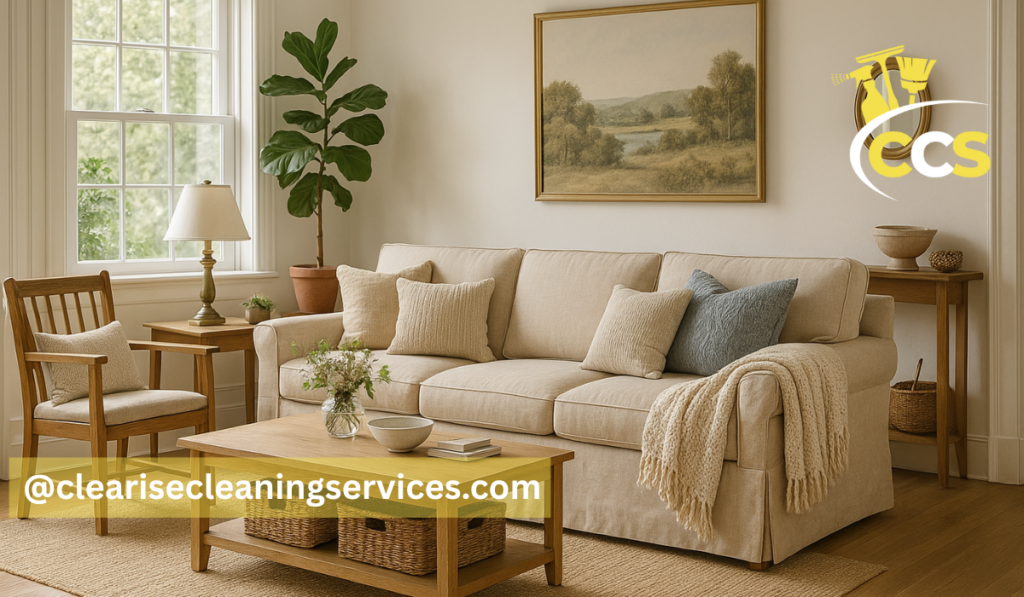
Martha Stewart home decor is more than a recognizable name on a label. Over the years, it has evolved into a design philosophy that blends timeless style, everyday functionality, and a warm sense of comfort. When people refer to “Martha Stewart style,” they’re usually describing a home that looks polished but never pretentious, elegant but still lived-in, and thoughtfully designed without feeling overcomplicated. It’s a style that respects tradition, embraces nature, and makes a space feel welcoming for real people, not just for photographs.
One of the reasons this approach resonates with so many homeowners—especially new parents and families—is that it recognizes that a home isn’t just a place to display beautiful decor. It’s a space where people live, grow, host guests, raise children, and adapt to constant change. Martha’s design sensibility acknowledges that reality. Instead of pushing fast trends, it focuses on quality, durability, and purposeful choices that stand up to daily life. This makes the style appealing to those who want their homes to feel organized, cozy, and visually pleasing without sacrificing comfort or practicality.
This guide explores Martha Stewart home decor in a way that reflects those values. Throughout the article, we’ll break down essential ideas and room-by-room design strategies that help you build a calm, cohesive interior. You’ll find insights about color palettes, furniture choices, and materials, plus advice on how to layer your space with textiles, plants, and meaningful objects. We’ll also explore seasonal and holiday decor, because Martha’s influence is felt strongly in how people decorate for Christmas, Halloween, and other celebrations.
In addition, we’ll look at affordable shopping options, how to evaluate Martha Stewart products, and where to find them online, including marketplaces and major retailers. You’ll also find expert-backed tips, practical suggestions for busy families, and ways to design a home that’s both beautiful and functional.
Whether you’re refreshing a room or starting from scratch, this article aims to help you create a home that feels intentional, personal, and enduring—just like the Martha Stewart aesthetic itself.
The Core Philosophy Behind Martha Stewart’s Home Decor Style
Martha Stewart’s approach to home decor has always been rooted in a clear purpose: a home should reflect how you want to live, not just how you want it to look. This perspective sets her apart from trend-driven design styles that prioritize visuals first and function later. Instead of building a space around flashy pieces, Martha focuses on intention, comfort, and timeless sensibilities that hold up through everyday life.
Designing With Intention
A central idea behind Martha’s philosophy is that decorating a home is less about “filling rooms” and more about understanding how each space serves the people who use it. That means taking into account lifestyle, routines, family needs, and the emotional experience of being in a room. For some households, that means a living room that encourages connection—with cozy seating, warm lighting, and space for kids to play. For others, it might mean a more structured, adult-focused environment with curated art and elegant furniture.
The goal isn’t perfection—it’s alignment. Your home should support your values, whether that means sustainability, comfort, creativity, or simplicity.
Quality Over Quantity
Another defining feature of Martha Stewart home decor is a preference for long-lasting, well-made pieces instead of quick or disposable items. Rather than buying what’s trending, her approach encourages people to invest in items that:
- age well
- perform well
- are practical to maintain
- feel timeless rather than temporary
This philosophy doesn’t mean everything must be expensive. It simply asks the homeowner to value purpose and longevity when choosing decor. A solid wooden dining table that lasts 20 years will always make more sense than a flimsy piece that looks stylish for one season. For families, this mindset often leads to fewer, better items, which can mean less clutter and more ease in daily life.
Natural Elements & Simple Elegance
Martha’s style is visually recognizable because of its quiet, understated character. Neutral color palettes, natural materials, soft textiles, and botanical accents create spaces that feel calming, restorative, and organically beautiful. Rather than overwhelming a room with bold patterns or saturated colors, she uses subtle layers—wood, cotton, linen, fresh greenery—to build texture and depth.
Bringing in plants or seasonal branches isn’t just decorative; it creates a living connection to nature, adds movement, softens lines, and improves air quality. A simple vase of fresh greens can change the tone of a room without adding visual noise. The result is elegance without effort, a style that feels relaxed but polished.
Functionality Meets Aesthetics
A theme you’ll see in almost every Martha Stewart space is the balance between appearance and practicality. She designs with the assumption that homes need to withstand cooking, pets, children, guests, and real daily life. So, instead of focusing solely on décor elements, her philosophy integrates:
- smart storage
- durable materials
- comfortable seating
- easy-to-clean textiles
- layouts with open flow
This holistic approach matters especially for busy families and new parents, whose homes must perform well under pressure. Instead of styling a room so it looks “finished,” Martha encourages people to design for how they actually live, then layer aesthetics on top. A beautiful room that feels restrictive or fragile isn’t a successful room—it becomes another source of stress.
At its core, Martha Stewart home decor is about creating spaces that are:
- welcoming
- sustainable
- personal
- quietly refined
- and capable of supporting everyday life
It’s a philosophy that grows with you, rather than demanding that you reorganize your entire lifestyle to fit it.
Room-by-Room Decor Guide (Martha Stewart Style)
Martha Stewart’s design philosophy becomes easiest to understand when you look at how it applies to everyday spaces. Her rooms rarely feel overly styled or overly formal. Instead, they feel comfortable, balanced, and practical, with thoughtful choices that make them enjoyable to live in. Below is a room-by-room breakdown inspired by her approach, focusing on materials, layout, and lifestyle needs—especially for families and new parents who want homes to look put-together without becoming high-maintenance.
Living Room & Family Areas
Martha’s living spaces often start with a neutral foundation, because it creates an adaptable backdrop and allows a home to evolve over time. Soft whites, warm beiges, muted grays, and natural wood tones allow pieces to mix easily, while layered textures prevent the room from appearing flat. Rugs, throws, pillows, woven baskets, and wooden accents all add depth and warmth without overwhelming the space. This layered style makes a room feel cozy, but still calm and orderly.
Natural elements also play a strong role. Martha frequently uses plants, natural light, and open arrangements to soften structure and make spaces feel balanced. A few well-placed plants add color and movement, while a carefully arranged sofa and chairs encourage conversation rather than simply facing a screen. Furniture isn’t just placed for symmetry—it’s arranged with the intention to make people feel welcome.
For families and new parents, practicality matters just as much as visual design. Martha-style living rooms tend to include easy-clean upholstery, durable rugs, hidden storage, and safe, rounded-edge furniture that stand up to daily use. Instead of creating a “don’t touch” space, the aim is a room that can handle real life—kids’ toys, snacks, spills—without losing its sense of calm.
Kitchen & Dining Spaces
The kitchen has always been central to Martha’s brand, and she often treats it as a blend of utility and personal expression. One recognizable feature is her willingness to make cookware visible, rather than hiding it away. Hanging pots and pans on a wall rack or above an island is both functional and decorative, turning everyday tools into design elements. As she once advised, “Don’t be afraid to hang pots and pans.”
Martha also favors classic, durable materials—wood, metal, glass, and natural stone—over trendy choices that date quickly. Cabinetry and countertops look best when they age gracefully, developing character instead of staining or warping. A kitchen doesn’t need to sparkle like a show model; it needs to serve well through years of cooking, hosting, and family routines.
Because kitchens today often serve as social hubs, Martha-style design emphasizes smart storage, durable surfaces, and easy-to-clean finishes that support family life. Instead of overdecorating countertops, she leaves space for everyday tasks. Orderliness isn’t just an aesthetic choice—it’s a response to how much activity happens in these spaces. A kitchen can look beautiful, but it also needs to absorb spills, withstand heat, and keep clutter under control.
Bedrooms & Textiles (Bedding, Linens, Comfort)
Bedrooms in Martha Stewart’s style prioritize rest and simplicity, not visual noise. Soft color palettes, minimal clutter, and layered textiles help create restful spaces that feel calm rather than busy. Instead of bold patterns or loud colors, she uses bedding and textiles to bring depth quietly—soft quilts, natural linen, cotton sheets, and thick throws that invite relaxation.
Choosing bedding, curtains, and rugs becomes a chance to combine comfort, durability, and style, which aligns with the values of the Martha Stewart bedding and the Martha Stewart home collection. The focus is less on novelty and more on tactile comfort—how fabrics feel at the end of a long day, not just how they photograph.
For new parents, a bedroom often needs to balance comfort with practicality. Washable fabrics, wipeable surfaces, safe lighting, and clutter-free organization all make a difference when sleep is interrupted and routines are unpredictable. Martha’s style promotes cozy but manageable decor—a room where you can relax without spending energy maintaining perfection.
Bathroom Decor & Organization
Martha-style bathrooms favor clean lines, neutral tiles, and understated décor that make even small spaces feel composed. Instead of heavy ornamentation, she uses small touches—like plants, candles, or quality towels—to introduce softness and elegance without crowding the room. Bathrooms don’t need to feel sterile; they just need to be quiet, functional, and refreshed.
For families, practicality becomes essential. Easy-to-clean surfaces, waterproof storage, and simple shelving systems help reduce the stress of everyday use. Open counters make cleaning faster, while choosing fewer but better decor pieces means less dusting. Instead of filling every niche with décor, Martha often leaves breathing room, creating a spa-like simplicity that’s easier to maintain.
In a busy household, a bathroom isn’t just a “look at me” space—it’s a high-traffic utility room. Martha’s philosophy adapts to that, offering style, but never at the cost of function.
Garden, Outdoor & Entryway / Exterior Decor
Nature has always played a large role in Martha Stewart’s design ethos, and her outdoor spaces reflect that deep connection. Gardens are treated as extensions of the home, not separate zones, which is why she often blurs the line between indoors and outdoors. Plants, container gardens, natural materials, and earthy palettes help create continuity and encourage year-round enjoyment.
Entryways, porches, and patios also become opportunities to expand living space, especially for households with children or people who love hosting. A warm welcome can begin outside—with seating, soft lighting, seasonal plants, and a few thoughtful choices that mark the transition into the home. Even small touches, like a well-placed doormat or a planter with fresh greenery, can make an entry feel intentional.
Martha also embraces seasonal décor outdoors, allowing homeowners to shift the mood without major renovations. Small items—wreaths, lanterns, seasonal plants, or natural materials—can refresh a space without clutter or expense. Outdoors doesn’t have to be elaborate; it just has to feel cared for.
In each of these spaces, the goal remains consistent: beauty that supports daily life, not beauty that demands constant upkeep. A Martha Stewart–inspired home isn’t staged—it’s lived in, enjoyed, and shaped by the rhythms of the people who call it home.
Seasonal & Holiday Decor — Mastering Year-Round Style
One of the most recognizable aspects of Martha Stewart home decor is her ability to make seasonal decorating feel effortless, elegant, and timeless. Rather than using loud colors or theme-heavy accessories, she focuses on small but meaningful touches that transform a space without overwhelming it. This approach allows a home to reflect the time of year, without sacrificing the calm, cohesive aesthetic that runs through her style.
For many people, seasonal decor is where the Martha Stewart influence becomes most obvious. Searches like “Martha Stewart home decor Christmas” and “Martha Stewart home decor Halloween” reflect the desire for ideas that are festive but still tasteful, and that work for real homes where families live, host, and make memories.
Christmas & Holiday Decor (Martha Stewart Home Decor Christmas)
Martha Stewart’s holiday decor embraces the classic spirit of Christmas, but in a way that feels natural, warm, and refined. Instead of covering the home in bright, competing colors, she often uses a neutral or nature-inspired palette—soft whites, greenery, wood tones, and subtle metallics—with small pops of festive red or gold. This creates a look that feels seasonal, but not chaotic.
Natural elements are a key theme. Evergreen branches, pine cones, candles, wood accents, and handmade ornaments help bring a sense of authenticity and warmth. It’s less about buying novelty pieces every year and more about collecting timeless items that can be reused, repaired, or restyled.
For families, Martha encourages a balance between festivity and practicality. Kid-friendly holiday decor might include:
- shatterproof ornaments
- lightweight garlands
- decorations that can be packed and stored easily
- safe candle alternatives
Instead of filling every corner, she suggests creating small focal areas—a well-decorated tree, a mantel with greenery, a warm dining setting—so the room looks festive without becoming cluttered.
DIY projects also play a big role. Simple handmade ornaments, paper crafts, or wreaths made from greenery can bring joy to kids, reduce spending, and create décor that is unique to the household. Martha’s philosophy here is clear: invest in quality pieces you’ll use for years, but don’t be afraid to make things with your own hands.
Autumn / Halloween Decor (Martha Stewart Home Decor Halloween)
Halloween decor in the Martha Stewart style tends to lean toward warm, seasonal, and organic, rather than purely spooky or theatrical. Instead of neon colors or oversized props, she often features warm tones, layered textures, and natural materials—items that celebrate fall, not just the holiday.
Think of:
- soft amber lighting
- woven baskets
- wool blankets
- dried botanicals
- pumpkins in muted tones
These pieces help create a cozy fall mood that works before, during, and after Halloween, making transitions smooth and visually pleasing.
For a more seasonal feel, she sometimes incorporates subtle, playful touches—small, sculptural pumpkins, candlelit arrangements, or nature-inspired centerpieces—without leaning into novelty decor that looks dated after one night.
Parents with young children often appreciate this approach because it feels festive but still safe. Kid-friendly Halloween decor may include:
- lightweight, non-breakable pieces
- flameless candles
- decorations that don’t block movement
- items that can be reused or repurposed
Martha’s strategy here isn’t to avoid fun—it’s to create a warm, approachable atmosphere that people of all ages can enjoy, without making the home feel chaotic.
Year-Round Flexibility: How to Build a Decor Base That Adapts to Seasons & Celebrations
One of the smartest aspects of Martha Stewart’s approach to decorating is that she encourages people to build a neutral, timeless foundation and then layer seasonal elements onto it. This eliminates the need to redecorate an entire home every few months.
A flexible base might include:
- neutral sofas and curtains
- classic rugs
- wooden or metal furniture
- simple shelves and surfaces
These pieces make decorating easy because nearly any seasonal color or material can blend with them naturally.
Instead of changing large items, Martha recommends rotating smaller pieces throughout the year:
- throws
- candles
- accent pillows
- small artwork
- table settings
- wreaths
This keeps homes feeling fresh without requiring major investment or storage space.
Speaking of storage, Martha’s philosophy also emphasizes keeping holiday décor manageable. Rather than accumulating bins of seasonal objects, she suggests storing only items that are high-quality, meaningful, or versatile, and donating or recycling anything that no longer fits the home.
This intentional approach results in décor that feels thoughtful, not forced—celebratory without becoming clutter. It also reduces spending, waste, and stress over time.
Shopping Smart: Where to Buy & What to Know About Martha Stewart Products
Shopping for Martha Stewart products can feel overwhelming simply because the brand exists in so many places now. The upside is that you don’t have to commit to one retailer or one price range—you can build a beautiful home with a mix of affordable basics, timeless investment pieces, and a few seasonal accents.
Let’s break it down.
Where people commonly shop for Martha Stewart items:
- Martha Stewart store online: a curated collection of furniture, bedding, dinnerware, cookware, and decor
- Martha Stewart store on Amazon: practical essentials, textiles, storage solutions, cookware, small decor pieces
- Martha Stewart home collection: seasonal bedding, linens, kitchen items, and decorative accessories
All three channels carry products that reflect her design approach—neutral colors, textured fabrics, natural materials, and pieces that blend easily into the home across seasons.
Instead of buying everything from one place, it helps to think in terms of investment vs. accent items.
Worth investing in:
- Bedding and linens that feel good daily
- Cookware that lasts more than a season
- Furniture that avoids flimsy construction
- Timeless decor that won’t look outdated next year
These items tend to cost more upfront, but they support the “quality over quantity” mindset that is central to Martha’s philosophy. The benefit is simple:
you spend once, and you don’t have to keep replacing things.
Better to save on:
- Seasonal accent pieces
- Holiday-specific decor
- Trendy colors or motifs
- Small table accessories
These are fun to experiment with, but they don’t need premium price tags.
Budget-conscious buyers don’t need to choose between good taste and financial practicality. A smart strategy is to mix high-end Martha pieces with budget finds:
- thrifted wooden chairs paired with her luxe throws
- second-hand tables refreshed with neutral runners
- everyday cookware enhanced with one durable Martha Stewart pot you’ll keep for years
Some people even use DIY refinishing or reupholstering to bring second-hand items in line with the brand’s aesthetic—simple, minimal, natural, and warm.
This blended approach doesn’t dilute the look. It actually makes your home feel more personal and thoughtfully curated, instead of appearing like a copy of a catalog.
Combining Decor with Lifestyle: Practical Advice for Families & New Parents
Good home decor should make life easier, not more stressful—especially for families who are juggling small children, work schedules, and constant messes. A Martha Stewart–inspired home embraces this reality and works with it, not against it.
Here are a few practical guidelines:
1. Safety and Comfort First
Family-friendly design doesn’t have to sacrifice aesthetics. Aim for:
- rounded edges on coffee tables or storage benches
- secure shelving that won’t tip
- washable slipcovers
- durable fabrics and wipeable surfaces
- storage that hides clutter quickly
Neutral tones and simple styling work well because they create visual calm, even when life is busy.
2. Multi-Functional Spaces Matter
Homes today often have to multitask. One room may function as:
- a play area
- an office
- an entertainment space
- a quiet zone
Martha’s approach is to design with flexibility, not perfection.
Some examples:
- a low shelf for toys that doubles as a coffee table
- a desk tucked behind the sofa instead of in a separate office
- baskets that move easily between rooms
- outdoor seating that works for relaxation or play
This prevents clutter and helps the home adapt to changing needs throughout the day.
3. Encourage Personal Expression
A home shouldn’t feel generic or soulless. Martha’s aesthetic is calm, but it isn’t strict.
Families can personalize spaces with:
- framed photos
- children’s artwork in stylish frames
- cozy color accents
- items collected from travel or meaningful moments
The goal isn’t to achieve museum-like perfection; it’s to make a space feel grounded and emotionally connected.
4. Adapt with Time, Not All at Once
Homes evolve naturally. Kids grow, routines shift, needs change.
Instead of dramatic overhauls, Martha’s philosophy encourages gentle updates:
- swapping pillows for seasonal ones
- repainting a room with a softer tone
- reorganizing storage annually
Small changes help a home stay fresh without disrupting daily life.
Expert Tips & Insider Tricks Inspired by Martha Stewart (or Interior Designers)
Good design doesn’t require a huge budget—it requires smart decisions that age well. Martha Stewart’s decorating philosophy is built on subtle choices that create rooms with character, comfort, and visual balance. Here are a few expert-backed ideas that can transform a space with minimal effort.
Neutral Backdrops: Why They Matter
Interior designers often say that a room should feel calm before it feels impressive. Neutral walls and simple, understated furniture allow you to add color or patterns later without fighting the background.
A soft beige sofa, light wood floors, or white walls create a timeless base that works across seasons. You can change pillows, throws, or artwork without repainting or replacing major pieces.
Benefit: flexibility, longevity, and less spending over time.
Re-Upholster, Don’t Replace
Martha is known for reviving old furniture instead of discarding it. A quality wooden chair with worn cushions can be re-upholstered with a linen or cotton fabric and instantly feel new.
This approach is:
- sustainable
- cost-effective
- sentimental
Repurposing adds character and texture, and prevents homes from looking overly “new” or impersonal. A room with mixed-age pieces feels layered, lived-in, and more authentic.
Houseplants: Functional and Beautiful
Plants aren’t just decor. They help purify air, soften harsh edges, and bring a calming presence to indoor spaces. In smaller homes, low-maintenance options like pothos, snake plants, or trailing vines require little care and add a refreshing organic touch.
Even one plant on a coffee table or shelf can change the energy of a room.
Pro tip: use natural, textured pots (terracotta, ceramic, concrete) instead of plastic for a more refined look.
Mix Textures Like a Designer
Rooms often feel flat because everything is too smooth or too uniform. Designers introduce depth by combining textures thoughtfully:
- linen pillows
- wool throws
- wooden furniture
- woven baskets
- metal accents
- ceramic pieces
You don’t need bright colors to make a room interesting. Texture and layering create warmth and visual weight without visual noise.
Goal: a space that feels rich, tactile, and welcoming—not cluttered or showy.
Common Mistakes to Avoid (and How to Fix Them)
Even with good intentions, decorating decisions can sometimes make a home feel chaotic or impractical. Martha Stewart’s approach is useful because it addresses the most common pitfalls in a gentle, realistic way.
Too Many Trendy Pieces
Trends move quickly, and trying to keep up results in rooms that feel mismatched and temporary.
If every pillow, photo frame, or rug reflects a trend, the space can become visually busy and dated.
Fix: choose a few timeless anchor pieces and use trends sparingly—like one pattern or color accent at a time.
Prioritizing Style Over Function
This is especially risky for families with children. Beautiful but fragile furniture, difficult fabrics, or cluttered layouts make everyday life harder.
Good design supports routines, safety, and comfort.
Fix: select durable materials, rounded edges, washable surfaces, and closed storage. Practical doesn’t have to mean bland.
Neglecting Lighting and Flow
People often decorate around walls or corners without thinking about how a room is used. Poor lighting and awkward layouts can make even well-designed spaces feel uncomfortable.
Fix:
- maximize natural light
- use layered lighting (overhead, table, accent)
- ensure clear walkways
- group seating to encourage interaction
Decorate for movement and connection, not just for visual effect.
Buying Cheap Pieces That Don’t Last
Fast furniture can be tempting, but constant replacement costs more over time and creates clutter.
Fix: invest gradually in a few solid items—tables, chairs, storage—and accessorize with affordable accents. When possible, restore rather than replace.
How to Start — A Step-by-Step Plan for Readers
Designing your home in a Martha Stewart–inspired way doesn’t need to be overwhelming or expensive. It works best when you move gradually, making thoughtful decisions rather than rushing into big, dramatic changes. Here’s a simple roadmap you can follow.
Step 1: Assess Your Home and Lifestyle Needs
Start by observing how your home is used day-to-day.
Ask yourself:
- Does my family entertain often?
- Do kids need space to play or store toys?
- Are there rooms that feel cluttered or underused?
- What frustrates me most in my current setup?
A realistic assessment helps you design for function first, so decor supports your routines instead of complicating them.
Step 2: Choose a Base Style
Create a strong foundation with:
- neutral paint colors
- comfortable, functional furniture
- durable materials
These core elements help rooms feel calm and cohesive, making it easier to add seasonal or decorative pieces later. Think of this step as building a stable canvas you can layer on top of.
Step 3: Add Texture, Natural Elements, and Plants
Once the basics are in place, add life through:
- textured throws
- woven baskets
- wooden furniture
- plants
Small touches go a long way in making spaces feel warm and inviting. Natural elements soften modern interiors and help create a more balanced, organic look.
Step 4: Bring in Personal Touches
Homes feel most comfortable when they reflect the people who live in them. Add pieces that tell a story:
- art you love
- family photos
- handmade objects
- travel souvenirs
Avoid copying a showroom. Instead, create spaces that feel personal and meaningful.
Step 5: Plan for Seasonal Decor
Instead of storing bins of holiday decor, choose a few versatile pieces you can update with simple accents.
Examples:
- neutral wreath that can be restyled
- basic throw pillows with seasonal covers
- timeless tableware with seasonal napkins
This keeps your home festive without turning it into a seasonal storage project.
Step 6: Invest Smartly
Spend where it matters:
- quality bedding
- durable cookware
- solid wood furniture
For less important pieces, experiment with:
- thrift finds
- DIY updates
- repurposed items
Re-upholstering or refinishing furniture adds character and reduces waste, while still aligning with Martha Stewart’s elegant aesthetic.
Conclusion
Martha Stewart home decor has lasted for decades because it embraces a balance that many homeowners want: elegance without pretension, practicality without blandness, and personal style without chaos. It’s especially appealing to families and new parents who need homes that feel calm, safe, and comfortable while still reflecting personality and creativity.
Adopting this style doesn’t mean buying expensive furniture or chasing trends. It means taking small, thoughtful steps—choosing lasting pieces, incorporating natural textures, and designing rooms that support your life rather than restricting it. Over time, these small choices build into a home that feels grounded, welcoming, and uniquely yours.
If you want to explore products that reflect this philosophy, the Martha Stewart store online, Amazon collection, and home collections offer a variety of furniture, textiles, cookware, and decor that align with these principles. But remember: your goal isn’t to recreate someone else’s home—it’s to adapt ideas in a way that works for your family, your routines, and your taste.
A thoughtful home doesn’t happen overnight. It evolves naturally, becoming a place where comfort, function, and beauty coexist—just the way Martha intended.
FAQs
What Makes Martha Stewart Home Decor Different From Other Interior Styles?
Martha Stewart’s style focuses on timeless design, natural materials, and practical functionality. Instead of following fast trends, it encourages long-lasting pieces, warm textures, and a calm, cohesive aesthetic that works for everyday living.
Where Can I Buy Martha Stewart Home Decor Products Online?
You can shop at the Martha Stewart store online, browse products on Amazon, or explore the Martha Stewart home collection available at major retailers. These collections include bedding, cookware, furniture, and decor pieces designed with everyday use in mind.
Is Martha Stewart Decor Expensive?
Not necessarily. Some pieces, like cookware or furniture, are designed to last and may cost more upfront. However, many items—especially textiles, seasonal decor, and storage solutions—are priced affordably. You can easily mix high-quality items with budget or second-hand pieces.
How Can I Decorate My Home Like Martha Stewart On A Budget?
Start with neutral basics, then add texture with throws, baskets, or simple decor. Look for thrift pieces you can refinish, shop seasonal items on sale, or repurpose furniture instead of replacing it. The key is quality over quantity, not overspending.
Does Martha Stewart Home Decor Work Well For Families With Kids?
Yes. Martha’s philosophy blends beauty with practicality, making it ideal for families. Choose washable fabrics, durable materials, rounded edges, smart storage, and safe layouts so your home remains stylish and family-friendly.
How Do I Decorate Seasonally Without Overcrowding My Home?
Use a simple, neutral base and update it with small accents like pillows, candles, wreaths, or table decor. Keep seasonal items minimal, easy to store, and versatile so your home feels festive without becoming cluttered.
What Colors Are Most Commonly Used In Martha Stewart-style Decor?
Soft neutrals like white, beige, grey, sage, and natural wood tones dominate the palette. These create a calm foundation that can be styled up with seasonal or personal touches without clashing.
Can I Mix Modern Decor With Martha Stewart Style?
Absolutely. Martha’s approach embraces simple forms, practical layouts, and warm materials, which mix well with modern furniture. Just keep the space balanced and avoid overly bold trends that date quickly.
Disclaimer: This article is for informational and educational purposes only. The ideas, tips, and suggestions provided are general in nature and may not suit every home, lifestyle, or budget. Product availability, pricing, and quality may vary by retailer. Please evaluate items based on your personal needs, preferences, and safety considerations before purchasing or implementing design changes.
Thanks for visiting Clearise Cleaning Services! Discover more helpful tips and expert cleaning insights by exploring our related categories.