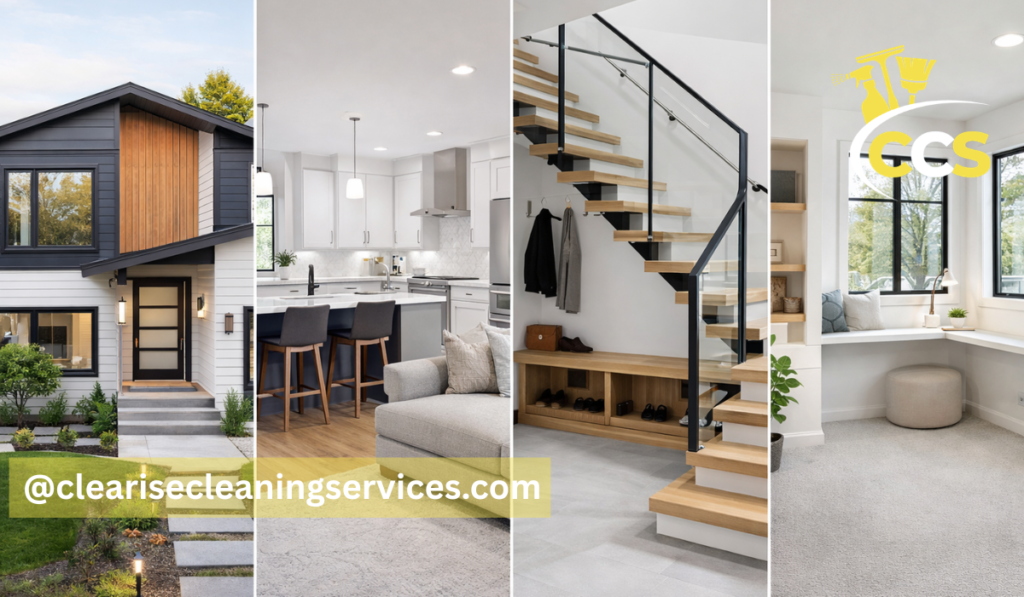
Split-level homes became popular in the 1960s and 1970s because they offered more living space on smaller plots. Their staggered floor design separated living areas naturally, which worked well for families at the time.
Today, many homeowners choose to renovate instead of moving because buying a new home is expensive and renovating allows them to upgrade while staying in a familiar location. Although split-level layouts can feel dated or closed off, they also have hidden advantages like clear space separation and flexible room use.
That is why renovation ideas for split level homes are becoming popular again. Modern design trends such as open sightlines, better lighting, and simple finishes have helped transform older split-level homes into bright, functional, and modern living spaces.
Understanding Split-Level Homes Before Renovating
Before starting any remodel, it is important to understand how split-level homes are designed. These homes are different from standard single-story or two-story houses, and knowing their structure helps you plan renovations more effectively and avoid costly mistakes.
What Makes A Split-Level Home Unique?
The main feature of a split-level home is its staggered floors. Instead of one full staircase connecting separate stories, split-level homes use short flights of stairs to connect different living areas. This creates natural separation between spaces such as living rooms, bedrooms, and family areas.
Common architectural features include low-pitched roofs, attached garages, large front windows, and compact entryways. Many of these homes were designed for functionality rather than open layouts.
Some advantages include better use of space, quieter sleeping areas, and flexible room divisions. However, common pain points include limited natural light, smaller entry spaces, and layouts that can feel closed off without modern updates.
The 7 Types Of Split-Level Houses
Understanding your home type helps you choose the right renovation strategy, since each layout works differently.
Traditional Split-Level:
Multiple levels connected by short stairs, usually with living spaces on separate levels.
Side Split:
Levels placed side by side, often with strong exterior renovation potential.
Back Split:
Levels extend toward the back of the house, creating more private rear living spaces.
Bi-Level / Raised Ranch:
Entry opens between upper and lower floors, often needing entry and lighting improvements.
Tri-Level:
Three distinct levels with clear separation between living and bedroom spaces.
Split-Entry:
Front door leads directly to stairs, making entry redesign a common upgrade.
Stacked Split:
Several short levels stacked vertically, requiring smart flow and storage solutions.
Renovation needs vary for each style. Some layouts benefit more from opening interior spaces, while others see bigger improvements through exterior updates or better lighting. Understanding these differences helps create a smoother, more successful remodel.
Planning Phase: Expert Advice Before You Start Renovating
Good planning is very important when renovating a split-level home. These houses often have unique structures, so making decisions early about safety, budget, and layout can save time and money later.
Structural Considerations (Load-Bearing Walls & Safety)
Many split-level homes have load-bearing walls that support different floor levels. Because of the staggered design, removing walls without proper planning can cause structural problems.
Before removing any wall, it is smart to consult a structural engineer. They can confirm what can be safely changed and suggest alternatives if full removal is not possible. Many homeowners find that widening openings or using support beams gives an open feel without risking safety.
Setting A Realistic Renovation Budget
Renovation costs depend on how much you plan to change. Cosmetic updates like paint, flooring, and lighting are usually more affordable. Partial remodels may include kitchen changes or staircase upgrades, while full modernization involves structural work, exterior updates, and major layout improvements.
For better return on investment, experts often recommend spending more on kitchens, entry areas, lighting, and exterior improvements since these upgrades add the most value.
Should You Open The Floor Plan?
Open layouts are popular, but they do not always work perfectly in split-level homes. A fully open concept can sometimes remove useful separation between spaces.
A semi-open layout is often the better option. It improves flow while keeping some structure and privacy. Expert designers usually suggest opening key sightlines instead of removing every wall, helping the home feel modern without losing functionality.
Modern Renovation Ideas For Split Level Homes
Interior transformation is where most homeowners see the biggest change. The goal is to make separated levels feel connected, brighter, and more modern without losing the practical layout of the home.
Creating Flow Between Levels
Creating flow helps a split-level feel larger and more open. Using the same flooring across connected areas creates visual continuity. Glass railings or open stair designs allow light to move through the house, while well-placed lighting helps tie each level together and reduce visual breaks.
Split-Level Home Remodel Interior Ideas
Instead of removing all walls, many homeowners improve layouts by removing half walls or widening openings. This expands sightlines without major structural work. Double-height feature walls can also make spaces feel taller and more modern. Some renovations even bring back conversation pit seating in a clean, updated style for a cozy modern look.
Open Kitchen Renovations
Open kitchens are one of the most popular upgrades in split-level homes. Combining the kitchen, dining, and living areas improves daily flow and makes the space feel more social. Island placement should guide movement between levels without blocking pathways. Smart storage like tall cabinets and pull-out organizers helps maximize limited kitchen space.
Modern Staircase Makeovers
Staircases are a main visual feature in split-level homes. Floating stairs and slim railings instantly modernize the interior. Under-stair areas can be turned into storage or small mudrooms. Adding proper lighting to stairs improves both safety and overall design.
Smart Lighting To Eliminate Dark Zones
Older split-level homes often feel dark, so lighting upgrades are essential. A layered lighting approach combines ceiling lights, wall lights, and accent lighting for balance. Skylights or larger windows can increase natural light, while choosing warm or neutral light tones helps the space feel comfortable and inviting.
How To Modernize A Split Level Home Exterior
Exterior updates can completely change how a split-level home looks. Even small upgrades can make the house feel newer and more balanced.
Curb Appeal Upgrades That Instantly Modernize
Replacing old siding with modern materials such as fiber cement or engineered wood can refresh the exterior. Mixing textures like wood and stone adds depth, while neutral color palettes create a clean, timeless appearance.
Front Entry Improvements
Many split-level homes have small or hidden entries. Adding a porch or portico makes the entrance more welcoming. Contemporary doors and improved lighting also help increase visibility and modern style.
Window Replacement Strategies
Taller windows help balance the vertical design of split-level homes and bring in more light. Black window frames are a popular modern choice, and energy-efficient windows can reduce heating and cooling costs.
Garage Door Transformation Ideas
Garage doors often take up a large part of the front exterior. Upgrading to modern panel designs or adding glass accents can instantly improve the overall look and create a more modern facade.
Landscaping Tricks That Balance The Architecture
Layered landscaping works well with the staggered design of split-level homes. Using different plant heights, clean walkways, and outdoor lighting helps create symmetry and softens the structure of the house.
1970s Split Level Remodel Ideas (Before & After Style)
Many split-level homes built in the 1970s have strong structures but outdated design features. Common issues include low-looking ceilings, dark wood paneling, and smaller windows that make interiors feel closed and heavy. These elements were popular at the time but often feel outdated compared to modern design preferences.
Modern remodeling focuses on replacing heavy materials with lighter finishes. Homeowners often remove dark paneling, use brighter paint colors, and upgrade flooring to create a more open feel. Increasing natural light through larger windows or better lighting placement can also make a big difference without major structural changes.
Neutral color palettes combined with natural materials such as light wood, stone, or simple textures help modernize the space while keeping warmth. Soft whites, warm grays, and earthy tones are commonly used to make interiors feel timeless instead of trendy.
Before and after transformations usually show steady improvement rather than instant dramatic change. Small upgrades done in the right order—lighting, flooring, and wall finishes—can gradually turn a dated 1970s split-level into a clean, modern, and comfortable home.
Renovation Ideas For Split Level Homes Before And After
Before and after renovations are helpful because they show how small design changes can completely change the feel of a split-level home. Instead of focusing only on decoration, these transformations usually improve layout, light, and overall balance.
Exterior Before & After Transformations
Many exterior upgrades focus on giving the house a cleaner and more modern appearance. Common improvements include:
- Siding replacement: Old vinyl or faded wood is often replaced with modern materials like fiber cement or mixed textures.
- Roofline visual upgrades: Adding trim details or changing roof accents helps create stronger structure and curb appeal.
- Color contrast strategies: Using a light main color with darker trims or accents makes the exterior look updated without major construction.
Interior Before & After Improvements
Inside the home, the biggest difference usually comes from improving flow and brightness.
- Opening kitchens to connect with dining or living spaces
- Redesigning stairs with modern railings or cleaner lines
- Upgrading lighting to remove dark corners and improve comfort
Even small changes like paint color or flooring continuity can make a before-and-after transformation feel dramatic.
Common Mistakes Homeowners Regret
Many homeowners share similar regrets after remodeling. Learning from these can help you avoid costly decisions:
- Removing too many walls and losing natural separation
- Ignoring lighting plans until the end of renovation
- Designing staircases that look modern but feel unsafe or awkward
How To Modernize A Split Level Home Exterior Without Full Renovation
A full remodel is not always necessary to give a split-level home a fresh, modern look. Many updates are budget-friendly and can be done step by step.
Simple Exterior Updates That Make A Big Difference
- Paint and trim upgrades: Fresh paint in neutral tones instantly improves appearance.
- Hardware swaps: New house numbers, door handles, and outdoor fixtures create a cleaner style.
- Lighting improvements: Pathway lights and modern wall fixtures increase both safety and curb appeal.
- Partial siding replacement: Updating only the front-facing section can change the overall look without high costs.
These smaller updates are ideal for homeowners who want visible results without starting a major renovation project.
Space-Saving Renovation Ideas (Uncommon Expert Tips)
Split-level homes often have small hidden areas that many homeowners overlook. Using these spaces wisely can make the home feel bigger without adding square footage.
Hidden Storage Between Levels
The small spaces created between staggered floors are perfect for extra storage. Homeowners can add:
- Built-in cabinets
- Pull-out drawers
- Seasonal storage closets
These solutions keep clutter away while using space that normally goes unused.
Landing Area Conversion Ideas
Landings are often ignored, but with smart design they can become useful mini-spaces:
- Reading nook: Add a small chair and lighting for a cozy corner.
- Built-in seating: Great for extra storage and casual seating.
- Mini office: A compact desk can create a quiet work zone without needing a full room.
Multi-Functional Zones For Modern Families
Modern families need flexible spaces. Split-level layouts work well when areas serve more than one purpose, such as:
- Work-from-home space near quiet levels
- Small play areas visible from main living spaces
- Media rooms or relaxation zones on lower levels
Split-Level House Remodel Pictures & Inspiration
Remodel pictures are helpful because they show real examples of what works in split-level homes. Instead of copying designs blindly, use photos as planning tools.
What To Look For In Remodel Photos
- Lighting improvements
- Staircase updates
- Flooring consistency between levels
- Exterior color balance
Before Vs After Visual Checklist
- Does the space feel brighter?
- Are levels visually connected?
- Is the entry more welcoming?
- Has clutter been reduced through better design?
How Images Help Plan Renovations
Pictures help homeowners explain ideas clearly to contractors and avoid design confusion. They also help set realistic expectations about what changes require structural work versus simple updates.
Document Your Own Remodel Journey
Taking before-and-after photos of your own project adds real experience and trustworthiness, especially if you share renovation content online. This also strengthens the overall EEAT value of your website.
Expert Mistakes To Avoid When Renovating Split-Level Homes
Many renovation problems come from ignoring how split-level homes are designed. Avoiding these common mistakes can save money and stress.
- Ignoring natural light flow: Without a lighting plan, some areas may still feel dark after renovation.
- Choosing mismatched flooring: Different materials between connected levels can make the home look disconnected.
- Over-modernizing and losing character: Keeping some original structure helps maintain balance and charm.
- Poor exterior color decisions: Colors that fight the architecture can make the house look awkward instead of modern.
Real Expert Tips That Increase Home Value
Some updates improve daily living while also increasing resale value. Experts often recommend focusing on practical upgrades rather than trends.
Renovations With Highest ROI
- Kitchen updates
- Entryway improvements
- Lighting upgrades
Exterior Improvements Buyers Notice First
- Updated siding or paint
- Modern garage doors
- Clean landscaping and pathways
Kitchen + Entry Upgrades
These areas create the first impression and strongly influence buyer interest.
Energy-Efficient Windows And Insulation
Improving energy efficiency lowers utility costs and makes the home more attractive to future buyers.
Conclusion
Split-level homes may look outdated at first, but they have strong potential when renovated correctly. Improving lighting, updating interiors, and modernizing the exterior can completely change how the home feels. The most successful projects focus on smart planning, practical upgrades, and preserving the natural strengths of the layout. With the right renovation approach, split-level homes can become modern, comfortable, and highly functional spaces for long-term living.
Frequently Asked Questions
Are Split-level Homes Expensive To Renovate?
Costs depend on the project size. Many improvements can be completed in phases to manage budget.
Can You Make A Split-level Feel Open?
Yes. Better lighting, wider openings, and consistent flooring can make the layout feel more connected.
How Do You Modernize A Split-level Home Exterior?
Focus on siding, paint, modern doors, and simple landscaping upgrades.
Are Split-level Homes Making A Comeback?
Yes. Many homeowners now see them as renovation opportunities with strong structure and flexible layouts.
What Is The Best Layout For A Split-level Remodel?
A semi-open layout usually works best because it improves flow while keeping useful separation between spaces.
Disclaimer: This article is for general informational and educational purposes only. Renovation costs, structural changes, and design results may vary depending on your home’s layout, location, and contractor recommendations. Always consult qualified professionals such as architects, engineers, or licensed contractors before making structural or safety-related changes. The renovation ideas shared here are meant to guide and inspire homeowners but should be adapted to individual needs and local building regulations.
Thanks for visiting Clearise Cleaning Services! Discover more helpful tips and expert cleaning insights by exploring our related categories.