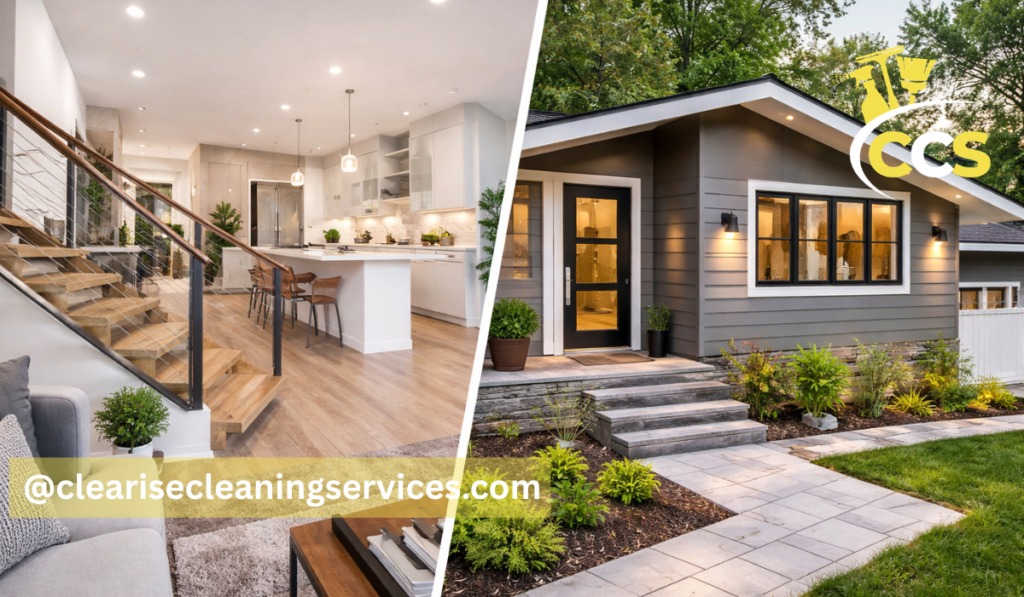
Split-level homes have a unique layout with staggered floors connected by short staircases. This design became popular in the 1950s–1970s and is now gaining attention again as homeowners look for ways to modernize older houses. Because of their structure, split level home renovation projects can unlock hidden potential and turn dated spaces into comfortable, modern living areas.
Many split-level homes come with challenges such as closed layouts, smaller kitchens, and limited natural light. The different floor levels can also make remodeling more complex. However, with thoughtful planning and smart design choices, these homes can be transformed into open, functional spaces that suit modern lifestyles.
In this guide, we’ll explore practical split level home renovation ideas, including interior upgrades, exterior improvements, layout changes, and expert tips to help homeowners plan a successful renovation.
Understanding Split-Level Homes Before Renovating
Before beginning a split level home renovation, it’s helpful to understand how these homes are designed. Their layout is very different from traditional houses, and that difference affects how remodeling projects are planned. Many renovation decisions—such as opening walls, improving lighting, or updating staircases—depend on how the home’s levels are arranged.
Understanding the original structure can help homeowners make smarter design choices and avoid costly structural changes.
What Is a Split-Level Home?
A split-level home is a house built with multiple floor levels connected by short staircases. Instead of having one long staircase between full floors, these homes divide living spaces across staggered levels.
A typical layout might look like this:
- Main level: Living room, kitchen, and dining area
- Upper level: Bedrooms and bathrooms
- Lower level: Family room, garage access, or utility space
This layout allows different parts of the home to serve different purposes while still keeping everything connected.
Split-level architecture became especially popular during the 1950s through the 1970s. At that time, suburban neighborhoods were growing quickly, and builders needed designs that could provide more living space without requiring a large lot. Split-level homes offered a practical solution because they maximized interior space while keeping construction costs manageable.
Today, many homeowners are choosing split level home renovation ideas to update these older homes and adapt them to modern lifestyles.
The 7 Types of Split-Level Houses
Not every split-level home follows the same design. In fact, there are several variations, and each one may require a slightly different renovation approach.
Here are the most common types:
- Standard Split Level
The classic design. The front entrance opens to a small landing with stairs going up to the bedrooms and down to a family room or basement. - Side Split
This style appears to have two floors from the front but reveals three levels when viewed from the side. The garage is usually positioned beside the main living area. - Back Split
Back split homes often look like single-story houses from the street but show multiple levels from the back. This layout is common on sloped lots. - Stacked Split
A stacked split has several compact levels layered closely together. Because of the tighter layout, remodeling may require more careful planning. - Raised Ranch Split
In this design, the main living space sits above a lower level that typically includes a garage, recreation room, or additional living area. - Bi-Level Split
The entrance opens directly to a staircase. One half leads to the upper living area, while the other leads to the lower level. - Multi-Level Split
This version includes multiple staggered floors connected by short staircases. These homes often offer more space but can be more complex to renovate.
Renovation Tip:
Each type of split-level home has different structural limitations. Before removing walls or changing layouts, it’s important to confirm which walls are load-bearing.
Why Split-Level Homes Can Be Challenging to Renovate
While these homes offer unique character, they also come with certain renovation challenges. Many of these challenges come from their original mid-century design.
Common renovation challenges include:
- Fragmented floor plans – Rooms are often separated by walls, which can make the home feel closed off.
- Limited natural light – Older designs sometimes include smaller windows, especially on lower levels.
- Narrow stairways – Since stairs connect multiple levels, some older homes have staircases that feel tight or outdated.
- Exterior design limitations – Because of the staggered structure, updating the exterior can require careful planning to keep the home visually balanced.
Despite these challenges, many homeowners find that a well-planned split level home renovation can completely transform the space. With thoughtful design updates, these homes can become bright, open, and highly functional for modern living.
Planning a Successful Split Level Home Renovation
A successful split level home renovation starts with careful planning. Because these homes have multiple levels and unique structural layouts, remodeling decisions should never be rushed. Taking time to evaluate the structure, set a clear budget, and work with experienced professionals can help prevent costly mistakes later in the project.
Below are the key steps homeowners should consider before beginning any major renovation.
Assessing the Existing Structure
Before making design changes, it’s important to understand the current condition of the house. Many split-level homes were built decades ago, so some structural elements may require repairs or upgrades.
Key areas that should be inspected include:
- Foundation condition: Look for cracks, water damage, or uneven floors that may signal structural issues.
- Staircases: Since split-level homes rely heavily on stairs, check for stability, safety, and building code compliance.
- Load-bearing walls: Some walls support the structure of the house. Removing them without proper reinforcement can cause serious damage.
Expert tip:
Before removing any interior wall to create an open layout, a structural engineer or experienced contractor should confirm whether the wall is load-bearing.
Homeowners should also be aware that certain layout changes may not be possible without major structural modifications. Understanding these limitations early helps avoid unrealistic renovation plans.
Setting a Realistic Renovation Budget
One of the most important parts of planning is creating a practical renovation budget. Costs for split-level remodeling can vary widely depending on the size of the home and the scope of the project.
Common cost factors include:
- Structural changes such as removing walls
- Kitchen or bathroom remodeling
- Window replacement and lighting upgrades
- Exterior improvements and landscaping
- Labor and permit fees
Many homeowners underestimate the cost of structural work or electrical upgrades in older homes.
Where people often overspend:
- Changing layouts without planning structural requirements
- Choosing expensive finishes early in the project
- Underestimating labor costs
Budget planning tip:
Set aside 10–20% of your renovation budget as a contingency fund for unexpected repairs, especially in older homes.
Hiring the Right Remodeling Professionals
A split-level renovation often requires multiple specialists. Choosing the right professionals can make the renovation smoother and safer.
Here are the main types of professionals homeowners may work with:
Architect
An architect focuses on design, layout improvements, and structural planning. They are especially helpful for major layout changes.
Contractor
A contractor manages construction work, coordinates workers, and ensures the project is completed correctly.
Design-Build Firm
This type of company handles both design and construction under one team, which can simplify communication during the renovation.
Questions homeowners should ask before hiring:
- Have you worked on split-level home renovations before?
- Can you show examples of similar projects?
- What permits will be required for this renovation?
- What is the estimated timeline for the project?
Checking references and reviewing past work can also help homeowners choose a reliable professional.
Permits and Structural Considerations
Many renovation projects require permits from local building authorities. These permits ensure that construction work meets safety and building regulations.
Permits may be required for:
- Removing structural walls
- Expanding windows or doors
- Electrical or plumbing upgrades
- Adding new living spaces
Local building codes also include safety standards for staircases, handrails, ceiling heights, and structural changes. These rules are particularly important in split-level homes because the staircases connect multiple living areas.
Ignoring permit requirements can lead to fines or problems when selling the house in the future.
Careful planning, proper budgeting, and working with experienced professionals can help ensure that a split level home renovation is completed safely, efficiently, and with lasting results.
Split Level Home Renovation Ideas That Transform the Layout
One of the biggest goals of a split level home renovation is improving how the space flows. Many older split-level homes feel divided because rooms are separated by walls and small staircases. With thoughtful upgrades, homeowners can create a more open and connected layout that suits modern lifestyles.
Opening Up the Main Living Areas
Many split-level homes were originally designed with separate rooms for the kitchen, dining area, and living room. While this layout worked in the past, today many homeowners prefer open, flexible spaces.
Common layout improvements include:
- Removing interior walls between the kitchen, dining, and living rooms to create a larger shared space.
- Expanding the kitchen area so it connects naturally with the main living area.
- Improving sightlines so family members can easily interact across spaces.
These changes often make the home feel larger and brighter while improving everyday functionality.
Creating Better Flow Between Levels
Because split-level homes rely heavily on staircases, improving the connection between levels can dramatically change how the home feels.
Some effective upgrades include:
- Widening staircases to make them more comfortable and visually open.
• Installing glass or modern railings to allow light to pass between levels.
• Using the same flooring across multiple levels to create visual continuity.
Small design choices like these can make a multi-level house feel more cohesive and modern.
Adding Natural Light to Dark Split-Level Layouts
Older split-level homes sometimes feel darker because lower levels often have smaller windows. Increasing natural light is one of the most effective renovation improvements.
Homeowners often consider:
- Installing skylights to bring daylight into upper living areas.
- Adding larger windows in the living room or kitchen.
- Replacing walls with sliding glass doors that connect indoor and outdoor spaces.
Natural light not only improves the appearance of the home but also makes rooms feel more spacious.
Converting Unused Levels into Functional Spaces
Another advantage of split-level homes is the extra space available on different levels. With creative planning, underused areas can be transformed into practical living spaces.
Examples include:
- Home office for remote work or study
• Playroom for children
• Guest suite for visiting family members
• Rental basement apartment for additional income
Using every level efficiently helps homeowners maximize the value of their property.
Split-Level Home Remodel Interior: Modern Design Upgrades
Updating the interior is often the most noticeable part of a split-level home remodel interior project. Many renovations focus on improving comfort, storage, and visual appeal.
Kitchen Renovation Ideas for Split-Level Homes
The kitchen is usually the center of the home, so modernizing it can make a big impact.
Popular upgrades include:
- Open kitchen concepts that connect with the living area
- Large islands or breakfast bars for casual dining and extra workspace
- Smart storage solutions such as pull-out cabinets and hidden shelves
These improvements can make the kitchen more functional for daily use and entertaining.
Living Room Transformation
Living rooms in older split-level homes often feel smaller or darker than modern designs. A few thoughtful updates can completely change the atmosphere.
Ideas that work well include:
- Vaulted ceilings to create a sense of openness
• Statement fireplaces as a focal point in the room
• Layered lighting using ceiling lights, wall sconces, and floor lamps
These features help create a warm and welcoming environment.
Bathroom Remodeling Ideas
Bathroom renovations can significantly improve comfort and home value.
Common updates include:
- Walk-in showers with glass enclosures
- Floating vanities that make the space feel larger
- Space-saving storage designs for smaller bathrooms
Even small improvements in lighting, tile, or fixtures can modernize an outdated bathroom.
Bedroom Renovation Improvements
Bedrooms should feel comfortable and relaxing. Many homeowners use renovations to improve both storage and natural light.
Helpful upgrades include:
- Built-in wardrobes or closet systems
• Larger windows to increase daylight
• Creating master suites with private bathrooms
These changes make bedrooms more practical and appealing.
1970s Split Level Remodel: Updating Outdated Homes
Many split-level homes built in the 1970s still have original features that feel outdated today. A thoughtful renovation can modernize the interior while keeping the home’s character.
Common Problems with 1970s Split-Level Homes
Older homes often share similar design issues, such as:
- Dark wood paneling on walls
- Small or closed kitchens
- Lower ceiling heights in some rooms
These features can make the house feel smaller and less inviting.
Modernizing the Interior Without Losing Character
Homeowners can update these homes while still respecting their original style.
Effective design approaches include:
- Using lighter color palettes to brighten the interior
• Simple minimalist design elements that reduce visual clutter
• Natural materials like wood, stone, and textured finishes
This balance keeps the home modern while preserving its architectural charm.
Smart Technology Upgrades for Older Homes
Modern technology can make an older home much more efficient and comfortable.
Popular upgrades include:
- Smart thermostats that improve energy efficiency
- LED and energy-efficient lighting systems
- Home automation features for security and convenience
These improvements often reduce energy costs while improving daily comfort.
Split Level Home Remodel Exterior: Curb Appeal Makeovers
Exterior renovations can dramatically change the appearance of a split-level home. Many houses from past decades have simple facades that can benefit from modern updates.
Transforming a Dated Exterior
Homeowners often update the outside of the home by:
- Replacing old siding materials
- Combining textures such as wood, stone, and modern panels
- Updating exterior colors to create a fresh appearance
These changes can give the home a more contemporary look.
Adding a Front Porch or Entry Feature
The front entrance is often the first thing people notice. Improving it can greatly enhance curb appeal.
Ideas include:
- Covered entryways for better weather protection
• Modern front doors with glass panels
• Decorative lighting around the entrance
A welcoming entry instantly improves the home’s overall impression.
Landscaping Ideas That Complement Split-Level Architecture
Because split-level homes sit at different heights, landscaping can help visually connect the structure with the surrounding yard.
Good landscaping strategies include:
- Terraced landscaping that follows the home’s levels
- Layered garden beds with different plant heights
- Redesigned walkways that guide visitors toward the entrance
These elements create a balanced and attractive exterior.
Garage and Driveway Improvements
Garage and driveway upgrades can also make a big difference.
Homeowners often consider:
- Modern garage doors with clean designs
• Expanding driveways for additional parking
• Adding exterior lighting for safety and appearance
Split Level Home Renovation Before and After: Real Transformation Examples
One of the most inspiring parts of a renovation is seeing how much a home can change.
Dramatic Interior Layout Changes
Many successful renovations include:
- Removing walls between living areas
- Expanding kitchens
- Creating open-concept living spaces
These changes often make the home feel much larger than before.
Exterior Makeover Examples
A renovation can completely change a home’s appearance.
Before:
• Outdated siding
• Small windows
• Plain entryway
After:
• Modern exterior materials
• Larger windows for natural light
• Updated front entrance
How Small Renovations Create Big Results
Even small updates can transform the home.
Examples include:
- Fresh paint colors
- Updated lighting fixtures
- Modern flooring throughout the house
These improvements can dramatically improve the look and feel of the space.
Split Level House Remodel Pictures for Inspiration
Looking at split level house remodel pictures can help homeowners visualize renovation possibilities.
Interior Remodeling Inspiration
Many homeowners draw inspiration from images showing:
- Modern kitchens with open layouts
• Spacious living rooms connected to dining areas
• Renovated staircases with modern railings
Exterior Renovation Inspiration
Exterior inspiration often includes:
- Contemporary siding combinations
- Minimalist landscaping designs
- Modern front entryways with clean architectural lines
Viewing successful renovations can help homeowners plan their own project more confidently.
Practical Renovation Tips from Homeowners and Experts
Renovating a split-level home often involves learning from others who have already completed similar projects.
Lessons Shared in Split Level Home Renovation Reddit Discussions
Homeowners frequently share useful experiences online. Common lessons include:
- Renovation costs can rise quickly without careful planning
- Structural walls may limit open floor plans
- Some DIY projects work well, while others require professionals
Expert Design Advice for Split-Level Homes
Professional designers often recommend:
- Using vertical space to add storage or decorative features
• Keeping design elements consistent across levels
• Choosing lighting that connects different spaces visually
These strategies help the home feel more unified.
Renovation Mistakes to Avoid
Avoiding common mistakes can save time and money.
Some common issues include:
- Ignoring stair safety during remodeling
- Poor lighting design in lower levels
- Using inconsistent materials across different floors
Planning carefully can prevent these problems.
Cost Breakdown for a Split Level Home Renovation
The cost of renovation depends on the size of the project and the changes being made.
Average Remodeling Costs
Typical renovation levels include:
- Minor upgrades: Painting, flooring updates, and lighting improvements
• Mid-range renovations: Kitchen or bathroom remodeling
• Full structural remodel: Major layout changes and additions
Where Renovation Budget Is Best Spent
Most homeowners see the greatest return when investing in:
- Kitchen upgrades
- Bathroom renovations
- Layout improvements that open living spaces
How to Save Money Without Sacrificing Quality
Smart planning can help reduce costs.
Helpful strategies include:
- Completing renovations in phases
• Choosing durable materials that last longer
• Reusing existing structures when possible
Sustainable and Energy-Efficient Upgrades
Many homeowners now include energy-efficient improvements in their renovation plans.
Improving Insulation and Energy Efficiency
Some effective upgrades include:
- Replacing older windows with energy-efficient models
- Improving wall insulation
- Sealing air leaks around doors and windows
Eco-Friendly Materials for Renovation
Sustainable materials are becoming more popular.
Examples include:
- Recycled or reclaimed flooring
• Environmentally friendly cabinetry
• Low-VOC paints and finishes
Smart Energy Systems
Modern technology can help reduce energy use.
Popular systems include:
- Solar panel installations
- Smart HVAC systems
- Automated energy monitoring tools
Is a Split Level Home Renovation Worth It?
Many homeowners wonder whether renovating a split-level home is a good investment.
Pros of Renovating a Split-Level House
Benefits may include:
- Unique layout opportunities
- Increased home value
- Improved comfort and functionality
Potential Drawbacks
Some challenges include:
- Structural limitations
• Renovation costs
• Planning complexity
Real Estate Value After Renovation
Well-renovated split-level homes are often attractive to buyers. Modern layouts, updated kitchens, and improved curb appeal can significantly increase market value.
Conclusion
Split-level homes often hide more potential than many homeowners realize. With thoughtful planning and creative design, a split level home renovation can transform an outdated house into a modern and comfortable living space. Improvements such as open layouts, better lighting, updated interiors, and refreshed exteriors can dramatically improve both functionality and appearance.
By understanding the structure of these homes and approaching renovation carefully, homeowners can unlock the full potential of their property and create a space that works beautifully for modern living.
FAQs
What Is A Split-level Home Renovation?
A split-level home renovation involves updating or remodeling a house with multiple staggered floors. The goal is usually to improve layout flow, modernize interiors, and increase natural light.
How Much Does A Split Level Home Renovation Cost?
Costs vary depending on the project size. Minor upgrades may cost a few thousand dollars, while major structural renovations can range from $50,000 to $150,000 or more.
Can You Create An Open Floor Plan In A Split-level Home?
Yes, many homeowners remove non-load-bearing walls between the kitchen, dining, and living areas to create a more open layout. However, structural walls should always be evaluated by a professional.
Are Split-level Homes Hard To Renovate?
They can be more complex than standard homes because of their multiple levels and staircases. With proper planning and professional guidance, renovations can still be very successful.
Does Renovating A Split-level Home Increase Property Value?
Yes. Upgrading kitchens, improving layout flow, and modernizing the exterior can significantly increase the market value of a split-level home.
Disclaimer: The information provided in this article is for general informational and educational purposes only. While every effort has been made to ensure accuracy, renovation costs, building regulations, and structural requirements may vary depending on location and property conditions. Homeowners should consult licensed contractors, architects, or building professionals before making structural changes or starting a major renovation project. The author and website are not responsible for any decisions made based on the information presented in this guide.
Thanks for visiting Clearise Cleaning Services! Discover more helpful tips and expert cleaning insights by exploring our related categories.