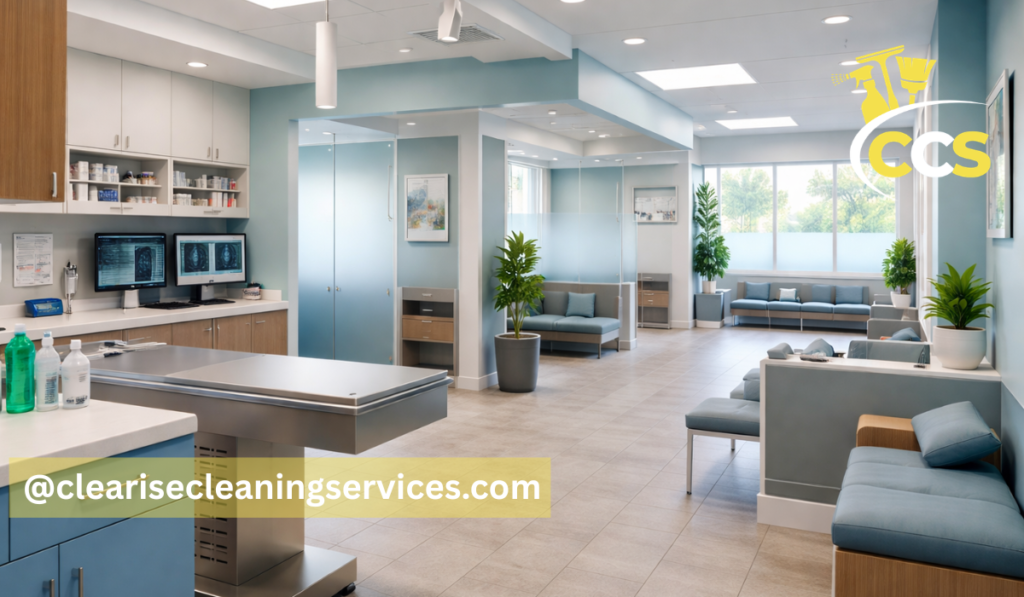
A veterinary interior remodel focuses on improving the design, layout, and functionality of a veterinary clinic’s indoor space. Unlike simple cosmetic updates, remodeling often involves rethinking how the clinic works from the inside out. The goal is to create an environment that supports high-quality animal care while making visits easier and more comfortable for both pets and their owners.
Today, many veterinary clinics are redesigning their interiors to keep up with changes in veterinary medicine and client expectations. Modern clinics are expected to offer efficient service, advanced technology, and a calm environment that reduces stress for animals. Older clinic layouts often struggle to meet these needs, which is why remodeling has become an important step for many practices.
A well-planned veterinary interior remodel improves the overall experience inside the clinic. Pets can feel less anxious, owners feel more comfortable during visits, and veterinary staff can work more efficiently throughout the day. When spaces are thoughtfully designed, everyday tasks become smoother and less stressful for everyone involved.
Comfort, efficiency, and hygiene have also become major priorities in veterinary clinic design. Clinics must maintain strict cleanliness standards while still creating a welcoming atmosphere. By upgrading materials, improving layouts, and integrating modern design solutions, veterinary practices can build environments that support both excellent care and a positive client experience.
Key Elements of a Veterinary Interior Remodel
| Remodeling Element | Purpose | Key Features | Benefits |
| Clinic Layout Planning | Improve workflow and movement | Organized exam rooms, treatment zones, clear pathways | Faster service and better staff efficiency |
| Waiting Area Design | Reduce pet stress | Separate spaces for cats and dogs, comfortable seating | Calmer environment for animals and owners |
| Durable Flooring | Handle heavy clinic use | Sealed concrete, vinyl, porcelain tile | Easy cleaning and long-lasting surfaces |
| Hygienic Wall Surfaces | Maintain sanitation | Non-porous finishes, moisture-resistant materials | Better infection control |
| Lighting Design | Improve comfort and visibility | Natural light, soft LED lighting | Less stress for pets and clearer workspaces |
| Acoustic Control | Reduce noise in the clinic | Sound-absorbing panels, ceiling materials | Lower anxiety levels for animals |
| Technology Integration | Support modern veterinary care | Digital imaging areas, computer workstations | Faster diagnosis and better communication |
| Specialized Rooms | Improve patient care experience | Consultation rooms, recovery areas | Privacy and comfort for clients |
What a Veterinary Interior Remodel Really Involves
A veterinary interior remodel goes far beyond repainting walls or replacing furniture. While basic renovations focus mainly on appearance, a full remodel often changes the structure, layout, and function of the clinic’s interior spaces. This may include reconfiguring exam rooms, expanding treatment areas, improving storage, or redesigning the reception and waiting areas.
The core goal of veterinary clinic remodeling is to create a more efficient and functional environment. Clinics must support many different activities throughout the day, including examinations, treatments, surgeries, and consultations with pet owners. A remodel allows the space to be organized in a way that supports these tasks more effectively.
Design also plays an important role in daily workflow. When exam rooms, treatment areas, and supply storage are placed strategically, staff members spend less time moving between rooms and more time focusing on patient care. This improves productivity and helps the clinic operate more smoothly during busy hours.
Hygiene is another critical factor in veterinary design. Clinics must handle a variety of animals and medical procedures, which means surfaces must be easy to clean and resistant to bacteria and damage. A thoughtful veterinary interior remodel ensures that materials and layouts support proper sanitation without sacrificing comfort or style.
Finally, remodeling can improve patient comfort. Animals often feel nervous in unfamiliar environments, so a calm and well-organized space can make a significant difference in how they experience a veterinary visit.
Why Modern Veterinary Clinics Are Investing in Interior Remodeling
Veterinary medicine has evolved significantly in recent years, and clinics are adapting their spaces to keep up with these changes. Pet owners today expect high-quality service, modern facilities, and a welcoming atmosphere when they visit a veterinary clinic.
As pets increasingly become valued members of the family, clients want environments that feel professional yet comforting. Clinics that invest in a veterinary interior remodel often create spaces that reflect this shift by combining medical efficiency with thoughtful design.
Another important trend in veterinary design is the move toward stress-free environments for animals. Research has shown that animals can experience significant anxiety during veterinary visits. Loud noises, unfamiliar smells, and crowded waiting areas can all increase stress levels. Modern clinics are addressing this by redesigning interiors to minimize these triggers.
Interior remodeling can also improve operational efficiency. Older clinics may have layouts that slow down staff movement or create bottlenecks during busy periods. By updating the interior layout, clinics can reduce delays, improve patient flow, and create a more organized working environment.
In many cases, remodeling also supports long-term growth. As veterinary practices expand their services or add new technologies, the physical space must evolve to support these changes.
Designing a Stress-Free Environment for Animals and Owners
Creating a calm environment is one of the most important goals of a veterinary interior remodel. Animals are highly sensitive to their surroundings, and small design choices can greatly affect how comfortable they feel during a visit.
Reducing anxiety for pets begins with thoughtful layout planning. Waiting areas, for example, can be designed in ways that prevent animals from feeling overwhelmed. Separate seating zones or quiet corners can help reduce direct interaction between unfamiliar animals, which can lower stress levels.
Lighting also plays an important role in creating a relaxing environment. Harsh fluorescent lights can make spaces feel cold and clinical. Many modern veterinary clinics now incorporate softer lighting or natural daylight to create a more welcoming atmosphere.
Color choices can also influence how a space feels. Soft, neutral colors such as light blues, greens, and warm greys are commonly used in veterinary design because they create a calm and balanced environment.
Space planning is equally important. Clinics that feel open and organized are easier for both animals and owners to navigate. Clear pathways, uncluttered waiting areas, and comfortable seating can help create a more relaxed experience during visits.
Smart Layout Planning for Better Clinic Workflow
One of the most important aspects of a veterinary interior remodel is improving the clinic’s workflow. Veterinary staff must move quickly and efficiently between different areas throughout the day, and poor layouts can slow down this process.
Smart layout planning focuses on optimizing the movement between reception areas, exam rooms, treatment spaces, and surgical suites. When these areas are arranged logically, staff members can complete tasks more efficiently and respond quickly to patient needs.
Reducing unnecessary travel distance is another key goal. In older clinics, staff may need to walk long distances to access supplies, medications, or equipment. A remodel allows designers to reposition storage areas and workstations so that essential resources are always within easy reach.
Efficient layouts also support better communication among team members. When staff can see and access key areas easily, they can collaborate more effectively during patient care.
Ultimately, thoughtful space planning ensures that the clinic operates smoothly even during busy periods. This benefits not only staff members but also clients and their pets.
Durable and Hygienic Materials for Veterinary Interiors
Veterinary clinics require materials that can withstand heavy daily use while maintaining high hygiene standards. Choosing the right materials is a critical part of any veterinary interior remodel.
Flooring is one of the most important considerations. Veterinary floors must resist scratches, moisture, and stains while remaining easy to clean. Many clinics use sealed concrete, high-quality vinyl flooring, or porcelain tile because these materials are durable and resistant to damage.
Wall finishes also need to handle constant cleaning and occasional impacts from equipment or animal activity. Smooth, non-porous surfaces help prevent bacteria buildup and make sanitation easier.
In treatment and surgical areas, materials must support strict infection control practices. Surfaces should resist chemical cleaners and disinfectants without degrading over time.
Durability is not only about hygiene but also long-term maintenance. Clinics that invest in strong, reliable materials often reduce repair costs and maintain a professional appearance for many years.
Technology Integration in Modern Veterinary Clinic Design
Technology has become an essential part of modern veterinary care, and clinic interiors must support these advancements. A veterinary interior remodel often includes upgrades that make it easier to integrate new medical technologies into daily operations.
Digital imaging systems, diagnostic equipment, and computer workstations require dedicated spaces and proper electrical infrastructure. Remodeling allows clinics to design rooms that accommodate these technologies safely and efficiently.
Exam rooms may also include digital tools that help veterinarians review medical records or display diagnostic images during consultations with pet owners. Designing these spaces carefully ensures that technology enhances the care experience rather than creating clutter.
Planning for technology during the remodeling process also allows clinics to remain adaptable in the future. As veterinary medicine continues to evolve, flexible spaces can easily accommodate new equipment and services.
Specialized Spaces That Improve Veterinary Care
Modern veterinary clinics often include specialized rooms that support different aspects of patient care. These spaces are another important feature of a successful veterinary interior remodel.
Private consultation rooms provide a quiet environment where veterinarians can speak with pet owners about diagnoses or treatment options. These spaces offer privacy and allow for more meaningful conversations during sensitive moments.
Flexible exam rooms are also becoming more common. These rooms can serve multiple purposes depending on the clinic’s needs, which helps maximize available space.
Some clinics also include dedicated comfort rooms for situations that require additional privacy and compassion. These rooms provide a calm and supportive environment for clients during difficult times.
Recovery areas are another essential feature. Animals often need quiet spaces to rest and recover after procedures, and proper design ensures that these areas remain safe and comfortable.
Acoustic and Lighting Improvements in Veterinary Interiors
Noise control is an important but often overlooked aspect of veterinary design. Barking dogs, medical equipment, and general clinic activity can create a noisy environment that increases stress for animals.
During a veterinary interior remodel, designers often incorporate sound-dampening materials to reduce noise levels. Acoustic panels, specialized ceiling tiles, and thoughtful space separation can help manage sound throughout the clinic.
Lighting improvements also contribute to a better environment. Balanced lighting helps staff perform medical tasks while maintaining a comfortable atmosphere for clients and animals.
Natural light, when possible, can greatly enhance the interior environment. Windows, skylights, and well-designed lighting systems help create spaces that feel open and welcoming.
Together, acoustic and lighting improvements play a significant role in reducing anxiety and improving the overall experience inside the clinic.
Cost-Effective Strategies When Remodeling a Veterinary Interior
Remodeling a veterinary clinic does not always require a complete rebuild. Many practices look for cost-effective strategies that improve the space while staying within budget.
One common approach is upgrading existing cabinetry instead of replacing it entirely. Refacing cabinets can refresh the appearance of the clinic while saving significant costs.
Choosing materials that balance durability and affordability is another important strategy. High-quality materials may cost more initially but often reduce maintenance expenses over time.
Careful planning can also help minimize disruptions during construction. Some clinics schedule remodeling projects in phases or during quieter periods to keep operations running smoothly.
A thoughtful veterinary interior remodel focuses on improvements that provide the greatest value while supporting long-term clinic needs.
Planning a Veterinary Interior Remodel the Right Way
Successful remodeling projects begin with careful planning. Before making any changes, clinic owners should evaluate how the current layout functions and identify areas that need improvement.
Assessing patient flow, staff movement, and space usage can reveal opportunities for better design. Understanding these patterns helps guide decisions about layout changes and room placement.
Setting clear priorities is another essential step. Clinics must determine which improvements will have the greatest impact on patient care, staff efficiency, and overall experience.
Working with experienced veterinary facility designers can also be beneficial. These professionals understand the unique requirements of veterinary medicine and can help create solutions that balance functionality, safety, and aesthetics.
Proper planning ensures that the final result supports the clinic’s goals and provides long-term value.
Simple Step-by-Step Guide: Planning a Veterinary Interior Remodel
- Evaluate the Current Clinic Layout
Identify areas where workflow is slow or space is poorly used. - Define Remodeling Goals
Focus on improving efficiency, hygiene, and patient comfort. - Choose Durable Materials
Select surfaces that are easy to clean and resistant to scratches. - Design Stress-Free Spaces for Animals
Create calm waiting areas and comfortable exam rooms. - Integrate Modern Veterinary Technology
Plan spaces for imaging equipment, computers, and digital tools. - Work with Experienced Designers
Veterinary design professionals can create layouts that support daily clinic operations. - Plan the Remodeling Timeline
Schedule renovations to minimize disruption to clinic services.
Conclusion
A well-designed veterinary interior remodel can transform a clinic into a more efficient, comfortable, and welcoming space for everyone involved. By improving layouts, upgrading materials, and integrating modern technologies, veterinary practices can create environments that support high-quality care.
Thoughtful design not only improves daily workflow for staff but also helps reduce stress for animals and their owners. Calm waiting areas, durable materials, and carefully planned treatment spaces all contribute to a better overall experience.
In the long run, investing in a modern and well-planned veterinary interior can strengthen the clinic’s reputation, improve operational efficiency, and create a positive environment where pets receive the care they deserve.
Frequently Asked Questions (FAQs)
What Is A Veterinary Interior Remodel?
A veterinary interior remodel involves redesigning the inside of a veterinary clinic to improve efficiency, hygiene, comfort, and functionality while supporting modern medical equipment and veterinary services.
Why Is Remodeling Important For Veterinary Clinics?
Remodeling improves workflow, enhances sanitation, reduces animal stress, and creates a better experience for clients and veterinary staff.
What Materials Are Best For Veterinary Clinic Interiors?
Durable and easy-to-clean materials such as vinyl flooring, sealed concrete, porcelain tiles, and non-porous wall finishes are commonly used.
How Can A Clinic Design Reduce Stress For Animals?
Stress can be reduced through quiet waiting areas, soft lighting, calming colors, sound control, and layouts that minimize interaction between unfamiliar animals.
How Long Does A Veterinary Interior Remodel Usually Take?
The timeline depends on the project size. Small updates may take a few weeks, while complete clinic remodeling projects can take several months.
Disclaimer: This article is for informational purposes only. The content about veterinary interior remodel is intended to provide general guidance and should not replace professional architectural, construction, or veterinary facility design advice. Always consult qualified professionals before starting a remodeling project.
Thanks for visiting Clearise Cleaning Services! Discover more helpful tips and expert cleaning insights by exploring our related categories.