Floors handle nonstop foot traffic, spills, dust, and wear every day. Keeping them clean isn’t just about looks—it directly affects safety, hygiene, time, and floor lifespan. A properly maintained floor reduces slip risks, prevents long-term surface damage, and helps you avoid costly repairs or early replacement.
A floor maintenance machine is any powered machine designed to clean, restore, or protect floors more efficiently than manual mopping. This includes scrubber dryers (auto scrubbers), buffers, burnishers, sweepers, commercial vacuums, and carpet extractors. Most professional guides follow one simple rule: the right machine depends on (1) floor type, (2) soil type, and (3) area size.
In this guide, you’ll learn how to choose between commercial floor maintenance machine, industrial floor maintenance machine, and professional floor maintenance machine options, when floor cleaning machine rental makes sense, what to check when shopping commercial floor cleaning machines for sale, and when a floor cleaning machine for home is actually worth it—plus tips that help families and new parents keep floors quick-drying and residue-free.
What Is a Floor Maintenance Machine (and What It Isn’t)?
A floor maintenance machine is a powered tool that cleans faster, more evenly, and with more control than manual methods. You’ll see them in homes, offices, retail stores, hospitals, restaurants, factories—anywhere floors need regular care.
But it’s not a “magic fix” for every floor problem. Results depend on matching the right machine, pad/brush, and cleaning method to your floor.
The “Maintenance” Part: Cleaning vs Restoring vs Protecting
Floor maintenance usually includes three types of work:
- Cleaning (daily/weekly): Removing dust, grit, spills, sticky spots, and light buildup. This is where scrubbers, vacuums, and sweepers shine.
- Restoring (periodic): Deeper work like removing embedded soil, fixing dull areas, and handling heavy scuffs. This may include scrubbing, polishing, or removing old residue/finish where appropriate.
- Protecting (ongoing): Some floors rely on a protective finish or coating. Maintenance might include buffing or burnishing to keep that finish looking good and lasting longer.
Why it matters: the wrong setup can damage floors.
- Too-aggressive pads can scratch or dull vinyl finishes
- Wrong products can etch natural stone
- Too much detergent or poor pickup can leave slippery residue
Core Terms You’ll See in Specs (So You Can Compare Machines Confidently)
When comparing machines, these specs matter most:
- Cleaning path width: wider cleans faster, but may be harder in tight areas
- Brush/pad pressure: more pressure helps with stubborn soil but can be too harsh for delicate floors
- RPM: pad/brush speed—useful when paired with correct pad and floor type
- Solution tank/recovery tank: bigger tanks mean fewer refills; recovery matters for drying
- Squeegee: worn blades cause streaks and wet floors
- Airflow / vacuum motor: stronger pickup = faster drying
- Run time: battery performance (important for large spaces)
- Charger type: fast charging can reduce downtime
- Noise level (dBA): critical for schools, hospitals, offices, and home use
- Turning radius: often overlooked but huge for real-world usability
Types of Floor Maintenance Machines (Pick by Floor + Soil + Square Footage)
Different machines solve different problems. A small café, a daycare, and a warehouse may all “need clean floors,” but the best machine type is not the same.
Scrubber Dryer (Auto Scrubber)
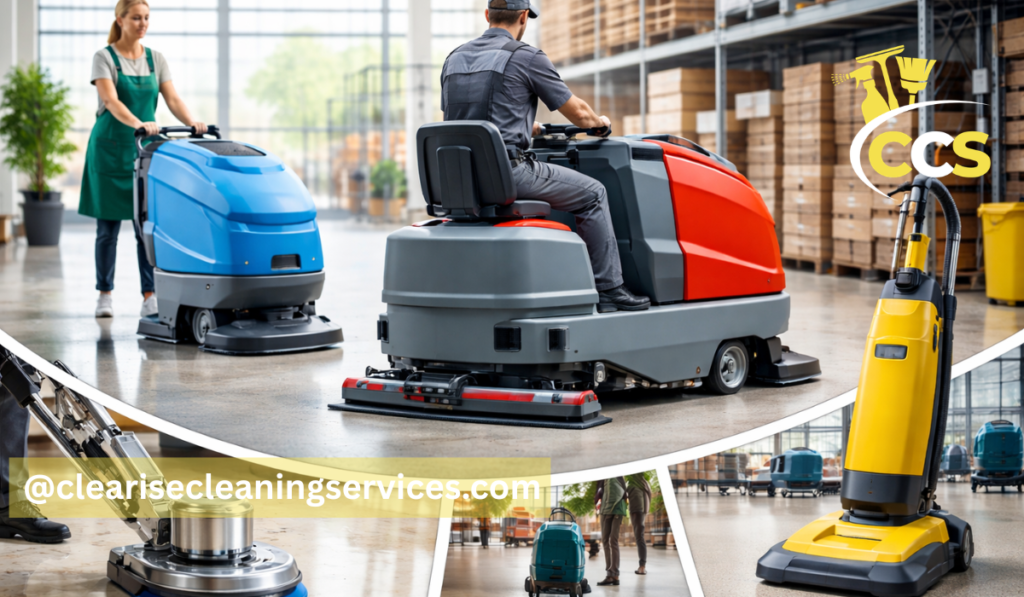
A scrubber dryer scrubs and dries in one pass. It uses a brush/pad plus cleaning solution, then pulls dirty water into the recovery tank through the squeegee + vacuum system. This reduces slip risk and usually cleans better than mopping.
Best for: tile, vinyl (LVT/VCT), sealed concrete, epoxy
Why people choose it: consistent results, faster cleaning, less water left behind
Walk-behind vs ride-on:
- Walk-behind: better for tight spaces (shops, offices, corridors)
- Ride-on: better for large daily cleaning (warehouses, big schools, large retail)
Floor Sweeper (and Sweeper-Scrubber Combo)
Sweepers handle dry debris: dust, sand, grit, packaging scraps. Some are manual push; others are powered.
Best for: entryways, warehouses, workshops, parking areas
Why sweeping first matters: grit behaves like sandpaper. If you scrub without sweeping, you increase streaking, scratch risk, and pad/brush wear.
A sweeper-scrubber combo can be ideal for industrial spaces with both debris and stuck-on grime.
Buffer vs Burnisher vs Polisher (Shine / Restoration Machines)
These terms are often mixed, but the difference is speed + purpose:
- Buffer (lower speed): deeper agitation tasks like scrubbing or light restoration; often around 175–350 RPM (varies)
- Burnisher (high speed): used to restore/maintain shine on certain finished floors; often 1500–3000 RPM (varies)
- Polisher: sometimes used as a general term; usually means improving smoothness/shine with the correct pad/compound
Used for:
- finish maintenance
- spray buffing
- high-gloss appearance programs
Important: these machines are not universal. Using high-speed shine methods on the wrong floor can cause haze, swirl marks, and uneven shine.
Commercial Vacuum (Hard Floor + Carpet) and Backpack Options
Even if you own scrubbers and buffers, vacuuming still matters because dry soil causes long-term wear.
- hard-floor vacuuming removes grit before wet cleaning
- carpet vacuums remove embedded dust
- backpack vacuums boost productivity in offices and stair areas
HEPA filtration is useful for fine dust/allergens—especially in childcare areas and homes with babies.
Carpet Extractor (For Rugs and Carpeted Zones)
Extractors spray solution, agitate, and then extract dirty water—this is true deep cleaning for carpeted areas.
Where it fits:
- daily vacuuming
- spot-cleaning as needed
- periodic extraction for traffic lanes and buildup
Steam Cleaners and Specialty Machines (When They Help, When They Don’t)
Steam can help in small areas and detailed cleaning, but it can be risky on:
- floors with sensitive sealants/adhesives
- some laminates/wood products
- areas where heat + moisture can loosen seams or cause warping
Match The Machine To The Floor (Where Most Buyers Get It Wrong)
Many people buy based on price or “best list” rankings. The smarter approach is matching machine + pad/brush + chemistry to your floor.
Vinyl (LVT/VCT), Linoleum, Rubber, Epoxy, Sealed Concrete
These floors usually respond well to a scrubber dryer—if you choose the right pad/brush and cleaner.
- recommended: scrubber dryer + correct pad/brush + floor-safe cleaner
- finish vs no-finish:
- Finished floors may support buffing/burnishing programs
- Bare floors not designed for shine should not be burnished expecting miracles
Tile & Grout (Ceramic/Porcelain) + Textured Safety Tile
Tile is tough, but grout and texture trap soil.
- Brush choice matters:
- Cylindrical brushes can help with grooves/texture
- Disc pads can still work with correct stiffness
- grout tips:
- allow short dwell time
- Use appropriate stiffness
- rinse/extract well so soil doesn’t settle back into pores
Natural Stone (Marble, Travertine, Terrazzo)
Stone can be chemically sensitive.
- Avoid harsh or acidic products
- Use stone-safe chemistry and gentle pads
- Polishing programs should match the stone type and finish
Wood / Laminate
Wood and laminate are mostly about moisture control.
- minimal water, fast drying, microfiber approaches
- avoid over-wetting seams
- Choose low-moisture machines if using powered equipment
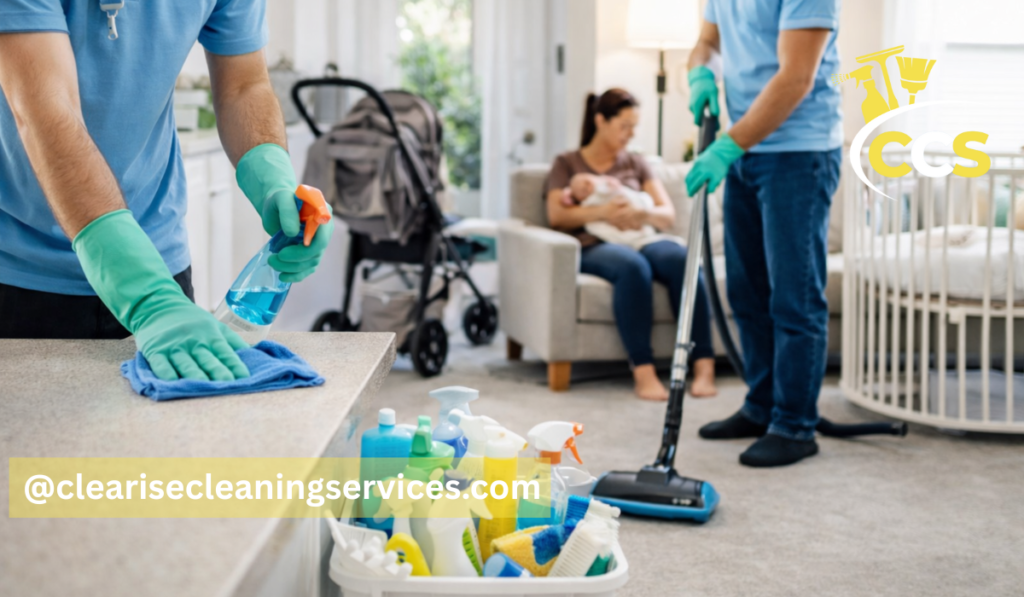
New Parents Add-On: Floors That Become Crawling Zones
When babies crawl, floors become a “play surface.”
Priorities:
- residue-free cleaning (no sticky film)
- quick dry to prevent slips
- low-odor products
- simple routine: vacuum/sweep grit first, then controlled wet-cleaning
How to Choose the Best Floor Maintenance Machine (Buyer’s Checklist)
If you’re searching for the best floor maintenance machine, don’t start with brand names. Start with your space and cleaning reality.
1) Area Size + Layout
Layout affects results more than people think.
- tight aisles: compact machines, good turning radius
- open areas: wider path, higher productivity
- doorways/storage: measure before buying
- multi-floor buildings: weight and elevator access matter
2) Soil Type (Match the Machine to the Mess)
- grease (kitchens): stronger scrubbing + correct detergent + reliable pickup
- Fine dust (warehouses): sweeping/vacuuming reduces wear and streaks
- sand/grit (entries): sweep first to prevent scratching
- organic spills (healthcare/daycare): hygiene-friendly, fast drying routines
3) Specs That Actually Predict Results
- brush/pad pressure
- RPM (only meaningful with correct pad and floor)
- pickup efficiency (squeegee quality + vacuum strength)
- airflow
- consistent solution delivery
If your machine scrubs well but leaves water behind, you lose time fixing streaks and drying.
4) Productivity Math (Real-World, Not Marketing)
A simple way:
Cleaning width × speed × efficiency factor = real sq ft/hour
Efficiency drops due to:
- turning
- obstacles
- refilling/dumping
- edge/detail cleaning
Avoid two mistakes:
- too small → you run it forever
- too big → you struggle in real spaces
5) Power & Battery Choices
- corded: steady power, but cord management and trip risks
- battery: faster workflow and safer in many settings, but requires charging habits
Lead-acid vs lithium:
- lead-acid: cheaper upfront, heavier, needs careful charging
- lithium: lighter, often faster charging, higher upfront cost
6) Total Cost of Ownership (TCO)
Real cost includes:
- consumables: pads, brushes, squeegees, filters
- labor time: training, refill/dump cycles, number of passes required
- service: parts availability, repair turnaround, support network
Ask sellers about common wear item prices and replacement frequency.
7) Safety, Noise, Ergonomics
- ergonomic design reduces strain
- noise matters in hospitals, schools, offices, and homes
- safety: fast drying, strong traction, reliable controls
New parents tip: choose machines that dry fast, store safely, and avoid leaving chemical residue where kids crawl.
Commercial vs Industrial vs Professional Floor Maintenance Machines
These terms describe where the machine is used and how tough it must be.
Commercial Floor Maintenance Machine (Retail, Offices, Restaurants)
A commercial floor maintenance machine focuses on daily appearance and safety.
Typical needs:
- consistent daily results
- fast drying
- maneuverability
- lower noise
You’ll see many models marketed as floor cleaner machine commercial for these environments.
Industrial Floor Maintenance Machine (Factories, Warehouses)
An industrial floor maintenance machine is built for heavy conditions:
- larger areas
- heavier debris
- oil/grease exposure
- durability and longer run time
Ride-on scrubbers, sweepers, and combo units are common here.
Professional Floor Maintenance Machine (Cleaning Companies)
A professional floor maintenance machine is chosen for versatility:
- quick pad/brush swaps
- transport-friendly design
- consistent results across different sites
- dependable parts/service network
Floor Cleaner Machine Commercial: Recommended Setups by Business Type
Instead of buying one machine and hoping it fits everything, most businesses get better results with a simple “system.”
Small Businesses
Compact walk-behind scrubber + upright vacuum
- scrubber for daily sticky soil and spills
- vacuum for grit and fine dust (prevents dulling)
Healthcare/Daycare
Scrubber dryer with strong pickup + HEPA vacuum
- faster drying reduces slip risk
- HEPA supports dust/allergen control
Hospitality
Low-profile scrubber + burnisher
- scrubber for cleaning in tight areas
- burnisher for appearance programs (where appropriate)
Warehouses
Sweeper-scrubber combo + ride-on scrubber
- sweep first to protect pads/brushes and reduce streaking
- ride-on saves time and reduces fatigue for large bays
Floor Cleaning Machine for Home (What Actually Makes Sense)
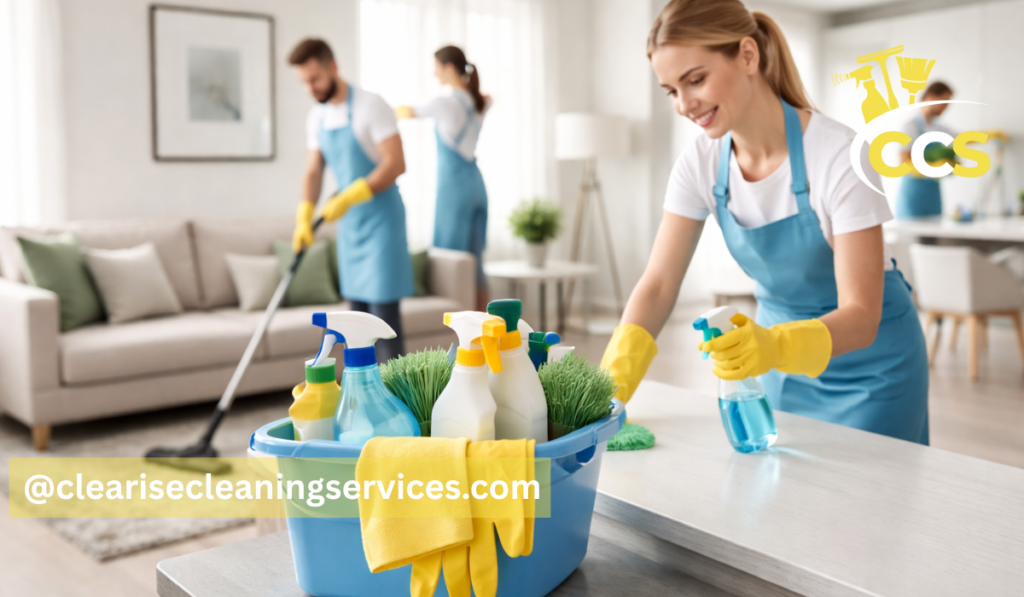
A floor cleaning machine for home is worth it when you have consistent real-world needs, not just occasional mess.
When Homeowners Should Consider a Compact Scrubber
- pets (paw tracks, oily residues)
- high foot traffic
- textured tile/grout
- large open-plan layouts
Many homes do great with: good vacuum + controlled damp cleaning. Add a scrubber when you regularly deal with sticky soil that mopping doesn’t remove.
New Parents Practical Tips
- Pick a “quick-clean window” so the floor dries before kids run through
- low residue beats fragrance—sticky film attracts dirt fast
- Entry mats + spot-clean routine reduce grit and protect crawl zones
Rent or Buy? Floor Cleaning Machine Rental (Smart Decision Guide)
A floor cleaning machine rental is ideal when you need results now without committing to ownership.
When Renting Is Smarter
- one-time deep clean (events, inspections, moving)
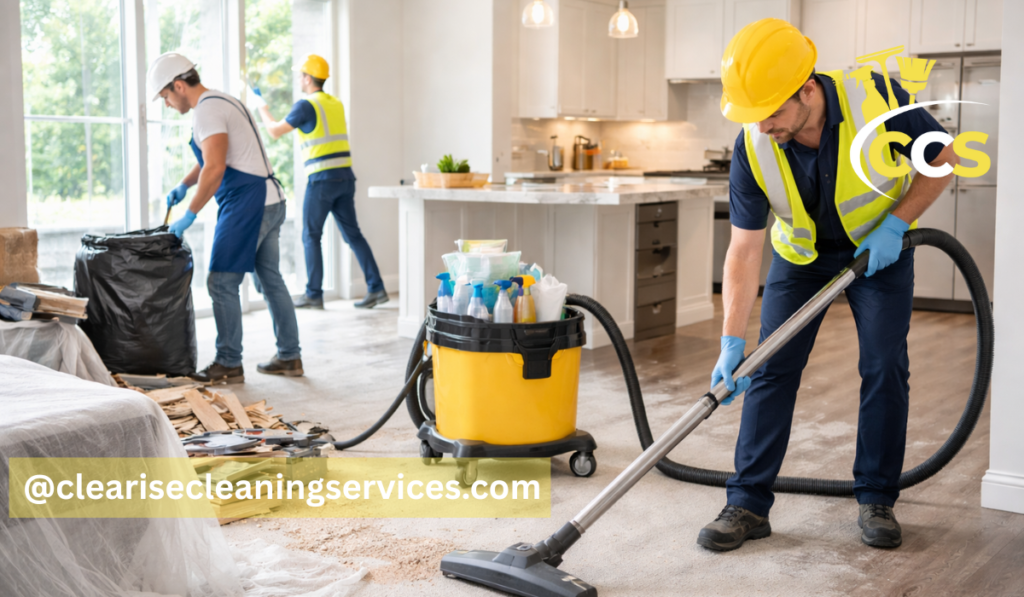
- seasonal reset (post-winter grit, post-renovation dust)
- testing a model before purchase
Rental Checklist (Avoid Surprise Costs)
Ask:
- pad/brush included?
- battery/charger included + expected runtime?
- chemical compatibility?
- pickup/delivery cost?
- damage policy?
Pro tip: test in your tightest aisle first.
Commercial Floor Cleaning Machines for Sale (How to Buy Without Regret)
When browsing commercial floor cleaning machines for sale, don’t judge by price alone.
New vs Refurbished vs Used
- new: best warranty, highest upfront cost
- refurbished: often best value if done properly
- used: can be great, but inspect carefully
What to inspect:
- hours meter (if available)
- squeegee wear
- vacuum motor sound (weak pickup is a red flag)
- tank cracks/odors and seal condition
- battery and charger performance
Questions to Ask Sellers
- parts availability and lead time
- local service options
- warranty details (what’s covered)
- consumable costs
- major repairs history (motors, control boards, battery pack)
Procurement Tip: Write a One-Page Spec Sheet
Include:
- floor types
- sq ft/day
- soil types
- constraints (doorways, noise, storage)
- operator factors (training level, shift length)
This prevents buying a machine that looks great online but fails in real use.
How to Use a Floor Maintenance Machine (Step-by-Step, No Fluff)
Most bad results come from skipping prep, using too much chemical, or running the wrong pad.
Pre-Clean Routine
- remove dry debris first (sweep/vacuum)
- Clear the path and plan your passes
Mix Solution Correctly
- more chemical ≠ more clean
- Follow dilution guidance
- Use dwell time for sticky areas before aggressive scrubbing
Correct Pad/Brush Pairing
- soft for daily
- medium for buildup
- aggressive only when appropriate
If you need aggressive pads often, improve soil control and dilution first.
2-Pass vs 1-Pass
- 1-pass for routine cleaning and fast turnaround
- 2-pass for heavy soil, grease, sticky floors
Edge and Corner Strategy
Machines miss edges. Do main passes first, then a quick manual detail routine for corners/baseboards.
Maintenance & Troubleshooting (Consistent Results)
Daily / Weekly / Monthly Checklist
Daily:
- rinse tanks
- clean squeegee blades
- rinse pads/brushes and dry them
- wipe seals and lid areas
Weekly:
- check filters
- inspect hoses
- confirm squeegee alignment
- maintain good charging habits
Monthly:
- deep clean tanks to prevent buildup/biofilm
- inspect wear parts: squeegees, brushes, pad drivers
- check wheels/casters for hair/debris wrap
Common Problems and Fixes
- streaks → dirty/worn squeegee or wrong dilution
- poor pickup → clog, worn squeegee, weak airflow, bad seal
- swirl marks → wrong pad, too much RPM, dirty pad
- odors → biofilm; rinse/dry properly + periodic deep clean
Hygiene, Indoor Air Quality, and Child/Pet Safety
Residue-Free, Crawl-Safe Floors
- use mild effective solution
- rinse if needed
- Avoid oily “shine boosters” in baby areas
- clean floor should not feel sticky
Allergen Control
- HEPA vacuuming for fine dust
- entry mats + quick sweep/vac routine reduces indoor dust load
Slip Prevention
- don’t over-wet
- ensure strong water pickup and fast drying
- use wet floor signage in commercial spaces
- clean in zones at home to keep kids away from damp areas
Mini Glossary
- Scrubber dryer: scrubs + picks up dirty water in same pass
- Burnisher: high-speed shine maintenance for certain finished floors
- Buffer: lower-speed scrubbing/restoration depending on pad and chemical
- Pad grit levels: how aggressive the pad is
- Recovery tank: holds dirty water
- Squeegee: rubber blades pulling water to vacuum pickup
- Cylindrical vs disc: cylindrical helps with grooves/texture; disc common for general scrubbing
Conclusion
A smart floor-care setup follows one principle: right machine = right floor + right soil + right scale. Start with your floor type, identify your main dirt problem, then choose the machine category that fits your layout and daily cleaning routine.
A well-chosen floor maintenance machine saves time, improves safety, and protects floors long-term. If you’re unsure, rent to test first—or write a quick spec sheet before buying so you invest in a machine you can actually use and maintain confidently
FAQ
What’s The Best Floor Maintenance Machine For Tile?
A scrubber dryer with the right brush is usually best. For grout-heavy or textured tile, dwell time + brush choice matter more than raw power.
Scrubber Dryer Vs Mop: What’s The Real Difference?
A scrubber dryer scrubs consistently and picks up dirty water, so it cleans deeper and dries faster. Mops often spread soil and leave more moisture behind.
Can I Use A Commercial Floor Cleaner Machine At Home?
Yes—especially for large open areas, pets, and textured tile. Choose a size that fits storage and focus on low-residue cleaning for crawl zones.
Is Renting A Floor Cleaner Machine Commercial Units Worth It?
Yes for one-time deep cleaning, seasonal resets, or testing before purchase. That’s where floor cleaning machine rental saves money.
How Often Should Pads/brushes Be Replaced?
Replace when wear reduces performance: fraying, uneven wear, streaking, or visible loss of scrubbing power.
What’s Safest For Homes With Babies?
Dry soil control first, mild low-residue cleaning, and fast drying. Avoid heavy fragrance and oily additives in play areas.
Disclaimer: This article is for informational purposes only. Floor types, machine performance, and cleaning results may vary based on environment, equipment, and usage. Always follow manufacturer instructions and test products or machines in a small area first. The author and publisher are not responsible for any damage, injury, or loss resulting from the use of this information.
Thanks for visiting Clearise Cleaning Services! Discover more helpful tips and expert cleaning insights by exploring our related categories.