If you’ve ever wondered how to clean couch cushions the right way, you’re not alone. Between snack crumbs, juice spills, pet fur, and the occasional mystery stain, couch cushions tend to absorb more of daily life than we realize—especially in homes with kids and pets. Over time, that cozy family couch can quietly collect dust, odors, and bacteria that affect not just its appearance but also the air quality inside your home.
The good news? You don’t need fancy equipment or professional help to bring your cushions back to life. In this guide, you’ll learn practical, expert-backed methods for cleaning every kind of couch cushion—whether the covers come off or not. We’ll also look at safe DIY cleaning solutions using simple ingredients like baking soda and vinegar, tips for handling pet accidents and spills, and smart prevention steps to keep your couch looking and smelling fresh for years.
Why It Matters: Couch Cushions in a Kid-and-Pet Household
When our toddler started snacking on the couch, it didn’t take long before those once-fresh cushions turned into a mix of crumbs, sticky spots, and a few mystery stains that only parents can understand. Add a furry pet who loves afternoon naps in the same spot, and suddenly your living room centerpiece becomes a hidden collection of dirt, dander, and odors. Couch cushions easily trap crumbs, pet hair, spilled milk, juice, and even tiny dust mites—all of which can lead to unpleasant smells and potential allergens circulating in your home.
According to upholstery cleaning experts, fabric fibers naturally absorb sweat, oils, and bacteria from daily use. Over time, this buildup doesn’t just dull the color or make cushions look tired—it can also impact the air quality inside your living space. Regular cleaning not only refreshes the look and feel of your couch but also helps maintain a healthier environment for your kids and pets.
Before diving into any cleaning routine, it’s essential to check your couch’s care tag codes—usually labeled W, S, WS, or X. These small letters tell you exactly what type of cleaning method your fabric can handle:
- W: Water-based cleaning is safe.
- S: Use solvent-based cleaners only (no water).
- WS: Either method is fine.
- X: Vacuum or dry brush only—no liquid cleaners.
Understanding these codes saves you from accidental damage and helps you choose the right approach for your specific fabric type, ensuring your couch stays clean, soft, and safe for the whole family.
First Step: Assess & Prep Before Cleaning
Before you grab the nearest cleaner or rush to wash those cushions, take a few minutes to prepare properly. This step can make all the difference between refreshing your couch and accidentally ruining the fabric.
Read the Manufacturer’s Tag
Every couch comes with a small care label—usually tucked under the cushions or along the frame—and it’s your best guide to cleaning safely. This tag includes one of four cleaning codes that tell you what your fabric can handle:
- W: Water-based cleaners are safe.
- S: Use only solvent-based cleaners (no water).
- WS: Either water or solvent cleaners can be used.
- X: Vacuum or dry brush only—no liquids or wet cleaning.
For new parents, this step matters more than you might think. Using the wrong cleaner can fade colors, weaken fabric, or leave behind chemical residues that may irritate sensitive skin or trigger allergies in little ones. Always check the tag first—it’s the simplest way to protect both your couch and your family’s comfort.
Clear, Vacuum & Remove Loose Debris
Once you’ve confirmed what cleaning method is safe, start by removing all loose debris. Use your vacuum’s upholstery attachment or a crevice tool to lift dirt, pet hair, and crumbs from every corner. Kids love dropping snacks in hidden seams, so pay extra attention to those tight spaces where food tends to collect.
Flip each cushion over and vacuum both sides thoroughly. If your vacuum has a brush head, use it gently to lift dust and refresh the fibers. This quick step removes surface dirt so you’re not rubbing grime deeper into the fabric when you start cleaning.
Spot Test a Hidden Area
Before applying any cleaner, perform a quick spot test in an inconspicuous area—like the back edge or underside of a cushion. Apply a small amount of your chosen cleaning solution, wait a few minutes, then blot and let it dry. If the color stays consistent and the fabric texture doesn’t change, you’re good to go.
This simple test can save you from unwanted color bleeding, staining, or surface damage—and ensures that your chosen cleaner is gentle enough for daily family use.
How to Clean Couch Cushions That Have Removable Covers
If your couch cushions come with removable covers, cleaning them is much easier—and often more effective. This method allows you to deep clean the fabric and foam without worrying about damaging the structure of the couch itself. Here’s how to do it safely and correctly.
Remove Covers Safely
Start by unzipping and removing each cushion cover according to the manufacturer’s instructions. Take your time—zippers can snag or tear delicate fabric if pulled too quickly. If your couch has Velcro fastenings or buttons, undo them gently to avoid stretching the seams. Shake the covers outside first to remove any loose debris before washing.
How to Wash in the Machine
For fabrics labeled with a W or WS code, machine washing is generally safe. Place the covers in the washing machine on a gentle or delicate cycle using cold or lukewarm water and a mild detergent. Avoid bleach or strong stain removers that can fade the color or damage fibers.
If you’re wondering how to wash couch cushions in washing machine without shrinking them, the secret lies in the drying process—never use high heat. Instead, air dry the covers on a flat surface or use a low-heat tumble setting. Make sure the fabric is completely dry before putting them back on to prevent mildew or odor buildup.
How to Hand Wash or Bathtub Wash the Foam or Inner Cushion
If the foam itself needs cleaning—or if the covers are removable but the inner cushions are not machine-safe—you can clean them in a bathtub. Fill the tub with warm water and a small amount of mild detergent, then submerge the foam cushion. Press gently to work the soapy water through, but don’t wring or twist the foam—it can tear easily. Drain the tub and rinse thoroughly with clean water until no soap remains.
This gentle soaking method works especially well for those searching how to wash couch cushions foam or how to clean couch cushions in bathtub. To dry, press out as much water as possible with your hands, then let the cushions air dry in a well-ventilated area—ideally outdoors but out of direct sunlight.
Re-insert and Fluff After Drying
Once everything is fully dry, reinsert the foam into the covers. Give each cushion a few firm pats or light shakes to fluff them back into shape. Rotate the cushions if possible to distribute wear evenly and keep the couch looking fresh and full. Ensuring zero dampness is essential—any leftover moisture can lead to mould, mildew, or unpleasant smells over time.
How to Clean Couch Cushions Without Removing Covers
If your couch cushions don’t have removable covers—or the tag says S (solvent only) or X (vacuum only)—you’ll need a gentler, surface-based approach. This is where many people search for how to clean couch cushions without washing machine, and the answer lies in controlling moisture while still achieving a deep clean.
Start by giving the cushions a thorough vacuum using an upholstery attachment to lift dust, crumbs, and pet hair. For spot cleaning, mix a small amount of mild dish soap with warm water and lightly dampen a clean cloth. Blot the stain gently—never rub—because rubbing can push the dirt deeper or cause the fabric to pill. For fabrics marked with “S,” use a solvent-based upholstery cleaner instead of water, applying it with a soft cloth in small circular motions.
If your care tag allows it, a steam cleaner or upholstery attachment can be a game-changer. Steam penetrates fibers to loosen grime and kill bacteria without drenching the fabric. Move the steam head slowly and evenly across the cushion surface, then let the fabric air dry completely before sitting on it again.
For everyday maintenance, keep a fabric-safe spray or odor-neutralizing mist on hand, especially useful in homes with kids or pets. With regular vacuuming and the right cleaning approach, even non-removable cushions can stay fresh, clean, and family-safe without needing to run through a washing machine.
Deep Cleaning & Refreshing for Parents
Even with regular spot cleaning, couch cushions need a deeper refresh every so often—especially in busy homes with kids and pets. A consistent cleaning schedule helps prevent buildup and keeps your furniture looking (and smelling) like new. Aim to vacuum weekly, do a light spot treatment monthly, and plan a full deep clean every two to three months. This simple routine goes a long way in maintaining hygiene and extending the lifespan of your couch.
For deeper cleaning, consider using a portable upholstery machine or steam cleaner, as long as your couch’s care tag permits it. These tools are designed to lift embedded dirt, pet fur, and allergens trapped deep within the fabric fibers—something regular surface cleaning can’t fully reach. If you have little ones or pets that spend a lot of time on the couch, this deeper cleanse can make a noticeable difference in both comfort and air quality.
It’s also smart to give your couch an extra refresh after sickness or major spills—like when kids have been unwell, food was dropped, or a pet accident happened. During these moments, disinfecting and deodorizing aren’t just about cleanliness; they help maintain a healthier space for everyone. A little extra attention after life’s messy moments ensures your couch remains a safe, cozy spot for your family to unwind.
Specialized Messes: Kid- and Pet-Related Incidents
If you’re a parent or pet owner, you already know that messes are part of the deal. From juice spills to muddy paws, couch cushions often take the brunt of daily family life. The good news is that most stains can be handled effectively with quick action and the right cleaners. Here’s how to tackle the most common household accidents safely and efficiently.
Urine or Dog Pee on Couch Cushions
When an accident happens—whether from a potty-training toddler or a mischievous pet—time is everything. Start by blotting the area immediately with paper towels or a clean cloth to absorb as much liquid as possible. Avoid rubbing, as that can spread the stain deeper into the foam.
Next, use an enzyme-based cleaner, which breaks down odor-causing bacteria and eliminates the smell rather than masking it. Pet owners often swear by this method—one Reddit user even advised, “You really need to use an enzyme cleaner for pet urine.” Spray it on the affected area, let it sit for the recommended time, and then blot again. This is the most effective method for how to clean couch cushions from dog pee or how to clean a couch cushion that has been peed on.
Vomit, Spit-Up, or Other Bodily Fluids
When dealing with these types of stains, start by carefully removing any solids with paper towels or a spatula. Then, sprinkle baking soda generously over the area to absorb moisture and neutralize odors. Let it sit for at least 15 minutes before vacuuming it up. Afterward, spray a fabric-safe upholstery cleaner and blot gently until the stain lifts. This technique is gentle but effective—especially important for families cleaning after sick kids or pets.
Food & Drink Spills
Sticky juice stains, coffee rings, or ketchup smudges are all part of life on the couch. For these, mix a small amount of mild detergent with warm water, dip a clean cloth in the solution, and blot the spot gently. Avoid oversaturating the fabric; a damp cloth works better than a wet one. It’s always smart to set small house rules, like no snacks on the couch—but let’s be honest, accidents will happen. Quick cleanup keeps stains from setting and prevents odors from lingering.
Oil, Sunscreen, or Sticky Fingers
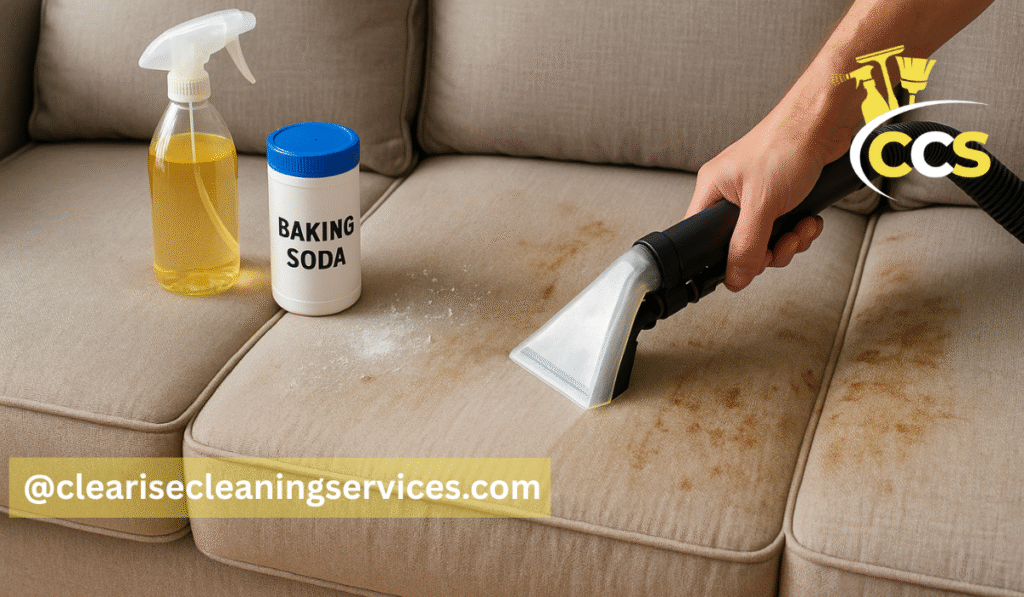
If you’ve ever noticed greasy marks where hands or legs rest, you’re dealing with oil buildup. The best solution is simple: sprinkle baking soda over the area to absorb the excess oil. Let it sit for 20–30 minutes, then vacuum thoroughly. For any remaining residue, use a mild upholstery cleaner and gently blot. This works especially well for how to clean couch cushions with baking soda and keeps your fabric fresh without harsh chemicals.
Natural & DIY Cleaning Solutions
Natural cleaning methods are perfect for families who want a safe, chemical-free way to keep their couch cushions fresh. Simple household ingredients can do more than you’d expect—removing stains, eliminating odors, and keeping your living space healthy for kids and pets.
Use of Baking Soda
If your couch has started to smell a little stale, baking soda can fix that easily. Just sprinkle a thin, even layer over the cushions and let it sit for about 20–30 minutes. It works by absorbing odors, moisture, and light oils trapped inside the fabric. Once the time’s up, vacuum thoroughly to remove the powder and refresh the surface. This is one of the easiest ways for anyone wondering how to clean couch cushions with baking soda naturally and safely.
Use of White Vinegar
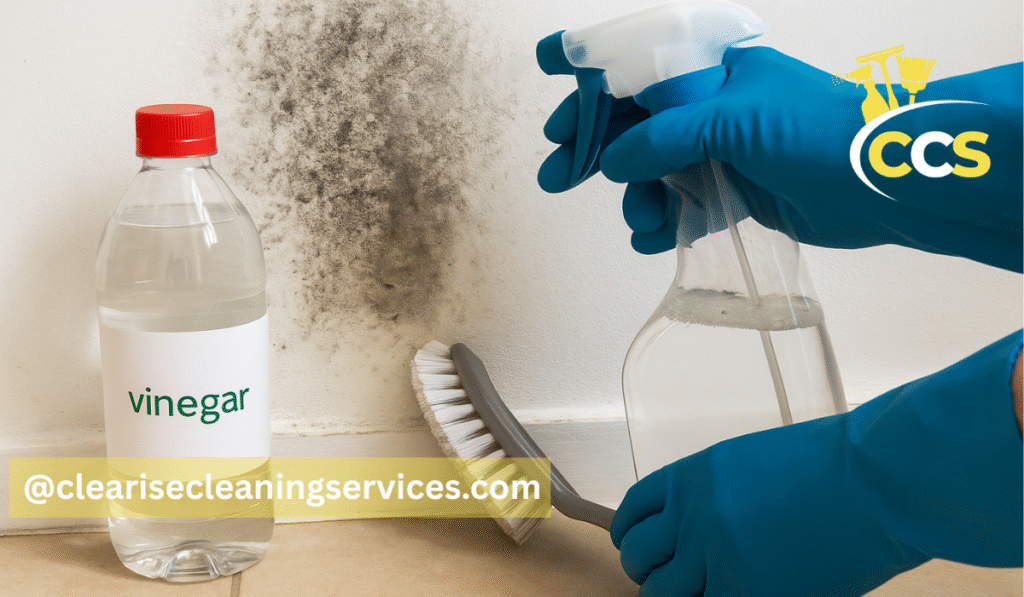
For light stains or to deodorize your cushions, white vinegar is another great option. Mix equal parts of vinegar and water in a spray bottle, then mist the stained area lightly—don’t soak it. Blot the spot gently with a clean cloth to lift dirt and neutralize smells. Vinegar not only cleans but also breaks down bacteria and deodorizes, making it perfect for families searching how to clean couch cushions with vinegar.
Avoid Harsh Bleach or Oversoaking
It might be tempting to use bleach or soak heavily stained cushions, but doing so can backfire. Harsh chemicals can irritate children’s or pets’ skin and even damage upholstery fibers. Oversoaking, on the other hand, can lead to mold or mildew growth. Always focus on gentle cleaning and minimal moisture for the safest results.
Homemade Cleaning Spray Safe for Families
If you prefer an all-purpose, safe solution, make your own cleaner using a few simple ingredients you already have:
- 1 cup warm water
- ½ cup white vinegar
- 1 teaspoon mild dish soap
- A few drops of essential oil (optional, for fragrance)
Mix the ingredients in a spray bottle, shake gently, and apply lightly on stains. Blot with a clean cloth and let the cushion air dry completely. This gentle, natural cleaner keeps your couch fresh and family-safe—no chemicals, no worries.
Choosing the Right Tools & Cleaners
Having the right tools on hand can make cleaning your couch cushions faster, safer, and far more effective. Whether you’re dealing with daily dust or an unexpected spill, the right products and equipment can help you handle almost any mess without damaging your furniture. Here’s what every parent or pet owner should keep in their cleaning kit.
Upholstery Cleaner and Portable Cleaning Machines
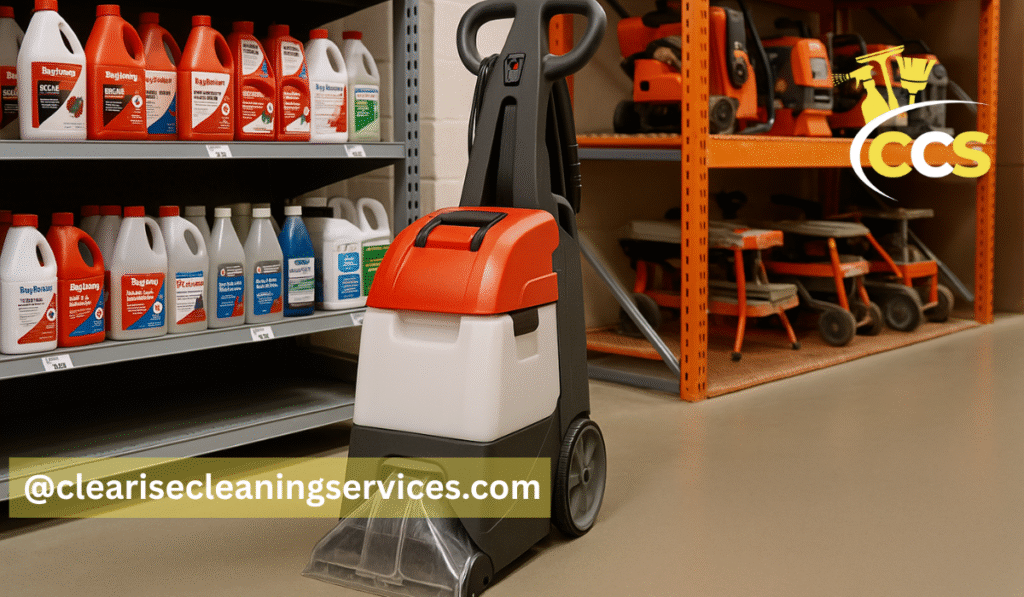
An upholstery cleaner or a portable carpet and upholstery machine is perfect for deeper cleanings when your couch needs more than a quick vacuum. These devices use gentle suction and fabric-safe formulas to lift grime, food stains, and built-up dirt from the fibers. They’re especially handy for families since they refresh your couch without leaving it soaked. Always choose a cleaner specifically made for furniture, as it’s designed to protect the material’s color and texture.
Steam Cleaner (If Fabric Allows)
If your couch’s care tag lists W or WS, a steam cleaner is an excellent tool to keep on hand. It’s chemical-free and powerful enough to remove bacteria, allergens, and odors using just heat and water. Move the steam head slowly over the surface and avoid over-wetting the fabric. This method is ideal for homes with children or pets since it sanitizes naturally without any harsh fumes or residue.
Natural Solutions for Quick Fixes
Even if you don’t own a machine, common household items like baking soda, white vinegar, or enzyme sprays can handle many day-to-day issues. Baking soda works for odors, vinegar for deodorizing and spot cleaning, and enzyme cleaners are a must for pet or kid-related stains like urine or spilled milk. Keeping these on hand means you’re ready for quick, safe cleanups anytime something unexpected happens.
Vacuum with Upholstery Attachment
A good vacuum with an upholstery attachment is one of the most important tools for keeping your couch clean between deep washes. Use the crevice tool to reach crumbs in corners and seams—those spots where snacks always seem to hide. Regular vacuuming keeps dust, fur, and allergens from building up, which is especially helpful for households with babies or pets.
Safety Tips for New Parents
Always choose child-safe and pet-safe cleaners that don’t contain ammonia or strong chemical fumes. Many store-bought products are labeled “non-toxic” or “eco-friendly,” and these are the best choice for maintaining indoor air quality. After cleaning, let the cushions dry completely before allowing kids or pets back on the couch to prevent irritation or residue exposure.
When to Call a Professional Upholstery Cleaner
Some fabrics—especially those marked with the X code—should never be cleaned with water or home products. If your couch has this label or has suffered from a major spill or odor issue, it’s best to call a professional upholstery cleaner. They use specialized solvents and machines that protect delicate fabrics while delivering a thorough, deep clean. For serious accidents or stubborn stains, professional help ensures your couch is cleaned safely without risking damage.
Preventive Maintenance & Cushion Care Routine
Keeping your couch clean doesn’t have to feel like a full-time job. With a few smart habits, you can reduce future messes, make cleaning easier, and extend the life of your cushions. Prevention is always easier than deep cleaning, especially when kids, pets, and daily family life are part of the picture.
Smart Habits for New Parents
Start by setting up a few simple rules and adjustments that make a big difference. Washable slipcovers are a lifesaver—they protect the fabric and can be tossed in the machine whenever spills happen. You can also establish no-food zones in your living room or limit eating to certain areas to reduce accidental stains. If you’re shopping for new furniture, look for stain-resistant fabrics that are easier to clean and less likely to absorb liquids. And don’t forget to rotate your cushions regularly to keep wear even and prevent sagging on the sides your family uses most.
Regular Vacuuming Routine
Dust, pet fur, and crumbs build up faster than you might think, especially in busy homes. Vacuuming your couch once a week with an upholstery attachment keeps it fresh and prevents debris from settling into the fabric. Make sure to get into the seams, corners, and under the cushions—those are the hidden spots where dirt loves to collect. A clean couch doesn’t just look better; it also helps maintain healthier indoor air quality.
Protect High-Traffic Areas
If your couch gets a lot of use, applying a fabric protector or invisible spray guard can help prevent stains from soaking in. These sprays create a protective barrier on the surface of the fabric, making spills easier to wipe away before they set. It’s a quick, invisible way to preserve your couch’s appearance, especially if you have kids who tend to climb, snack, or nap on it daily.
Act Fast on Spills
One of the best habits you can build is a “quick wipe” rule—clean every spill right away. The sooner you blot up a stain, the less likely it is to leave a mark or odor behind. Keep a small cleaning kit nearby with a mild soap solution, a microfiber cloth, and a bottle of vinegar spray for emergencies. A few seconds of quick action can save you hours of deep cleaning later.
Conclusion
Learning how to clean couch cushions properly is one of the easiest ways to keep your home fresh, comfortable, and healthy—especially for new parents juggling daily messes. By understanding your fabric’s care code, vacuuming regularly, treating spills right away, and doing periodic deep cleans, you can extend your couch’s life and maintain a clean, cozy space for your family. Whether it’s a quick refresh with baking soda, a gentle wash with vinegar, or a professional deep clean when needed, these simple habits help ensure your seating stays safe, soft, and inviting for everyone who shares it.
FAQ Section (Brief)
Can I Wash Couch Cushion Covers In The Washing Machine?
Yes, most removable cushion covers labeled with W or WS cleaning codes can be washed in a washing machine using a gentle cycle, mild detergent, and cold or lukewarm water. Always air dry or use a low-heat setting to prevent shrinking.
What do W, S, WS, and X tags mean?
These letters on your care tag tell you the safest cleaning method:
- W: Use water-based cleaners.
- S: Use solvent-based cleaners only (no water).
- WS: Either water or solvent cleaners are safe.
- X: Vacuum or dry brush only—no liquid cleaners.
How Long Do Cushions Take To Dry?
It depends on the material, but most need 24 to 48 hours to dry completely. Always ensure cushions are fully dry before use to prevent mold, mildew, or musty smells.
Is Baking Soda Safe For All Fabrics?
Baking soda is safe for most materials, but it’s always smart to test a small hidden area first—especially if your couch has delicate or specialty fabrics.
When Should I Call In A Professional Rather Than DIY?
If your couch has an X cleaning code, a persistent odor, or deep stains that don’t respond to home cleaning methods, it’s time to call a professional upholstery cleaner. They use advanced tools and gentle solvents designed for fabric safety.
Disclaimer: The information provided in this article, “How to Clean Couch Cushions,” is intended for general educational and household guidance purposes only. While every effort has been made to ensure accuracy, results may vary depending on fabric type, cleaning method, and product use. Always check your couch manufacturer’s care label (W, S, WS, or X) and test any cleaning solution on a small, hidden area before applying it to the entire surface. The author and publisher are not responsible for any damage, discoloration, or material wear resulting from the use or misuse of the methods described. If your couch requires specialized care, professional upholstery cleaning services are recommended. Always use child-safe and pet-safe products where applicable.
Thanks for visiting Clearise Cleaning Services! Discover more helpful tips and expert cleaning insights by exploring our related categories.