If you’re a parent, you already know how quickly a home can go from “almost clean” to “where did this mess even come from?” Kids bring joy, energy, and a surprising amount of crumbs into every corner of the house. That’s where deep cleaning house becomes more than a chore — it becomes a way to create a healthier, calmer space for your family.
Deep cleaning goes far beyond the quick wipe-downs we do on busy days. It reaches the places we forget about: under the couches, behind appliances, inside cabinets, and the tiny corners where dust, germs, and allergens settle. For families with children, especially babies or toddlers who crawl, touch everything, and put their hands straight into their mouths, a deeper cleaning routine can make a big difference in daily comfort and overall health.
In this guide, you’ll find practical tips, expert-backed advice, and clear steps that show exactly how to deep clean your home without stress. Whether you’re doing it yourself or you’re thinking about hiring a service, the goal is simple: help you understand what truly matters, what to clean first, and how to keep your home feeling fresh long after the deep cleaning is done.
What Is Deep Cleaning House — How It Differs from Regular Cleaning
When most people think of cleaning, they picture daily or weekly tasks like wiping counters, sweeping floors, or doing a quick tidy-up before bed. That’s regular cleaning — the kind of routine that keeps your home looking presentable. Deep cleaning house, on the other hand, goes several layers further. It focuses on the areas that slowly collect grime over time, the spots we overlook, and the surfaces that need a more thorough approach to stay truly hygienic.
Deep cleaning reaches the places regular cleaning rarely touches: behind heavy furniture, inside kitchen appliances, around baseboards, along window tracks, under beds, behind toilets, and in corners where dust loves to settle. It tackles build-up that forms quietly — grease on stove hoods, mineral deposits on bathroom fixtures, mold in damp areas, and stubborn dirt packed into grout lines. Experts in the cleaning industry often describe deep cleaning as a reset for your home, restoring surfaces to a cleaner and safer state by removing what basic cleaning doesn’t catch.
For families with children, this level of cleaning becomes even more important. Kids crawl, touch, explore, and spend a lot of time close to the floor. Dust, bacteria, allergens, and even tiny particles of food can collect in hidden areas and end up in little hands. A periodic deep clean helps minimize irritants that can affect breathing, trigger allergies, or make everyday surfaces less sanitary. It also supports better indoor air quality, which is essential in homes with babies or toddlers.
In short, regular cleaning keeps things looking fine, but deep cleaning keeps things healthy. It’s a deeper investment in your home and your family’s well-being, especially when life gets busy and small messes grow unnoticed.
Why New Parents Should Prioritize Deep Cleaning — Health, Safety and Peace of Mind
When you bring a baby or young child into the house, the way you look at “clean” changes. Suddenly, the floor is not just a floor anymore, it’s where your baby crawls, rolls, and sometimes licks their fingers after touching everything. That’s why deep cleaning house is not just about making things look nice, it’s about building a healthier environment where your child can grow, play, and breathe safely. Regular cleaning removes what you can see, but deep cleaning targets what you can’t see: the allergens, germs, and hidden dirt that quietly build up in corners, fabrics, and hard-to-reach areas.
Here’s how deep cleaning benefits new parents and their kids:
- Better air quality for little lungs
Dust, pet dander, pollen, and tiny particles settle in carpets, upholstery, curtains, and vents. Deep cleaning helps remove these layers, which can reduce sneezing, coughing, and irritation, especially in children who are more sensitive to poor indoor air. - Allergen and mold control
Hidden moisture in bathrooms, around windows, or under sinks can slowly grow mold or mildew. Deep cleaning includes inspecting these areas, wiping them properly, and using the right products, which helps lower the risk of allergy flare-ups, stuffy noses, and skin irritation. - Fewer germs on high-touch surfaces
Babies and toddlers touch door handles, table edges, toys on the floor, and then touch their face or put their hands in their mouth. Deep cleaning focuses on disinfecting these high-contact spots in kitchens, bathrooms, and play areas, helping to reduce the spread of common viruses and bacteria. - Safer kitchen and feeding zones
Grease, old food splatters, and crumbs hide behind stoves, under appliances, and inside cabinets. A deep clean in the kitchen helps create safer food prep and bottle-washing spaces by cutting down cross-contamination from old spills or sticky surfaces. - Pest prevention
Crumbs behind furniture, under high chairs, or in forgotten corners can attract ants, roaches, or other pests. Deep cleaning removes the food sources that invite pests in, making your home less attractive to them. - Peace of mind for tired parents
Knowing that the home has been thoroughly cleaned below the surface can ease a lot of quiet anxiety. When you’re already managing sleepless nights and nonstop feeding schedules, the comfort of a deeply cleaned home can make you feel more in control and more relaxed.
In simple words, deep cleaning is like giving your home a health check. It doesn’t just make rooms look fresh, it supports your child’s breathing, skin, and overall comfort, while giving you one less thing to worry about.
When to Deep Clean: Timing & Frequency for Families and Busy Homes
Every home has its own rhythm, but when you’re raising kids or sharing space with pets, dirt and clutter build up faster than you expect. Deep cleaning isn’t something you do every week — it’s a more intentional reset that helps your home stay healthy and manageable. The right timing depends on your lifestyle, but there are a few general guidelines that work well for most families.
How Often Should You Deep Clean?
Instead of sticking to one rigid schedule, think of deep cleaning in flexible cycles:
- Quarterly (every 3 months):
Ideal for families with kids or pets. This timing keeps dust, allergens, and hidden grime from building up too much. - Bi-annual (twice a year):
Works well for homes with lighter activity. It’s a good balance between maintenance and preventing long-term buildup. - Annual (once a year):
The bare minimum. Many people choose a full deep clean during spring or before major holidays.
Common Triggers That Signal It’s Time
Life events and seasonal shifts often tell you when a deep clean is needed. Some of the most important triggers include:
- Seasonal changes: Dust, humidity, and allergens shift with the weather. Spring and fall are perfect times to refresh your home.
- After illness: To reduce lingering germs on surfaces, bedding, toys, and high-touch areas.
- Before or after hosting guests: Helps prepare a welcoming space and clean up the hidden mess afterward.
- Post-renovation or repairs: Construction dust settles everywhere, even in rooms you didn’t use.
- When clutter becomes overwhelming: If toys, clothes, and random items start stacking up, a deep clean helps you reset the space.
- New baby arrival: Many parents do a full deep cleaning when preparing the nursery or bringing a newborn home.
- Pet shedding seasons: Pets bring dander, fur, and outdoor dirt inside, increasing the need for more frequent deep cleaning.
Homes With Kids or Pets Need Extra Attention
Children crawl on floors, grab everything within reach, and spend time close to surfaces adults barely notice. Pets bring fur, odors, and outdoor debris inside. Because of this, families in these situations often benefit from deep cleaning every 2–3 months. It keeps allergens low, reduces germs, and helps maintain a safer environment overall.
In short, deep cleaning fits into your routine when your home needs more than a quick tidy. Notice the signs, follow the natural cycle of your household, and adjust the frequency based on how busy and lively your space really is.
Room-by-Room Deep Cleaning Checklist (Kid-Friendly Focus)
Deep cleaning becomes much easier when you break it down by room. Instead of trying to tackle everything at once, focus on the spaces your kids spend the most time in and the places where dirt quietly hides. Below is a practical, parent-focused checklist that keeps your home healthier and more comfortable.
Kitchen & Dining Area
Food spills, sticky hands, and crumbs make the kitchen one of the most important spaces to deep clean.
Here’s what to focus on:
- Sanitize countertops, cabinet handles, and high chairs.
- Clean inside the fridge, freezer, and food storage areas.
- Wipe down appliances, including microwave, oven door, stove hood, and toaster.
- Scrub sink and faucet, removing mineral buildup.
- Clean dining table legs and the underside, where food splashes often stick.
- Sweep and mop under appliances where crumbs collect.
Bathroom & Toilets
Bathrooms collect germs, moisture, and mold — a combination that can affect young kids quickly.
- Scrub tiles, grout, and shower walls.
- Clean toilet base, seat hinges, and flush handle.
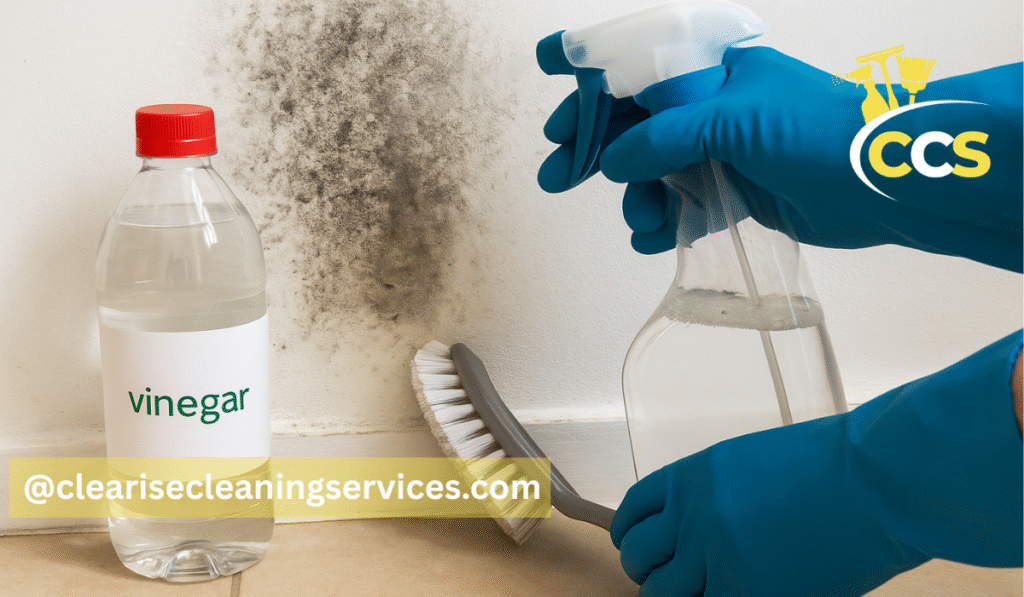
- Remove mold or mildew from corners and around sinks.
- Sanitize taps, showerheads, and faucet handles.
- Clean drains and remove trapped hair or soap buildup.
- Wash bath toys and let them dry fully to prevent mold inside them.
Living Room & Play Areas
This is usually the busiest space in a family home, and it collects dust faster than you think.
- Dust shelves, TV stands, picture frames, and décor.
- Vacuum behind couches, under coffee tables, and inside storage baskets.
- Clean toys, play mats, and activity tables (baby-safe cleaners recommended).
- Vacuum carpets and rugs thoroughly with a brush attachment.
- Wipe remote controls, game controllers, and other shared items.
Bedroom & Nursery
Bedrooms should feel calm and clean, especially if your child has allergies or sensitive skin.
- Wash all bedding, including pillows, mattress covers, and comforters.
- Sanitize the mattress surface and rotate it if needed.
- Dust blinds, curtains, window frames, and nightstands.
- Organize closets and wipe shelves where dust settles.
- Clean crib rails, changing tables, and drawers.
- Vacuum under the bed and corners where dust balls hide.
Common Spaces & High-Touch Surfaces
Kids touch everything — and those “everything” spots need consistent deep cleaning.
Focus on:
- Doorknobs and door edges
- Light switches
- Window sills and handles
- Railings and banisters
- Cabinet knobs
- Remote controls and tablets
These surfaces collect germs quickly, so disinfecting them during deep cleaning helps reduce illness spread.
Floors, Walls & Corners
These areas collect what you don’t see until you look closer.
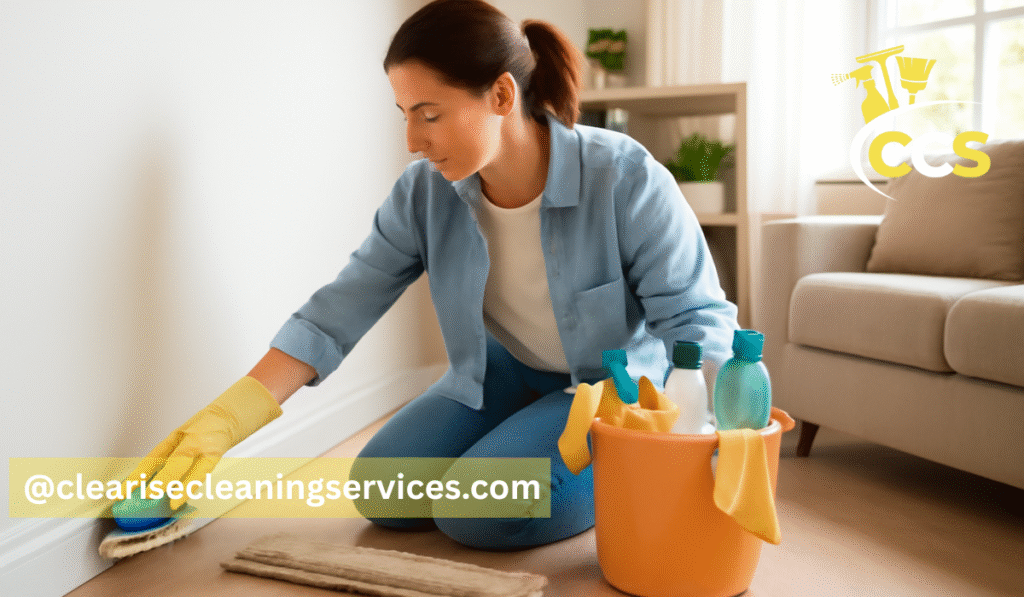
- Wipe baseboards and trim.
- Clean walls where fingerprints or smudges appear (near switches, hallways, play zones).
- Remove cobwebs from corners and ceiling edges.
- Vacuum air vents and change filters if needed.
- Clean under heavy furniture like beds, sofas, and wardrobes.
DIY Deep Cleaning vs Hiring Professional Deep Cleaning Services (and What to Watch Out For)
Every family eventually faces the same question: should we deep clean the house ourselves, or is it worth hiring a professional service? Both options can work well — it really depends on your schedule, energy level, and how detailed you want the cleaning to be. For busy parents, the decision often comes down to time versus convenience. Here’s a balanced look at both sides so you can choose what fits your home.
When DIY Deep Cleaning Makes Sense
Doing the deep cleaning yourself can be satisfying, and it gives you full control over how each space is handled. You know the corners your child touches most, the hidden crumbs under the couch, and the spots that need extra care.
Benefits of DIY:
- Cost-effective: Perfect for families on a budget.
- Full control: You choose the products, methods, and areas to prioritize.
- Personal touches: Parents often clean more carefully around baby items and sensitive surfaces.
- Flexible timing: You can break the cleaning into small sessions instead of doing it all at once.
Challenges of DIY:
- Time-consuming: A full deep clean can take hours or even days for one person.
- Physically tiring: Moving furniture, scrubbing tiles, or cleaning high areas is tough when you’re already busy with kids.
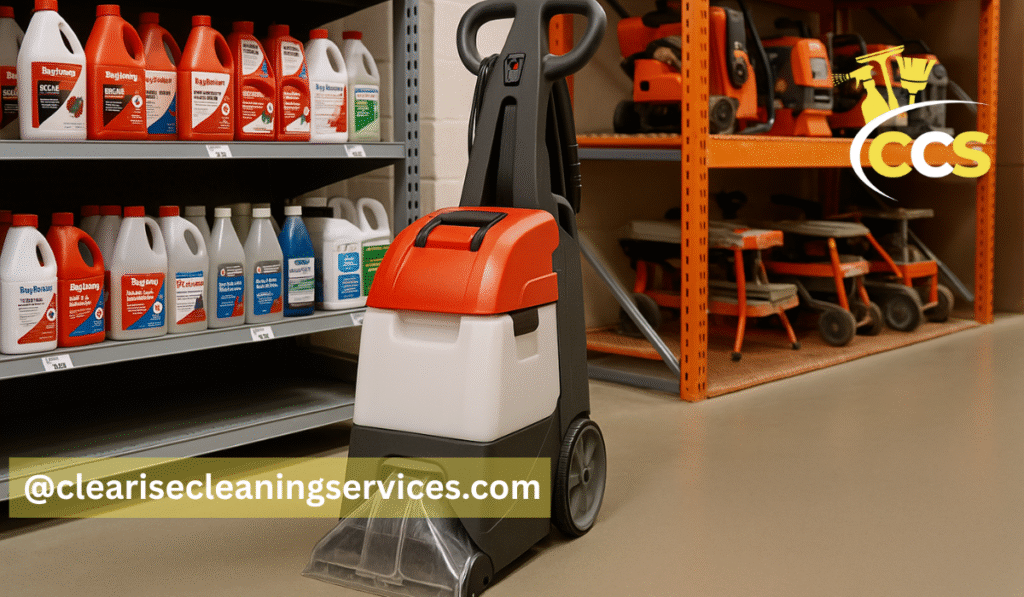
- Limited equipment: Most homes don’t have commercial-grade tools that professionals use for deep extraction, steam cleaning, or high-powered sanitizing.
When Hiring Professional Deep Cleaning Services Is the Better Option
Professional cleaners can be a lifesaver for parents who want a fresh, spotless home without losing an entire weekend. They bring experience, advanced tools, and a clear system that covers areas many people overlook.
Benefits of Professional Services:
- Expertise: Professionals know how to clean safely and effectively, especially in high-risk areas like bathrooms and kitchens.
- Thorough cleaning: They reach spots most families forget — vents, baseboards, under appliances, and window tracks.
- Specialized equipment: Steam cleaners, HEPA vacuums, and eco-friendly disinfecting tools help remove allergens more efficiently.
- Time-saving: You handle your routine; they handle the mess.
- Consistent results: Most companies follow a structured checklist to ensure nothing is missed.
Drawbacks of Professional Services:
- Higher cost: Deep cleaning services are more expensive than regular cleaning, especially for large homes.
- Scheduling availability: You may need to book in advance during busy seasons.
- Quality varies: Not all cleaning companies offer the same level of care.
What Parents Should Check Before Hiring a Cleaning Service
If you choose to bring in professionals, make sure you hire a team you can trust around your family and home. Below are important things to verify:
- What’s included in the package: Some companies charge extra for inside ovens, fridges, window cleaning, or baseboards.
- Experience with family homes: Look for services that mention kid-friendly cleaning or allergy-sensitive cleaning.
- Safety of cleaning chemicals: Ensure they use non-toxic, baby-safe, and pet-safe products.
- Reviews and ratings: Check what other parents say about the service. Consistent positive feedback is a good sign.
- Staff reliability: Make sure the company hires trained and background-checked cleaners.
- Insurance coverage: This protects you if something gets damaged during the cleaning.
- Clear pricing: Ask for a written breakdown so there are no surprises later.
Estimated Costs & What Affects Deep Cleaning House Prices and Value
When families search phrases like deep cleaning house service cost or deep cleaning services near me, they’re usually trying to understand two things: How much will this really cost? and Is it worth it? Deep cleaning prices vary widely depending on several factors, and knowing these details helps you budget wisely and choose the right service.
What Factors Affect Deep Cleaning House Prices?
Deep cleaning isn’t a one-price-fits-all service. The final cost depends on a mix of home size, specific tasks, and location. Here are the biggest factors:
- Size of your home
Larger homes take more time and require more labor. A one-bedroom apartment might cost much less than a multi-level house simply because there’s more surface area to cover. - Number of rooms and bathrooms
Bathrooms and kitchens require deeper scrubbing and sanitizing, so homes with multiple wet areas tend to cost more. - Type of cleaning required
Not all deep cleans are the same. Costs can increase if you request:- Inside fridge + oven cleaning
- Post-renovation or post-construction cleaning
- Move-in or move-out deep cleaning
- Heavy dirt, stains, or clutter removal
- Specialized sanitizing for allergies or illness
- Level of buildup
Homes with long gaps between deep cleans may require extra time or additional equipment, which can raise the price. - Region and cost of living
Prices in major cities or high-demand areas tend to be higher. For example, deep cleaning in places like Washington DC, Arlington VA, or similar metro regions often costs more due to labor rates and demand. - Service provider reputation
Well-established cleaning companies or highly rated teams may charge more but often deliver more thorough, reliable results.
Typical Deep Cleaning Price Ranges
While exact numbers vary, most professional services follow a similar pattern:
- Small apartment: Lower cost range due to fewer rooms.
- Average family home: Medium range depending on layout and cleaning intensity.
- Large homes: Higher range, especially if multiple floors or heavy buildup is involved.
Hiring a company that offers customized quotes based on your layout and needs is usually the most accurate way to understand pricing.
Why Deep Cleaning Is Worth the Investment
Beyond the initial price, deep cleaning offers long-term value — especially for families with young children.
Here’s what you gain:
- Healthy indoor air
Removing dust, mold, and allergens reduces respiratory irritation and creates a safer environment for children and babies. - Longer lifespan for furniture and floors
Dirt, grease, and grime slowly damage surfaces. Deep cleaning helps preserve flooring, upholstery, tiles, wood, and appliances. - Lower allergy risks
Regular deep cleaning cuts down pollen, dander, and dust mites, making the home safer for kids with sensitive skin or breathing issues. - Time saved for parents
Instead of spending entire weekends scrubbing, busy families can focus on rest, routines, or quality time with their children. - Better sanitation in kitchens and bathrooms
These areas are hotspots for germs. A thorough clean helps reduce contamination risks, especially where food is prepared or where toddlers bathe.
Many families find that the cost of a deep cleaning service actually saves them money in the long run by reducing repairs, replacing fewer items, and maintaining a healthier home environment.
Smart Tools, Products and Eco-Friendly Techniques for Effective Deep Cleaning
You don’t need a cupboard full of fancy products to deep clean your house. A few smart tools, safe cleaners, and simple habits can make a big difference, especially when you have kids at home.
Here are the most useful tools and how they help:
- Microfiber cloths
Microfiber grabs dust instead of just pushing it around. You can use it dry for dusting and slightly damp for wiping surfaces. It’s gentle on furniture, screens, and stainless steel, and it reduces the need for strong chemicals. - Good mop and bucket (or spray mop)
A flat mop or microfiber mop works well on most floors. For busy parents, a spray mop is even easier, because you can do quick passes in the kitchen or hallway without dragging a bucket around. - Vacuum with attachments
A vacuum with a HEPA filter and different nozzles is a game changer. Use:- The brush head for sofas, mattresses, and curtains
- The narrow tool for corners, baseboards, and window tracks
- The main head for carpets and rugs
This helps remove fine dust, crumbs, and allergens that regular sweeping misses.
- Gentle but effective cleaners
You don’t always need harsh formulas. Look for mild, multi-surface cleaners that are labeled non-toxic or child-safe. For simple jobs, warm soapy water is still one of the safest and most effective options. - Natural cleaners (used wisely)
Some parents like using simple ingredients like white vinegar, baking soda, or lemon for certain areas. These can help with:- Limescale on taps (vinegar)
- Mild odor removal (baking soda in carpets or fridge)
But be careful: vinegar should not be used on natural stone, marble, or some sealed surfaces because it can damage them. Always spot-test first.
- Safe disinfectants
For high-touch surfaces, bathrooms, and kitchen zones, use a disinfectant that is:- Clearly labeled for home use
- Safe for the surfaces you’re cleaning
- Used exactly as the label says (including contact time)
Wipes or sprays that are “kid-safe” or “pet-safe” can be helpful, especially in play areas.
Ventilation and Safe Storage
Two things many people overlook during deep cleaning are fresh air and storage:
- Open windows where possible while cleaning, so fumes don’t stay trapped inside.
- Avoid mixing products (like bleach with anything else) — this can be dangerous.
- Store all cleaning liquids, sprays, and tablets in a high cabinet or locked drawer, far from curious hands.
- Keep original labels on bottles so you always know what you’re using and how to use it safely.
Eco-Friendly Cleaning Practices
If you want a cleaner home and a lighter impact on the environment, you can:
- Choose concentrated refills instead of new plastic bottles every time.
- Use reusable cloths instead of disposable wipes for everyday cleaning.
- Use just enough product — more cleaner doesn’t always mean more clean.
- Prioritize physical cleaning (scrubbing, wiping, vacuuming) first, then add disinfectant only where it’s really needed.
With the right tools and conscious choices, deep cleaning house becomes safer for your kids, kinder to the environment, and easier to maintain over time.
Maintaining Cleanliness After Deep Cleaning — Practical Habits for Busy Families
A deep clean feels amazing — but the real challenge is keeping the house reasonably clean afterward, especially with kids, toys, snacks, and school bags everywhere. The goal is not perfection; the goal is manageable routines that protect the results of your deep cleaning without exhausting you.
Think of it like this: deep cleaning is the “big reset,” and your daily and weekly habits are the small moves that keep everything under control.
Simple Daily Habits That Make a Big Difference
You don’t need a long checklist. Even a few small daily actions can stretch the life of a deep clean:
- 5–10 minute evening reset
Before bed, do a quick reset in main areas:- Put toys back in baskets
- Clear the coffee table and dining table
- Load the dishwasher or at least rinse dishes
- Wipe high-use surfaces once a day
A quick wipe of kitchen counters, the stove area, and the dining table keeps grease and crumbs from building up. - Shoes-off rule (if possible)
A simple “no outdoor shoes inside” habit keeps a lot of dirt, dust, and germs off your floors, especially helpful for crawling babies.
Weekly Habits to Support a Cleaner Home
Instead of trying to deep clean everything every weekend, choose small focus areas:
- Weekly “focus zone”
Each week, pick one area:- Week 1: Bathroom touch-up (scrub sink, toilet, and floor)
- Week 2: Kitchen extras (wipe cabinet fronts, clean microwave)
- Week 3: Bedrooms (dust surfaces, change bedding)
- Week 4: Living room (vacuum sofa, clean under coffee table)
- Quick declutter sweep
Walk through the main rooms with a basket and collect anything out of place: toys, socks, random items. Return them later or keep a “catch-all” basket. - Laundry rhythm
Set fixed days for bedding, towels, and kids’ clothes. Clean bedding and fresh towels help keep the whole house feeling fresher, even when toys are everywhere.
Spot Checks on High-Touch Areas
To keep germs under control between deep cleans:
- Wipe doorknobs, light switches, fridge handles, and remote controls once or twice a week.
- Pay special attention during cold/flu season or when someone at home has been sick.
These tiny tasks protect the deeper work you already did and are especially important when you have small children sharing the same spaces.
Involving Children (Age-Appropriate)
Kids don’t have to do heavy cleaning, but they can join small routines:
- Toddlers: Put toys in a bin, place books on a low shelf.
- Younger kids: Make their bed, wipe their desk, help sort laundry.
- Older kids: Vacuum their room, dust shelves, help with simple bathroom or kitchen tasks under supervision.
This not only takes some pressure off you, it also teaches them to respect the space they live in.
When to Call Professionals — Expert Advice on Hiring Services, What To Ask and What to Expect
Even if you handle most of your routine cleaning, there are moments when calling a professional deep cleaning service saves time, reduces stress, and delivers a level of detail that’s hard to achieve on your own. Searches like “deep cleaning house service near me” or “best deep cleaning services near me” become helpful when life gets overwhelming or when the home needs more than a surface refresh.
When Professional Help Is Worth It
Professional deep cleaning is especially valuable in situations like:
- After renovations or repairs: Construction dust spreads everywhere, even into rooms you didn’t touch.
- Preparing for a newborn: Many parents book a deep clean right before bringing a baby home to create a safer, low-allergen environment.
- Post-illness sanitization: A professional team can disinfect high-touch areas properly and reduce lingering germs.
- Seasonal resets: Spring and fall deep cleans help reduce allergies and refresh indoor air.
- Moving in or out: A complete deep clean helps ensure the next chapter starts fresh.
- Allergy-sensitive households: If someone in the home has asthma, eczema, or seasonal allergies, professional-grade cleaning can make a noticeable difference.
What to Ask Before Hiring a Cleaning Service
Not all cleaning companies offer the same level of detail or quality, so it’s important to screen them properly. When contacting a service, here are the questions every parent should ask:
- What areas are included in your deep cleaning package?
Make sure they cover:
- Baseboards
- Inside cabinets (if needed)
- Behind appliances
- Window tracks
- Bathroom tiles and grout
- High-touch surfaces
Some companies charge extra for inside the oven, fridge, or window cleaning, so confirm beforehand.
- Which cleaning products do you use, and are they child-safe?
Parents should look for:
- Non-toxic or low-VOC cleaners
- Pet-safe and baby-safe disinfectants
- Clear instructions on which products are used in sensitive areas like nurseries
- Do you bring your own equipment?
Professionals should bring:
- HEPA vacuums
- Steam cleaners
- Specialized brushes
- Microfiber tools
This equipment gives them an advantage over DIY cleaning.
- Can you provide a written cost estimate?
Ask for a breakdown of:
- Labor charges
- Add-on services
- Hourly vs. fixed price
- Expected cleaning time
Clear pricing helps avoid unpleasant surprises.
- Are your cleaners insured and trained?
Insurance protects your home if something breaks. Training ensures they know how to clean safely and efficiently. - Do you have recent reviews, especially from families?
Look for consistent feedback on:
- Professionalism
- Punctuality
- Thoroughness
- Respect for the home
Reviews help you judge reliability before letting strangers into your space.
What to Expect During and After the Service
A good deep cleaning team will:
- Arrive with their own supplies
- Follow a clear, structured checklist
- Move light furniture when needed
- Pay special attention to kitchens, bathrooms, and play areas
- Finish with a walkthrough so you can check the results
After the cleaning, your home should feel noticeably fresher, brighter, and easier to maintain.
Conclusion
Deep cleaning house isn’t just about spotless floors or shiny counters — it’s a way of creating a safer, healthier environment where your family can breathe easier and live more comfortably. For households with children, the benefits go even deeper: fewer allergens, cleaner play surfaces, reduced germs, and a sense of calm that comes from knowing your home is truly refreshed.
Whether you choose to do it yourself or call a professional, think of deep cleaning as an investment in your home’s long-term well-being. A periodic deep clean resets your space, protects your furniture and flooring, supports your family’s health, and reduces the stress of constant mess. When you’re ready, you can follow the room-by-room steps in this guide or explore trusted local cleaning services to handle the heavy work for you. The goal is simple — a cleaner, safer, and more comfortable place for your family to enjoy every day.
FAQs: Deep Cleaning House
1. How Often Should I Deep Clean My House?
Most families benefit from a deep clean every 3 to 4 months, especially if you have kids or pets. Homes with allergy concerns may need it more frequently.
2. What Is Included In A Deep Cleaning House Service?
Professional services usually cover baseboards, window tracks, behind appliances, bathroom tiles, kitchen detailing, dusting high areas, and sanitizing high-touch surfaces. Always check the company’s checklist before booking.
3. Is Deep Cleaning Safe For Babies And Toddlers?
Yes — as long as non-toxic, child-safe products are used. This is why many parents prefer services that offer eco-friendly or baby-safe cleaning solutions.
4. How Long Does A Deep Clean Take?
A typical deep cleaning session can take 3 to 6 hours depending on the size of the home, number of rooms, and amount of buildup.
5. Can Deep Cleaning Help With Allergies?
Definitely. Deep cleaning removes dust, pet dander, pollen, and mold, which can significantly improve indoor air quality for sensitive children.
6. Should I Be Home During The Deep Clean?
You don’t have to be, but many parents prefer to stay for the first session or walkthrough. Trusted companies usually offer insured and background-checked cleaners.
7. What’s The Difference Between Regular Cleaning And Deep Cleaning?
Regular cleaning handles daily messes. Deep cleaning targets hidden grime under furniture, inside appliances, behind toilets, on baseboards, and in corners most people overlook.
8. Is Hiring A Professional Worth The Cost?
For busy households, yes. You save time, get better sanitization, and reduce allergens. Parents with newborns or allergy-prone kids often find the investment worthwhile.
Disclaimer: This article provides general cleaning guidance based on common industry practices and family health considerations. It is not a substitute for professional advice or specialized cleaning services. Always follow product labels, prioritize child-safe cleaning methods, and consult a certified cleaner when dealing with mold, pests, or severe sanitation issues.
Thanks for visiting Clearise Cleaning Services! Discover more helpful tips and expert cleaning insights by exploring our related categories.