If you’ve ever looked at the back of a store-bought cleaner and wondered what half the ingredients even mean, you’re not alone. Many families today — especially those with babies, toddlers, or sensitive kids — are switching to homemade cleaning solutions because they’re safer, gentler, and surprisingly effective. And the best part? Most of the ingredients you need are already sitting in your pantry or under your sink.
Homemade cleaners offer a simple way to reduce chemicals in your home without sacrificing cleanliness. A little vinegar, a scoop of baking soda, a splash of mild soap, or even the zest of citrus can handle everyday messes just as well as commercial brands. Whether you’re wiping down a high-chair tray, freshening a play mat, or cleaning kitchen counters after dinner, natural DIY solutions give you more control over what touches your family’s living spaces.
In this guide, you’ll learn how to create reliable, science-backed cleaning mixtures, understand where and how to use them safely, and discover practical tips that make cleaning quicker, cheaper, and more eco-friendly. From all-purpose sprays to bathroom cleaners, gentle surface refreshers, and even odor-neutralizing hacks — we’ll walk through everything step-by-step so you can feel confident keeping your home clean, healthy, and family-friendly.
Basics: Why Homemade Cleaners Work (and What Ingredients to Keep at Home)
Before jumping into recipes, it helps to understand why homemade cleaning solutions work so well. The secret lies in a few simple, natural ingredients that most households already have — each one bringing its own cleaning power without the harsh chemicals found in many store-bought products.
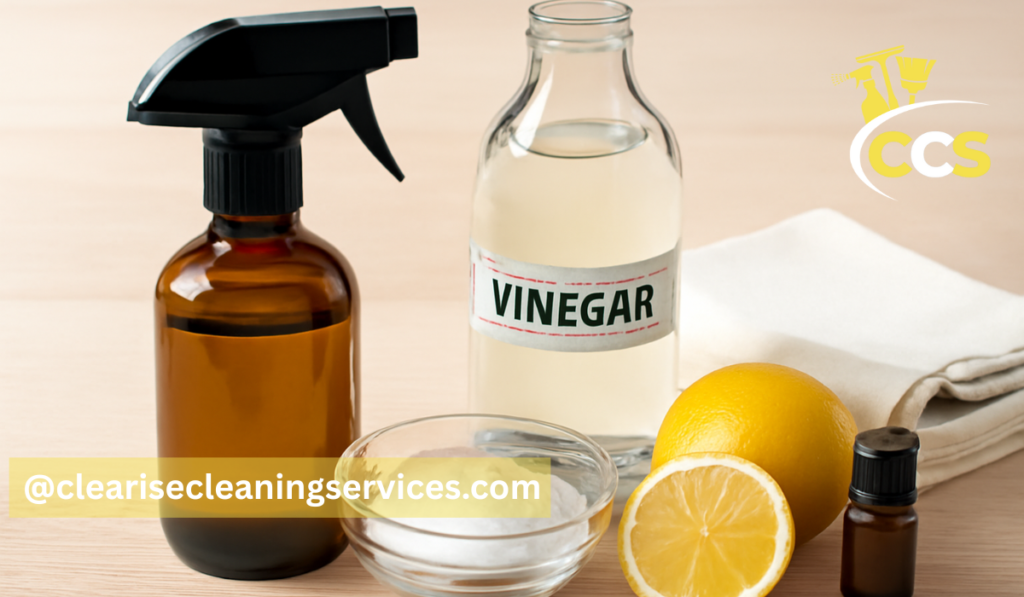
Essential Ingredients Every Home Should Have
You don’t need a long list of supplies. A small collection of versatile ingredients can handle almost every room in your home:
- Distilled or filtered water: a clean base for sprays; reduces streaks and mineral residue.
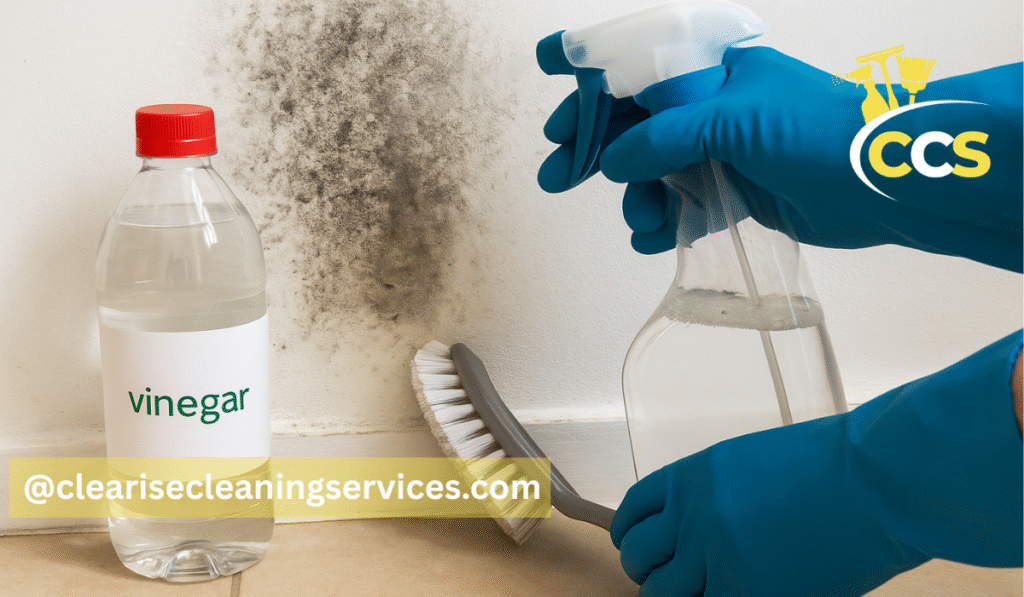
- White vinegar: naturally acidic, making it great for breaking down grease, soap scum, mineral buildup, and certain stains.
- Baking soda (sodium bicarbonate): a gentle abrasive that loosens dirt, absorbs odors, and helps lift stains.
- Mild soap (castile soap or gentle dish soap): adds cleaning strength, especially for oily messes or kitchen surfaces.
- Lemon or other citrus: the natural oils in the peel help cut grease while adding a fresh scent.
- Essential oils (optional): tea tree, lemon, lavender, eucalyptus — some offer mild antimicrobial properties and help your DIY cleaners smell fresh.
These ingredients are simple, safe, inexpensive, and easy to use — perfect for parents who want a cleaner home without exposing young children to unnecessary chemicals.
How These Ingredients Actually Clean (The Simple Science)
You don’t need to be a chemist to understand how DIY cleaners work, but knowing the basics helps you use them more effectively:
- Vinegar’s acidity dissolves buildup.
Grease, limescale, and soap residue respond well to mild acids. Vinegar breaks them down so wiping becomes easier. - Baking soda lifts dirt and removes odor.
Its fine, powdery texture works like a soft scrub, loosening stuck-on grime without scratching most surfaces. It also neutralizes odors — helpful for trash bins, carpets, or baby gear. - Soap cuts through fats and oils.
Whether it’s kitchen grease or fingerprints on high-touch surfaces, a little mild soap helps break down residues so they rinse away cleanly. - Citrus oils enhance cleaning power.
The natural oils found in lemon peels help dissolve grease and leave a pleasant, clean scent behind.
Together, these ingredients create cleaners that are safe but surprisingly powerful, especially for everyday household messes.
Why Parents Love Homemade Cleaning Solutions
For families with young children, the benefits go beyond simple cleaning:
- Safer around kids and pets.
Less exposure to harsh chemicals means fewer worries about irritation or accidental contact. - Budget-friendly.
Vinegar, baking soda, and soap cost a fraction of commercial cleaners, and each ingredient can be used for multiple purposes. - You control every ingredient.
No hidden fragrances or chemical preservatives — perfect for homes with allergies or sensitive skin. - Environmentally conscious.
Fewer plastic bottles, fewer toxins in wastewater, and more reusable tools.
Homemade cleaners give parents more confidence in what they’re bringing into their home — a small shift that leads to a much healthier cleaning routine.
Core Recipes: All-Purpose & Multi-Surface Cleaners You Can Make Today
Homemade cleaners don’t need to be complicated. With just a few ingredients, you can create sprays and solutions that work across most surfaces in your home. These recipes are simple, reliable, and family-friendly — perfect for everyday cleaning.
Simple All-Purpose Spray
This is the classic homemade cleaner most people start with. It’s gentle enough for daily use yet strong enough to handle fingerprints, light grease, and basic messes.
You’ll need:
- 1 cup distilled or filtered water
- 1 cup white vinegar
- 8–10 drops essential oil (lemon, lavender, or tea tree are popular)
How to use it:
Pour everything into a spray bottle, shake lightly, and you’re done.
It works well on:
- kitchen counters (avoid natural stone)
- bathroom sinks
- appliance exteriors
- high-touch surfaces like doorknobs or light switches
- kids’ play areas (if the smell of vinegar bothers you, let it air out — it fades quickly)
This spray is especially helpful for quick cleanups throughout the day.
Stronger Multipurpose Cleaner (For Grease, Stains, and Grimy Areas)
If you need something with a little more power — think stovetops, greasy counters, or stubborn bathroom spots — this combination works beautifully.
Ingredients:
- 2 tablespoons baking soda
- 1 cup white vinegar
- 1 cup warm water
- Optional: 8–12 drops essential oil
How to make it:
Add the baking soda to the bottle first, then slowly pour in the vinegar. It will fizz — that’s normal. Once it settles, add the water and essential oil.
Where it works best:
- stovetops with burnt-on splatter
- grimy sinks
- shower doors
- tile grout
- trash cans
- inside the microwave
The bubbling reaction helps lift dirt and break down tough buildup, making scrubbing easier.
Soap-Based All-Purpose Cleaner (Great for Kitchens & High-Grease Areas)
For homes where cooking happens often — or where sticky fingerprints seem to appear out of nowhere — a soap-based cleaner is extremely handy.
Ingredients:
- 2 cups warm water
- 1–2 teaspoons mild dish soap or castile soap
- Optional: 1 tablespoon white vinegar for extra shine (skip if cleaning natural stone)
How to prepare:
Mix ingredients gently so you don’t create too many suds.
Best uses:
- kitchen counters
- backsplashes
- cabinets with oily fingerprints
- appliance handles
- sealed floors
This is the kind of cleaner families use daily — simple, safe, and effective. The mild soap cuts through grease better than vinegar alone, making it ideal for cooking spaces.
Room-by-Room: Custom DIY Solutions (Kitchen, Bathroom, Floors, Glass & More)
Every room has its own kind of mess. Greasy splatters in the kitchen, soap scum in the bathroom, dusty floors, fingerprints on glass, mystery smells in fabrics — you know the drill.
The good news? With a few simple homemade cleaning solutions, you can handle all of them.
Let’s walk through each area of the home and see what works best where.
Kitchen: Counters, Stovetop, Sink & Pans
The kitchen is where grease, food splashes, and sticky spots show up daily, so you’ll want cleaners that are safe but strong enough to actually cut through the mess.
- Everyday counter cleaner
For daily wipe-downs:
- 1 cup water
- 1 cup white vinegar
- 8–10 drops lemon or orange essential oil
Spray on counters (avoid natural stone like marble or granite), let sit for a few seconds, then wipe with a clean cloth. This works well after meal prep, snack time, or kids’ spills.
- Stovetop and tough grease
When you’re dealing with dried sauce or greasy splatters:
- Sprinkle baking soda directly on the dirty area.
- Lightly spray with vinegar until it starts to fizz.
- Let it sit for 5–10 minutes.
- Wipe with a damp cloth or gently scrub with a soft sponge.
This combo loosens burnt-on bits without harsh chemicals.
- Sink refresher
For a stainless steel sink:
- Sprinkle baking soda over the wet sink.
- Scrub gently with a sponge.
- Rinse with warm water.
- Finish by wiping with vinegar for extra shine.
- Pans and cookware
- For stuck-on food, soak the pan in warm water with a small squirt of dish soap.
- For stubborn stains (like on baking trays), make a paste with baking soda + a little water, apply it to the stain, leave it for 15–20 minutes, then scrub gently.
Avoid abrasive scrubbing on non-stick or delicate surfaces — always use the soft side of a sponge or a non-scratch pad.
Bathroom: Tiles, Tubs, Sinks & Toilets
Bathrooms collect soap scum, limescale, and mildew — but you don’t necessarily need strong-smelling chemicals to deal with them.
- Tile and tub cleaner
- 1 cup white vinegar
- 1 cup warm water
- 1–2 teaspoons mild dish soap
Mix in a spray bottle, spritz on tiles and tub surfaces, let sit for a few minutes, then scrub and rinse.
For stubborn grime, sprinkle baking soda first, then spray this mix over it and scrub once it stops fizzing.
- Sink and faucet
Use the simple all-purpose spray (vinegar + water) for daily cleaning.
To shine faucets with limescale spots:
- Soak a cloth in vinegar.
- Wrap it around the base of the tap.
- Leave for 10–15 minutes, then wipe and rinse.
- Toilet cleaner
- Sprinkle baking soda inside the bowl.
- Add about ½ cup of vinegar around the sides.
- Let it fizz and sit for 10 minutes.
- Scrub with a toilet brush and flush.
This helps lift stains and freshen the bowl without strong chemical fumes.
Floors & General Surfaces
Different floor types need slightly different care, especially in homes with kids crawling or playing on the ground.
- General mopping solution (tiles, vinyl, sealed surfaces)
- 1 bucket of warm water
- ½ cup white vinegar
Dip your mop in, wring it out well, and mop as usual. This is great for everyday dirt and light messes.
If you prefer something without vinegar smell:
- Use warm water with a small amount of mild dish soap
- Laminate & wood floors
These are more sensitive. Too much water can damage them.
- Use mainly warm water + a tiny bit of mild soap.
- Wring the mop or cloth very well — it should be just damp, not wet.
- Never pour homemade cleaners directly onto the floor. Always apply with a cloth or mop.
Always test any cleaner on a small hidden area first.
Glass & Windows: Streak-Free Shine
Fingerprints, smudges, and dust show up fast on glass — especially if you have kids who love touching windows.
Simple glass cleaner:
- 1 cup water
- 1 cup white vinegar
- Optional: a few drops of dish soap (if glass is very greasy)
- Optional: a few drops of essential oil for a nicer scent
Spray on windows or mirrors and wipe with:
- a microfiber cloth
- or old newspaper (still a classic trick)
If you see streaks, go over once more with a dry cloth to polish.
Textiles, Upholstery & Odors (Baby-Friendly Options)
Couches, rugs, mattresses, and fabric surfaces can hold onto smells and stains, especially with little ones around.
- Baking soda deodorizer
For carpets, mattresses, or fabric sofas:
- Lightly sprinkle baking soda over the area.
- Let it sit for 20–30 minutes (longer if possible).
- Vacuum thoroughly.
This helps absorb odors from spills, sweat, pets, or general use.
- Gentle fabric freshening spray
- 1 cup distilled water
- 1–2 teaspoons rubbing alcohol or vodka (helps the scent disperse and dry faster)
- 10–15 drops essential oil (lavender, chamomile, or another mild scent)
Lightly mist over fabrics — don’t soak them. This is more of a freshener, not a stain remover, and is best used on things like curtains, cushions, or rugs in areas where kids play.
- Spot cleaning upholstery
- Mix a small amount of mild soap with warm water.
- Dip a clean cloth in the soapy water, wring it out, and blot the stain gently.
- Follow with a second cloth dampened with plain water to remove any soap residue.
Always test any fabric cleaner on an unseen corner first to make sure it doesn’t discolor or damage the material.
Special-Purpose Solutions & Lesser-Known Uses (Beyond Basic Cleaning)
Homemade cleaners aren’t limited to everyday surface cleaning. With a few clever combinations, you can tackle deeper problems like odors, stains, and buildup — all without turning to harsh chemicals. These extra solutions come in handy when you’re dealing with tricky spots or want a safer approach for a home with kids or pets.
Drain Cleaner & Disposal Maintenance
Kitchen sinks and bathroom drains pick up grease, soap residue, and little bits of food. A simple baking soda and vinegar combination can help clear light blockages and freshen the drain.
What to do:
- Pour ½ cup baking soda down the drain.
- Follow with 1 cup warm vinegar.
- It will fizz — let it sit for 10–15 minutes.
- Rinse with hot water.
This isn’t a substitute for fixing severe clogs, but it’s excellent for keeping drains smelling clean and running smoothly.
For garbage disposals:
- Toss in a handful of ice cubes and a slice of lemon.
- Run the disposal for 30 seconds to sharpen blades and freshen the smell.
Grout, Tiles & Tough Buildup
Bathroom and kitchen tiles can develop stubborn buildup over time — especially in grout lines. A simple paste works wonders.
Grout cleaning method:
- Mix baking soda + a few drops of water to create a paste.
- Apply it to grout lines.
- Spray lightly with vinegar and let the fizz loosen the dirt.
- Scrub gently with a toothbrush or grout brush.
- Rinse with warm water.
For soap scum on tiles:
- Baking soda + dish soap creates a smooth paste that sticks to vertical surfaces and breaks down buildup without scratching.
This method is safer and more budget-friendly than many commercial bathroom products.
Natural Stain Removal (Carpets, Fabrics & Cups)
Stains can feel stressful, especially with kids in the house, but natural cleaners work surprisingly well if you act quickly.
For carpet or fabric spots:
- Blot the stain first (never rub).
- Mix warm water with a drop of mild soap.
- Dab lightly onto the stain with a clean cloth.
- For odors or lingering marks, sprinkle baking soda over the area and vacuum once dry.
For tea or coffee stains on cups:
- Sprinkle baking soda inside the mug.
- Add a few drops of water to create a paste.
- Scrub gently and rinse.
For cookware with burnt patches:
- Sprinkle baking soda on the burnt spot.
- Add a splash of vinegar and let it bubble.
- Scrub once the fizzing settles.
These methods avoid chemical residues, making them safer for items kids use regularly.
Natural Air-Fresheners & Odor Neutralizers
If you prefer to avoid synthetic fragrances — especially around babies or allergy-prone family members — natural freshening methods are a great alternative.
Quick options include:
- Vinegar spray (1:1 vinegar and water): neutralizes odors instead of masking them.
- Essential oil diffuser: lavender, eucalyptus, or lemon can gently freshen rooms.
- Simmer pot: boil water with citrus peels, cinnamon sticks, or herbs for a comforting natural scent.
- Baking soda jars: place open jars in closets, bathrooms, or near litter boxes to absorb odors.
These solutions keep your home smelling pleasant without the irritants found in aerosol sprays.
Safety & Best Practices — Especially Important for Homes with Children or Pets
Even though homemade cleaners are gentler than many commercial products, they still need to be used thoughtfully — especially in households with kids, babies, or pets who explore every corner.
1. Label Every DIY Cleaner Clearly
Any bottle containing vinegar, soap, or other mixtures should be labeled. This prevents accidental misuse and keeps everyone in the home safe.
If you make multiple cleaners, note:
- what’s inside
- when you made it
- which surfaces it’s safe for
This helps avoid confusion, especially if others help with cleaning.
2. Avoid Using Acidic or Abrasive Cleaners on Delicate Surfaces
Vinegar and baking soda are helpful but not universal.
Avoid vinegar on:
- marble
- granite
- quartz
- natural stone tiles
- polished metal fixtures
Avoid abrasive baking soda on:
- delicate cookware
- glossy surfaces
- easily scratched plastics
Always test any cleaner on a hidden spot before using it widely.
3. “Natural” Doesn’t Mean “Harmless” — Use the Right Amount
Homemade cleaners can still cause irritation or surface damage if misused.
A few practical reminders:
- Don’t overuse vinegar — too much acidity can wear down certain finishes.
- Avoid combining ingredients randomly.
- Keep spray bottles out of kids’ reach.
- Wear gloves if you have sensitive skin.
Families sometimes relax around “natural” products, but proper handling is still essential.
4. Store DIY Cleaners in Proper Containers
Most homemade solutions stay fresh for only a few weeks, especially if they contain water that isn’t distilled.
Storage tips:
- Use glass bottles or durable plastic.
- Keep containers tightly sealed.
- Store in a cool, dark place away from direct sunlight.
- Avoid reusing containers that previously held chemicals.
If you notice a strange smell, separation, or discoloration, discard the mixture and make a new batch.
Expert Tips & Hacks — Make DIY Cleaning Easier, Faster, Smarter
Homemade cleaning solutions already simplify life, but a few expert tricks can make them work even better. Think of this section as practical wisdom — the small adjustments that help you get cleaner surfaces, better scents, and longer-lasting results without extra effort.
Use Distilled or Filtered Water for Cleaner Results
Hard tap water contains minerals that can leave streaks or dull the shine of surfaces.
Using distilled or filtered water:
- improves the effectiveness of your DIY sprays
- prevents cloudy residue on glass and mirrors
- helps cleaners stay fresher for longer
If you live in an area with hard water, this one change can noticeably improve your results.
Customize Scents and Strength with Essential Oils
Essential oils don’t just smell good — some offer mild cleaning benefits too.
They also help your homemade mixtures feel less “vinegary.”
Popular choices include:
- Tea tree oil: has light antimicrobial qualities
- Citrus oils (lemon, orange): cut grease and smell refreshing
- Lavender: calming, perfect for bedrooms or fabric sprays
A few drops are enough to shift the entire mood of a room while cleaning.
Make Small Batches for Freshness & Safety
Unlike commercial cleaners, DIY solutions don’t contain preservatives. That means:
- citrus-based sprays can spoil
- essential oils may lose potency
- vinegar mixtures can separate over time
Mixing smaller amounts ensures your cleaner stays fresh, effective, and safe for surfaces.
Use Microfiber Cloths Instead of Scrubbers
The cloth you use matters just as much as the cleaner itself.
Why microfiber works well:
- lifts dust and dirt without scratching
- leaves fewer streaks on glass
- pairs perfectly with vinegar-based sprays
- gentle enough for use around babies and pets
Save abrasive scrubbers for only the toughest grime — not for daily cleaning.
Common Misconceptions & Pitfalls — What to Avoid When Using Homemade Cleaners
DIY cleaners are simple and useful, but they do have limitations. Misunderstanding how they work can lead to damaged surfaces, ineffective cleaning, or unsafe combinations. A little awareness goes a long way.
Not All Surfaces Like Vinegar or Baking Soda
Even though vinegar and baking soda are natural, they’re not universal.
Avoid vinegar on:
- marble
- granite
- quartz
- natural stone tiles
- certain metal finishes
Avoid baking soda on:
- easily scratched cookware
- glossy plastic
- delicate finishes
When in doubt, test a small hidden spot first.
DIY Cleaners Don’t Replace Actual Disinfectants
Homemade solutions are great for everyday cleaning, deodorizing, and wiping down surfaces — but they don’t kill all germs. This matters if:
- you have a newborn
- someone in the home is immunocompromised
- you’re dealing with high-risk messes (like raw meat on countertops)
Use the right tools for germ-heavy cleaning; save DIY mixtures for routine maintenance.
Mixing the Wrong Ingredients Can Cause Problems
Some combinations may seem harmless but lead to poor results or surface damage.
For example:
- Vinegar + strong soaps or chemicals can weaken both solutions
- Baking soda + certain detergents may leave chalky residue
- Using one cleaner on every surface can slowly wear down finishes
Keep recipes simple, and don’t mix products without checking if they’re compatible.
Going Beyond Cleaning — Eco-Friendly, Budget-Smart & Zero-Waste Living with DIY Cleaners
Homemade cleaning solutions do more than tidy up surfaces — they support a healthier home, reduce waste, and help families save money. This part of the guide steps slightly beyond cleaning itself and highlights how DIY cleaners can contribute to a more mindful lifestyle.
Reducing Plastic Waste by Reusing & Refilling
When you make your own cleaners, you naturally reuse spray bottles instead of buying new ones. Over time, this small habit:
- cuts down on single-use plastic
- reduces the number of chemical containers entering the waste stream
- encourages sustainable household routines
Buying ingredients like vinegar or castile soap in bulk also lowers the amount of packaging your home consumes, making your cleaning routine more environmentally friendly.
Saving Money Without Sacrificing Quality
Most homemade cleaners rely on inexpensive pantry staples:
- vinegar
- baking soda
- mild soap
- essential oils (optional)
Since each ingredient can be used in multiple ways, families spend far less compared to purchasing separate cleaners for kitchens, bathrooms, floors, glass, and textiles.
For budget-conscious households — especially with babies or growing kids — this creates meaningful monthly savings without compromising cleanliness.
Creating a Safer Indoor Environment
Indoor air quality matters, especially for children, pets, and anyone with allergies or sensitive skin. Many commercial cleaners release strong fragrances or volatile chemicals that linger in the air.
DIY cleaners reduce this exposure, which may help:
- minimize respiratory irritation
- avoid strong chemical scents
- reduce contact with harsh ingredients on surfaces kids touch daily
It creates a gentler environment overall, particularly important in homes where little hands crawl, climb, and explore.
Customizing Every Mixture to Fit Your Family’s Needs
One of the biggest advantages of DIY cleaners is full control. You get to choose:
- how strong or mild the cleaner should be
- whether to add fragrance or keep it unscented
- which ingredients to avoid due to allergies
- what type of scent creates a calming or refreshing atmosphere
This flexibility is perfect for families seeking a hypoallergenic, child-friendly approach to cleaning.
Conclusion
Homemade cleaning solutions offer a practical, safe, and eco-conscious way to care for your home — especially for parents who want to reduce chemical exposure without sacrificing cleanliness. With just a few household staples like vinegar, baking soda, mild soap, and essential oils, you can create reliable cleaners for kitchens, bathrooms, floors, glass, and fabrics.
These mixtures aren’t meant to replace medical-grade disinfectants, but when used correctly, they take care of nearly all everyday cleaning tasks. The result? A fresher, calmer, and more child-safe home environment where you control exactly what touches your family’s living space.
Frequently Asked Questions
Are Homemade Cleaners Safe For Babies And Toddlers?
Most DIY cleaners made with vinegar, baking soda, and mild soap are considered gentle and low-risk. Still, keep mixtures out of reach, avoid spraying near your child, and rinse surfaces that babies regularly touch or chew.
Can I Use DIY Solutions On All Surfaces — Including Baby Furniture?
Not all surfaces respond the same way. Vinegar should never be used on natural stone or unfinished wood. Baking soda can scratch certain finishes.
Baby furniture made of sealed wood or plastic usually works well with mild soap-and-water mixes.
How Long Do Homemade Cleaning Solutions Last?
Most stay fresh for 2–4 weeks, especially if made with distilled water. Citrus-based or essential-oil blends may lose scent sooner. If a cleaner looks cloudy or smells off, it’s time to make a new batch.
What’s The Best Way To Store DIY Cleaners Safely?
Use tightly sealed glass or sturdy plastic bottles. Label each one clearly and date it. Store out of children’s reach — preferably in a locked cabinet or high shelf.
Can Homemade Cleaners Replace Disinfectants?
DIY cleaners are excellent for routine cleaning and odor removal, but they are not full disinfectants. For situations involving raw meat, illness, or high-germ surfaces, use proper disinfecting products.
Are DIY Cleaners Safe For Homes With Pets?
Generally, yes — but avoid essential oils that may irritate pets (like tea tree oil for some animals). Keep pets away from freshly sprayed surfaces until dry.
How Often Should I Clean With Homemade Solutions?
Daily or weekly cleaning is perfectly fine with natural mixtures. For deep sanitizing, especially in bathrooms or kitchens, pair your routine with a stronger disinfecting step when needed.
Disclaimer: The information in this article is for general household guidance only. Homemade cleaning solutions can be helpful for everyday cleaning, but results may vary based on surface type, product quality, and personal sensitivities. Always test new mixtures on a small, hidden area first and keep all cleaning products out of reach of children and pets. For serious stains, strong disinfecting needs, or specific medical or safety concerns, consult a qualified professional.
Thanks for visiting Clearise Cleaning Services! Discover more helpful tips and expert cleaning insights by exploring our related categories.