House cleaning San Diego can feel like a lifeline once you have a baby in the house. Between broken sleep, nonstop laundry, bottles, diapers, and that constant cycle of crumbs and spills, keeping up with cleaning often becomes one more thing on a very long list. Add in visitors, seasonal colds, and the fact that babies touch everything, and it makes sense that many new parents start looking for help that’s safe, reliable, and worth the cost.
This guide is built for real life, not picture-perfect homes. I’ll walk you through the house cleaning services you can book in San Diego, what’s typically included in standard vs deep cleaning, how pricing usually works, and what questions to ask so you don’t get surprised later. You’ll also get a baby-safe cleaning approach, plus practical room-by-room checklists and time-saving routines that make your home feel fresher even when your schedule is unpredictable.
And here’s the most important reassurance: hiring help or simplifying your routine doesn’t mean you’ve “failed” at keeping up. A clean home after a baby isn’t about perfection. It’s about reducing stress, keeping the most important areas hygienic, and giving you more time to rest and actually enjoy your family.
Why House Cleaning Needs Change After a Baby (and what to prioritize)
When you’re caring for a newborn, your old definition of “clean” usually stops working. Before the baby, you might have cleaned when things looked messy. After the baby, you’re dealing with sticky hands, spit-up, bottles, diaper changes, and a tiny human who eventually crawls across every inch of your floor. The goal isn’t to clean more. It’s to clean smarter and focus on what actually protects your family’s health and your peace of mind.
The “new parent cleaning triangle”: health, time, sanity
Think of your cleaning priorities as a triangle:
- Health: Reduce germs and prevent mold, pests, and buildup in the areas that matter most.
- Time: Choose tasks that give the biggest visible and practical payoff in the shortest time.
- Sanity: Keep your home “calm enough” so you don’t feel like you’re living in constant chaos.
When you try to do everything, you usually do nothing consistently because you’re exhausted. When you prioritize the triangle, you create a routine that’s realistic and sustainable.
High-impact zones (what matters most)
If you can only keep up with a few areas, aim for the places that affect baby safety, food hygiene, and day-to-day comfort.
Kitchen + feeding surfaces
The kitchen becomes ground zero after a baby. Even if you don’t cook big meals right now, you’re constantly washing bottles, pumping parts, cups, and tiny spoons.
Focus on:
- Countertops and feeding prep areas: Wipe daily, especially where bottles or food touch.
- Sink and faucet handles: These get touched with “dirty hands” all day.
- Highchair and surrounding floor: This area builds up crumbs fast, and it attracts ants if ignored.
- Fridge handles and microwave buttons: Small surfaces, high contact.
Simple tip that works in real homes: keep a small “kitchen reset kit” in one place (clean cloths/paper towels + gentle all-purpose cleaner) so you’re not hunting supplies with a baby on your hip.
Bathrooms (diapering, spit-up, sick days)
Bathrooms are where germs can spread quickly, especially during diaper blowouts or when someone catches a cold.
Prioritize:
- Toilet area: Seat, flush handle, surrounding floor
- Sink and faucet handles: Another high-touch zone
- Changing area (if you use the bathroom for changes): Wipe down surfaces often
- Trash can lid and diaper pail area: Odors and bacteria build up fast
Realistic new-parent move: if you can’t do a full bathroom clean, do a “mini clean” that takes 3–5 minutes: wipe toilet seat/handle + wipe sink/faucet + quick floor wipe around the toilet. It keeps things under control until your next full clean.
Floors (crawling stage) and soft surfaces (couches/rugs)
Once your baby starts rolling and crawling, floors matter a lot more than they used to.
Focus on:
- Entryway and main walking paths: These bring in outside dirt and bacteria.
- Living room floors: Babies spend a lot of time here.
- Rugs and couches: They trap crumbs, dust, and pet hair, and can hold odors.
Quick win: a fast vacuum in the main living area often makes your whole home feel cleaner than spending the same time organizing a closet.
A realistic “minimum standard” for a clean-enough home
A “clean-enough” home is one where:
- Food prep surfaces are wiped regularly
- Bathrooms don’t smell and the toilet/sink areas are sanitary
- Floors in baby areas are reasonably free of crumbs and debris
- Trash is managed so odors and pests don’t become a problem
- Laundry is contained (even if not perfectly folded)
That’s it. You do not need to scrub baseboards every week or make every room sparkle. If you’re considering house cleaning in San Diego, this minimum standard is also helpful because it clarifies what you want a cleaning service to maintain: the parts of your home that protect your family’s health and keep life feeling manageable.
What House Cleaning Services in San Diego Usually Include
Most house cleaning San Diego companies describe their services in a similar way: they offer standard recurring cleaning for maintenance, plus add-ons like deep cleaning, move-out cleaning, and specialty tasks. The difference for new parents is that you’re not just looking for a home that “looks tidy”. You want the areas that affect feeding, crawling, and everyday health to be handled carefully and consistently.
Standard / recurring cleaning (weekly, biweekly, monthly)
This is the most common service and usually includes the core tasks that keep your home under control:
- Dusting accessible surfaces (tables, shelves, nightstands)
- Vacuuming carpets and rugs
- Mopping hard floors
- Bathrooms: sink, toilet, mirrors, quick shower/tub wipe
- Kitchen wipe-down: counters, stovetop exterior, sink, and a general tidy
For many families, a biweekly clean is the sweet spot: it keeps the house from “resetting to chaos” but costs less than weekly. Weekly can be a great fit if you have pets, allergies, frequent visitors, or a baby who’s crawling everywhere.
New-parent add-on priorities (worth requesting upfront):
- Highchair area and surrounding floor, because crumbs build up fast
- Sticky fingerprints on lower cabinets, fridge, and doors
- Toy bins and play area quick reset (not organizing, just wiping and straightening)
- Trash and diaper pail area wipe-down if odors build quickly
A helpful pro-tip: ask if they do damp dusting (rather than dry dusting). Damp dusting removes dust instead of pushing it into the air, which can feel better in homes with allergies or sensitive babies.
Deep cleaning services San Diego (what “deep” should mean)
Deep cleaning is where you catch the buildup that regular cleanings don’t fully handle. A true deep clean usually includes:
- Baseboards and door trim (especially in high-traffic areas)
- Detailed bathroom scrubs: grout lines, shower corners, soap scum, mineral rings
- Fixtures: faucet bases, light switches, handles, and high-touch spots
- Vents and fans (reachable areas) and dust-prone ledges
- Cabinet fronts and buildup areas around handles
- Behind/under light furniture where crumbs and dust collect
For new parents, a deep clean is often most valuable in the bathroom (mildew and buildup) and kitchen (grease + food mess), plus the floors and rugs if your baby is crawling.
“Define deep clean” tip: deep cleaning means different things to different companies. To avoid disappointment, ask for a written checklist of what is included. If baseboards, vents, or inside appliances matter to you, make sure they’re clearly listed before booking.
One-time cleaning vs recurring plans
Both are useful, but they solve different problems.
One-time cleaning makes sense when:
- You want a postpartum reset so the house feels manageable again
- You’ve had out-of-town visitors and the home needs recovery
- You’re cleaning after illness and want a thorough refresh
- You’re preparing for photos, a gathering, or returning to work
Recurring plans win when:
- You want the house to stay stable without rebuilding the mess every week
- You’ve noticed that after a one-time clean, things slide back fast
- You want less mental load: fewer “cleaning marathons” and more consistency
A common approach that works well: one deep clean first, then switch to biweekly standard cleanings to maintain it.
Move-in / move-out cleaning (for parents relocating or upsizing)
Move-out and move-in cleanings are usually more detailed because the expectation is “empty home level” cleanliness, or at least close to it. Many landlords and leases focus on visible grime and neglected areas, including:
- Inside appliances (oven, fridge, microwave)
- Cabinets and drawers (wipe-out, especially kitchen and bathroom)
- Bathrooms: full scrub and detail work
- Baseboards, corners, and wall scuffs
- Floors: deeper mopping and edge cleaning
If you’re moving with a baby, it’s worth planning this early because move-related cleaning is physically demanding and time-consuming. Also, confirm whether the service includes inside fridge/oven or if those are add-ons.
Apartment cleaning services San Diego (small space, different pain points)
Apartment cleaning is not just “smaller house cleaning”. Small spaces have their own challenges:
- Small kitchens with little counter space (mess builds faster)
- Tight bathrooms where mildew and mineral buildup show more quickly
- Shared laundry and less storage, which makes clutter easier to spread
- High-touch common surfaces (entryways, doorknobs, switches)
Apartment-focused cleaners often appear in local lists because apartments are common in San Diego, and services that work efficiently in smaller spaces tend to get strong reviews for speed and consistency. For new parents, apartment cleaning can be especially helpful because you feel the mess more quickly in a compact home.
San Diego-Specific Cleaning Challenges Most Guides Miss
A lot of cleaning advice online is generic. San Diego homes often have a few specific factors that change what “clean” looks like and what it takes to maintain.
Coastal dust + sand + humidity (why “coastal house cleaning san diego” is a real need)
If you live near the coast, you already know the pattern: fine dust, sand, and that slightly humid feel can make floors gritty and bathrooms harder to keep fresh.
Entryway grit strategy (simple and effective):
- Create a shoes-off zone near the door
- Use two mats: one outside, one inside
- Choose washable mats you can toss in the laundry regularly
Mildew-prone spots to watch:
- Bathroom exhaust fans (dust collects and reduces airflow)
- Grout lines and shower corners
- Window tracks where moisture and dust combine
Even small changes help: running the bathroom fan during and after showers, wiping wet ledges, and keeping a microfiber cloth handy for quick moisture removal.
Hard water and mineral buildup
Many San Diego homes deal with mineral deposits that show up as cloudy shower glass, crusty faucet bases, and buildup around fixtures. You’ll notice it most on:
- Shower glass and tile
- Faucets and sinks
- Kettles and coffee equipment (if you use them daily)
If you’re hiring a cleaner, ask whether they address mineral buildup and what products they use. Some cleaners avoid harsh acids, while others will use specific methods for hard water. The important part is that they recognize the issue and treat it safely.
Allergy seasons + indoor air quality
Even if your baby isn’t showing allergies yet, dust and indoor air quality affect comfort for everyone. The best cleaning habits for air quality are simple and consistent:
- HEPA vacuuming (especially for rugs and soft surfaces)
- Damp dusting instead of dry dusting
- Regular attention to vents and fans (reachable areas)
Simple routines that reduce dust without daily deep cleaning:
- Vacuum the main living area 2–3 times a week (even a quick pass helps)
- Wipe high-touch surfaces daily (kitchen counters, bathroom sink handles)
- Wash bedding regularly and consider rotating washable throws/pillow covers
For many families, the goal isn’t to eliminate all dust. It’s to reduce the amount that builds up so your home feels fresher and easier to breathe in, without turning cleaning into a full-time job.
Cleaning Safety for New Parents
When you’re tired and trying to keep your baby healthy, it’s easy to overdo cleaning products or use them in ways that aren’t actually effective. The safest approach is simple: clean first, disinfect only when it truly matters, and always follow product directions.
“Clean” vs “disinfect” (and when you actually need each)
Cleaning is the everyday step: it removes dirt, crumbs, and a big chunk of germs using soap/detergent and physical wiping. Disinfecting is different. It uses a chemical to kill remaining germs on a surface, and it only works properly when the surface stays wet for the product’s required contact (dwell) time.
When new parents actually need disinfecting:
- After a stomach bug, flu-like illness, or obvious contamination (like diaper leaks on hard surfaces)
- High-touch surfaces when someone is sick (doorknobs, faucet handles, toilet flush handle)
- Shared items used by multiple people during illness (phones, remote controls)
Most other days, good cleaning is enough. Over-disinfecting can create strong odors, irritate skin/airways, and add stress without real benefit.
Practical tip: If you disinfect, keep the surface visibly wet for the full label time. If it dries early, it may not do what you think it’s doing.
Baby-safe cleaning rules I recommend in real homes
These are simple habits that reduce risk without turning your house into a “chemical lab”:
- Ventilation basics: Open windows when you can, run bathroom fans during and after cleaning, and don’t trap fumes in small rooms.
- Keep products in original containers: It prevents dangerous mix-ups and keeps directions available when you need them.
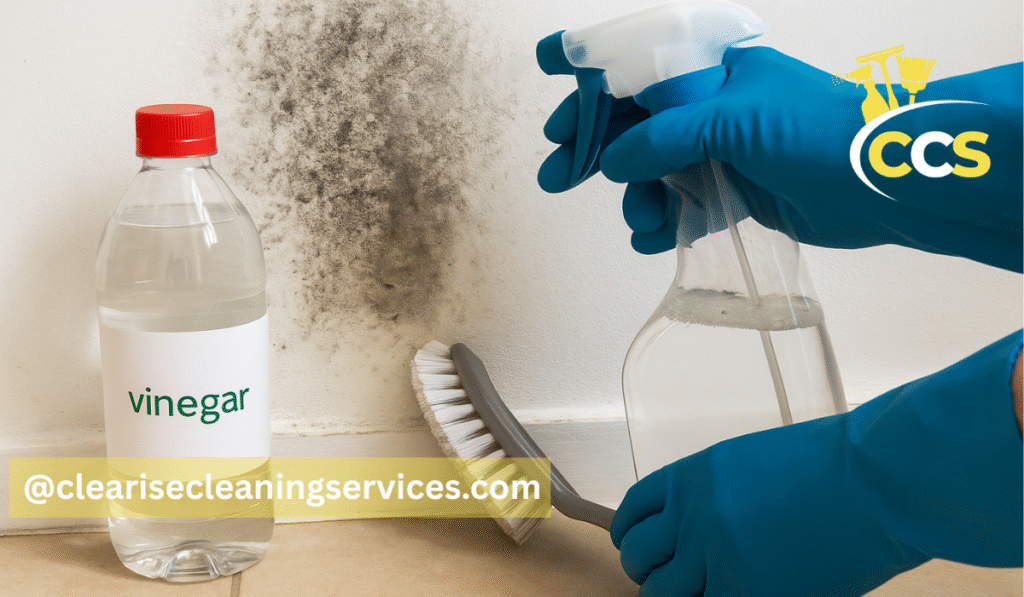
- Don’t mix chemicals: Especially bleach with ammonia or acids (including vinegar). Mixing can release dangerous gases.
If you’re hiring house cleaning in San Diego, it’s completely reasonable to ask:
- What products they use (and whether fragrance-free options are available)
- Whether they’re willing to skip harsh sprays in the nursery/play area
- How they handle disinfecting (and if they follow contact time directions)
Food-contact surfaces and toys
Food-contact surfaces (highchairs, bottle-prep counters, kids’ plates):
- Use a cleaner that’s safe for food areas, and follow the label.
- If the label says rinse, rinse. Many products are designed to be wiped, then rinsed on food-contact surfaces.
Toy rotation: what to wash weekly vs monthly
A rotation keeps things manageable.
- Weekly:
- Teethers, bath toys, and the “always in the mouth” toys
- Play mats (wipe or wash cover if removable)
- Highchair straps and tray (if they’re getting daily use)
- Monthly (or as needed):
- Stuffed animals (washable ones)
- Toy bins (quick wipe)
- Larger plastic toys that don’t get mouthed often
Real-life rule: focus on what the baby touches most, not every single toy in the house.
House Cleaning San Diego Prices: What You’ll Really Pay
Pricing in San Diego varies a lot by home size, condition, frequency, and whether you hire an independent cleaner or a company. Still, most people want a realistic range before they start calling around, so here’s how to think about it without getting misled.
Typical pricing models in San Diego
Most services use one of these:
1) Hourly pricing
- You pay for time (often per cleaner, per hour).
- Works well when your home’s needs change week to week (new baby messes are unpredictable).
- Risk: if the scope isn’t clear, you can end up paying more than expected.
Many sources and local discussions place San Diego hourly cleaning commonly around the $45–$65/hour per cleaner range for standard house cleaning, with independents sometimes lower and companies often higher depending on overhead and policies.
2) Flat-rate pricing (per visit)
- One price for a defined checklist (example: “2 bed/2 bath standard clean”).
- Great if you want predictable budgeting.
- Risk: some flat-rate quotes assume a certain condition level. If your home needs extra time, you may be upsold to a deep clean.
Who each model benefits
- Hourly tends to benefit households that want flexibility and are okay prioritizing the most important areas each visit.
- Flat-rate tends to benefit households that want consistency and prefer a set scope with fewer surprises.
General industry guides also describe hourly vs flat pricing as the two most common structures and explain why each is used.
House cleaning San Diego cost drivers (what changes the quote)
These factors typically move your price up or down:
- Home size (bed/bath count matters more than square footage in many quotes)
- Condition level (how much buildup, clutter, or pet hair)
- Pets (extra vacuuming, hair removal, odor control)
- Frequency (weekly/biweekly is usually cheaper per visit than one-time)
- Add-ons (inside oven/fridge, windows, baseboards, cabinets, laundry folding)
- Parking/access (gated buildings, long carry distance, no nearby parking)
The “new parent factor” is real: bottles in the sink, laundry piles, and constant interruptions can slow cleaning down. Many cleaners work efficiently, but if they’re moving items to clean around them, it takes longer. A simple solution is to agree on a priority list (kitchen + bathrooms + floors) so your money goes where it matters most.
Sample real-world price expectations (how to interpret them)
Instead of treating any number as a promise, use these as a starting point to compare quotes:
- Hourly averages: Multiple sources and local threads commonly mention around $35–$60/hour depending on independent vs company, with $60/hour often described as “reasonable” in local discussions for strong service and supplies included.
- Per-visit examples (community reported): People in San Diego-area threads report visits like $150–$180 for a typical clean depending on home size and frequency, and weekly cleans in larger homes landing higher (often because they take multiple hours).
- Deep clean starting points: Deep cleaning commonly starts at a higher hourly range or a higher flat-rate because it includes baseboards, buildup removal, and detail work. General pricing guides often place deep cleaning in a higher tier than standard maintenance cleaning.
Why companies often cost more than solo cleaners
Companies may include scheduling backups, customer support, insurance coverage, training standards, and sometimes supplies. Independents can be more affordable, but you’ll want to confirm reliability, scope, and what happens if they’re unavailable.
Cleaning services San Diego prices vs “cheap house cleaning san diego”
It’s normal to look for a deal, especially with a new baby. The key is knowing when “cheap” is fine and when it becomes a problem.
When cheaper can be fine
- Small apartment maintenance clean where you only need basics
- A simple routine clean once you’ve already done a deep clean recently
- You’re clear about scope: kitchen + bathrooms + floors, and that’s it
When cheap becomes expensive
- Missed details that force you to re-clean
- Breakage with no clear policy to handle it
- No insurance, unclear accountability, or inconsistent scheduling
- Pricing that starts low but climbs through add-ons you assumed were included
A good approach is to compare value, not just price: clear checklist, consistent results, respectful handling of baby areas, and a plan for re-cleaning if something was missed.
How to Choose the Best House Cleaning Services San Diego (New-Parent Checklist)
When you’re hiring house cleaning in San Diego as a new parent, the “best” service isn’t the one with the fanciest website or the cheapest quote. It’s the one you can trust in your home, that cleans consistently, respects baby-safe priorities, and communicates clearly. This checklist helps you choose quickly without overthinking.
The non-negotiables (trust + safety)
These are the basics I’d treat as must-haves, especially with a baby at home:
- Clear trust signals: professional communication, transparent pricing, and a written scope of work.
- Licensed/bonded/insured (where applicable): not every cleaner will be “licensed” in the same way, but you should look for proof of insurance at minimum if you’re hiring a company. If you’re hiring an individual, ask directly how they handle damage or breakage. “We’ll figure it out” is not a plan.
- Background checks (if a company claims they do them): if they mention background checks on their website, it’s fair to ask what that means and how often it’s done.
- Clear policies: cancellation, rescheduling, late arrivals, re-clean requests, how they handle keys/entry codes.
- Supplies policy: confirm who provides what. Some cleaners bring everything. Others expect you to provide basics like a vacuum or mop.
- Fragrance-free options: new parents often prefer low-scent or fragrance-free products, especially in nurseries and small apartments. If fragrance is an issue for you, say it early so you don’t waste time.
A simple way to phrase it: “We have a baby, so we prefer low-scent products and careful attention around feeding and play areas. Is that something you can accommodate?”
The interview questions that reveal quality fast
You don’t need a long interview. A few targeted questions will tell you whether you’re dealing with a pro who’s organized and honest.
- “What’s included in a standard clean vs deep clean?”
Listen for a specific checklist. If they can’t define it clearly, you’ll likely be disappointed. - “Do you use HEPA vacuums or damp dusting?”
You’re checking whether they understand dust control. Damp dusting is often better for air quality than dry dusting, and HEPA-level filtration matters in homes with allergies, pets, or babies crawling on rugs. - “What’s your re-clean/satisfaction policy?”
A trustworthy service has a calm, clear answer. Example of a good response: “If you report an issue within X hours, we come back to fix it.” You’re not looking for perfection. You’re looking for accountability. - “Can you work around naps, feeding schedules, pets?”
A good cleaner won’t be offended. They’ll offer solutions: starting in certain rooms, avoiding loud equipment during nap time, or doing the nursery last. This matters a lot for new parents because timing is everything.
Optional but helpful:
- “Do you assign the same cleaner/team each visit?” Consistency usually improves results.
- “Do you bring your own supplies and microfiber cloths each time?” This helps avoid cross-contamination and inconsistency.
Red flags to avoid
Even if the price looks great, these warning signs usually lead to stress later:
- Vague scope: “We do everything” without a written list of tasks.
- Unwilling to detail tasks: if they resist putting the scope in writing, you’ll have nothing to refer back to if expectations don’t match.
- Pressure tactics: “Book today or the price goes up.” Reliable cleaners don’t need to rush you.
- Unclear pricing: quotes that change without explanation, or add-ons that weren’t mentioned until after the clean.
- No plan for damages or missed areas: mistakes happen. What matters is how they handle them.
If you’re comparing options like the “best house cleaning services San Diego” or even browsing “house cleaning San Diego reddit” threads, this checklist keeps you grounded. Use recommendations to build a shortlist, then vet the service properly before you invite them into your home.
A New Parent’s “Smart Scope” Cleaning Plan (Done-for-you templates)
One reason house cleaning feels expensive is that parents often try to “buy perfection.” A smarter approach is to pay for the tasks that you truly don’t have time or energy to do, then support it with tiny habits that keep the house stable.
The 2-hour priority clean (when you’re exhausted)
This is the “we need the house to feel normal again” clean. Whether you do it yourself or hire a cleaner for a short visit, keep it focused:
Kitchen touchpoints (20–30 minutes)
- Counters and bottle prep area
- Sink + faucet handles
- Highchair tray + surrounding area
- Quick wipe of fridge handle, microwave buttons, cabinet pulls
Bathrooms quick reset (20–30 minutes)
- Toilet seat + handle/flush area
- Sink + faucet
- Mirror quick wipe
- Floor around toilet and sink
Floors (30–45 minutes)
- Vacuum main living area + baby zones
- Mop visible sticky areas (kitchen + bathroom floors)
Trash (5–10 minutes)
- Take out trash/diaper pail if odors are building
- Wipe trash can lid if it’s getting grimy
This isn’t a “deep clean.” It’s a high-impact reset that improves hygiene and makes your home feel calmer fast.
The weekly reset (biweekly cleaner + 10-minute daily habits)
If you can afford a biweekly clean, you’ll get the most value when you add a few tiny habits that prevent the “cleaned yesterday, messy today” feeling.
The 10-minute daily habits (choose 2–3, not all)
- Nightly kitchen reset: clear counters + quick wipe + load dishwasher
- One load of laundry start-to-finish: even if you don’t fold perfectly, keep it contained
- Two-minute bathroom wipe: sink + faucet + quick mirror wipe
- Toy sweep: toss toys into bins (no organizing, just containment)
- Entryway reset: shake mats, corral shoes, quick sweep of grit
The goal is not a spotless home. It’s preventing buildup so your paid cleaning doesn’t “disappear” within 24 hours.
The monthly deep clean rotation
Instead of trying to deep clean everything at once, rotate one deeper task each month. This is especially useful if you book deep cleaning services San Diego only occasionally.
Here’s a simple rotation that works in most homes:
- Month 1: Baseboards + door trim in main areas, plus vents you can safely reach
- Month 2: Fridge clean-out + wipe shelves and drawers, plus cabinet fronts
- Month 3: Bathroom detail (grout lines, shower corners, buildup around fixtures)
- Month 4: Upholstery refresh (vacuum couch cushions, spot clean, wash covers if possible)
- Month 5: Windowsills + window tracks (big help in coastal areas)
- Month 6: Pantry/food storage wipe-down + crumb control (helps prevent pests)
If you’re hiring cleaners, you can simply say: “Our recurring clean is kitchen, bathrooms, and floors. Once a month, please add the rotation item: this month it’s baseboards.”
Room-by-Room Checklist (Professional-Level, Parent-Realistic)
This checklist is based on how professional cleaners actually work, but adjusted for real homes with babies and limited energy. You don’t need to do everything every time. Use it as a guide to set priorities for yourself or to communicate clearly with a cleaning service.
Kitchen (bottles, highchair, sink, counters, appliances)
The kitchen is usually the most important room for new parents because it’s where feeding happens.
Daily or every clean
- Wipe countertops, especially bottle and food prep areas
- Clean sink and faucet handles
- Wipe highchair tray, straps (as needed), and surrounding floor
- Quick wipe of stovetop surface (not deep degreasing every time)
Weekly or biweekly
- Wipe appliance exteriors (fridge, microwave, dishwasher front)
- Clean cabinet fronts and handles at baby height
- Mop kitchen floor, paying attention to sticky zones
Occasional / deep clean
- Inside microwave
- Buildup around sink edges and drain area
- Baseboards behind eating areas
Parent tip: keep feeding-related items grouped. Less spreading means faster cleaning.
Bathrooms (toilet zones, tub/shower detail, mirrors, floors)
Bathrooms don’t need to sparkle, but they do need to be sanitary.
High-priority areas
- Toilet seat, rim, and flush handle
- Sink basin and faucet handles
- Mirror quick wipe (even if it’s not perfect)
- Floor around the toilet and sink
Weekly or biweekly
- Tub/shower surface wipe-down
- Trash can empty and lid wipe
- Mop bathroom floor
Occasional / deep clean
- Grout lines and corners
- Shower doors or glass buildup
- Exhaust fan cover (if reachable)
If someone in the house is sick, bathrooms move to the top of the priority list.
Bedrooms (dust control, sheets, under-bed zones)
Bedrooms often get ignored, but they affect sleep and air quality.
Regular maintenance
- Dust nightstands, dressers, and headboards
- Vacuum or sweep floors
- Change sheets (even if you don’t fold perfectly)
Occasional
- Vacuum under the bed (especially if you store things there)
- Wipe door handles and light switches
New-parent reality: clean sheets matter more than perfectly organized closets.
Living room (crumb zones, couch cushions, kid corners)
This is usually where babies spend the most awake time.
Every clean
- Vacuum rugs and main walking paths
- Wipe coffee tables, side tables, and remotes
- Quick toy sweep into bins
Weekly or biweekly
- Vacuum couch cushions and seams
- Spot-clean obvious spills or drool marks
Occasional
- Remove couch cushions and vacuum underneath
- Wash removable covers if possible
Crumbs hide here. A fast vacuum often makes the whole home feel cleaner.
Entryway (San Diego sand control system)
Entryways matter more than people think, especially in coastal areas.
Regular
- Shake out or vacuum mats
- Sweep grit near the door
- Wipe door handles and light switches
Occasional
- Wash entry mats
- Wipe baseboards and door edges
A good entryway routine reduces how much dirt reaches the rest of your home.
Nursery + play areas (safe wipe-down routine)
You don’t need to sanitize everything daily, but consistency helps.
Weekly
- Wipe crib rails, playpen rails, and frequently touched surfaces
- Clean changing table surface
- Vacuum or wipe play mats
Monthly
- Wipe toy bins
- Wash soft toys (as needed)
- Rotate toys so only a portion is in use
Focus on what your baby touches and mouths most. That’s where cleaning matters.
Add-On Services Worth It for Families (and when to skip)
Add-ons can be helpful, but not all of them are necessary every time. Here’s how to decide.
Inside fridge/oven (postpartum lifesaver)
Worth it when:
- You haven’t cleaned it in months
- You’re overwhelmed and need a reset
- You’re preparing for visitors or returning to work
Skip when:
- It’s already under control
- You’d rather use the time for floors or bathrooms
This is a high-effort task that’s often worth paying for once or twice a year.
Windows and track cleaning (coastal dust)
Worth it when:
- You live near the coast
- You notice dust and grime collecting in tracks
- You want more light without doing a full window service
Skip when:
- You’re on a tight budget and windows aren’t bothering you
Clean window tracks make a noticeable difference in how fresh a room feels.
Laundry folding or bed changes
Worth it when:
- Laundry is your biggest stress point
- You want clean beds without extra effort
- You’re short on time and energy
Skip when:
- You’d rather save money and fold later
- You’re okay with “clean but not perfect” laundry
Even occasional help here can feel like a huge relief.
Organization-lite (reset systems, not full organizing)
This is not professional organizing. It’s light, practical help.
Worth it when:
- You want toys, entryway items, or counters reset
- You need simple systems, not a total overhaul
Skip when:
- You expect deep decluttering or label-heavy organization
- You haven’t decided what you want to keep yet
A simple reset can make your home feel calmer without turning it into a big project.
Local Proof and “Social Trust” Without Hype (How to Use Reviews Correctly)
When you’re searching for house cleaning San Diego, reviews can help, but they can also mislead. A five-star average doesn’t always mean the service is the best fit for a home with a baby. The goal is to read reviews like a professional: look for patterns that predict what your experience will be like week after week.
How to read reviews like a pro (patterns > star count)
Instead of getting stuck on a single glowing review or one angry complaint, scan for repeated themes across many reviews. These are the signals that matter most for families:
- Consistency: Do people say the clean is “great every time”, or does it sound like quality depends on who shows up that day?
- Punctuality: Late arrivals are stressful when naps and feeding schedules are already unpredictable. Look for comments about showing up on time and finishing within the expected window.
- Communication: Do they confirm appointments, respond quickly, and explain pricing clearly? Good communication often predicts fewer problems later.
- Damage handling: Accidents happen. What matters is whether the company/cleaner takes responsibility and resolves it without drama.
- Scope clarity: The best reviews often mention specifics (“baseboards were done”, “shower glass looked new”) because the customer understood what was included.
A practical tip: look for reviews written by people who sound similar to you. Parents, pet owners, apartment renters, or coastal homeowners often mention issues that match your reality.
What people say on “house cleaning san diego reddit” and what to do with it
It’s common for new parents to search house cleaning san diego reddit because they want unfiltered, real-life recommendations. Reddit can be useful, but use it the right way.
What Reddit is good for:
- Finding names that don’t show up in ads
- Learning what locals care about (pricing, reliability, trust)
- Getting “watch-outs” (hidden fees, inconsistent teams, no-shows)
What Reddit is not good for:
- Verifying insurance, policies, or professionalism
- Confirming whether a service will meet your exact needs
- Guaranteeing current quality (teams and policies can change)
Best approach: use Reddit as a shortlist generator, then vet those options like a pro:
- Ask for a written scope (standard vs deep clean)
- Confirm pricing model (hourly vs flat-rate)
- Ask about supplies, fragrance-free options, and baby-area preferences
- Confirm rescheduling and re-clean policies
That way you get the best of both worlds: local opinions plus real verification.
San Diego Service Names People Search For (Mentioned Naturally)
You’ll also see people searching specific names and phrases, often because they’re trying to compare options quickly. If you’ve searched terms like mint house cleaning san diego, maid 2 clean san diego, best house cleaning san diego, best house cleaning services san diego, or coastal house cleaning san diego, treat them as starting points, not automatic winners.
If you searched these, here’s how to vet them the right way
No matter which service name you’re looking at, your decision should come down to the same practical checks:
- Scope: What exactly is included in a standard clean? What makes it “deep”?
- Pricing model: Hourly or flat-rate? Any add-ons that commonly surprise customers?
- Supplies: Do they bring products and tools? Can they do fragrance-free or low-scent?
- Insurance and accountability: What happens if something breaks, a key goes missing, or the clean isn’t done well?
- Scheduling policies: How far in advance do you need to book? What’s the cancellation or reschedule window?
- Consistency: Same cleaner/team or rotating staff?
For coastal-focused services (or anything labeled “coastal”), ask directly how they handle sand, window tracks, and mildew-prone bathrooms. For apartment-focused cleaning, confirm whether they’re efficient in small spaces and comfortable with building access and parking rules.
Conclusion
House cleaning San Diego should make life easier, not add stress. For new parents, the “best” service is the one that feels safe in your home, delivers consistent results, and reduces your mental load. You don’t need perfection. You need the kitchen, bathrooms, and baby zones handled reliably so your home stays comfortable and healthy with less effort from you.
Your next step is simple: decide on a clear scope (standard vs deep clean), choose a frequency that fits your budget (weekly or biweekly for most families), and ask the right questions before booking. When you do that, cleaning becomes one less thing to carry, and more time opens up for rest, health, and family moments that actually matter.
FAQs
What’s Included In A Standard House Cleaning In San Diego?
Most standard cleans include dusting reachable surfaces, vacuuming, mopping hard floors, a basic bathroom clean (toilet, sink, mirror, quick shower/tub wipe), and a kitchen wipe-down (counters, sink, stovetop exterior). Details vary, so always ask for the checklist in writing.
How Much Is House Cleaning San Diego Prices For A 1-bed Apartment?
A 1-bed apartment is often priced by time and condition. Many cleaners quote either an hourly rate or a flat-rate based on a “typical” apartment clean. Your final price depends on how much buildup there is, how often you schedule service, and whether you add tasks like inside the fridge or oven. A good approach is to request two quotes: one for a standard clean and one for a first-time deep clean.
Is Deep Cleaning Services San Diego Worth It After A Newborn?
Often, yes, especially if it’s been a while since your last deep clean or you want a fresh baseline. A deep clean can remove buildup in bathrooms and kitchens and make recurring cleanings cheaper and easier afterward. If budget is tight, you can also request a “partial deep clean” focused on bathrooms, kitchen details, and floors.
How Often Should New Parents Schedule A Cleaner (weekly Vs Biweekly)?
For many families, biweekly is the best balance of cost and sanity. Weekly can be worth it if you have pets, allergies, heavy visitors, or a baby crawling everywhere. Monthly works if you’re already maintaining well and mainly need help with deeper tasks.
Do I Need To Provide Supplies?
Some cleaners bring everything, while others prefer using your vacuum or mop (especially in homes with specific needs). If you want fragrance-free products, ask what they offer or whether they can use products you provide. The best arrangement is the one that’s clear from the start.
How Long Does A Typical Clean Take?
It depends on home size, condition, and number of cleaners. A small apartment may take a couple of hours, while a larger home can take longer, especially for first-time or deep cleans. Ask for a time range and confirm the exact scope so expectations match.
Should I Tip My Cleaner, And How Much?
Tipping is usually appreciated but not always required. If you’re happy with the service, many people tip as a thank-you, especially around holidays or after a difficult deep clean. If tipping isn’t in your budget, a positive review and clear communication can also go a long way.
Disclaimer: The information in this guide is meant for general education and may not fit every home. Always follow product label directions, keep cleaning products stored safely, and never mix chemicals. If you have concerns about allergies, asthma, mold, or your baby’s health, speak with a qualified professional. Prices and service details for house cleaning in San Diego can vary depending on your location, home size, and the scope of cleaning requested.
Thanks for visiting Clearise Cleaning Services! Discover more helpful tips and expert cleaning insights by exploring our related categories.