Carpets do a lot more than make a room feel comfortable. They also catch dust, crumbs, tracked-in soil, pet hair, pollen, and other particles that settle deep into the fibres over time. That is why learning how to clean a carpet properly matters. Regular cleaning is not only about appearance. It also helps with hygiene, keeps the carpet feeling fresher, and can support a longer lifespan when done the right way. Industry groups and cleaning brands continue to recommend a simple approach: stay consistent with vacuuming, treat spills quickly, deep clean on a schedule, and avoid over-wetting or aggressive scrubbing.
If you want to know how to clean a carpet at home, the good news is that it does not need to be complicated. Most carpet care falls into three parts. First, there is routine maintenance to remove everyday dust and dirt before it settles too deeply. Second, there is spot cleaning for spills and stains. Third, there is deep cleaning, which helps remove built-up grime that normal vacuuming cannot reach. In this guide, you will find practical steps for all three so you can clean your carpet safely and effectively.
How to Clean a Carpet
| Cleaning Task | Method | Key Tip | Frequency |
| Routine cleaning | Vacuum slowly in two directions | Use attachments for corners | Weekly |
| Fresh spills | Blot with clean cloth | Never scrub the stain | Immediately |
| Grease stains | Apply baking soda, then vacuum | Absorb oil before cleaning | As needed |
| Food & drink stains | Mild detergent + warm water | Blot gently | As needed |
| Pet accidents | Enzyme cleaner | Neutralizes odor and stain | Immediately |
| Deep cleaning | Carpet cleaning machine | Avoid over-wetting carpet | Every 6–12 months |
| Odor removal | Sprinkle baking soda | Leave for 30–60 minutes then vacuum | Monthly |
Why Regular Carpet Cleaning Matters
A carpet may look fine on the surface while still holding a surprising amount of dirt below. Tiny particles settle into the pile as people walk across it, and that friction can slowly wear down the fibres. Regular cleaning helps prevent that build-up and keeps the surface looking more even and fresh.
There is also the comfort factor. A clean carpet usually feels softer, smells better, and makes a room seem more cared for. In homes with children or pets, regular upkeep becomes even more important because there is usually more traffic, more spills, and more debris coming in from outside.
Another reason regular cleaning matters is air quality. Dust and allergens can collect in carpeted rooms, especially in busy areas. Vacuuming and periodic deep cleaning help reduce what is trapped in the fibres. While carpet cleaning is not a complete solution for indoor air concerns, it is still an important part of keeping the home cleaner overall.
Common Types of Carpet Dirt and Stains
Before cleaning, it helps to know what you are dealing with. Some messes sit on the surface, while others soak in quickly.
Everyday dust and soil are the most common. They often come from shoes, open windows, pets, and general daily activity. These are the particles that make carpets look dull over time.
Food and drink spills are another frequent problem. Tea, coffee, juice, sauces, and soft drinks can leave marks if they are not treated right away. Mud is also common, especially in rainy weather. It can look messy at first, but mud is often easier to remove once it dries.
Grease and oil stains are more difficult because oily residue tends to cling to fibres. Pet accidents can also be challenging because they often involve both staining and odour. In those cases, cleaning the surface is only part of the job. The smell also needs to be treated properly.
Basic Tools and Supplies for Cleaning a Carpet
You do not need a huge collection of products to keep a carpet clean. A good vacuum cleaner is the main tool, especially one with attachments for corners, edges, and tight spaces. Clean white cloths or plain paper towels are useful for blotting spills because they help you see what is lifting from the carpet.
A mild carpet cleaner or gentle detergent can help with general spot treatment. Many people also keep baking soda and white vinegar at home for simple DIY cleaning tasks. A soft brush or sponge can be helpful too, but it should be used gently. The goal is to lift dirt without damaging the fibres.
If you plan to deep clean, a carpet extractor or carpet cleaning machine can be useful. These are often called steam cleaners, though many home units work more like hot water extraction machines. Whatever product or machine you use, it is always smart to test a small hidden area first for colour safety. That precaution is commonly recommended in stain-removal guides.
Routine Carpet Maintenance
When people ask how to clean a carpet, the first step is usually not stain remover or deep cleaning. It is regular vacuuming. This is what keeps dirt from building up week after week.
Vacuum carpets at least once a week, and more often in homes with pets, children, or heavy foot traffic. Move slowly rather than rushing. A slow pass gives the vacuum more time to lift dust and debris from deeper in the fibres. Cleaning experts also recommend changing directions as you vacuum because it helps lift the pile from different angles. Using attachments along edges and corners also matters, since those areas often collect dust that the main vacuum head misses.
Routine maintenance may sound simple, but it makes a real difference. The cleaner your carpet stays day to day, the easier it is to deal with stains and the less often you will need intensive cleaning.
Step-by-Step Guide: How to Clean a Carpet
- Start with vacuuming to remove loose dust and debris.
- Treat spills quickly by blotting with a clean cloth.
- Apply a mild cleaning solution for stains and blot gently.
- Use baking soda or vinegar solutions for odors or light stains.
- Deep clean the carpet using a carpet cleaning machine when needed.
- Allow proper drying with airflow or fans before walking on the carpet.
How to Handle Fresh Spills Immediately
Quick action is one of the most important parts of carpet care. When something spills, blot it right away using a clean cloth or paper towel. Press gently to absorb as much liquid as possible. Do not scrub. That is one of the most repeated rules in carpet-care guidance because scrubbing can push the stain deeper and rough up the fibres.
After blotting, use a mild cleaning solution if needed. Apply only a small amount and continue blotting rather than rubbing. Work patiently and repeat as needed. For many simple spills, cold water or a light vinegar-and-water mix can help lift the mark without being too harsh.
The key is to avoid soaking the area. Too much moisture can spread the spill, slow down drying, and in some cases leave behind residue or odour.
DIY Cleaning Solutions for Everyday Stains
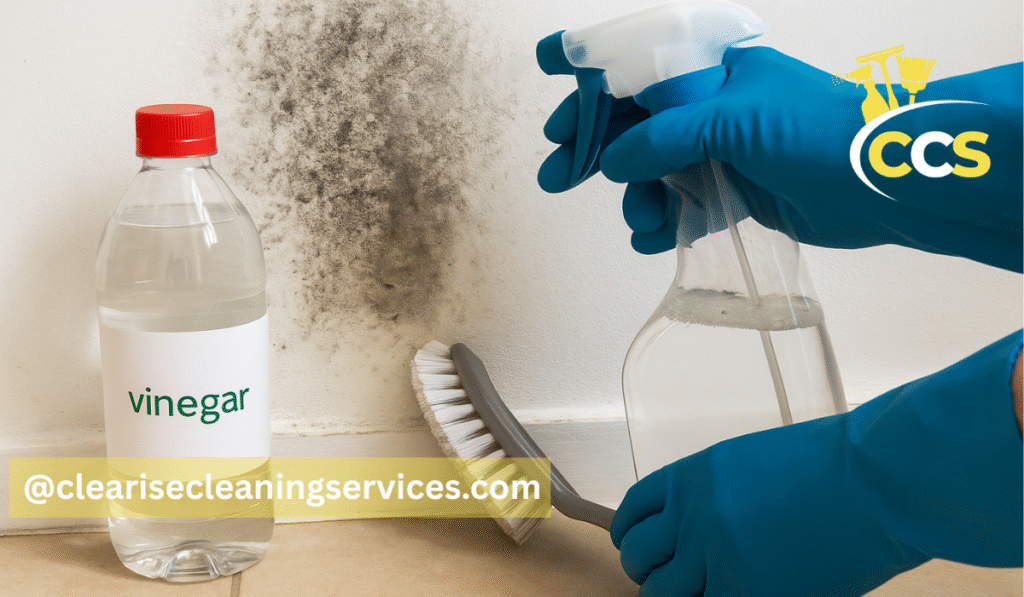
For light household stains, simple DIY methods can be useful. A mix of one part white vinegar and three parts water is a common option for general spot cleaning. Spray lightly rather than soaking the carpet, let it sit briefly, then blot with a clean cloth.
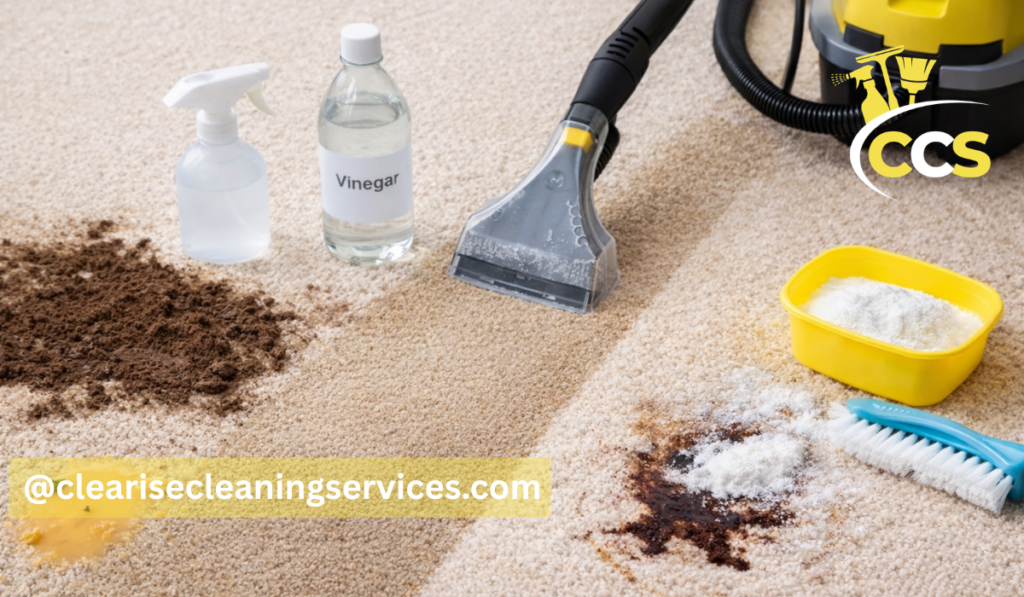
Baking soda is often used for odour control. It can be sprinkled over a dry carpet, left for a period of time, and then vacuumed up. It is also commonly used on greasy spots because it can absorb oily residue before further cleaning. Guidance from cleaning sources still supports baking soda as a practical absorbent for grease-related carpet messes, especially when used before wet cleaning.
Cornstarch can work in a similar way for oily stains. For plain liquid spills, cold water is usually the safest starting point. Simple methods often work best when the stain is fresh and the carpet has not yet had time to absorb everything deeply.
Removing Common Carpet Stains
Different stains need slightly different treatment. Mud is a good example. It is usually better to let mud dry before cleaning it. Wet mud spreads easily and sinks further into the carpet, while dry mud can often be vacuumed up first before any remaining mark is treated.
Grease needs absorption first. Sprinkle baking soda or a similar absorbent over the spot, leave it for a while, then vacuum. After that, a small amount of dish soap on a damp cloth can help break down what remains, followed by gentle blotting and light rinsing.
Pet urine should be blotted immediately. After removing as much moisture as possible, an enzyme cleaner is usually the best next step because enzyme-based products are designed to break down the proteins behind both the stain and the smell. This remains one of the most recommended approaches in current cleaning advice.
For food stains, a mild detergent with warm water often works well. Blot, rinse lightly, and repeat as needed. In all cases, patience is better than force.
Deep Cleaning a Carpet with a Cleaning Machine
Even with good maintenance, carpets usually need a deeper clean from time to time. A carpet cleaning machine can help remove embedded dirt that vacuuming leaves behind.
Start by moving furniture out of the way as much as possible. Then vacuum the full carpet thoroughly. This step matters because deep cleaning works better when loose dust and debris have already been removed. Most machine-cleaning guides also recommend moving slowly during the cleaning pass. A common method is to make one pass while releasing cleaning solution, then go over the same area again without releasing more liquid so the machine can pull out extra moisture.
Try not to over-wet the carpet. Too much water means longer drying time and a greater chance of musty smells or re-soiling. Follow the machine instructions carefully and use the recommended product rather than guessing the amount.
Deep Cleaning a Carpet Without a Machine
If you do not have a machine, you can still freshen a carpet with a more manual deep-cleaning approach. One common method is to sprinkle a light mixture of baking soda and salt over the carpet, mist it lightly with water until it is damp rather than soaked, then gently work it in with a soft brush. After it dries fully, vacuum the residue away.
This approach is not as powerful as extraction cleaning, but it can help freshen the surface and loosen some trapped dirt. The most important part is controlling moisture. The carpet should never become heavily wet during a manual clean.
Mistakes to Avoid When Cleaning a Carpet
A few common mistakes can make carpet problems worse. The first is scrubbing hard. It may feel like the fastest way to remove a stain, but it often damages the fibres and spreads the mess further.
The second is using too much water. Over-wetting slows drying and can leave the carpet smelling damp. Harsh chemicals are another issue. Strong cleaners may fade colour or leave behind residue that attracts more dirt later.
It is also a mistake to walk on the carpet before it is dry. That presses dirt back into the fibres and can flatten the cleaned area before it has fully recovered.
How to Dry a Carpet Properly After Cleaning
Drying is part of cleaning, not a separate extra. Open windows if the weather allows and use fans to move air across the carpet. Some cleaning advice also suggests using a dehumidifier if the room feels humid. Keep furniture off the damp carpet until it has dried fully. Once dry, vacuum again to lift the fibres and remove any leftover residue.
Depending on how much moisture was used, drying may take several hours or longer. The goal is to avoid trapping dampness in the room or under furniture.
How Often You Should Clean Your Carpet
For most homes, weekly vacuuming is a good standard. Spills should be cleaned immediately whenever they happen. Deep cleaning is usually needed every six to twelve months, though busy households may need it more often. Homes with pets, children, or a lot of foot traffic often benefit from more frequent attention. This timing is still widely recommended in current consumer cleaning guidance.
Tips to Keep Carpets Clean for Longer
The easiest way to clean a carpet is to stop as much dirt as possible from getting in. Remove shoes at the door, place mats at entrances, and vacuum high-traffic areas more often than the rest of the room. Clean spills as soon as they happen instead of waiting until later.
Small habits make a big difference. A little regular care reduces the need for heavy cleaning and helps carpets stay fresher between deep cleans.
Conclusion
Knowing how to clean a carpet properly comes down to a few simple habits. Keep up with routine vacuuming, deal with spills as soon as they happen, use gentle methods for stains, and deep clean the carpet on a regular schedule. Avoid scrubbing too hard, avoid over-wetting, and always allow the carpet to dry fully before normal use.
When carpet care is handled this way, the result is not just a better-looking floor. You also get a cleaner, fresher, and more comfortable home. Consistent maintenance really is the best way to keep carpets in good condition for the long term.
FAQs (People Also Ask)
What Is The Best Way To Clean A Carpet At Home?
The best way is regular vacuuming combined with quick stain treatment and occasional deep cleaning using a carpet cleaner or steam cleaner.
Can I Clean A Carpet Without A Machine?
Yes. You can use baking soda, vinegar solutions, and gentle brushing to remove stains and odors when a machine is not available.
How Often Should Carpets Be Deep Cleaned?
Most carpets should be deep cleaned every 6–12 months, though homes with pets or heavy foot traffic may require more frequent cleaning.
Does Baking Soda Really Clean Carpets?
Baking soda helps absorb odors and grease from carpet fibres. After leaving it on the carpet for a while, vacuuming removes the residue.
What Should I Avoid When Cleaning A Carpet?
Avoid scrubbing stains aggressively, using too much water, applying harsh chemicals, and walking on the carpet before it dries completely.
Disclaimer: This article is intended for informational and educational purposes only. Cleaning methods may vary depending on carpet material and manufacturer guidelines. Always test cleaning solutions on a small hidden area first and follow the instructions provided by your carpet manufacturer or cleaning product.
Thanks for visiting Clearise Cleaning Services! Discover more helpful tips and expert cleaning insights by exploring our related categories.