Mold on clothes is a common problem, especially in humid environments or when laundry is left damp for too long. Mold is a type of fungus that grows in warm, moist conditions. When clothes are not dried properly or stored in areas with poor airflow, mold spores can quickly settle and start growing on fabric.
Many people notice mold as black, green, or white spots on clothing, often with a strong musty smell. This smell is usually the first sign that something is wrong. Knowing how to get mold out of clothes is important because mold can spread fast and damage fabric if ignored.
Clothes develop mold mainly due to moisture, poor storage, or leaving wet laundry in the machine. Even a small delay in drying can create the perfect environment for mold to grow. Closets without ventilation or areas with high humidity can also increase the risk.
Taking quick action matters a lot. The longer mold stays on clothes, the harder it becomes to remove. In some cases, it can even ruin the fabric completely. There is also a health side to consider. Many people ask, “is mold on clothes dangerous?” The answer is yes, especially for people with allergies or breathing issues. Mold spores can cause irritation, coughing, or skin problems if handled without care.
How to Get Mold Out of Clothes (Step-by-Step)
| Step | What to Do | Why It Matters |
| 1 | Take clothes outside and brush off mold | Prevents spreading spores indoors |
| 2 | Soak in vinegar or baking soda solution | Kills mold and removes odor |
| 3 | Pre-treat stains gently | Loosens deep mold stains |
| 4 | Wash in hot water (if safe) | Eliminates remaining spores |
| 5 | Add vinegar or borax in wash | Boosts cleaning power |
| 6 | Dry in direct sunlight | Natural disinfectant kills leftover mold |
| 7 | Check before storing | Ensures mold is fully gone |
Why Mold on Clothes Should Never Be Ignored
Ignoring mold on clothes can lead to bigger problems than just stains. Mold can weaken fabric over time, making clothes look old and worn out faster. Once the fibers are damaged, even cleaning may not fully restore them.
From a health point of view, mold exposure is not something to take lightly. Breathing in mold spores can cause allergic reactions, especially for sensitive individuals. It may also lead to skin irritation if you wear moldy clothing.
Another important issue is that mold can become permanent. If the stains sit too long, they can set deep into the fabric. This makes it harder to remove them completely, even with strong cleaning methods.
You should also watch for signs that the problem is more than just surface-level. A strong musty smell, repeated mold growth, or visible spreading spots can indicate deeper contamination. In such cases, simple washing may not be enough.
Immediate Steps to Take Before Cleaning Moldy Clothes
Before you start cleaning, it is important to handle moldy clothes properly. This step helps prevent spreading mold spores inside your home.
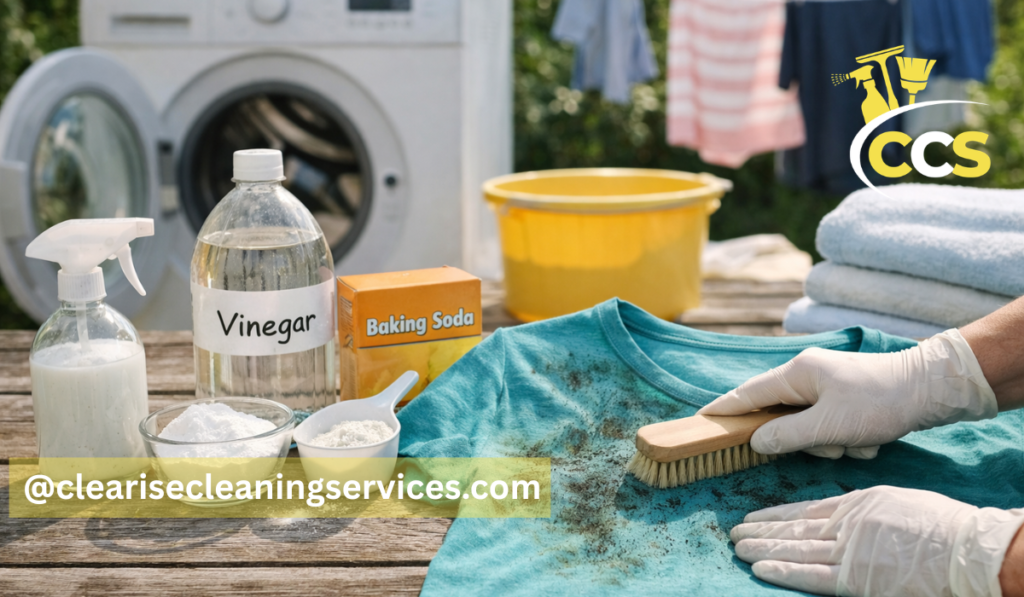
First, take the affected clothes outside if possible. Gently brush off loose mold using a soft brush. Doing this outdoors prevents spores from spreading to other areas in your house.
Wearing protection is also important. Use gloves to avoid direct contact with mold, and consider wearing a mask to prevent inhaling spores. This is especially helpful if the mold is heavy.
You should also keep moldy clothes separate from clean laundry. Mixing them can transfer spores and create a bigger problem. Keeping items isolated ensures that the mold does not spread during the cleaning process.
How to Get Mold Out of Clothes Step by Step
Learning how to get mold out of clothes properly requires following a simple but effective process. The key is to treat the mold before washing, then clean thoroughly, and finally dry correctly.
The process usually starts with pre-treatment. This means applying a cleaning solution to the moldy area before putting the clothes in the washing machine. Pre-treatment helps loosen stains and kill mold spores.
Next comes washing. Always use the hottest water that is safe for the fabric. Hot water helps kill any remaining mold and removes odors more effectively.
Finally, drying plays a big role. Sun drying is often the best option because sunlight naturally kills mold spores and helps remove lingering smells.
It is also important to use the right method for each fabric type. Delicate fabrics need gentle treatment, while heavier fabrics can handle stronger solutions.
Best Natural Methods to Remove Mold from Clothes
Using Vinegar to Kill Mold and Remove Odor
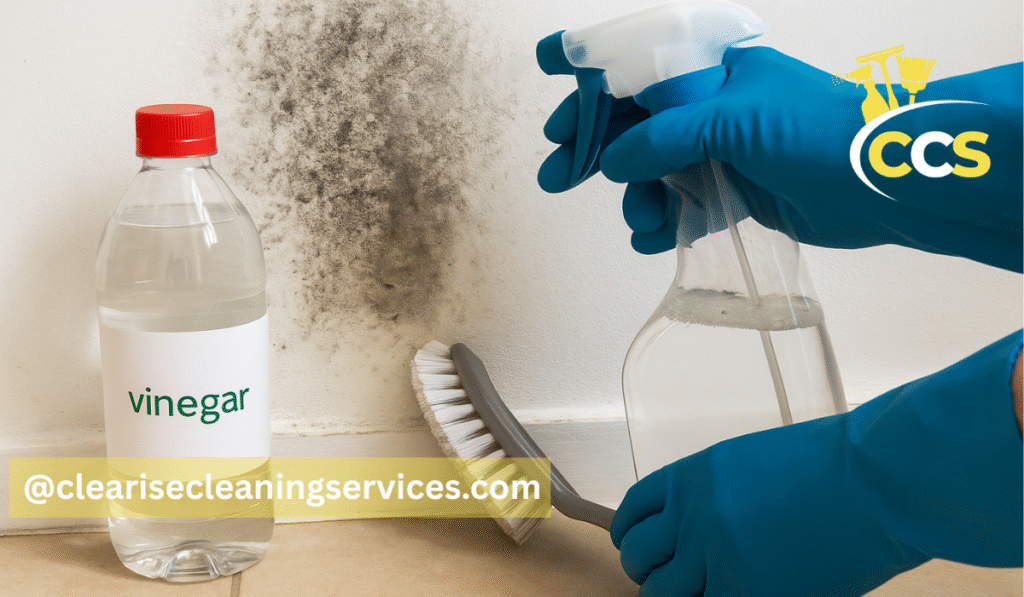
Vinegar is one of the most effective natural ways to remove mold from clothes. It not only kills mold spores but also removes the unpleasant smell.
To use vinegar, soak the clothes in a mixture of one part white vinegar and two parts water for about 30 to 60 minutes. After soaking, wash the clothes as usual using warm or hot water.
This method is safe for most fabrics and works well for everyday clothing.
Baking Soda Treatment for Stubborn Mold Stains
Baking soda is another simple solution for dealing with mold stains. It works well for removing both stains and odors.
You can make a thick paste using baking soda and a small amount of water. Apply it directly to the moldy area and let it sit for around 15 to 20 minutes. After that, gently scrub and wash the clothing.
This method is especially helpful for stubborn spots that do not come out easily.
Cleaning Mold Without Vinegar (Alternative Solutions)
If you prefer not to use vinegar, there are other options available. Borax is a popular alternative that has natural antifungal properties.
Dissolve half a cup of borax in hot water and soak the clothes for about an hour before washing. This method works well for heavier fabrics like towels or jeans.
You can also use mild detergent with hot water for lighter cases, especially if the mold is fresh.
Alternative Quick Comparison Table (Methods)
| Method | Best For | Safe for Colors | Strength |
| Vinegar | General mold & odor | Yes | Strong |
| Baking Soda | Light stains & smell | Yes | Medium |
| Borax | Heavy mold cases | Mostly | Very Strong |
| Bleach | White clothes only | No | Extreme |
How to Remove Mold Stains from Colored and Delicate Fabrics
Removing mold from colored or delicate fabrics requires extra care. Harsh chemicals can damage the color or weaken the material.
For colored fabrics, it is best to use gentle methods like vinegar or baking soda. Always test the solution on a small hidden area first to make sure it does not cause fading.
When dealing with delicate fabrics, avoid strong scrubbing. Instead, gently blot the area and use mild cleaning solutions. Hand washing may be a safer option for these materials.
The goal is to remove the mold without damaging the fabric’s texture or color.
Removing Black Mold from Clothes Safely
Black mold can be more serious than other types of mold. It often appears as dark, stubborn spots and may have a stronger smell.
To handle black mold, deeper cleaning is usually needed. Start with a strong pre-treatment using vinegar or borax. Let the solution soak well into the fabric before washing.
It is important to wash the clothes using hot water if the fabric allows it. This helps kill any remaining spores.
In some cases, multiple washes may be required to fully remove black mold from clothes.
How to Clean Clothes That Already Went Through the Dryer
Cleaning moldy clothes that have already been dried can be more challenging. Heat from the dryer can set mold stains deeper into the fabric.
If this happens, you should re-treat the clothes before washing them again. Use vinegar, baking soda, or borax to break down the mold.
Soaking the clothes for a longer time can also help. After that, wash them again using hot water.
Although it may take extra effort, it is still possible to restore clothes that have been dried with mold.
When to Save or Throw Away Moldy Clothes
Sometimes, the best option is to let go of moldy clothes. If the mold has deeply damaged the fabric or the smell does not go away after multiple washes, it may not be worth saving.
Clothes that are heavily infested or very old may not recover fully. In such cases, keeping them can even spread mold to other items.
You should consider both the cost and effort. If cleaning takes too much time and the results are not good, replacing the item might be the better choice.
Washing and Drying Techniques That Actually Kill Mold
Washing moldy clothes properly is key to removing spores completely. Always use the hottest water that is safe for the fabric.
Adding boosters like vinegar or borax to the washing machine can improve results. These help kill mold and remove odors more effectively.
Drying is just as important as washing. Sun drying is highly recommended because sunlight acts as a natural disinfectant. It also helps fade stains and freshen clothes.
If sun drying is not possible, make sure to dry clothes completely in a dryer. Any remaining moisture can cause mold to return.
Best Mold Removers for Clothes (Natural and Store-Bought)
There are many mold remover options available, both natural and commercial. Natural solutions like vinegar and baking soda are safe and easy to use at home.
For tougher cases, store-bought mold removers can be helpful. These products are designed to target mold and may work faster.
However, it is important to use them carefully. Always follow instructions and avoid mixing different chemicals, as this can be dangerous.
Choosing the right solution depends on the fabric type and the severity of the mold.
How to Prevent Mold from Coming Back on Clothes
Preventing mold is much easier than removing it. The key is to control moisture and keep clothes dry.
Make sure to dry laundry immediately after washing. Never leave wet clothes sitting in the machine for too long.
Proper storage is also important. Keep your closet clean and well-ventilated. Avoid overcrowding, as this can trap moisture.
Using a dehumidifier can help reduce humidity levels in your home. This is especially useful in areas where moisture is high.
Simple habits like these can make a big difference in preventing mold from coming back.
Quick Tips to Keep Clothes Fresh and Mold-Free
Keeping clothes fresh does not require complicated steps. Small daily habits can help a lot.
Make sure your clothes are completely dry before storing them. Open closet doors occasionally to improve airflow.
During humid seasons, pay extra attention to moisture levels in your home. Using moisture absorbers can help keep things dry.
Taking these simple steps regularly will help you avoid mold problems in the future.
Conclusion
Learning how to get mold out of clothes is important for both your health and your wardrobe. Mold can damage fabric, create unpleasant smells, and even cause health issues if ignored.
The good news is that most mold problems can be solved with simple methods like vinegar, baking soda, or proper washing techniques. Acting quickly is the most important step.
By following the right cleaning process and maintaining good laundry habits, you can keep your clothes clean and mold-free for a long time.
In the end, prevention is just as important as cleaning. Keeping your clothes dry, your storage areas ventilated, and your home moisture-free will help you avoid mold problems altogether.
FAQs
Is Mold On Clothes Dangerous?
Yes, mold can cause allergies, breathing issues, and skin irritation, especially for sensitive people.
Can Mold Be Completely Removed From Clothes?
In most cases, yes. If treated early, mold can be removed using proper cleaning methods.
How To Get Mold Out Of Clothes That Have Been Dried?
You need to re-soak and treat the clothes before washing again, as heat sets mold stains deeper.
Should You Throw Out Moldy Clothes?
Only if the mold is severe, smells remain after cleaning, or the fabric is badly damaged.
What Is The Best Mold Remover For Clothes?
Vinegar is the most effective natural option, while commercial mold removers work well for tough cases.
Disclaimer: This content is for general informational purposes only. Always check fabric care labels and test cleaning methods on a small area before full use. For severe mold problems, consider professional cleaning services.
Thanks for visiting Clearise Cleaning Services! Discover more helpful tips and expert cleaning insights by exploring our related categories.