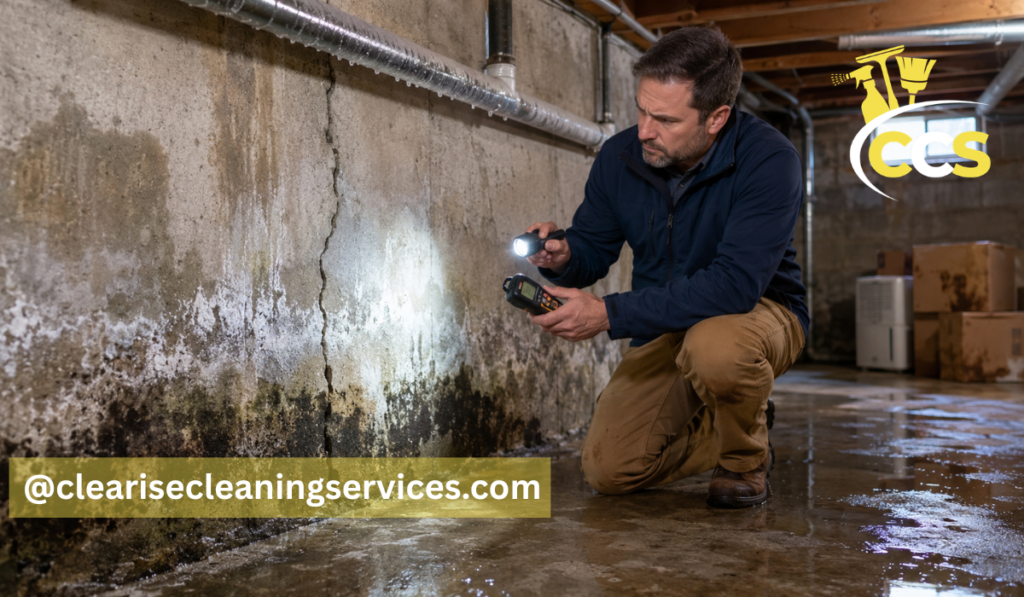
There’s a very particular smell some basements have. Not full swamp exactly. More like damp cardboard mixed with old laundry and a faint memory of 1997. If you know, you know.
A lot of homeowners get used to it. They shrug, toss a dehumidifier in the corner and move on with life. Basement’s just humid, right? That’s what basements do.
Well… sometimes.
Other times that sticky air and musty smell are basically your house waving a tiny white flag asking for help.
If you’ve started noticing persistent moisture issues downstairs, companies like Acculevel often explain that basement humidity can point toward larger structural or drainage concerns developing around the home. And honestly, many people don’t realize how connected humidity, water intrusion and foundation health actually are until the symptoms become impossible to ignore.
Which tends to happen at the worst possible moment. Naturally.
Humidity Usually Starts Somewhere
Basements don’t become damp for fun.
Moisture typically enters through tiny cracks, porous concrete, poor ventilation or water pressure building around the foundation. Sometimes it sneaks in slowly enough that homeowners barely notice the progression.
That’s the tricky part.
You adapt to gradual changes. Humans are weirdly good at normalizing things that should probably concern us. A slight musty smell becomes “normal basement smell.” Condensation on pipes? No big deal. Slightly damp walls after heavy rain? Meh.
Then one day you grab holiday decorations from storage and discover the cardboard boxes feel like cold oatmeal.
Not ideal.
I remember helping a friend move furniture into his basement apartment years ago. Within fifteen minutes my shirt felt damp from the air alone. We joked that the room had the climate settings of a rainforest reptile exhibit. A few months later, he found water stains spreading along the basement wall behind a bookshelf.
Turns out the humidity wasn’t random after all.
Moisture and Foundations Have a Complicated Relationship
Water changes soil behavior dramatically.
When soil around a foundation absorbs excess moisture, it expands. During dry periods, it contracts again. That constant movement creates stress beneath the structure over time. Foundations prefer consistency. Stable support. Calm predictable conditions.
Nature does not care about those preferences whatsoever.
Poor drainage around the home can gradually create hydrostatic pressure against basement walls. Fancy sounding phrase. Very annoying reality. Water pushes against the foundation from the outside, and eventually that pressure finds weak points.
Tiny cracks become larger cracks.
Small seepage becomes recurring moisture.
And humidity inside the basement starts climbing like it’s training for a marathon.
That Musty Smell Isn’t Just “Old House Energy”
People love dismissing basement odors.
“Eh, basements always smell weird.”
Sure. Some older homes naturally have a bit of that earthy scent. But persistent mustiness often signals excess moisture lingering where it shouldn’t. Mold and mildew thrive in humid environments, especially in poorly ventilated spaces.
And mold has no chill whatsoever.
It spreads quietly behind walls, beneath flooring and around insulation while homeowners continue walking past the smell every day thinking maybe the washing machine just needs cleaning.
Spoiler alert. It’s usually not the washing machine.
According to the Environmental Protection Agency, indoor moisture problems contribute heavily to mold growth and declining indoor air quality. That matters because basement air doesn’t stay trapped downstairs forever. Air circulates throughout the home.
Meaning that funky basement atmosphere eventually travels upstairs too. Which explains why some homes feel strangely damp overall even when the problem starts below ground.
Condensation Isn’t Always Harmless
Seeing condensation on basement pipes or windows occasionally isn’t unusual. Temperature differences naturally create moisture.
But heavy or constant condensation deserves attention.
Especially if you notice:
- Water droplets forming regularly on walls
- Damp flooring near corners
- Peeling paint or bubbling surfaces
- Rust developing on appliances
- Persistent foggy basement windows
- Increased allergy symptoms indoors
These signs often indicate humidity levels staying elevated for long periods.
And prolonged humidity quietly damages materials over time. Wood framing absorbs moisture. Drywall weakens. Metal corrodes. Flooring adhesives break down. Your home basically starts aging faster in all the worst ways.
Kind of like leaving crackers open for three weeks and acting surprised when they taste sad afterward.
Basement Humidity Can Affect More Than the Basement
This surprises homeowners constantly.
Excess basement moisture impacts the entire house more often than people realize. Floors above the basement may start feeling uneven. Doors stick unexpectedly. Wood trim expands slightly. Sometimes homeowners notice increased pest activity too because insects absolutely love damp environments.
Nothing says “welcome home” quite like discovering silverfish sprinting across storage bins at midnight.
Humidity also strains HVAC systems. Air conditioners work harder trying to regulate moisture levels inside the home, especially during hot summers when outdoor humidity is already ridiculous. Energy bills creep upward little by little.
And because these changes happen gradually, people rarely connect them back to the basement itself.
Everything seems unrelated at first.
Drainage Problems Usually Sit at the Center of It
A huge percentage of basement moisture issues begin outside the house.
Clogged gutters. Poor yard grading. Downspouts dumping water too close to the foundation. Overflow during heavy storms. All of it contributes to excessive moisture buildup around basement walls.
I once watched water pour straight off a broken gutter onto the same corner of a house during an entire thunderstorm. Like somebody had installed a decorative waterfall feature nobody asked for. Six months later the homeowner started noticing cracks forming inside the basement nearby.
Water is patient. That’s what makes it dangerous.
Companies like Acculevel often emphasize exterior drainage improvements because controlling moisture outside the home helps reduce stress on the foundation itself. Otherwise you’re basically treating symptoms while the actual problem keeps brewing underground.
Cracks and Humidity Often Show Up Together
This connection gets overlooked constantly.
Basement humidity sometimes appears alongside foundation movement because both issues stem from moisture imbalance around the structure. Expanding and contracting soil affects foundation stability while simultaneously increasing moisture intrusion risks.
You may notice:
- Small wall cracks widening over time
- Uneven flooring upstairs
- Basement walls feeling damp repeatedly
- Gaps forming around windows or trim
- Persistent mildew odors after rainstorms
One symptom alone might not mean much. Several appearing together usually tell a bigger story.
Homes rarely develop these issues in isolation.
Why People Delay Addressing Basement Moisture
Honestly? Because humidity feels manageable.
It doesn’t create the same panic as a burst pipe or collapsing ceiling. People buy another dehumidifier. Maybe spray some mildew cleaner around. Open a window occasionally and hope for the best.
I get it. Nobody wakes up excited to investigate foundation drainage systems.
But delaying moisture problems often allows structural issues to worsen quietly in the background. Small leaks spread. Soil movement continues. Cracks expand. Air quality declines.
And repair costs rarely shrink with time. Funny how that works.
Sometimes the House Is Trying to Warn You Early
Most homes settle a little over the years. That’s normal. Materials shift. Seasons change. Weather patterns fluctuate wildly now compared to a decade ago. Feels like every storm lately arrives with dramatic soundtrack energy.
But persistent basement humidity deserves attention because it often points toward conditions that affect the larger structure of the home.
Not always catastrophic. Let’s not go full disaster movie here.
Still, recurring moisture problems usually exist for a reason. And catching those issues early often prevents much larger headaches later. Structural repairs, mold remediation, damaged flooring, ruined storage boxes full of old family photos nobody meant to leave downstairs for fifteen years… it adds up fast.
Sometimes that damp basement smell isn’t just an inconvenience.
Sometimes it’s the first clue your home has been trying to tell you something for a while now.
Thanks for visiting Clearise Cleaning Services! Discover more helpful tips and expert cleaning insights by exploring our related categories.