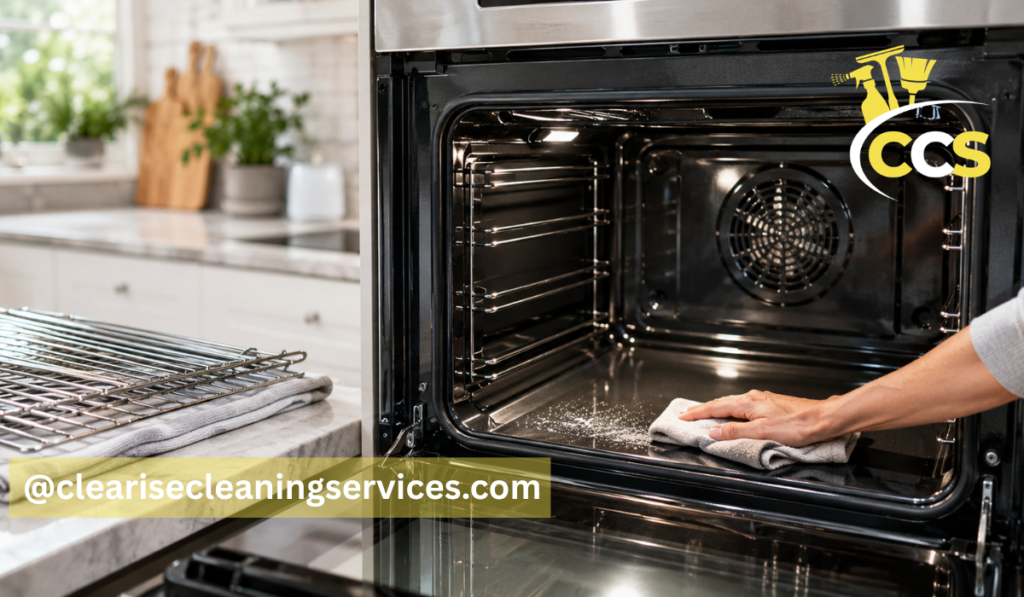
A self cleaning oven is an oven with a built-in cleaning feature that helps remove food spills, grease, and burnt residue without heavy scrubbing. Instead of using strong chemical cleaners, the oven uses high heat, steam, or special liners to loosen or break down the mess inside the oven.
People use a self cleaning oven because it saves time, reduces manual effort, and makes oven care feel less stressful. If you bake, roast, or cook saucy foods often, spills can quickly turn into sticky buildup. A self cleaning feature helps manage that buildup before it becomes difficult to remove.
Different ovens clean in different ways. Some use very high heat to turn food residue into ash. Some use steam to soften light messes. Others use catalytic liners, which absorb grease and break it down during normal cooking. Each method has benefits, limits, and safety steps you should understand before using it.
This guide explains what a self cleaning oven is, how it works, the main cleaning types, safety concerns, proper instructions, common mistakes, and what to do before and after the cycle.
Self Cleaning Oven Information
| Topic | Details |
| Main Keyword | Self cleaning oven |
| Meaning | An oven that helps clean itself using heat, steam, or catalytic liners |
| Main Purpose | To reduce scrubbing and make oven cleaning easier |
| Cleaning Types | Pyrolytic high-heat cleaning, steam cleaning, catalytic cleaning |
| Best For | Grease, food spills, burnt-on residue, light everyday messes |
| Cycle Time | Steam: around 20–60 minutes; high heat: usually 2–6 hours |
| Chemicals Needed | Usually no harsh chemicals are needed |
| After Cleaning | Wipe away ash, moisture, or loosened dirt with a damp cloth |
| Safety Tips | Remove racks, ventilate the kitchen, wipe large spills first, keep pets and children away |
| Common Mistake | Leaving racks, foil, pans, or heavy grease inside before starting the cycle |
| Important Note | Always check your oven manual because instructions vary by brand and model |
| Not Relevant | Date of birth, net worth, family, and bio do not apply because this keyword is about an appliance, not a person |
What Is a Self Cleaning Oven?
A self cleaning oven is an oven designed to clean its interior with less manual scrubbing. It does not mean the oven becomes perfectly clean without any effort. It means the oven does the hardest part of the job by loosening, burning, or breaking down food residue.
After the cleaning cycle ends, you usually still need to wipe the inside with a damp cloth. In high-heat models, the mess often turns into a light ash. In steam models, the dirt becomes softer and easier to remove. In catalytic ovens, the special liners help reduce grease buildup over time.
A self cleaning oven is useful for people who want a cleaner oven without using harsh sprays. However, it should still be used carefully. The feature can create heat, smoke, odors, and safety risks if the oven is not prepared correctly.
Self-Cleaning Oven: How Does It Work?
A self-cleaning oven works by using heat or surface technology to deal with food residue. In a high-heat cleaning cycle, the oven door locks, the temperature rises very high, and stuck-on grease or food is burned down into ash. Whirlpool explains that this process is called pyrolytic cleaning, and the oven remains locked while it heats and cools for safety.
Steam cleaning works differently. Instead of extreme heat, it uses water and lower heat to create steam inside the oven. The steam softens light spills so you can wipe them away after the cycle. Whirlpool describes steam cleaning as a way to clean spills and residue using heat and water.
Catalytic cleaning uses special oven liners. These liners absorb grease splashes and help break them down during regular cooking, especially at higher cooking temperatures. This method is more of a continuous cleaning support system than a deep-cleaning cycle.
Main Types of Self Cleaning Ovens
There are three common types of self cleaning ovens: pyrolytic, steam clean, and catalytic. Each one suits a different kind of kitchen routine.
A pyrolytic oven is best for heavier buildup because it uses very high heat. A steam clean oven is better for light, fresh spills and quicker cleaning. A catalytic oven helps reduce grease splatter over time but may not handle heavy spills or sugary messes well.
Choosing the right type depends on how often you cook, what you cook, and how much cleaning effort you want to do by hand.
Pyrolytic Self Cleaning Ovens and High-Heat Cleaning
A pyrolytic self cleaning oven is the most powerful type. It heats the oven to very high temperatures so baked-on food and grease turn into ash. This is the type most people think of when they hear “self cleaning oven.”
The main benefit is that it can handle tougher, burnt-on messes better than steam cleaning. It also reduces the need for chemical cleaners. After the cycle is complete and the oven is cool, you wipe away the ash with a damp cloth.
The downside is that pyrolytic cleaning takes longer and uses more energy. It can also create smoke and strong odors, especially if there is a lot of grease or food left inside. This is why preparation and ventilation are important.
Steam Clean Ovens for Light Everyday Messes
A steam clean oven is a gentler option. It uses water and heat to loosen light grime. It is usually faster than a high-heat self-cleaning cycle and does not reach the same extreme temperatures.
Steam cleaning is helpful when spills are fresh or when the oven only needs a light refresh. It is not the best option for thick, burnt-on grease. If the oven is very dirty, steam may loosen some residue, but you may still need extra wiping or manual cleaning.
Many people like steam cleaning because it feels safer, faster, and less intense. It is also a good option for regular maintenance between deeper cleans.
Catalytic Self Cleaning Ovens and Continuous Cleaning Liners
A catalytic self cleaning oven uses special liners inside the oven walls. These liners absorb grease during cooking and help break it down when the oven gets hot enough.
This type does not usually have the same dramatic cleaning cycle as a pyrolytic oven. Instead, it works gradually during normal cooking. It can be useful if you roast or bake often and want help controlling grease buildup.
However, catalytic liners have limits. They may not clean the oven floor, door glass, or heavy spills. They also may not work well on sugary spills. You still need to wipe and maintain the oven regularly.
Self Cleaning Oven Instructions Before You Start
Before starting a self cleaning oven, always read the user manual for your exact model. Different brands and models can have different rules.
In general, you should remove cookware, pans, foil, liners, and most oven racks before starting the cycle. KitchenAid recommends removing oven racks, cookware, bakeware, foil, and oven liners before cleaning. It also advises wiping the door edge and inside frame carefully while avoiding the gasket.
You should also wipe up large food pieces or heavy grease before the cycle. This helps reduce smoke, odors, and possible flare-ups. The oven should be cool before you prepare it.
For ranges, check the cooktop and storage drawer too. Whirlpool advises making sure nothing is on the cooktop or in the storage drawer before using the self-cleaning cycle.
Step-by-Step Guide: How to Use a Self Cleaning Oven
- Read the oven manual to understand your model’s exact cleaning instructions.
- Remove racks, pans, foil, liners, and accessories unless the manual says they are safe to leave inside.
- Wipe large spills or food chunks to reduce smoke and odor during the cycle.
- Open windows or turn on the range hood for better ventilation.
- Start the self cleaning cycle using the oven’s clean, steam clean, or self-clean setting.
- Wait until the oven cools and unlocks before opening the door.
- Wipe the inside with a damp cloth to remove ash, softened grime, or leftover residue.
What the Self-Cleaning Oven Symbol Means
The self-cleaning oven symbol depends on the brand and model. It may appear as “Self Clean,” “Clean,” “Steam Clean,” or an icon that looks like heat waves, water, or a cleaning cycle.
Because symbols vary, the safest answer is to check your oven manual. Some ovens have separate buttons for high-heat cleaning and steam cleaning. Others include the cleaning feature inside a settings menu.
If you see a lock symbol during the cleaning cycle, it usually means the oven door is locked for safety. Do not try to force the door open. Wait until the oven cools and unlocks automatically.
How to Use a Self Cleaning Oven Safely
Using a self cleaning oven safely starts with preparation. Remove items from the oven, wipe away large spills, open a window, and turn on the range hood if you have one.
During the cycle, keep children and pets away from the oven. The outside of the oven can become hot, especially during high-heat cleaning. Never touch the oven interior during or soon after the cycle.
Do not use oven cleaner before running a self-cleaning cycle unless your manual clearly says it is safe. Many self-cleaning ovens are not designed to be used with chemical cleaners during the cycle.
After the cycle ends, wait until the oven is fully cool. Then wipe the ash or loosened residue with a damp cloth.
Self-Cleaning Oven Dangers You Should Know
The main self-cleaning oven dangers are heat, smoke, odors, fumes, and possible fire risk from leftover grease. These risks are usually manageable when you follow the instructions, but they should not be ignored.
High-heat cleaning can make the oven extremely hot. Food particles and grease can smoke, and heavy grease may increase the risk of flare-ups. Apple Valley Fire Department notes that self-cleaning can be a fire hazard if high temperatures ignite food particles and grease, and it recommends removing grease and large food pieces first.
People with asthma, breathing problems, or strong sensitivity to smoke and odors should be extra careful. Good ventilation matters. Open windows, use the vent hood, and avoid staying close to the oven during the cycle.
Pet birds are a special concern. Bird lungs are very sensitive. A veterinary bird safety guide advises keeping pet birds out of the kitchen when using the self-cleaning feature.
Can a Self-Cleaning Oven Kill You?
Many people search, “Can a self-cleaning oven kill you?” For most healthy adults, a properly used self cleaning oven is not expected to be deadly. However, it can create serious risks if used carelessly, especially around smoke, fumes, grease fires, poor ventilation, or sensitive pets.
The biggest concern for humans is not the oven feature itself, but unsafe conditions. These include leaving heavy grease inside, blocking ventilation, using the feature in a poorly ventilated space, ignoring smoke, or staying close to strong fumes when you have breathing problems.
For pet birds, the danger is much higher. A published veterinary case report described fatal pneumonitis in ten psittacine birds linked with an oven operating in self-cleaning mode. If you own birds, move them far from the kitchen and improve ventilation before using the feature, or consider avoiding high-heat self-cleaning altogether.
Self Cleaning Oven Gas Models: What Makes Them Different?
A self cleaning oven gas model works in a similar way to an electric self-cleaning oven, but the appliance uses gas for cooking. The self-cleaning feature may still use high heat, steam, or another cleaning system depending on the model.
With gas models, ventilation is especially important. Make sure the range is installed correctly, the vent area is not blocked, and the kitchen has airflow. If you ever smell gas, do not use the oven. Leave the area and follow your gas safety instructions.
Some gas ranges include storage drawers or broiler areas, so always check the manual to know what must be removed before cleaning.
Self Cleaning Oven Whirlpool Settings and Common Features
A self cleaning oven Whirlpool model may include different cleaning options depending on the appliance. Some Whirlpool ovens offer settings for light, moderate, or heavy soil. Whirlpool says a light cleaning setting may last around 2 hours, while moderate or heavy soil settings can take closer to 3 or 4 hours.
Some Whirlpool models also include steam cleaning. In certain Whirlpool instructions, steam clean requires removing racks and accessories, adding water to the oven bottom, and starting the steam clean feature.
Because features vary by model, do not rely only on general advice. Check the exact Whirlpool manual for your oven before choosing a cycle.
What Happens If You Left the Racks in a Self Cleaning Oven?
If you left the racks in a self cleaning oven, the result depends on the rack type and oven model. Some racks are designed to stay in during self-cleaning, but many are not.
Standard racks can discolor, lose shine, or become harder to slide. GE Appliances explains that standard oven racks cleaned in a self-cleaning oven can turn deep gray and become difficult to move.
If this already happened, let the racks cool fully. Do not force them while hot. Some manufacturers suggest applying a small amount of vegetable oil to the rack edges to help them slide more easily. However, you should still check your manual first.
For future cycles, remove racks unless your manual clearly says they are self-clean or no-scrub racks. GE notes that racks labeled “no scrub” or “self-clean” can be left in the oven, but the owner’s manual should confirm this for your model.
What to Remove Before Starting the Self Cleaning Cycle
Before starting the self cleaning cycle, remove anything that does not belong in the oven during cleaning. This includes pans, cookware, bakeware, foil, silicone mats, oven liners, temperature probes, and most racks.
Food chunks and heavy grease should also be wiped out before the cycle starts. Do not scrub the gasket aggressively because it helps seal the oven door. Damaging it can affect how the oven closes.
Also check nearby areas. Make sure towels, paper, plastic items, and other heat-sensitive objects are not near the oven.
How Long a Self Cleaning Oven Cycle Usually Takes
The time depends on the cleaning type and soil level. A steam clean cycle may take around 20 to 60 minutes. A high-heat cycle often takes several hours.
Whirlpool says its self-cleaning range cycles can take about 2.5 to 4.5 hours, while wall ovens may take 2 to 4 hours or longer.
The oven may also stay locked after the heating portion ends. This is normal. The door unlocks only after the oven cools to a safer temperature.
What to Do After the Self Cleaning Cycle Ends
After the cycle ends, wait until the oven is completely cool. Do not rush this step. Once the door unlocks, open it carefully and wipe the inside with a damp cloth.
In a pyrolytic oven, you may see light ash on the bottom. This is normal. In a steam clean oven, you may see softened grime or moisture. Wipe it away gently.
If spots remain, clean them by hand according to the manual. Avoid harsh tools that can scratch the oven surface.
When You Should Not Use the Self Cleaning Feature
You should not use the self cleaning feature if the oven has heavy grease buildup, large food spills, damaged door seals, broken glass, or unusual error messages. You should also avoid it if your manual warns against using the feature under certain conditions.
Do not run a high-heat self-cleaning cycle right before an important meal or event. If the oven has a problem during the cycle, you may not have time to fix it.
If you have pet birds, serious breathing issues, or poor kitchen ventilation, consider steam cleaning or manual cleaning instead.
Self Cleaning Oven vs Manual Oven Cleaning
A self cleaning oven is easier than manual cleaning for many people because it reduces scrubbing. It is especially helpful for baked-on residue.
Manual cleaning gives you more control and may be safer for light messes. It also avoids the extreme heat of a pyrolytic cycle. However, manual cleaning can take more time and effort.
The best approach is often a mix of both. Wipe fresh spills by hand, use steam cleaning for light messes, and save high-heat cleaning for deeper buildup when your manual allows it.
Common Mistakes People Make With Self Cleaning Ovens
One common mistake is thinking “self cleaning” means no preparation is needed. In reality, preparation is very important.
Another mistake is leaving racks, foil, liners, or pans inside the oven. People also forget to ventilate the kitchen or run the cycle when the oven is already too dirty.
Some users run the feature too often. While self-cleaning can be useful, high heat can be hard on some oven parts over time. Use it when needed, not after every small spill.
Tips to Keep Your Oven Cleaner Between Cycles
The easiest way to keep a self cleaning oven in good shape is to clean small spills before they become burnt-on messes. Let the oven cool, then wipe fresh spills with a damp cloth.
Use oven-safe pans with enough space to prevent bubbling over. Place dishes on a baking sheet when cooking foods that may drip. Avoid placing foil directly on the oven floor unless your manual allows it, because it can damage the oven or affect heat flow.
Regular light cleaning reduces the need for long, high-heat cycles.
Conclusion
A self cleaning oven is worth using if you understand how it works and follow the right safety steps. It can make oven care easier, reduce the need for harsh cleaners, and help manage grease and food residue with less scrubbing.
The best cleaning method depends on your oven type and the mess inside. High-heat cleaning is strong but intense. Steam cleaning is gentle and useful for light messes. Catalytic liners help control grease during regular cooking.
For the safest results, always remove the right items, ventilate the kitchen, keep children and pets away, and wipe the oven after the cycle ends. Most importantly, check your oven manual before starting any self-cleaning cycle, because the correct instructions can vary by brand and model.
FAQs
What Is A Self Cleaning Oven?
A self cleaning oven is an oven with a built-in cleaning feature that helps remove food residue, grease, and grime. It may use high heat, steam, or special catalytic liners to make cleaning easier and reduce the need for heavy scrubbing.
Is A Self Cleaning Oven Safe To Use?
A self cleaning oven is generally safe when used correctly. You should remove racks and accessories, wipe away heavy spills, ventilate the kitchen, and keep children and pets away. Always follow the instructions in your oven manual before starting the cycle.
How Long Does A Self Cleaning Oven Take?
The time depends on the cleaning type and soil level. A steam clean cycle may take around 20–60 minutes, while a high-heat self-cleaning cycle can take 2–6 hours, including heating and cooling time.
Can I Leave Oven Racks Inside During Self Cleaning?
In most cases, you should remove oven racks before starting a self cleaning cycle. Extreme heat can discolor racks, damage their finish, or make them harder to slide. Only leave them inside if your oven manual clearly says they are safe.
What Should I Do After The Self Cleaning Cycle Ends?
After the cycle ends, wait until the oven is completely cool and unlocked. Then wipe the inside with a damp cloth to remove ash, moisture, or loosened grime. Do not rush the process or force the oven door open.
Disclaimer: This article is for general informational purposes only. Self cleaning oven features, settings, and safety instructions may vary by brand and model. Always check your oven’s user manual and follow the manufacturer’s guidance before using any self-cleaning cycle.
Thanks for visiting Clearise Cleaning Services! Discover more helpful tips and expert cleaning insights by exploring our related categories.