Ice machine cleaner is a special cleaning solution made to remove the buildup that forms inside ice makers over time. Even when an ice machine looks clean from the outside, the inside can collect mineral scale, calcium deposits, limescale, slime, and odor-causing residue. These problems can affect how the machine works and how the ice tastes.
Every time water moves through an ice maker, it can leave behind minerals. This is especially common in areas with hard water. Over time, those minerals can stick to internal parts, reduce ice production, make cubes cloudy, and create a strange smell or taste. Moisture can also encourage slime or mold-like buildup if the machine is not cleaned often.
Regular cleaning helps your ice machine produce fresher, clearer, better-tasting ice. It can also help the machine run more smoothly and may reduce strain on internal parts. Some ice machine cleaners, such as Affresh, are made with nickel-safe formulas and are designed to remove hard water and mineral buildup from freestanding ice machines.
It is also important to understand the difference between cleaning, descaling, and sanitizing. Cleaning removes general residue. Descaling removes mineral buildup such as calcium and limescale. Sanitizing helps reduce germs, bacteria, and odor-causing growth. A good maintenance routine may include more than one of these steps, depending on your machine and its use.
Ice Machine Cleaner
| Topic | Quick Information |
| Main Purpose | Removes mineral scale, calcium buildup, limescale, slime, and odor from ice machines |
| Best For | Home ice makers, countertop ice machines, portable ice makers, and commercial ice machines |
| Common Types | Liquid cleaner, cleaning tablets, descaler, and sanitizer |
| Key Feature to Look For | Nickel-safe formula to protect internal metal parts |
| When to Use | Every few months, or sooner if ice tastes bad, looks cloudy, or production slows |
| Cleaner vs Sanitizer | Cleaner removes buildup; sanitizer helps reduce bacteria and odor-causing germs |
| Vinegar Alternative | Vinegar may help with light buildup, but proper ice machine cleaner works better for heavy scale |
| After Cleaning | Run rinse cycles and discard the first batches of ice before using the machine again |
| Best Choice Depends On | Machine type, water hardness, usage level, and manufacturer instructions |
What Is Ice Machine Cleaner?
An ice machine cleaner is a product designed to clean the inside of an ice maker, especially areas where water flows, freezes, and drains. It is commonly used in home ice makers, portable ice makers, countertop machines, built-in units, and commercial ice machines.
Most ice machine cleaners focus on removing scale, which is the hard white or chalky buildup caused by minerals in water. This buildup can appear on the evaporator plate, water lines, reservoir, pump area, and ice bin. If it is ignored, it can make the machine slower and less efficient.
Unlike ordinary kitchen cleaners, ice machine cleaner is made for parts that come into contact with water and ice. That does not mean every cleaner is safe for every machine, so users should always check the machine manual before using any product.
How Ice Machine Cleaner Works Inside Your Machine
Ice machine cleaner works by breaking down mineral deposits that plain water cannot remove. When the cleaner is added to the water system or cleaning cycle, it moves through the same areas where water normally travels. As it circulates, it loosens hard water buildup, calcium deposits, and limescale.
After the cleaner has done its job, the machine must be rinsed well. This is a very important step because no one wants cleaner residue left behind in fresh ice. Most manufacturers recommend running rinse cycles and discarding the first batches of ice after cleaning.
In simple terms, ice machine cleaner helps reset the inside of your machine. It removes the hidden buildup that can affect ice quality, odor, and machine performance.
Main Types of Ice Machine Cleaner
There are several types of ice machine cleaner, and each one has a slightly different purpose. The most common options are liquid cleaners, cleaning tablets, descaling solutions, and sanitizing products.
Liquid cleaners are popular because they are easy to pour into a machine’s cleaning cycle. Many home and freestanding ice machines use liquid solutions. Tablets are also common, especially for people who want simple dosing without measuring liquid.
Some cleaners are mainly made for descaling, which means they focus on breaking down mineral buildup. Others are made for cleaning and freshening. Sanitizers are different because they focus more on reducing bacteria, slime, and odor-causing growth. In many cases, a cleaner and sanitizer are not the same product.
Ice Machine Cleaner Tablets vs Liquid Cleaner
Ice machine cleaner tablets are a convenient choice for many users. They are pre-measured, easy to store, and less messy than liquid. Tablets are often used for countertop, portable, and some commercial machines. They can be a good option for people who clean their machine regularly and want a simple process.
Liquid cleaner is usually better when a machine’s manual calls for a specific amount of solution. It may also work well for larger machines or machines with a dedicated cleaning cycle. Some liquid cleaners, including Affresh ice machine cleaner, are sold for freestanding ice machines and are designed to help remove hard water mineral buildup.
The best choice depends on your machine type, how often you clean it, and what the manufacturer recommends.
Best Ice Machine Cleaner Features to Look For
The best ice machine cleaner should match your machine and clean effectively without damaging internal parts. One of the most important features to look for is a nickel-safe formula. Many ice machines have nickel-plated parts, and harsh cleaners may damage them.
A good cleaner should also clearly say what type of machine it supports. Some are made for freestanding machines, while others are suitable for portable, countertop, or commercial use. It should also provide clear directions, including how much to use and how many rinse cycles are needed afterward.
Another helpful feature is scale-removal strength. If you live in a hard water area, choose a cleaner designed for mineral buildup and limescale. For home use, ease of use matters too. A cleaner that is simple to measure, rinse, and store is more likely to be used regularly.
Why Nickel-Safe Ice Machine Cleaner Matters
Nickel-safe cleaner matters because many ice machines use metal parts that can be damaged by harsh acids. A cleaner may remove scale, but if it harms internal plating, it can shorten the life of the machine.
A nickel-safe ice machine cleaner is designed to remove mineral buildup while being gentler on nickel-plated surfaces. This is especially important for freestanding and commercial machines. Nu-Calgon, for example, describes its nickel-safe cleaner as a product made to remove scale from ice makers with nickel-plated or tin-plated evaporators.
When choosing any ice machine cleaner, always look for wording such as “nickel-safe,” “safe for ice machines,” or “use according to manufacturer instructions.” These details help reduce the risk of using the wrong product.
Commercial Ice Machine Cleaner for Heavy-Duty Use
A commercial ice machine cleaner is made for machines used in restaurants, hotels, offices, cafés, bars, and food service settings. These machines usually run more often than home machines, so they collect buildup faster.
Commercial machines may need stronger cleaners and a more regular cleaning schedule. Food service machines also require careful hygiene because ice is treated as a food product in many safety contexts. The FDA notes that packaged ice is regulated as food when sold in interstate commerce, which shows why clean ice handling matters.
For commercial machines, cleaning should follow the machine manual, local health rules, and workplace safety procedures. A business should not rely only on a quick rinse or vinegar wipe-down. Proper cleaning, descaling, and sanitizing are all important.
Portable Ice Machine Cleaner for Small Machines
A portable ice machine cleaner is useful for small ice makers used in apartments, RVs, dorm rooms, outdoor kitchens, and small offices. Portable machines are convenient, but they can collect residue quickly because water often sits in the reservoir.
These machines should be emptied and dried when not in use. If water is left inside for long periods, odor and slime can develop. A gentle cleaner or descaler can help remove minerals from the water path and ice tray.
For portable models, always avoid using too much cleaner. These machines are smaller, so they usually need less solution. After cleaning, run fresh water cycles and discard the ice until there is no smell or taste left.
Countertop Ice Machine Cleaner for Home Kitchens
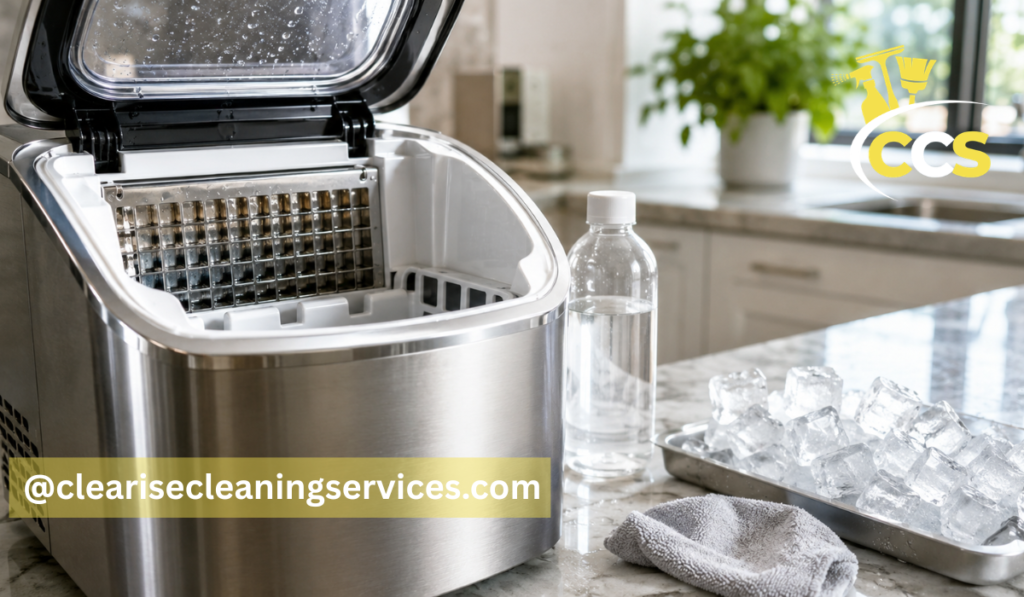
A countertop ice machine cleaner is designed for compact machines that sit on a kitchen counter. These machines are popular because they make ice quickly, but they also need frequent care.
Countertop machines often have small reservoirs, removable baskets, and visible water areas. These parts should be washed regularly, while the inside system may need descaling from time to time. Some newer countertop machines have self-cleaning cycles, but that does not always mean they sanitize every part. It usually means the machine can circulate water or cleaning solution through the system.
For home kitchens, the goal is simple: keep the machine clean enough that ice tastes fresh and the unit keeps producing ice properly.
Affresh Ice Machine Cleaner: What Users Should Know
Affresh ice machine cleaner is one of the most commonly mentioned store-bought options for home ice machines. It is a liquid cleaner designed with a nickel-safe formula and is made to help remove hard water and mineral buildup. Affresh says it is specialized for all freestanding ice machine makes and models and recommends using it according to the machine’s care instructions.
Home Depot also lists Affresh 16 oz. Unscented Liquid Ice Machine Cleaner with notes that it is nickel-safe and designed for freestanding ice machines.
This does not mean Affresh is the only option or the right choice for every ice maker. It simply means it is a widely available cleaner that many users compare when looking for an ice machine cleaner.
Ice Machine Cleaner Home Depot and Store-Bought Options
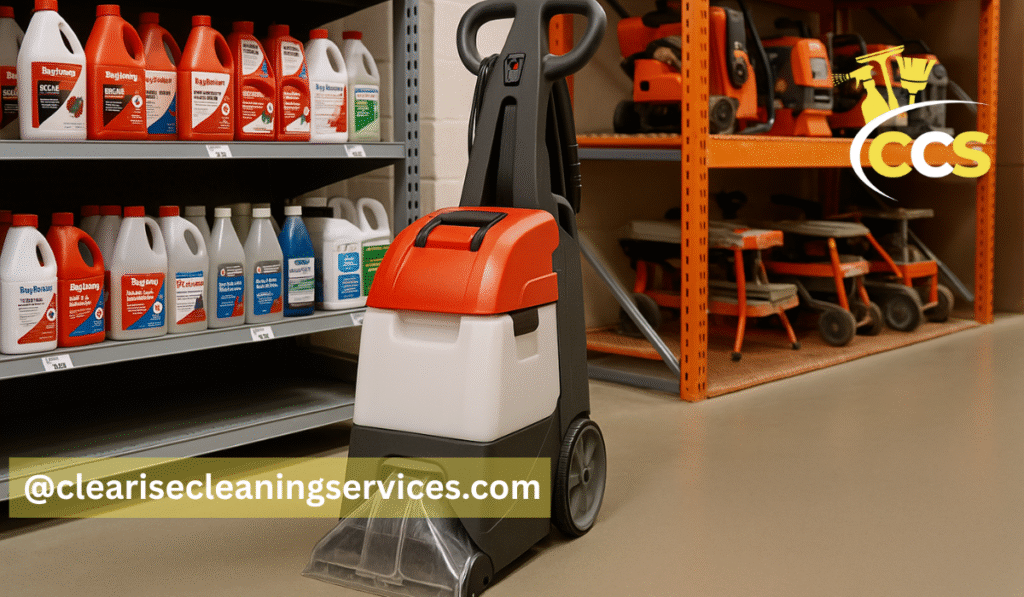
People often search for ice machine cleaner Home Depot because they want a product they can buy locally or order quickly. Home improvement stores, appliance stores, supermarkets, online retailers, and restaurant supply shops may carry ice machine cleaners.
Store-bought options can include liquid cleaners, descaling tablets, nickel-safe formulas, and commercial-grade products. Availability can change by location, so it is smart to check the product label and machine compatibility before buying.
When shopping in-store, do not choose a cleaner only because it says “appliance cleaner.” Look for products that specifically mention ice machines, ice makers, descaling, mineral buildup, or nickel-safe use.
Ice Machine Cleaner Near Me: Where People Usually Find It
A search for ice machine cleaner near me usually means the person wants a fast local solution. The most common places to find it are home improvement stores, appliance parts stores, large retail chains, grocery stores with cleaning aisles, and commercial kitchen supply stores.
For commercial users, restaurant supply stores may offer stronger cleaners and sanitizers. For home users, a smaller bottle or tablet pack is usually enough. Online pickup options can also help if a local store has limited shelf space.
Before buying locally, check whether the cleaner is suitable for your machine type. A cleaner made for a large commercial ice maker may not be ideal for a small portable countertop unit.
How Often You Should Use Ice Machine Cleaner
How often you should use ice machine cleaner depends on your machine, water quality, and usage. Some manufacturers recommend cleaning every several months, while others suggest cleaning when the machine shows signs of buildup.
Affresh states that its ice machine cleaner can be used every nine months or as needed, following the machine’s use and care instructions. For commercial ice machines, cleaning is often needed more frequently, especially in busy food service spaces.
If you live in a hard water area, use your ice maker daily, or notice cloudy ice and strange odors, you may need to clean more often. The machine manual should always be your first guide.
Signs Your Ice Machine Needs Cleaning
Your ice machine usually gives clear signs when it needs cleaning. The ice may start to taste strange, smell unpleasant, or look cloudy. The cubes may become smaller, thinner, or softer than usual.
Another common sign is slower ice production. If the machine takes longer to make ice, mineral buildup may be blocking proper water flow or affecting the freezing surface. You may also see white flakes, chalky spots, slime, or residue inside the bin or water reservoir.
Some machines have a cleaning light or reminder. If that light turns on, do not ignore it. Cleaning at the right time can prevent bigger problems later.
How to Use Ice Machine Cleaner Safely
To use ice machine cleaner safely, start by reading your machine manual and the cleaner label. Turn off or empty the machine if the instructions require it. Remove old ice, drain old water, and take out removable parts if your model allows it.
Add the cleaner in the amount recommended by the product instructions. Run the cleaning cycle or allow the solution to circulate as directed. After cleaning, drain the solution and rinse the machine thoroughly.
The most important safety step is rinsing. Run fresh water through the machine and discard the first ice batches. Never serve ice that may contain cleaner residue.
Ice Machine Cleaner vs Vinegar: Which Is Better?
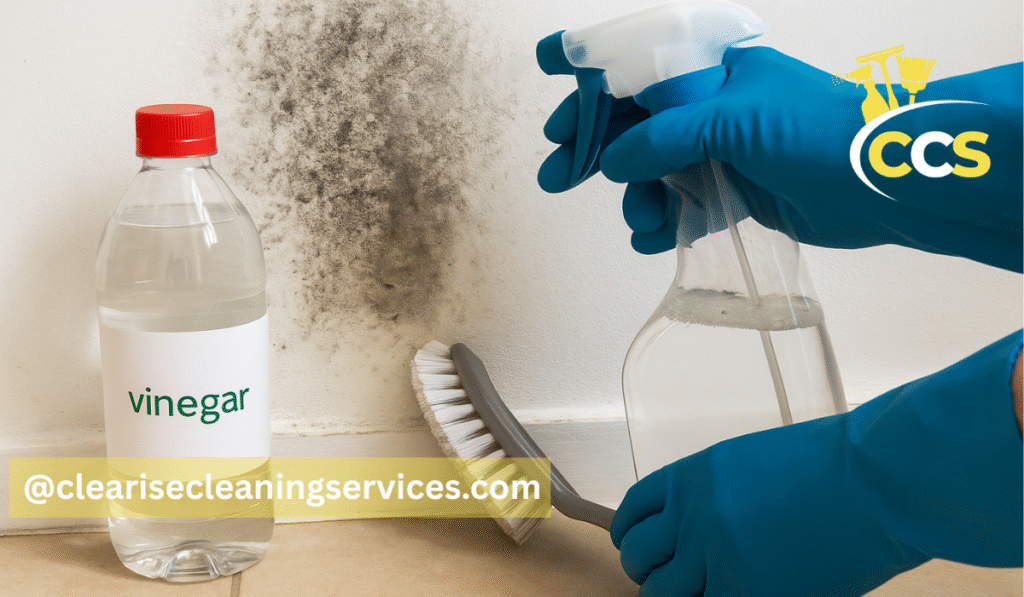
Vinegar is a common home option because it can help loosen light mineral buildup and reduce odor. It is inexpensive and easy to find. For light cleaning on small home machines, vinegar may be useful when the manual allows it.
However, vinegar is not always strong enough for heavy scale, and it may not be the best option for every machine. A proper ice machine cleaner is usually better for serious mineral buildup because it is made for that purpose.
For commercial machines, vinegar is usually not the best main solution. A dedicated commercial ice machine cleaner and sanitizer is safer and more reliable when used correctly.
Common Mistakes to Avoid When Cleaning an Ice Machine
One common mistake is using the wrong cleaner. Bleach, harsh acids, dish soap, or general household cleaners can damage parts or leave unsafe residue if used incorrectly.
Another mistake is skipping the rinse cycle. Even a safe cleaner must be fully removed before making ice for drinks. Users also sometimes clean the ice bin but forget the water reservoir, scoop, drain area, and removable parts.
It is also a mistake to wait until the machine stops working. Regular cleaning is easier than removing thick scale after months of neglect.
Safety Tips After Using Ice Machine Cleaner
After using ice machine cleaner, rinse the machine carefully and discard the first batches of ice. Check for any cleaner smell before using the ice. If the ice smells sour, chemical-like, or unusual, rinse again.
Wash your hands after handling cleaning solutions, and keep the cleaner away from children and pets. Store the bottle or tablets in a cool, dry place with the label intact.
If your machine is used in a business, keep a simple cleaning record. This helps staff know when the machine was last cleaned and when it needs attention again.
Choosing the Best Ice Machine Cleaner for Your Machine
Choosing the best ice machine cleaner starts with your machine type. A portable ice maker, countertop machine, freestanding unit, and commercial ice machine may all need different care.
Look for a cleaner that matches your machine and water conditions. If your area has hard water, choose a product made for scale and calcium buildup. If your machine has nickel-plated parts, choose a nickel-safe formula. If you run a business, consider both cleaner and sanitizer as part of your routine.
The best product is not always the strongest one. It is the one that cleans well, matches your machine, is easy to rinse, and can be used safely on a regular schedule.
Conclusion
An ice machine cleaner is a simple but important part of keeping your ice fresh, clear, and safe to use. It helps remove mineral scale, calcium buildup, limescale, and hidden residue that can affect taste, smell, and performance.
Whether you use a commercial ice machine cleaner, portable ice machine cleaner, countertop ice machine cleaner, tablets, or a liquid formula like Affresh ice machine cleaner, the key is to follow your machine’s instructions and clean it before buildup becomes a bigger problem.
A clean ice machine makes better ice, works more smoothly, and gives you more confidence in every glass, cooler, or drink you serve.
FAQs
What Is An Ice Machine Cleaner Used For?
An ice machine cleaner is used to remove limescale, calcium buildup, mineral deposits, slime, and bad odors inside an ice maker. It helps the machine make cleaner ice, improves taste, and may support better ice production.
How Often Should I Use Ice Machine Cleaner?
Most home ice machines should be cleaned every few months or whenever the ice starts tasting odd, looking cloudy, or producing slowly. Commercial machines may need more frequent cleaning because they run heavily every day.
Are Ice Machine Cleaner Tablets Better Than Liquid Cleaner?
Ice machine cleaner tablets are easy to dose and less messy, while liquid cleaners are often preferred for machines with a specific cleaning cycle. The better option depends on your machine type and the instructions in your user manual.
Can I Use Vinegar Instead Of Ice Machine Cleaner?
Vinegar can help with light buildup in some small machines, but it may not remove heavy scale as well as a proper ice machine cleaner. Always check your machine manual before using vinegar or any cleaning solution.
Why Should I Choose A Nickel-safe Ice Machine Cleaner?
A nickel-safe ice machine cleaner helps remove mineral buildup without damaging nickel-plated internal parts. This is important because some harsh cleaners can harm the machine’s surface and reduce its life.
Disclaimer: This article is for general informational purposes only. Cleaning needs may vary depending on the ice machine model, water quality, and usage. Always follow your manufacturer’s instructions before using any ice machine cleaner or sanitizer.
Thanks for visiting Clearise Cleaning Services! Discover more helpful tips and expert cleaning insights by exploring our related categories.