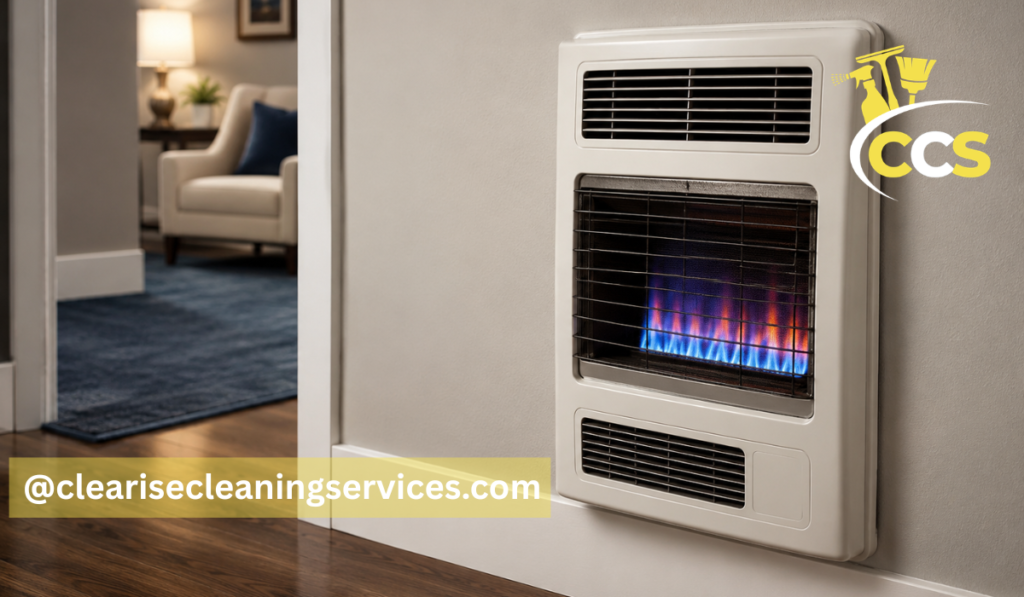
Gas in wall heaters are wall-mounted heating units that warm a specific room or area without needing a full central heating system. They are powered by natural gas or propane and are often used in bedrooms, living rooms, garages, home additions, cabins, and smaller spaces where extra heat is needed.
Many homeowners choose natural gas in wall heaters because they save floor space, heat rooms quickly, and can reduce the need to run central heat throughout the whole house. An indoor gas heater wall mounted system can be especially useful when one room stays colder than the rest of the home.
These heaters come in different styles, including vented, vent-free, blue flame, and infrared models. Some also include thermostats and blowers for better comfort and heat control. The main goal is simple: provide steady, room-focused warmth in a safe and efficient way.
Quick Guide Table
| Feature | Best Choice | Why It Matters |
| Safest option | Direct vent gas wall heater | Sends combustion gases outside |
| Best for steady room heat | Blue flame heater | Warms indoor air evenly |
| Best for drafty spaces | Infrared heater | Warms people and objects directly |
| Better comfort control | Thermostat model | Maintains room temperature automatically |
| Better heat spread | Heater with blower | Moves warm air around the room |
| Important safety feature | Oxygen Depletion Sensor | Shuts off heater if oxygen drops |
| Must-have protection | Carbon monoxide alarm | Helps detect dangerous gas buildup |
What Gas in Wall Heaters Are and How They Work
Gas in wall heaters are compact heating appliances installed directly on or inside a wall. Instead of using electricity as the main heat source, they burn natural gas or propane to create warmth. The heater then transfers that warmth into the room.
Most models use either a burner or heating element inside the unit. When gas enters the heater and ignites, it creates heat. Depending on the type of heater, that heat may warm the air in the room or directly warm people and objects nearby.
The wall-mounted design is one of the biggest reasons people like these heaters. They do not take up much space, and they can be placed in rooms where a fireplace, baseboard heater, or large portable heater may not be practical.
Natural gas models connect to a home’s gas line, while propane models use liquid propane as fuel. Natural gas is common in homes that already have gas service. Propane is often used in rural areas, cabins, workshops, or homes without natural gas access.
Gas wall heaters are also popular for zone heating. This means heating only the room you are using instead of warming the entire house. For example, you may use one in a cold bedroom at night or a home office during the day.
Main Types of Gas Wall Heaters
There are several types of gas wall heaters, and each one works a little differently. The right choice depends on your room size, ventilation, safety needs, and how you want the heat to feel.
Direct vent gas wall heaters are sealed units. They pull air from outside for combustion and send exhaust gases back outside. This makes them one of the safer options for indoor spaces because combustion air does not come from the room.
Vent-free gas wall heaters do not use an outside vent. They release heat directly into the room, which makes them very efficient, but they also need proper fresh air and careful use. These units are not suitable for every room or every local building code.
Blue flame heaters warm the air. They work well in insulated rooms where the goal is to raise the overall room temperature slowly and evenly.
Infrared radiant heaters work differently. They send heat waves toward people, furniture, and objects. This gives a faster “sun-like” warmth and can be useful in garages, drafty rooms, or less insulated areas.
Natural Gas Wall Heaters With Thermostat and Blower
A natural gas wall heater with thermostat gives better temperature control than a basic manual heater. The thermostat helps the unit turn on and off based on the room temperature. This keeps the room more comfortable and can reduce wasted fuel.
A blower is another helpful feature. It moves warm air away from the heater and spreads it around the room more evenly. This can make a big difference in larger rooms, living areas, finished basements, and home additions.
Natural gas wall heaters with thermostat and blower are useful when you want steady comfort instead of heat that stays close to the unit. The thermostat manages the heat level, while the blower improves circulation.
These models are often a good choice for spaces where people spend more time, such as family rooms, bedrooms, offices, and small apartments. They can also help avoid hot and cold spots in the same room.
Vented vs Vent-Free Gas Wall Heaters
The difference between vented and vent-free gas wall heaters is very important. A vented heater sends combustion gases outside through a pipe or vent. A vent-free heater releases heat into the room without an outside exhaust system.
Vented heaters are generally preferred for tighter living spaces, bedrooms, and homes where indoor air quality is a major concern. Since combustion byproducts are sent outside, they offer a cleaner indoor heating setup.
Vent-free heaters are highly efficient because almost all the heat stays indoors. However, they use indoor oxygen and can add moisture to the air. They must be used only in approved spaces with proper ventilation.
Carbon monoxide is a serious concern with any fuel-burning appliance. The U.S. Consumer Product Safety Commission notes that carbon monoxide is an invisible, odorless gas linked to fuel-burning products, so working alarms and safe use are important.
For bedrooms, small rooms, and tightly sealed homes, direct vent models are usually the safer and more practical choice. Vent-free models may work in certain areas, but they should always follow local codes and manufacturer instructions.
Blue Flame vs Infrared Gas Wall Heaters
Blue flame heaters and infrared heaters both use gas, but they heat the room in different ways.
A blue flame heater warms the air. As the air heats up, it rises and circulates naturally through the room. This type is best for insulated rooms where doors and windows are sealed well.
An infrared heater warms people and objects directly. It does not need to warm all the air first. This makes it feel faster, especially if you are sitting near the heater.
Blue flame is often better for bedrooms, living rooms, and enclosed spaces where you want even warmth. Infrared is often better for garages, workshops, and drafty rooms where air heat may escape quickly.
If a room is well insulated, blue flame may feel smoother and more balanced. If the room is drafty, infrared may feel warmer faster because it targets people and surfaces instead of relying only on air temperature.
Benefits of Indoor Gas Heaters for Home Use
Indoor gas heaters for home use can be a practical heating solution when installed and used correctly. One major benefit is their space-saving design. Because they mount on the wall, they do not take up valuable floor space.
They also provide quick heat. In many cases, a gas wall heater can warm a room faster than waiting for a central system to heat the whole house.
Another benefit is lower dependence on central heating. If you only need heat in one room, using a gas wall heater may be more practical than heating every room. This is one reason they are popular in bedrooms, sunrooms, workshops, and additions.
Gas wall heaters can also be helpful during colder seasons when certain areas of the home never feel warm enough. They offer targeted comfort without needing major ductwork changes.
For homes with no central heating, they can serve as a main heat source for selected rooms. For homes with central heat, they can work as a supplement.
Safety Features Every Gas Wall Heater Should Have
Safety should always come first with gas in wall heaters. A good unit should include an Oxygen Depletion Sensor, often called ODS. This feature shuts off the heater if oxygen levels become too low.
Automatic shut-off is another important feature. It helps stop gas flow if the unit overheats, malfunctions, or detects unsafe operating conditions.
A carbon monoxide detector should also be installed in any home using gas appliances. NFPA provides safety guidance for fire and related hazards, and carbon monoxide alarms are an important part of home safety around fuel-burning equipment.
Clearance is also important. Keep furniture, curtains, rugs, bedding, and other flammable items away from the heater. Many manufacturers recommend several feet of open space in front of the unit, but always follow the exact manual for your model.
A protective grill or cool-touch surface can also help reduce burn risks, especially in homes with children or pets.
Old Gas Wall Heaters: Repair, Replace, or Upgrade
Old gas wall heaters can still work, but age can bring safety and performance problems. If the heater has a weak flame, yellow flame, frequent pilot light issues, strange smells, or soot marks, it should be checked by a professional.
A healthy gas flame is usually blue. A yellow or unstable flame may point to poor combustion, dirt buildup, or another issue that needs attention.
Strange smells should never be ignored. If you smell gas, turn off the appliance if it is safe to do so, leave the area, and contact your gas provider or emergency service.
Poor heating performance is another sign that an older unit may need repair or replacement. If the heater runs often but the room stays cold, it may be the wrong size, dirty, damaged, or outdated.
Replacement is often smarter when the heater is very old, lacks modern safety features, needs frequent repairs, or does not meet current local codes.
How to Choose the Best Gas in Wall Heaters
Choosing the best gas in wall heaters starts with room size. A heater that is too small will struggle to warm the space. A heater that is too large may cycle too often and make the room uncomfortable.
BTU rating matters because it tells you how much heat the unit can produce. Larger rooms usually need higher BTU output, while small rooms need less.
You should also decide between vented and vent-free. If safety and indoor air quality are top priorities, a direct vent unit is often the better choice. If you choose vent-free, make sure it is allowed in your area and suitable for the room.
A thermostat is useful for comfort and fuel control. A blower is helpful when you want heat to spread more evenly.
Fuel type is another key point. Choose natural gas if your home already has a gas line. Choose propane if natural gas is not available or if the heater is being used in a cabin, workshop, or rural property.
Look for safety certification and follow the manufacturer’s installation rules. A gas heater should never be chosen only by price.
Installation and Placement Guidelines
Gas wall heaters should be installed by a licensed professional. This is not a good DIY project because gas line work, venting, pressure testing, and code compliance all matter.
A professional can make sure the gas connection is tight, the fuel pressure is correct, and the heater is placed safely. For direct vent units, the vent must be installed properly so exhaust gases leave the home.
Placement also matters. The heater should not be too close to curtains, furniture, doors, bedding, or anything that can catch fire. It should also be easy to access for cleaning and servicing.
Local codes may decide where certain heaters can be installed. Some areas restrict or do not allow vent-free heaters in bedrooms, bathrooms, or small spaces. Always check local rules before buying.
Good installation protects your home, improves heater performance, and helps the unit last longer.
Maintenance Tips for Better Performance
Regular maintenance helps gas in wall heaters work safely and efficiently. Dust and dirt can block airflow, so the vents, grills, and surrounding area should be kept clean.
If your unit has a pilot light, check that it burns steadily and looks normal. A weak or unusual flame should be inspected.
Pay attention to smells, noises, or changes in performance. A heater that suddenly smells odd, shuts off often, or does not heat properly may need service.
Carbon monoxide alarms should be tested regularly. Batteries should be replaced as needed, and old alarms should be replaced based on the manufacturer’s timeline.
A yearly professional inspection is a smart idea, especially before the cold season. A technician can clean internal parts, check gas connections, inspect venting, and confirm the heater is operating safely.
Common Mistakes to Avoid
One common mistake is buying the wrong size heater. A unit that is too small will not heat properly, while an oversized unit may create uneven comfort.
Another mistake is ignoring ventilation. This is especially risky with vent-free gas wall heaters because they use indoor air during operation.
Some people place furniture too close to the heater. This can block heat flow and create a fire risk.
Another serious mistake is installing a gas heater without a licensed technician. Poor installation can lead to gas leaks, poor combustion, or unsafe venting.
It is also a mistake to keep using an old gas wall heater without inspection. If the heater looks worn, smells unusual, or has flame problems, it should be checked before further use.
Conclusion
Gas in wall heaters can be a useful, space-saving, and efficient way to heat specific rooms in a home. They are available in natural gas and propane models, with options such as direct vent, vent-free, blue flame, infrared, thermostat control, and blower support.
The best choice depends on your room size, safety needs, fuel source, ventilation, and comfort goals. A natural gas wall heater with thermostat may be ideal for steady indoor comfort, while an infrared model may work better in a colder garage or drafty space.
The most important point is safety. Choose the right type, install it correctly, keep proper clearance, use carbon monoxide alarms, and schedule professional maintenance. When selected and used with care, gas in wall heaters can provide reliable warmth while keeping your home comfortable and safer during cold weather.
FAQs
What Are Gas In Wall Heaters Used For?
Gas in wall heaters are used to heat specific rooms like bedrooms, living rooms, garages, basements, and home additions without running the full central heating system.
Are Gas Wall Heaters Safe Indoors?
Yes, they can be safe when properly installed, maintained, and used with carbon monoxide alarms. Direct vent models are generally safer for bedrooms and tighter indoor spaces.
Which Is Better, Vented Or Vent-free Gas Wall Heaters?
Vented heaters are usually better for indoor air quality because they send combustion gases outside. Vent-free heaters are efficient but need proper ventilation and careful use.
Do Gas In Wall Heaters Need Electricity?
Some basic gas wall heaters do not need electricity, but models with blowers, digital thermostats, or electronic ignition may require an electrical connection.
Should I Replace An Old Gas Wall Heater?
Replace it if it has yellow flames, gas smells, poor heating, damaged parts, or no modern safety features. A professional inspection can confirm if repair is safe.
Disclaimer: This article is for general information only and is not a substitute for professional HVAC or gas appliance advice. Always follow local codes, manufacturer instructions, and hire a licensed technician for gas heater installation, repair, or inspection.
Thanks for visiting Clearise Cleaning Services! Discover more helpful tips and expert cleaning insights by exploring our related categories.