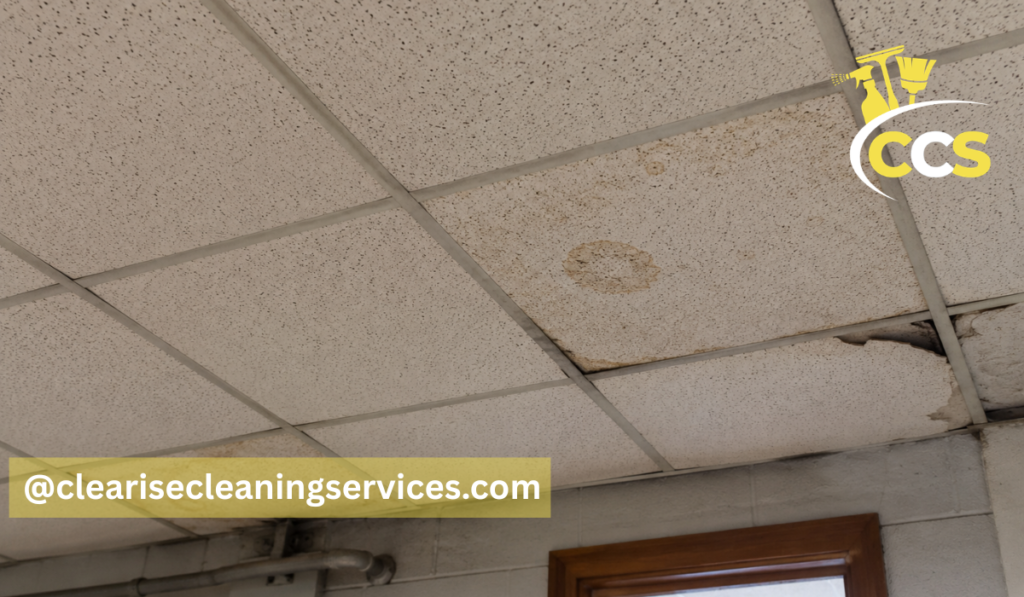
Asbestos ceiling tiles are older ceiling materials that may contain asbestos fibers, especially in homes, schools, offices, basements, and commercial buildings built or renovated before the late 1980s. Asbestos was once used in many building products because it was strong, heat-resistant, and helpful for insulation and fire protection. The EPA lists ceiling and floor tiles among building materials where asbestos may be found.
The important thing to understand is this: asbestos is usually most dangerous when the material is damaged, cut, scraped, drilled, broken, or removed incorrectly. When asbestos fibers become airborne, people can breathe them in. Over time, exposure may increase the risk of serious diseases, including lung cancer, mesothelioma, and asbestosis. WHO states that all forms of asbestos are carcinogenic to humans.
You cannot confirm asbestos ceiling tiles by sight alone. Pictures, age, texture, and size can raise suspicion, but only proper lab testing can confirm whether asbestos is present. This article explains what asbestos ceiling tiles are, how to notice possible warning signs, what to do if you have them, and when testing or professional removal may be needed.
Quick Guide Table
| Situation | What It May Mean | Best Next Step |
| Old ceiling tiles in a pre-1980s building | Possible asbestos-containing material | Do not disturb; consider testing |
| Tiles are intact and sealed | Lower immediate risk | Leave alone and monitor |
| Tiles are cracked, sagging, or water-damaged | Higher chance of fiber release | Keep away and call a professional |
| You plan renovation or removal | Disturbance risk | Get asbestos testing first |
| Dust or debris is present | Possible contamination | Do not sweep or vacuum |
What Asbestos Ceiling Tiles Are
Asbestos ceiling tiles are ceiling panels or tiles that were made with asbestos fibers or installed using asbestos-containing materials. In some cases, the tile itself may contain asbestos. In other cases, the adhesive, backing, joint compound, textured coating, or nearby material may be the real concern.
These tiles were commonly used in older homes, offices, schools, apartment buildings, basements, utility rooms, and commercial spaces. They were popular because they helped with sound control, insulation, and fire resistance. Asbestos was widely used in construction because of its heat resistance and fiber strength.
Many people think asbestos is always visible, but that is not true. A ceiling tile can look ordinary and still contain asbestos. A tile can also look old and suspicious but test negative. This is why professional inspection matters.
Why Older Ceiling Tiles May Contain Asbestos
Older buildings have a higher chance of containing asbestos ceiling tiles because asbestos was widely used in many construction materials during the 20th century. Homes and buildings built before the 1980s or renovated during that period deserve extra caution, especially if ceiling tiles look original.
Acoustic ceiling tiles, drop ceiling panels, suspended ceiling systems, glue-up tiles, and textured ceiling materials are common areas where asbestos may be suspected. Even when the ceiling panel itself is not asbestos-containing, older mastics and adhesives may contain asbestos.
This is especially important in basements and utility rooms, where older ceiling materials were often installed for fire protection, sound control, or simple finishing. If you are planning renovation, demolition, wiring, plumbing work, or ceiling replacement in an older property, testing should come before disturbance.
Common Asbestos Ceiling Tile Examples
Common asbestos ceiling tile examples may include older 12×12 ceiling tiles, 2×2 drop ceiling panels, 2×4 suspended ceiling panels, pin-hole acoustic tiles, and glue-up ceiling panels. Some may have a chalky surface, small holes, mild texture, or a flat off-white appearance.
You may also see older tiles in basements, garages, offices, schools, hallways, and utility areas. These areas were often finished with practical materials rather than decorative ones, which is why older ceiling panels may remain in place for decades.
However, examples are only clues. A 12×12 tile does not automatically mean asbestos, and a modern-looking tile does not automatically mean safe. The most reliable next step is always professional testing.
Asbestos Ceiling Tiles Pictures and Visual Clues
Many people search for asbestos ceiling tiles pictures because they want to compare their ceiling with examples online. Pictures can help you notice possible warning signs, such as older square tiles, pin-dot patterns, water staining, brittle edges, or old adhesive behind panels.
Suspect tiles are often white, off-white, cream, gray, or light brown. Some have small holes for sound absorption. Others may have a rough, fibrous, powdery, or chalky look. Drop ceiling panels may sit in a metal grid, while glue-up tiles may be attached directly to the ceiling surface.
Still, pictures cannot confirm asbestos. Many non-asbestos ceiling tiles look very similar to asbestos-containing materials. If your ceiling is old, damaged, or located in a building from the asbestos-use period, treat it as suspect until a certified test proves otherwise.
Are Asbestos Ceiling Tiles Dangerous?
Asbestos ceiling tiles can be dangerous when they are damaged or disturbed. If tiles are intact, sealed, and left alone, the immediate risk is usually lower. The real concern begins when fibers are released into the air through drilling, cutting, sanding, scraping, breaking, or careless removal.
Airborne asbestos fibers are tiny and can be inhaled. According to OSHA, asbestos exposure is a concern in construction, renovation, repair, and demolition work, especially when asbestos-containing materials are removed or disturbed.
This means a ceiling that has stayed untouched for years may become hazardous during a renovation project. Installing lights, running wires, repairing leaks, removing panels, or scraping old texture can all create risk if asbestos is present.
Signs Your Ceiling Tiles Need Professional Attention
Ceiling tiles need professional attention when they show signs of damage. Water stains are a major warning sign because moisture can weaken old materials and cause them to sag, crumble, or flake. Cracks, broken corners, loose panels, powdery debris, and falling dust should also be taken seriously.
Sagging ceiling tiles may mean moisture damage or structural weakness. Loose adhesive may expose old mastic or backing materials. If you see debris on the floor or furniture below the ceiling, do not sweep or vacuum it with normal household equipment.
If the ceiling is in a busy area, keep people away from the damaged section. Avoid touching the tile, moving air across it, or trying to clean it yourself. Damaged suspect material should be handled by trained professionals.
What to Do If You Have Asbestos Ceiling Tiles
If you think you may have asbestos ceiling tiles, the safest first step is to avoid disturbing them. Do not drill, scrape, sand, cut, break, or remove the tiles. Do not pull down panels to “check behind them.” Even a small action can release dust if the material is brittle.
If debris is already present, keep people and pets away from the area. If possible, turn off fans, heating, air conditioning, or ventilation that could move dust through the building. Do not use a regular vacuum, broom, or dry cloth on suspect debris.
The next step is to contact a certified asbestos inspector or licensed asbestos professional. The EPA advises homeowners to use trained asbestos professionals for inspection, repair, and removal because improper handling can increase exposure risk.
How Asbestos Ceiling Tiles Are Tested
Asbestos ceiling tiles are tested by collecting a small material sample and sending it to a certified laboratory. The lab checks the sample under proper methods to confirm whether asbestos fibers are present and, in many cases, what percentage is found.
Homeowners should not casually collect samples unless local rules allow it and they know the correct safety procedure. Breaking off a piece of tile can release fibers, especially if the material is old or damaged. A professional inspector knows how to take the sample with less risk and how to seal the area afterward.
Test results usually tell you whether asbestos is present, what material was tested, and sometimes the type or amount of asbestos. These results help decide whether the safest option is leaving the material alone, encapsulating it, repairing it, or removing it.
Encapsulation vs Removal
Encapsulation means sealing asbestos-containing material so fibers are less likely to escape. For asbestos ceiling tiles that are stable, undamaged, and not likely to be disturbed, professionals may recommend encapsulation or covering the material instead of removing it.
Removal may be necessary when tiles are damaged, crumbling, water-affected, or in the way of renovation work. Removal is also more likely when the material cannot be safely sealed or when future disturbance is expected.
Professional advice matters because removal is not always the safest first choice. Poor DIY removal can create more airborne fibers than leaving intact material alone. A qualified asbestos professional can inspect the condition and recommend the safest path.
Asbestos Ceiling Tiles Removal Cost
Asbestos ceiling tiles removal cost can vary widely. The price depends on the size of the area, tile condition, ceiling height, access, local disposal rules, testing needs, and how much containment is required. A small contained area may cost less than a large commercial ceiling with damaged materials.
Testing and inspection may be separate from removal. Some contractors may charge for sampling, lab testing, air monitoring, containment setup, disposal, and final cleaning. Licensed removal is often more expensive than ordinary ceiling demolition, but it is safer because it uses proper controls and disposal methods.
The best approach is to get quotes from licensed asbestos abatement companies. Avoid choosing someone only because they are cheap. With asbestos ceiling tiles, safe handling matters more than low price.
Asbestos Ceiling Tiles Price and Replacement Options
People sometimes search for asbestos ceiling tiles price, but old asbestos tiles should not be bought, reused, or handled like normal building material. If tiles contain asbestos, they should be managed according to local safety and disposal rules.
Replacement ceiling tile prices depend on the material, style, size, fire rating, sound rating, and installation method. Modern ceiling tiles are available in safer materials, including mineral fiber, fiberglass, gypsum, PVC, metal, and acoustic panels designed without asbestos.
When replacing old ceiling tiles, do not remove suspect material first unless it has been tested or cleared by a professional. A safe replacement project starts with knowing what is already in place.
Safety Mistakes to Avoid
The biggest mistake is treating suspect asbestos ceiling tiles like ordinary old ceiling material. Do not drill into them for lights, hooks, vents, cameras, or wiring. Do not scrape texture, sand edges, break panels, or pull tiles down to inspect them.
Another mistake is using a normal household vacuum on suspect debris. Regular vacuums can spread fine dust back into the air. Dry sweeping can also move fibers around the room.
Do not rely only on online photos, brand guesses, or tile size. Visual clues are helpful, but they are not proof. The safe rule is simple: if the material is old and suspect, test before disturbing it.
Conclusion
Asbestos ceiling tiles require careful attention, especially in older homes and buildings. They may not be dangerous when intact and undisturbed, but they can become a serious risk when damaged, cut, drilled, scraped, or removed without proper controls.
The safest way to handle suspect ceiling tiles is to leave them alone until they are professionally inspected or tested. Pictures and visual clues can help you notice possible risks, but only certified lab testing can confirm asbestos.
If your ceiling tiles are cracked, water-damaged, sagging, flaking, or producing dust, do not try to fix or remove them yourself. Contact a certified asbestos inspector or licensed removal contractor so the problem can be handled safely and correctly.
FAQs
Are Asbestos Ceiling Tiles Dangerous?
They can be dangerous if damaged, broken, drilled, cut, or removed incorrectly. If intact and undisturbed, they usually pose a lower immediate risk.
Can I Identify Asbestos Ceiling Tiles By Looking At Them?
No. Pictures, age, size, and texture can give clues, but only certified lab testing can confirm whether ceiling tiles contain asbestos.
What Should I Do If I Find Asbestos Ceiling Tiles?
Do not touch, cut, or remove them. Keep the area safe and contact a certified asbestos inspector for testing and proper advice.
How Much Does Asbestos Ceiling Tile Removal Cost?
The cost depends on room size, damage level, access, testing, containment, and local disposal rules. Licensed removal usually costs more but is safer.
Can Asbestos Ceiling Tiles Be Covered Instead Of Removed?
Yes, sometimes professionals may recommend encapsulation or covering if the tiles are stable and undamaged. Damaged tiles usually need expert attention.
Disclaimer: This article is for general informational purposes only and is not professional asbestos, legal, or medical advice. Always contact a certified asbestos inspector or licensed abatement contractor before testing, disturbing, or removing suspect ceiling tiles.
Thanks for visiting Clearise Cleaning Services! Discover more helpful tips and expert cleaning insights by exploring our related categories.