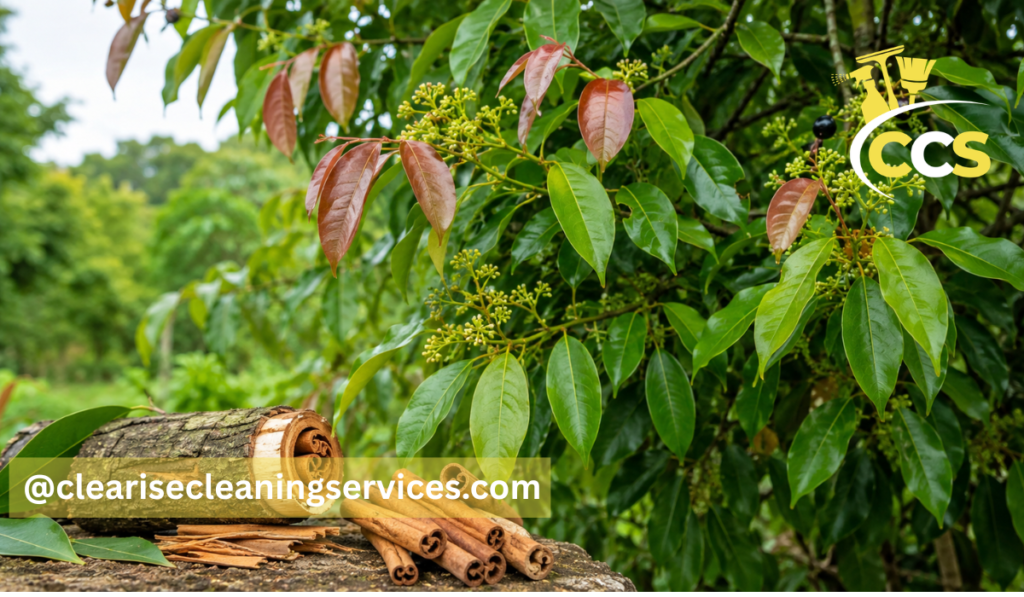
The cinnamon plant is a tropical evergreen tree best known for giving us one of the world’s most loved spices. When people talk about the cinnamon plant, they are often referring to Cinnamomum verum, also called Ceylon cinnamon or true cinnamon. This plant is valued for its warm fragrance, attractive leaves, and the aromatic inner bark that is dried and used as cinnamon spice.
A cinnamon plant is more than just a spice source. In warm climates, it can be grown as a beautiful garden tree or trimmed into a smaller bushy plant. In cooler areas, some growers keep it in pots and bring it indoors during cold weather. Its glossy leaves, reddish new growth, and natural cinnamon scent make it interesting even before any bark is harvested.
This guide explains what the cinnamon plant is, how it looks, how to care for it, how it grows indoors, what benefits it offers, and what to check before buying a cinnamon tree for sale. It also covers cinnamon plant leaves, flowers, fruit, common problems, and the basic idea behind cinnamon bark harvesting.
Quick Guide Table: Cinnamon Plant at a Glance
| Feature | Quick Details |
| Common Name | Cinnamon plant, true cinnamon tree |
| Botanical Name | Cinnamomum verum |
| Plant Type | Tropical evergreen tree |
| Main Use | Inner bark is dried to make cinnamon spice |
| Best Climate | Warm, humid areas; USDA Zones 10–12 |
| Indoor Growing | Possible in bright, warm rooms with humidity |
| Sunlight | Full sun to partial shade |
| Soil | Rich, loose, well-drained sandy or loamy soil |
| Watering | Deep watering, but avoid soggy soil |
| Main Problem | Root rot from overwatering or poor drainage |
Helpful Bullet List: What Readers Should Know First
- The cinnamon plant is not a small kitchen herb; it is a tropical tree.
- The spice comes from the inner bark, not the leaves or fruit.
- Cinnamomum verum is known as the true cinnamon tree.
- It needs warmth, humidity, bright light, and well-drained soil.
- It can grow indoors, but it needs a bright location and regular pruning.
- Before buying a cinnamon tree for sale, always check the botanical name.
What Is a Cinnamon Plant?
A cinnamon plant is a tropical evergreen tree from the Lauraceae, or laurel, family. It belongs to the genus Cinnamomum, a group of aromatic trees and shrubs known for fragrant oils in their leaves and bark. The spice called cinnamon is made from the inner bark of certain Cinnamomum species, not from the leaves, flowers, or fruit.
The most famous species is Cinnamomum verum, commonly known as true cinnamon or Ceylon cinnamon. It is native to Sri Lanka and is often prized for its lighter, sweeter, and more delicate flavor. Other cinnamon-producing species include cassia cinnamon, Indonesian cinnamon, and Saigon cinnamon. These are related plants, but they do not all produce the same type of bark, aroma, or flavor.
As a living plant, cinnamon is not usually grown like a quick herb. It is a woody tree that needs warmth, humidity, patience, and steady care. In the right conditions, it can become a lush evergreen plant with a strong tropical appearance.
True Cinnamon Tree vs Cassia Cinnamon
The true cinnamon tree usually refers to Cinnamomum verum. This is the plant that produces Ceylon cinnamon, often called “true cinnamon.” Its dried bark is usually lighter in color, thinner, and more delicate than cassia. It also has a mild, sweet fragrance that many people prefer for subtle cooking and baking.
Cassia cinnamon, often linked with Cinnamomum cassia, is different. It is commonly sold as cinnamon in many grocery stores, especially in North America. Cassia bark is usually thicker, darker, harder, and stronger in flavor. It has a more intense, spicy aroma, which is why many people recognize it as the familiar “cinnamon” taste in baked goods. The University of Arkansas Extension notes that Cinnamomum cassia is the primary cinnamon commonly used in the United States.
Knowing the difference matters if you are buying a cinnamon plant. A plant labeled simply as “cinnamon tree” may not always be Cinnamomum verum. If your goal is to grow the true cinnamon tree, check the botanical name carefully. This is especially important when buying online, where common names can sometimes be confusing.
Cinnamon Plant Appearance and Growth Habit
The cinnamon plant has a dense, bushy, evergreen growth habit. In its natural tropical environment, it can grow into a medium-sized tree. Missouri Botanical Garden lists Cinnamomum verum as reaching about 30 to 50 feet in suitable conditions, though it is often kept much smaller when grown in gardens or containers.
One of the most attractive features of the cinnamon plant is its foliage. New leaves often appear red or reddish-bronze before turning glossy green as they mature. This color change gives the plant a fresh and ornamental look, especially when new growth appears at the tips of the branches. Kew describes cinnamon as a small evergreen tree with glossy leaves that are bright red when young and green with age.
In gardens, the plant can look like a small tropical tree or a thick shrub, depending on how it is pruned. In pots, it can be shaped to stay compact. In warm landscapes, it works well as an aromatic specimen plant, while indoors it can bring a tropical feel to a bright room.
Cinnamon Plant Leaves
Cinnamon plant leaves are glossy, leathery, and usually oval to lance-shaped. Mature leaves are deep green, while young leaves may first appear red, pinkish, or bronze before changing color. This makes the plant visually appealing even when it is not flowering.
The leaves are also aromatic. If you gently crush a leaf or scratch a young stem, it may release a pleasant cinnamon-like scent. This fragrance is one reason plant lovers enjoy growing cinnamon even if they do not plan to harvest the bark. The aroma comes from natural oils found in the plant’s leaves and bark.
However, cinnamon plant leaves should not be confused with cinnamon spice. The spice used in cooking comes mainly from the inner bark. The leaves add beauty and fragrance, but the bark is the part that has made the cinnamon plant famous around the world.
Cinnamon Plant Flower
The cinnamon plant flower is small, simple, and not very showy. Mature plants may produce clusters of tiny greenish-yellow or yellowish-white flowers. These blooms are usually more noticeable up close than from a distance. They are part of the plant’s natural growth cycle, but they are not the main reason most people grow cinnamon.
In warm climates, a healthy and mature cinnamon plant has a better chance of flowering. Indoor plants may not flower often because they usually receive less light, less humidity, and less seasonal change than outdoor tropical plants.
Although the flowers are modest, they add to the plant’s botanical interest. They also show that the plant is mature and growing under conditions it accepts. Still, for most home growers, the real appeal remains the evergreen leaves, warm fragrance, and spice-producing bark.
Cinnamon Tree Fruit
After flowering, a cinnamon tree may produce small, dark, berry-like fruits. These fruits are usually round and can turn dark brown, purple, or nearly black when mature. Kew describes cinnamon fruits as round and brown or black.
Cinnamon tree fruit is not the same as cinnamon spice. The familiar spice does not come from the fruit but from the inner bark of the stems. The fruit is mainly important for the plant’s natural reproduction and seed development.
Many people who grow cinnamon as a houseplant may never see fruit, especially if the plant does not flower indoors. Outdoor plants in warm, humid climates are more likely to complete the cycle of flowering and fruiting.
Cinnamon Plant Benefits
The cinnamon plant offers several benefits for gardeners and plant lovers. First, it is ornamental. Its glossy green leaves, reddish new growth, and bushy shape make it attractive in tropical gardens, patios, and bright indoor spaces.
Second, it is aromatic. The scent from the leaves and bark gives the plant a special quality that many ordinary houseplants do not have. Even without harvesting, a cinnamon plant can feel rewarding because it connects the grower to a familiar kitchen spice.
Third, it has practical spice value. With enough time and the right growing conditions, the inner bark can be harvested, dried, and used as cinnamon. This process requires patience and care, but it can be satisfying for gardeners who enjoy growing useful plants.
It is also important to avoid exaggerated health claims. Cinnamon is widely used in food and traditional practices, but a cinnamon plant should not be presented as a cure for health problems. Its safest and clearest benefits are ornamental beauty, fragrance, gardening interest, and spice use.
Cinnamon Plant Care
Cinnamon plant care starts with understanding that this is a warm-climate tropical plant. It likes warmth, humidity, bright light, and well-drained soil. It does not like cold weather, dry indoor air, or soggy roots.
A healthy cinnamon plant needs steady moisture, but the soil should never stay waterlogged. If the roots sit in wet soil for too long, root rot can develop. This is one of the most common problems with cinnamon plants in pots.
Pruning is also important. In nature, cinnamon can become a tree, but in home growing it is often kept smaller. Regular pruning helps control height, encourages bushy growth, and makes the plant easier to manage indoors or in a container.
The goal is to copy tropical conditions as much as possible. Give the plant warmth, moisture, light, and space, but avoid extremes. Too much direct sun on a young plant, too little light indoors, or too much water can all cause stress.
Best Climate and Growing Conditions for Cinnamon Plant
The cinnamon plant grows best in warm, humid climates. It is suited to USDA Hardiness Zones 10 to 12, where outdoor temperatures stay mild enough for tropical plants. Missouri Botanical Garden notes that Cinnamomum verum is hardy in tropical Zones 10–12 and can be overwintered indoors in colder climates.
Cold is one of the biggest limits for growing cinnamon outdoors. If temperatures drop too low, the plant can suffer leaf damage, branch dieback, or serious stress. As a general rule, it should be protected when temperatures approach 40°F / 4°C, especially if it is young or grown in a pot.
Humidity also matters. Cinnamon plants come from warm, moist environments, so dry air can cause leaf edges to brown or growth to slow. In tropical and subtropical areas, the plant can grow outdoors year-round. In cooler regions, it is better treated as a container plant that spends warm months outside and cold months indoors.
Soil, Watering, and Sunlight Needs
Cinnamon plants prefer rich, loose, well-drained soil. Sandy or loamy soil is often suitable because it allows water to move through while still holding enough moisture for the roots. Heavy clay or compacted soil is not ideal because it can trap water around the roots.
Watering should be deep but careful. The soil should stay evenly moist during active growth, but it should not remain soggy. In containers, drainage holes are essential. A pot without drainage can quickly lead to root problems, even if the top of the soil looks normal.
Light is also important. Cinnamon grows well in full sun to partial shade, but young trees often do better with some protection from harsh afternoon sun. NC State Extension notes that young trees perform best with afternoon shade, while mature trees can handle more sunlight.
If a plant has been indoors for winter, it should be moved back outdoors gradually. Sudden strong sun can scorch leaves that are not used to outdoor light.
Growing Cinnamon Plant Indoors
Growing a cinnamon plant indoors is possible, but it requires the right setup. The plant needs a bright location, such as near a sunny window. If natural light is weak, a grow light may help. Without enough light, the plant can become thin, weak, or slow-growing.
Warmth is just as important. Cinnamon plants should be kept away from cold drafts, air conditioners, and chilly windows. A warm room with steady temperatures is much better than a spot that changes sharply between day and night.
Humidity can be a challenge indoors. Dry air may cause leaf tips to brown or leaves to drop. A humidity tray, room humidifier, or grouping plants together can help create a better environment. The pot should have drainage holes, and the soil should be allowed to drain freely after watering.
Indoor pruning keeps the plant manageable. Because cinnamon naturally wants to grow into a tree, trimming helps maintain a smaller shape. A young indoor cinnamon plant may not produce bark for harvest quickly, but it can still be enjoyed for its leaves, scent, and tropical appearance.
How Cinnamon Bark Is Harvested
Cinnamon bark harvesting takes patience. A young cinnamon plant usually needs at least a few years of strong growth before bark can be harvested. Many growers wait about two to three years before cutting suitable shoots.
The process involves cutting young stems or shoots and removing the outer bark. The inner bark is then carefully peeled away. As it dries, it naturally curls into the familiar cinnamon quills or sticks. This curled bark is what people use as cinnamon spice.
Home harvesting is possible, but it is not as simple as picking leaves from an herb plant. The plant must be healthy, mature enough, and growing in good conditions. Harvesting too early or too aggressively can weaken the plant. For most home growers, it is better to first focus on growing a strong cinnamon plant before thinking about bark harvest.
Cinnamon Tree for Sale: Buying Tips
When looking for a cinnamon tree for sale, the first thing to check is the botanical name. If you want true cinnamon, look for Cinnamomum verum. A listing that only says “cinnamon tree” may refer to another species, so it is worth reading the details carefully.
Check the plant’s health before buying. The leaves should look firm and healthy, not wilted, yellowing, or covered in pests. If you are buying in person, look for signs of strong new growth and avoid plants with soggy soil or a sour smell from the pot.
If buying online, choose a seller that clearly identifies the species and provides growing information. Look for details about plant size, shipping method, and climate suitability. A cinnamon plant may look attractive online, but it will only do well if your climate or indoor setup can support it.
Before purchasing, think about where the plant will live. If you are in a warm, humid area, it may grow outdoors. If you live in a cold region, plan for a bright indoor winter space before you buy.
Common Cinnamon Plant Problems
The most common cinnamon plant problem is root rot caused by waterlogged soil. This often happens when the pot has poor drainage, the soil stays too wet, or the plant is watered too often. Signs may include yellow leaves, wilting despite wet soil, and weak growth.
Cold damage is another issue. Cinnamon plants are tropical, so chilly weather can lead to leaf drop, brown patches, or branch stress. Container plants should be moved indoors before cold nights become a problem.
Indoors, dry air and low light are common challenges. Dry air can cause brown leaf edges, while low light can make the plant grow slowly or lose its healthy shape. A brighter spot and better humidity can often improve the plant’s condition.
Pests may also appear, especially on indoor plants. Scale insects, spider mites, and mealybugs can sometimes attack cinnamon plants. Regularly checking the leaves and stems helps catch problems early before they spread.
Conclusion
The cinnamon plant is a useful, fragrant, and beautiful tropical evergreen. Best known for the aromatic inner bark that becomes cinnamon spice, it also offers glossy leaves, reddish new growth, small flowers, berry-like fruit, and a warm natural scent.
Growing a cinnamon plant successfully depends on giving it the right conditions. It needs warmth, humidity, bright light, well-drained soil, and careful watering. It dislikes cold weather and soggy roots, so climate and drainage are two of the most important things to get right.
In warm regions, the cinnamon plant can grow outdoors as an attractive tropical tree or shrub. In cooler places, it can be grown indoors in a pot if it receives enough light, warmth, and humidity. With patience and proper care, it can become a rewarding plant for anyone who enjoys fragrant, useful, and tropical plants.
FAQs
Is A Cinnamon Plant Easy To Grow At Home?
A cinnamon plant is easy to grow only if you can provide warmth, bright light, humidity, and well-drained soil. It is harder to grow in cold or dry indoor conditions.
Can I Grow A Cinnamon Plant Indoors?
Yes, you can grow a cinnamon plant indoors in a pot. Keep it near bright light, protect it from cold drafts, use well-draining soil, and maintain good humidity.
Are Cinnamon Plant Leaves Used As Cinnamon Spice?
No, cinnamon spice mainly comes from the inner bark of the plant. The leaves are fragrant and attractive, but they are not the main source of cinnamon sticks.
How Long Does A Cinnamon Plant Take To Harvest?
A healthy cinnamon plant usually needs about 2 to 3 years before bark harvesting can begin. The plant must be strong enough before shoots are cut.
What Is The Difference Between True Cinnamon And Cassia?
True cinnamon comes from Cinnamomum verum and has a lighter, sweeter flavor. Cassia cinnamon is usually stronger, thicker, darker, and more common in many grocery stores.
Disclaimer: This article is for general gardening and educational purposes only. Cinnamon plant care can vary by climate, soil, and growing conditions. For health-related uses of cinnamon, always consult a qualified professional.
Thanks for visiting Clearise Cleaning Services! Discover more helpful tips and expert cleaning insights by exploring our related categories.