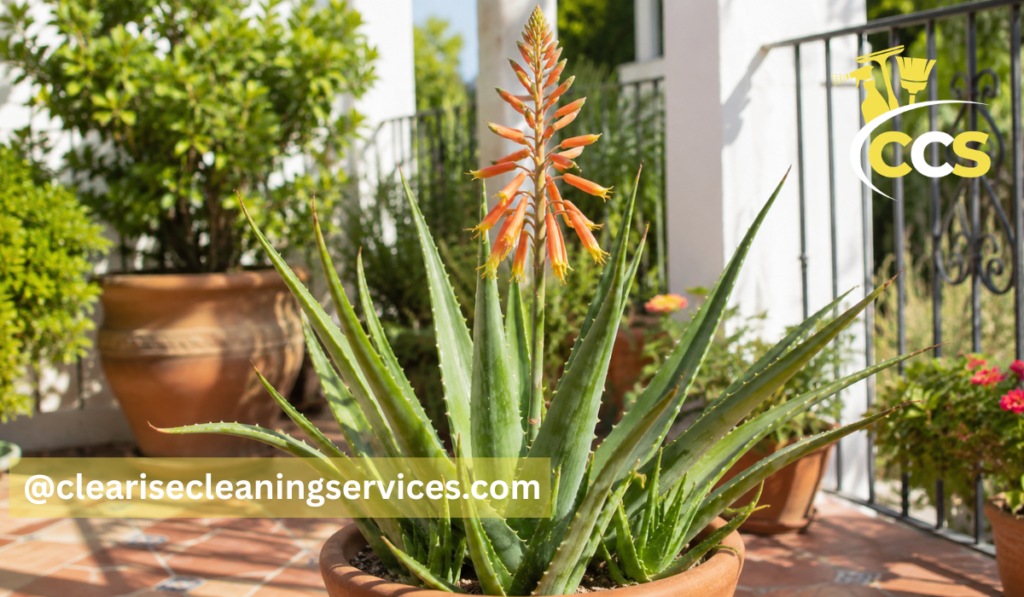
An aloe plant flower is a beautiful surprise for many plant owners. Most people grow aloe for its thick, fleshy leaves and soothing gel, but mature aloe plants can also produce flowers when the growing conditions are right. This does not happen all the time, especially indoors, so seeing an aloe bloom often feels special.
Aloe flowers usually grow on a tall stalk that rises from the center of the plant. The flowers are small, tubular, and often appear in shades of yellow, orange, red, or coral. The flower spike can look very different from the rest of the plant because aloe leaves stay low and thick, while the bloom stalk grows upward and stands above the leaves.
Not every aloe plant will flower, and that is completely normal. Blooming depends on several factors, including the plant’s age, sunlight, temperature changes, watering habits, and overall care. Outdoor aloe plants usually bloom more often because they receive stronger sunlight and natural seasonal changes. Indoor aloe plants can bloom too, but it is much less common.
In simple terms, an aloe plant flower is usually a sign that the plant is mature and healthy enough to use energy for blooming. However, a non-blooming aloe can still be perfectly healthy. The goal should be to care for the plant well, not to force it to flower.
Quick Guide Table: Aloe Plant Flower
| Topic | Quick Answer |
| What is it? | A tall flower stalk that grows from a mature aloe plant. |
| Is it common indoors? | No, indoor aloe plants rarely flower. |
| Bloom season | Usually late winter, spring, or early summer. |
| Flower colors | Yellow, orange, red, coral, or warm mixed shades. |
| Good or bad? | Usually good; it often means the plant is mature and healthy. |
| Main bloom trigger | Strong sunlight and proper seasonal care. |
| After blooming | Let it fade, then cut the dry stalk near the base. |
Helpful Bullet Points for Readers
- An aloe plant flower is normal and usually not a sign of danger.
- Aloe plants often need to be mature before they bloom.
- Outdoor aloe plants bloom more often than indoor ones.
- Strong sunlight is the most important factor for flowering.
- Do not overwater or over-fertilize aloe to force blooms.
- After the flower dries, remove the stalk with clean shears.
- A healthy aloe can still be a good plant even if it never flowers
Aloe Plant Flower: What It Actually Looks Like
An aloe plant flower looks very different from the plant’s thick green leaves. The bloom usually begins as a tall central flower spike that grows from the middle of the plant. This stalk rises above the leaves and gradually develops clusters of narrow buds.
Once the buds open, they form tubular flowers. These flowers often hang slightly downward and grow in groups near the upper part of the stalk. Depending on the type of aloe, the flowers may be yellow, orange, red, coral, or sometimes a soft mix of warm colors.
Aloe leaves and aloe flowers serve different purposes. The leaves store water and help the plant survive dry conditions, while the flower stalk is part of the plant’s reproduction process. If pollinators visit the flowers, the plant may produce seeds, although many homegrown aloe plants are usually propagated through pups instead.
The exact look of an aloe plant flower can vary because there are many types of aloe. Aloe vera is one of the best-known types, but other aloe species may produce slightly different flower shapes, colors, and stalk sizes. This is why pictures of aloe vera flowers may not all look exactly the same.
When Aloe Vera Plants Usually Bloom
Aloe vera plants usually bloom in late winter, spring, or sometimes early summer, depending on the climate and growing conditions. In warm outdoor areas, mature aloe plants may follow a more natural seasonal cycle and bloom around the same time each year.
Outdoor aloe plants usually have a better chance of flowering because they receive stronger light and experience natural changes in temperature. These seasonal changes can help signal the plant that it is time to bloom. In mild climates where aloe can grow outside year-round, flowering may be more predictable.
Indoor aloe plants are different. They often live in stable home temperatures, receive weaker light, and may not experience the cooler, drier rest period that supports flowering. Because of this, an indoor aloe may grow well for years without ever producing a flower.
It is also important to understand that some healthy aloe plants do not bloom every year. A plant may skip a season if it is not getting enough light, if it was recently repotted, if it is recovering from stress, or if it is still building strength. Blooming is a positive sign, but it should not be the only measure of plant health.
Why Indoor Aloe Plants Rarely Flower
Indoor aloe plants rarely flower because home conditions are usually comfortable for leaf growth but not strong enough to trigger blooming. The biggest reason is light. Aloe plants need bright light to grow well, and many homes do not provide enough direct or intense sunlight for flowers to form. NC State Extension notes that aloe grows best in full sun to partial shade and needs very well-drained soil, with soil allowed to dry between waterings.
Another reason is the lack of seasonal change. Outdoors, aloe plants naturally experience brighter summers, cooler nights, and drier rest periods. Indoors, the temperature often stays the same all year. While this keeps the plant alive, it may not give the plant the seasonal signal it needs to bloom.
Overwatering is another common issue. Aloe is a succulent, so it stores water in its leaves. If the roots stay wet for too long, the plant may become weak or develop root problems. A stressed plant is less likely to bloom in a healthy way.
Poor drainage can also reduce blooming chances. A heavy soil mix or a pot without drainage holes can hold too much moisture around the roots. Aloe plants prefer loose, fast-draining soil made for succulents or cactus plants.
Age matters too. A young aloe plant usually focuses on growing roots and leaves, not flowers. Even with good care, it may take several years before the plant is mature enough to bloom.
Aloe Vera Bloom Stages
The aloe vera bloom stages begin long before the flower appears. First, the plant must become mature and strong enough to support a bloom. This means it has developed a healthy root system, firm leaves, and enough stored energy.
The next stage is the flower stalk. A thick green stalk begins to rise from the center of the plant. At first, it may look like a new leaf, but it quickly grows taller and straighter than the normal leaf growth.
After the stalk forms, small buds begin to develop along the upper part of the spike. These buds are usually tightly closed at first. Over time, they become more visible and may start showing color before opening.
The flowering stage comes when the buds open into tubular blooms. These flowers may last for several days or weeks, depending on the plant and environment. Outdoor flowers may also attract bees, hummingbirds, or other pollinators.
Finally, the flowers fade. The stalk may begin to dry and turn brown. This is a normal part of the blooming cycle. Once the flower stalk is fully spent, it can be removed with clean shears so the plant can return its energy to leaf and root growth.
How Old an Aloe Plant Must Be to Flower
An aloe plant usually needs to be mature before it can flower. Many aloe vera plants need to be around four years old or older before they are ready to bloom. Some plants may take longer, especially if they are grown indoors or in less-than-ideal light.
Younger aloe plants spend most of their energy on basic growth. They build roots, produce leaves, and adjust to their pot or growing space. Flowering requires extra energy, so the plant usually waits until it is well established.
Pot size can also affect maturity. A plant that is too crowded may struggle, while a plant in a very large pot may spend more energy growing roots than preparing to bloom. The best pot is usually just large enough to support the plant comfortably, with drainage holes at the bottom.
Good light, correct watering, and stable care all help the plant reach blooming maturity. Signs that your aloe may be old enough to bloom include thick healthy leaves, steady growth, a firm base, and sometimes the production of pups around the mother plant.
Still, age alone does not guarantee flowers. A mature aloe plant also needs the right environment. Without enough light and proper care, even an older plant may never bloom indoors.
How to Encourage an Aloe Plant Flower Naturally
The best way to encourage an aloe plant flower is to improve the plant’s growing conditions naturally. Aloe plants respond best to steady care, strong light, and a healthy root environment. Trying to force blooms with too much fertilizer or sudden changes can do more harm than good.
Start with light. Aloe needs plenty of bright light to build the energy required for flowering. If your plant is indoors, place it near a bright south- or west-facing window where it can receive strong natural light. If moving an aloe outdoors during warm months, introduce it gradually so the leaves do not burn.
Outdoor time can help a lot when the weather is warm and frost-free. Natural sunlight, fresh air, and seasonal changes can make blooming more likely. However, aloe should be protected from cold temperatures, heavy rain, and sudden intense sun if it has been indoors for a long time.
Soil is also important. Use a well-draining cactus or succulent mix. Aloe roots do not like sitting in wet soil. A breathable pot, such as terracotta, can also help moisture dry more evenly.
Avoid frequent repotting unless the plant truly needs it. Repotting can disturb the roots, and the plant may focus on recovery instead of blooming. Consistent care is better than constant changes.
Sunlight Needs for Aloe Vera Flowering
Strong light is one of the biggest bloom triggers for aloe vera. Without enough light, the plant may stay alive but fail to flower. The leaves may also become pale, stretched, or weak.
Outdoors, aloe plants often do best in bright sun with some protection from harsh afternoon heat, depending on the climate. In very hot areas, a little light shade during the strongest part of the day can help prevent leaf stress. NC State Extension says most aloe varieties need at least six hours of sun and grow best in full sun or very bright indirect light. It also recommends gradually acclimating indoor plants before moving them outdoors in summer.
Indoors, the best placement is usually near a bright south-facing or west-facing window. If the plant is too far from the window, it may not receive enough light, even if the room looks bright to you.
Grow lights may help indoor aloe plants, especially in darker homes or during winter. A strong grow light placed at a proper distance can support healthier growth, but it should not be the only care improvement. Watering, soil, and seasonal rest still matter.
Signs that your aloe needs more light include leaning toward the window, long stretched leaves, pale green color, and weak growth. A healthy aloe should look firm, compact, and steady.
Watering and Soil Care Before Blooming
Watering plays a major role in aloe health. Aloe plants prefer deep but infrequent watering. This means you should water the soil well, let extra water drain out, and then wait until the soil dries before watering again.
The soil should never stay soggy. Wet soil can damage the roots and prevent the plant from growing strongly. UF/IFAS Gardening Solutions advises watering aloe well when needed but never letting the plant sit in water.
A pot with drainage holes is essential. Without drainage, water collects at the bottom and can cause root rot. If your decorative pot has no holes, use it as an outer cover and keep the aloe in a smaller draining pot inside it.
The soil mix should be light and fast-draining. Regular garden soil or heavy indoor potting soil may hold too much moisture. A cactus or succulent mix is usually a safer choice.
During cooler months, reduce watering. Aloe growth slows during winter, so the plant uses less water. A cooler, drier rest period may also support future blooming, especially when followed by brighter light and active growth in spring.
Fertilizer Tips for Aloe Plant Flower Growth
Aloe plants do not need heavy feeding. In fact, too much fertilizer can create problems. A plant that receives too much nitrogen may grow more leaves but may be less likely to produce flowers.
Use fertilizer lightly and only during the active growing season, usually spring and summer. A diluted cactus or succulent fertilizer can be enough. It is better to feed too little than too much.
Avoid fertilizing in winter when the plant is resting. During this time, the aloe is not growing as actively, so extra nutrients may build up in the soil and stress the roots.
A simple feeding approach works best: healthy soil, strong light, correct watering, and occasional light fertilizer during growth. Fertilizer should support the plant, not push it beyond what its environment can handle.
If your aloe has never bloomed, do not assume fertilizer is the missing piece. Light, age, and seasonal rhythm are usually more important.
Aloe Vera Flower Meaning, Luck, and Spiritual Beliefs
The aloe plant flower meaning is often connected with maturity, patience, and resilience. Because aloe plants can survive dry conditions and still produce a flower, many people see the bloom as a symbol of strength and renewal.
Some people also believe that an aloe vera flower is linked with luck or positive energy. In home and garden traditions, a blooming aloe may be seen as a good sign because it suggests that the plant is healthy and the environment is supportive.
The aloe vera flower spiritual meaning can vary by culture and personal belief. For some, it may represent protection, healing, growth, or fresh beginnings. These meanings are personal and symbolic.
It is important to explain these beliefs respectfully without presenting them as scientific facts. Scientifically, an aloe flower means the plant has reached a stage where it can bloom under the right conditions. Spiritually or culturally, people may choose to attach deeper meaning to that bloom.
So, is an aloe vera flower luck? For plant care, it is best understood as a natural bloom. For personal belief, many people may view it as a lucky or positive sign.
Is Aloe Vera Flower Good or Bad for the Plant?
An aloe vera flower is usually good news. It often means the plant is mature and has enough energy to bloom. Flowering does not mean your aloe is dying, and it should not be treated as a warning sign by itself.
However, blooming does use energy. The plant sends nutrients and stored energy into the flower stalk and blooms. This is normal, but after flowering, the plant may slow down for a while as it returns to regular growth.
Sometimes a stressed plant may produce a flower stalk, but this is not the most common reason for blooming. To judge whether the flower is good or bad, look at the whole plant. Healthy aloe leaves should be firm, thick, and upright. The soil should not smell sour, and the roots should not be sitting in wet soil.
If the leaves are yellow, mushy, brown, or collapsing, the issue is not the flower itself. The plant may be dealing with overwatering, poor light, cold damage, or root problems.
In most cases, a blooming aloe is a healthy and natural event. Enjoy the flower, then remove the dry stalk once it fades.
Aloe Vera Flower Uses and What the Flowers Are Good For
Aloe vera flowers are mainly valued for their beauty and their role in the plant’s natural life cycle. In gardens and containers, the tall flower spike adds color and height. The warm shades of yellow, orange, red, and coral can make an aloe plant look more ornamental.
Outdoors, aloe flowers may attract pollinators. Bees and birds may visit the tubular blooms, depending on the local environment. If pollination happens, the plant may produce seeds, although many gardeners prefer to propagate aloe through pups because it is simpler and more reliable.
Aloe flowers are not the same as aloe gel. The gel comes from the thick leaves of the plant, not from the flower. Because of this, readers should not assume that aloe vera flower uses are the same as aloe leaf gel uses.
It is also wise to be careful with medicinal claims. Do not use aloe flowers for health treatments unless you have reliable expert guidance. Some aloe products and plant parts may not be suitable for everyone, and not all aloe species are used in the same way.
For most home gardeners, aloe flowers are good for decoration, pollinators, plant interest, and possible seed production.
Pictures of Aloe Vera Flowers: What Readers Should Compare
Pictures of aloe vera flowers can help readers understand what a normal bloom looks like. Since aloe flowers vary in color and shape, clear images can make the article more useful.
A helpful article should show a flower stalk emerging from the center of the aloe plant. This helps readers identify the early bloom stage and avoid confusing it with new leaf growth.
Close-up pictures are also useful because aloe flowers are tubular and often hang in clusters. Images of yellow, orange, and red flowers can show the natural color range. A picture of a dried spent stalk can also help readers know when the bloom is finished.
Good image alt text should be natural and descriptive, not stuffed with keywords. Examples include:
“Tall aloe plant flower stalk with orange tubular blooms”
“Yellow aloe vera flowers growing above green succulent leaves”
“Close-up of aloe vera flower buds before opening”
“Dried aloe flower stalk ready to be removed”
These image details can improve reader understanding and help the article feel more complete.
What to Do After an Aloe Flower Fades
After an aloe flower fades, let the bloom finish naturally. The flowers will dry, and the stalk may turn brown. This is part of the normal cycle.
Once the stalk is dry or clearly spent, use clean shears to cut it near the base. Try not to damage the healthy leaves around it. Cutting away the old flower stalk helps keep the plant neat and may prevent the plant from wasting energy on seed production if you are not trying to collect seeds.
Do not cut healthy aloe leaves unless they are damaged, diseased, or needed for a specific use. The leaves are important because they store water and support the plant’s future growth.
After blooming, check the base of the plant for pups or offsets. Aloe plants often produce baby plants around the mother plant. NC State Extension notes that aloe spreads by offsets and can be propagated by division.
Return to normal care after the bloom. Give the plant bright light, allow the soil to dry between waterings, and avoid overfeeding. A blooming aloe does not need special treatment forever; it simply needs steady care.
Conclusion: Understanding Your Aloe Plant Flower
An aloe plant flower is a natural and beautiful part of a mature aloe’s life cycle. It is more common in outdoor plants, but indoor aloe plants can sometimes bloom when they are old enough and receive enough light, proper watering, good soil, and a seasonal rest period.
The main factors behind aloe flowering are maturity, strong sunlight, dry and well-drained soil, and consistent care. A flower stalk does not mean the plant is dying. In most cases, it means the aloe has enough strength to bloom.
At the same time, not every healthy aloe plant will flower. Many indoor aloe plants grow well for years without blooming because they do not receive the same sunlight and seasonal changes as outdoor plants.
The best approach is to focus on plant health first. Give your aloe bright light, water only when the soil dries, use a draining pot and succulent soil, and avoid too much fertilizer. If your aloe blooms, enjoy it. If it does not, your plant can still be healthy, useful, and beautiful without flowers.
FAQs
Is Aloe Vera Flower Luck?
Many people see an aloe vera flower as a sign of luck, growth, or positive energy. Scientifically, it simply means the plant is mature enough to bloom in good conditions.
Is Aloe Vera Flower Good Or Bad?
An aloe vera flower is usually good. It often shows the plant is mature and healthy. However, you should still check the leaves, roots, and soil for overall plant health.
What Does An Aloe Plant Flower Mean?
An aloe plant flower usually means the plant has reached maturity and has enough energy to bloom. Some people also connect it with resilience, healing, or positive home energy.
What Are Aloe Vera Flowers Good For?
Aloe vera flowers are mainly good for decoration, attracting pollinators outdoors, and possible seed production. They are not the same as aloe gel from the plant’s leaves.
Should I Cut Off The Aloe Flower Stalk?
Yes, but only after the flowers fade and the stalk starts drying. Use clean shears and cut near the base without damaging the healthy aloe leaves.
Disclaimer: This article is for general plant-care and educational purposes only. Aloe flower meanings, luck, and spiritual beliefs are based on personal or cultural views, not scientific proof. Do not use aloe flowers for medical or edible purposes without guidance from a qualified expert.
Thanks for visiting Clearise Cleaning Services! Discover more helpful tips and expert cleaning insights by exploring our related categories.