Insulation is the material hidden inside the walls, roof and floors of a home that slows down the movement of heat, keeping warm air in during winter and hot air out during summer. You rarely see it, yet it quietly shapes how comfortable your home feels and how hard your heating and cooling have to work.
Most people only think about insulation when a room feels cold, a bill looks high, or a builder mentions it during a renovation. That is a shame, because insulation is one of the simplest ideas in home building, and understanding it helps you make better choices about comfort, energy use and renovation spending. This guide explains what insulation means in plain language, how it works, the main types, where it goes, what R-value means, and how to spot a home that needs more of it.
The Short Answer: What Does Insulation Mean?
Insulation means any material fitted into a building to slow the flow of heat between inside and outside, so a home stays warmer in winter, cooler in summer, and cheaper to heat and cool. It works by trapping tiny pockets of still air, which heat passes through only slowly, rather than by generating any warmth itself.
In other words, insulation does not heat your home. Your heater, boiler or fireplace does that. Insulation simply keeps the warmth you have already paid for inside for longer, and keeps summer heat outside for longer. That is why two homes with the same heating system can feel very different: the better-insulated one holds its temperature, while the poorly insulated one leaks warmth as fast as it is made.
How Insulation Works: Slowing Heat Flow
Insulation works by slowing the three ways heat moves: conduction through solid materials, convection through moving air, and radiation from warm surfaces. Still air is a poor conductor of heat, so insulation materials are made to hold thousands of tiny air pockets in place, forcing heat to travel slowly through them instead of flowing freely.
Think of a thick winter coat. The coat itself does not make heat; your body does. The coat works because its padding traps still air around you and stops wind from carrying your warmth away. Home insulation does the same job for a building. A bare brick wall lets heat pass through fairly quickly, but the same wall with an insulating layer inside slows that flow right down, so the room on the warm side stays warm for much longer.
Gaps matter a great deal. Insulation works as a continuous layer, and even small gaps around pipes, wires and corners let heat slip through, just as an unzipped coat lets cold air in. That is why careful fitting matters almost as much as the material itself.
Why Homes Need Insulation

Homes need insulation because, without it, heat escapes quickly through walls, roofs, floors and windows, leaving rooms cold in winter, hot in summer, and expensive to keep comfortable. A well-insulated home holds its temperature for longer, so heating and cooling systems run less often, energy bills fall, and rooms feel more even from one corner to another.
Comfort is the benefit most people notice first. Without insulation, the wall beside your chair can feel cold even when the heater is running, and upstairs rooms can feel very different from downstairs ones. With good insulation, temperatures even out, draughts feel weaker, and rooms stay comfortable for longer after the heating switches off. There is also a quieter benefit: a well-insulated, well-sealed home often feels calmer, because the same layers that slow heat can also soften outside noise.
The Main Types of Insulation
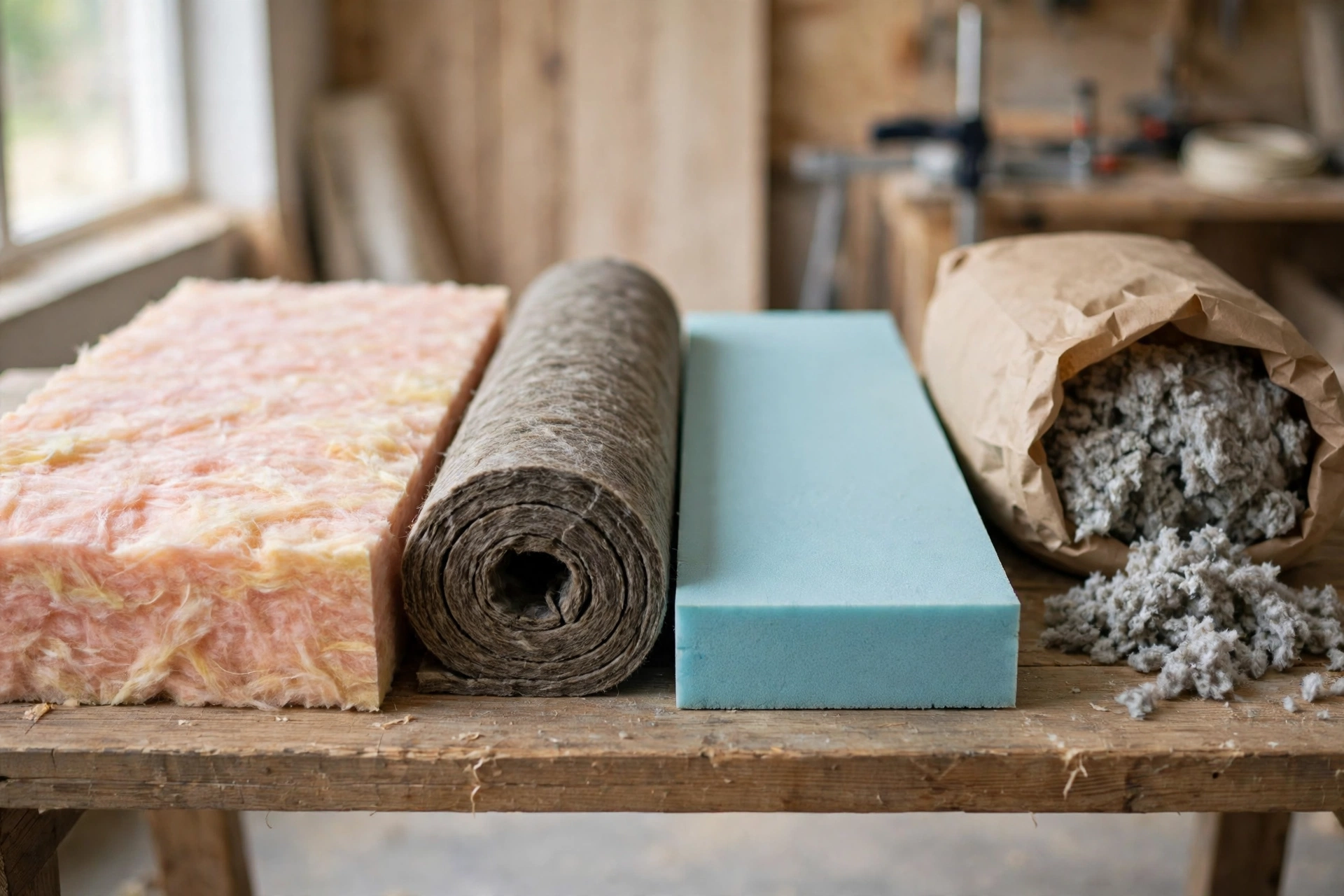
The main types of home insulation are batts and rolls, blown-in insulation, rigid boards, and spray foam, and each suits a different part of a home. Batts fit neatly between wall studs and joists, blown-in material fills awkward gaps, rigid boards suit flat surfaces, and spray foam seals cracks while it insulates.
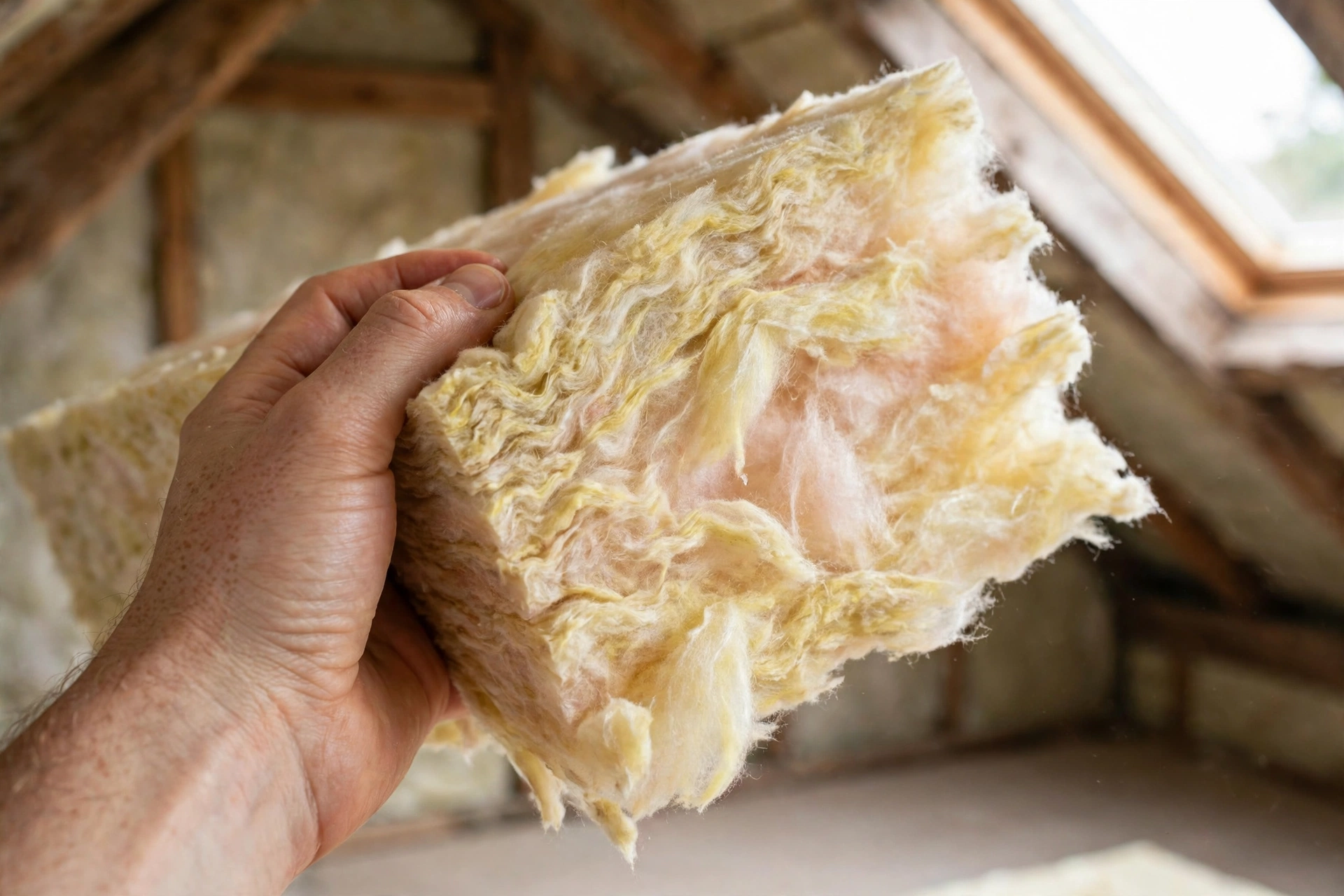
Batts and rolls are pre-cut blankets of material, often made from mineral wool or fibreglass, that fit between the studs of a wall or the joists of a floor or attic. They are the most familiar type and suit open, regular spaces. Blown-in insulation is loose material blown into place through a hose, which makes it ideal for attics and for existing walls with awkward cavities, since it fills corners that batts cannot reach. Rigid boards are firm panels that suit flat surfaces such as basement walls, flat roofs and under floors. Spray foam is sprayed as a liquid that expands and hardens, sealing small cracks and gaps as it insulates, but it usually needs specialist equipment and protective gear, so it is normally a professional job.
Where Insulation Goes in a Home
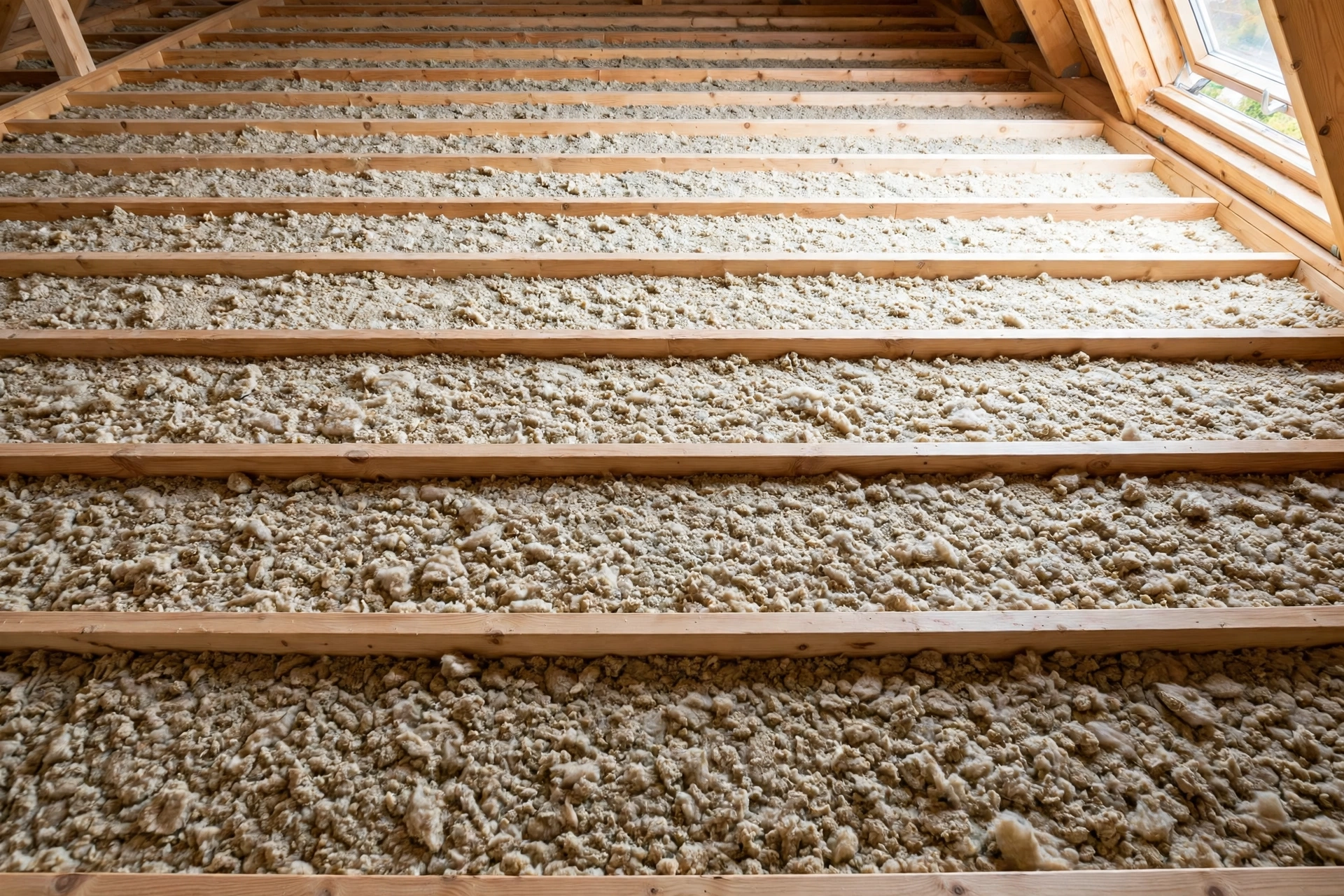
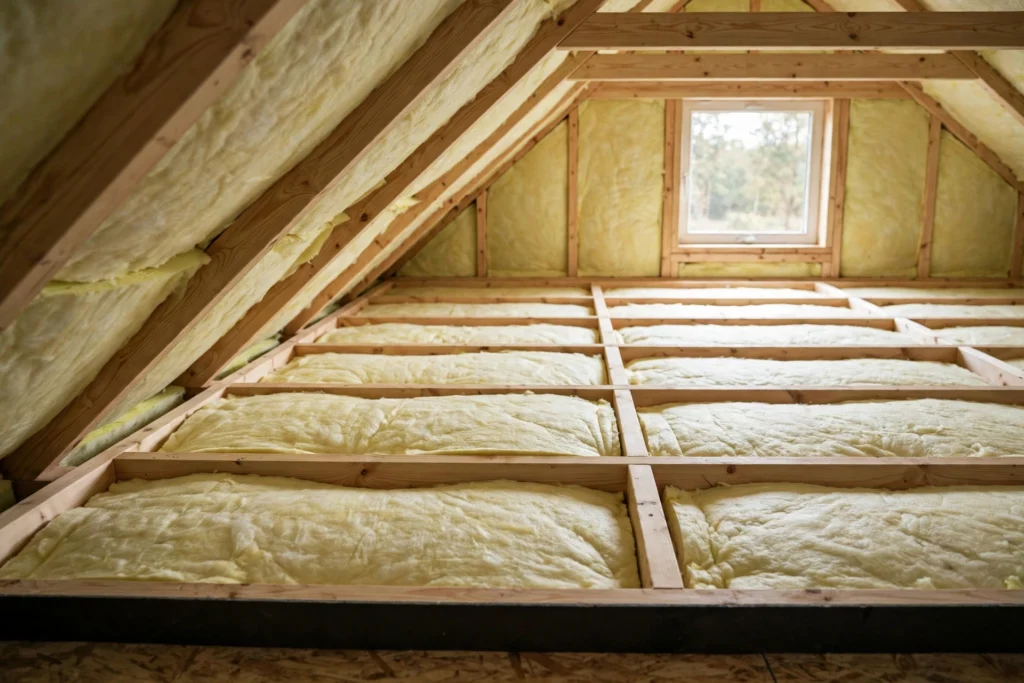
Insulation goes wherever heat can escape a home, most importantly in the attic or roof, in outside walls, under floors, and around pipes and tanks. The attic usually comes first, because warm air rises and a poorly insulated roof loses more heat than any other single part of a house.
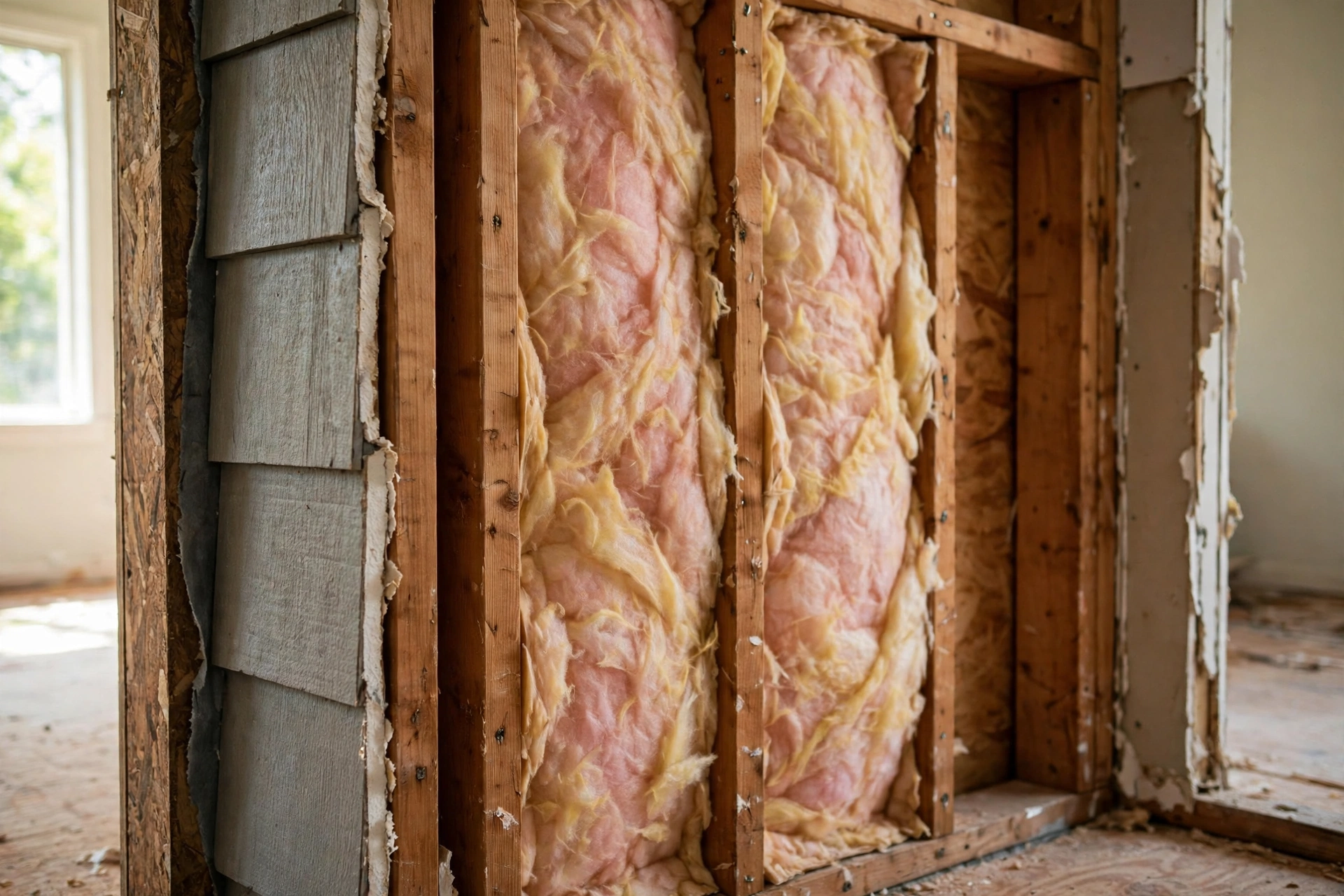
Outside walls are the next priority, since they make up the largest surface of most homes. In new homes, insulation is fitted inside the wall cavity or on its inner face during building. In older homes with solid walls, insulation may be added to the inside face or, less often, to the outside, which changes the look of the house and usually needs professional advice. Floors matter too, especially floors over unheated spaces such as garages or crawl spaces, where cold air below can chill the room above. Finally, insulating hot water pipes and tanks is a small job with a quick benefit, since it keeps stored hot water hot for longer.
R-Value Explained in Simple Terms
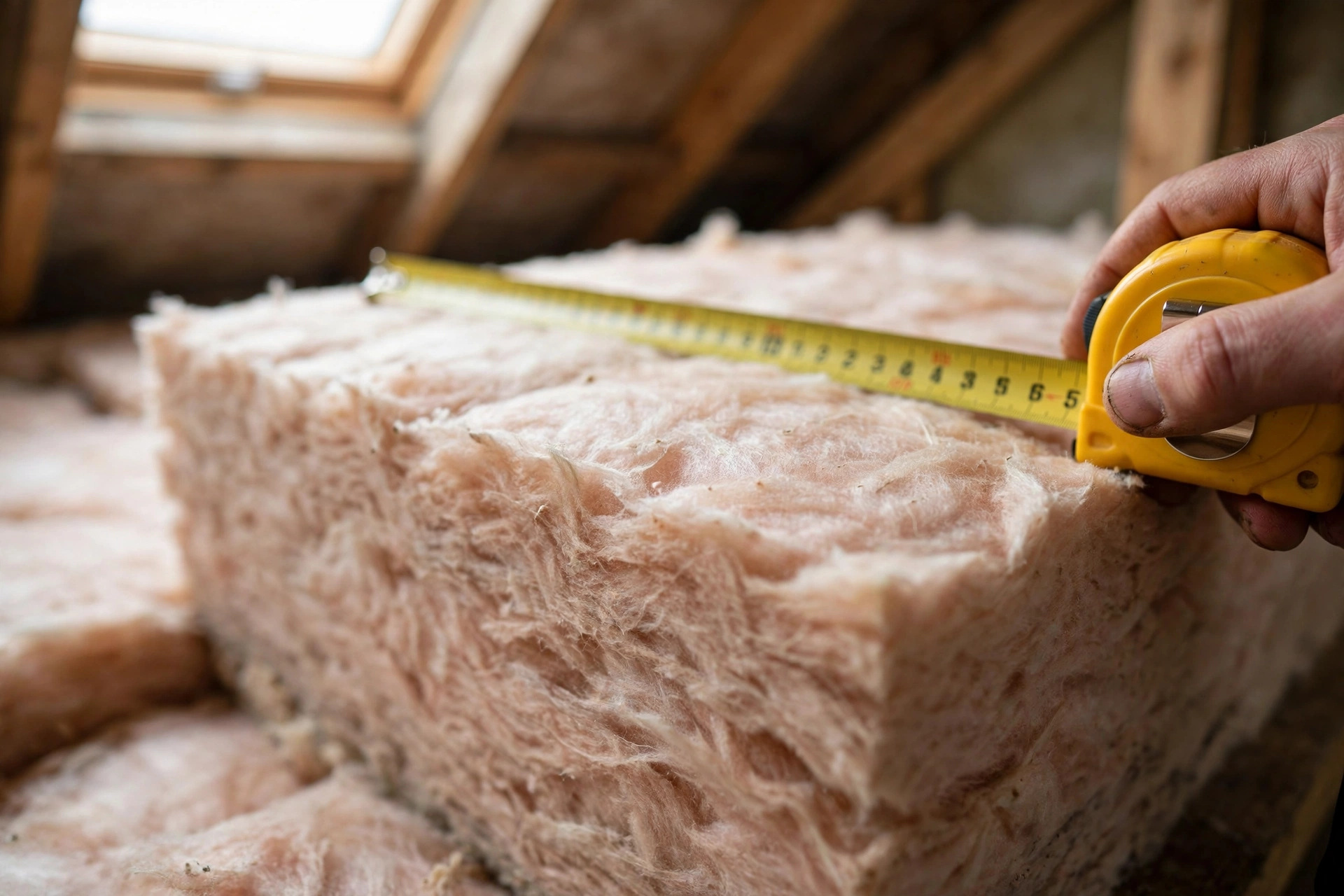
R-value is a measure of how well a material resists the flow of heat, and a higher R-value means better insulating power. Thicker insulation and materials that trap air more effectively generally have higher R-values, so comparing R-values helps you judge products fairly, though the right value for a home also depends on climate and where the insulation is fitted.
A useful way to think about R-value is as a resistance score. A thin, poor insulator has a low score, while a thick, effective one has a high score. Adding two layers together roughly adds their scores, which is why topping up an attic with a second layer improves it. However, R-value only tells part of the story. It does not measure air leaks, damp, or gaps in fitting, and a product with a good R-value that is badly fitted can perform worse than a simpler product fitted well. When comparing products, read the maker’s own figures for the exact thickness you plan to use, and remember that local building guidance, which varies by place, sets the levels expected for new work.
Thermal Insulation vs Sound Insulation

Thermal insulation slows heat flow, while sound insulation reduces noise passing through walls and floors, and although some materials do both jobs, they are not the same thing. Dense, heavy materials block sound best, while light, airy materials that trap still air insulate against heat best, so a product chosen for warmth may do little for noise.
Sound travels differently from heat. It passes through solid materials as vibration, so stopping it usually means adding weight, sealing gaps, and separating surfaces so vibration cannot travel straight through. A thick, dense layer on a party wall, for example, can cut down voices and television noise from next door. Heat, by contrast, is slowed by trapping still air, which is why fluffy, lightweight materials insulate so well. Many homes benefit from both: thermal insulation for comfort and bills, and targeted sound insulation in bedrooms, party walls and floors between storeys. If noise is your main problem, say so when choosing, rather than assuming any insulation will fix it.
Insulation Materials at a Glance
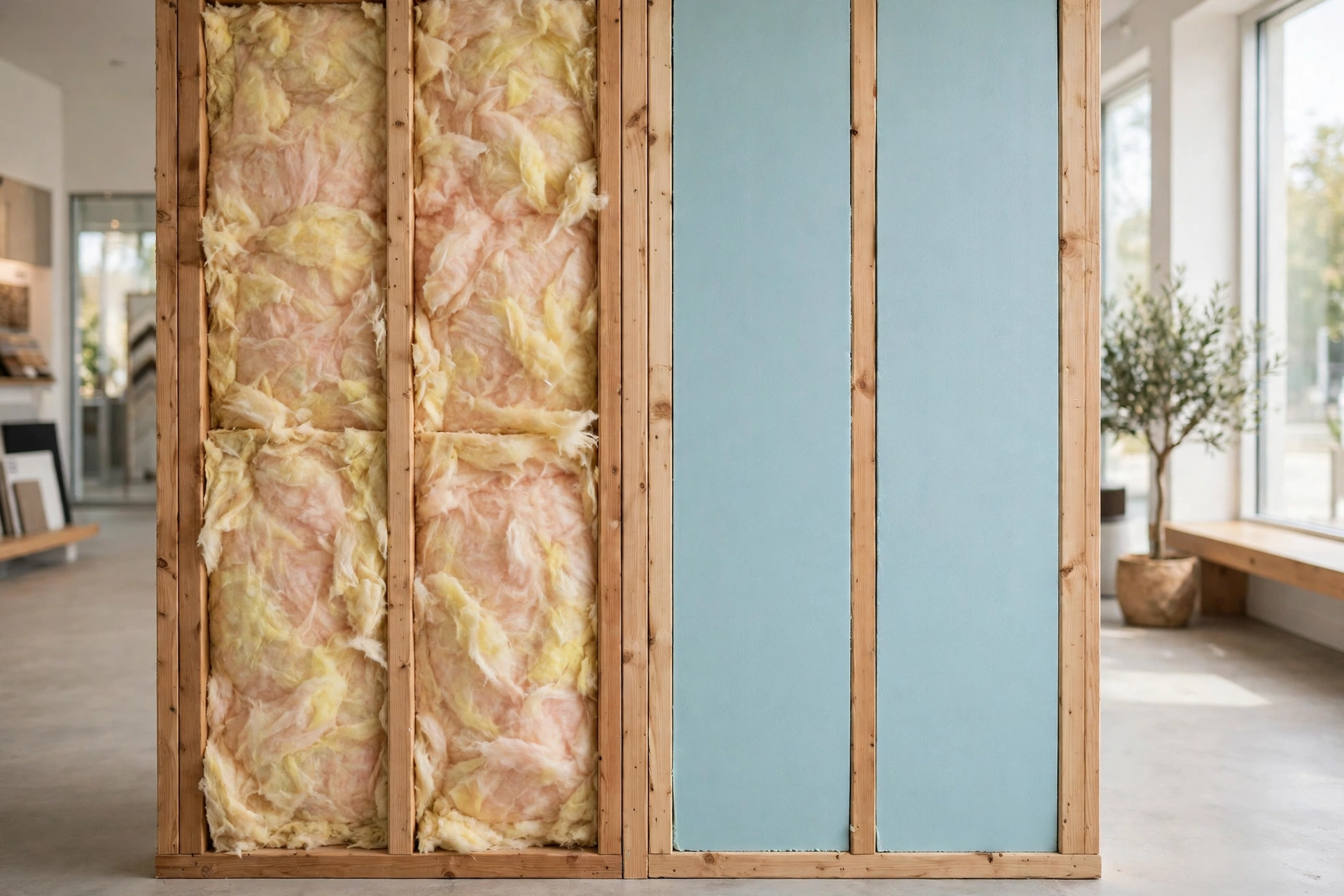
The table below compares the main insulation materials in simple terms, so you can see their strengths and limits side by side before choosing. Treat it as a starting guide, not a final decision, because the best material for your home depends on where it will go, your budget, and whether the work is new building or a retrofit.
| Material | Best for | Strengths | Things to watch |
|---|---|---|---|
| Fibreglass batts and rolls | Walls, attics, floors | Widely available, easy to fit in open spaces | Needs careful fitting, gaps cut performance |
| Mineral wool batts | Walls, attics, sound control | Good sound damping, handles heat well | Heavier, needs gloves and eye protection |
| Blown-in loose fill | Attics, existing cavities | Fills awkward gaps and corners | Needs blowing equipment, settles over time |
| Rigid foam boards | Flat walls, roofs, floors | Strong for its thickness, neat finish | Joints must be sealed, not for every cavity |
| Spray foam | Sealing gaps, irregular spaces | Seals cracks while insulating | Usually professional fitting, higher cost |
Signs Your Home May Have Poor Insulation

Signs of poor insulation include cold walls and floors, rooms that never feel warm however long the heating runs, draughts near windows and doors, and heating bills that seem high for the size of the home. Ice dams, damp patches, and rooms that are much colder upstairs or downstairs than elsewhere can also point to missing or thin insulation.
A simple check is to touch an outside wall on a cold day and compare it with an inside wall. If the outside wall feels noticeably colder, heat is escaping through it. Uneven snow melt on a roof can also be a clue, since a poorly insulated roof lets warmth escape and melt snow in patches, though roof shape and sun exposure affect this too. Damp patches deserve care rather than a quick diagnosis: they can come from leaks, condensation or poor ventilation as well as from missing insulation, so a persistent damp problem is worth a professional look before you spend money on insulation alone.
Choosing the Right Insulation for Your Home

Choosing the right insulation starts with the place it will go, because attics, walls and floors each suit different materials and thicknesses. Think next about moisture, since wet areas need materials that cope with damp, and about whether you will fit it yourself or hire a professional, because some types need specialist equipment and protective gear.
Budget matters, but it should not be the only guide. A cheaper material that is hard to fit well in your space may perform worse than a slightly dearer one that fits neatly. Also think about the future: if you plan to convert an attic or extend a room, the insulation you choose now should suit that later use. Finally, read product labels carefully. The label tells you the material, its thickness, its R-value, and where it is meant to be used, and that guidance matters more than any general claim on the packaging. If anything is unclear, ask the supplier or a qualified installer before ordering.
Common Mistakes With Home Insulation
Common insulation mistakes include leaving gaps and compressed patches, blocking ventilation, and fitting the wrong material in a damp place, all of which reduce performance more than most people expect. Insulation only works as a layer, so a wall that is insulated but has gaps around pipes, wires and corners can lose far more heat than its insulated area suggests.
Squashing batts into a space that is too small is another frequent error. Compressed insulation loses some of its trapped air and therefore some of its power, so it is better to use the right thickness for the space than to force a thick batt into a shallow gap. Blocking air vents is a serious mistake too: homes need controlled ventilation to carry away moisture, and sealing every vent can lead to damp and stale air. The aim is a home that is well insulated and sensibly ventilated, not one sealed shut. Finally, fitting insulation over damp or damaged surfaces without fixing the cause first traps the problem behind the new layer, where it gets worse unseen.
Homeowner Insulation Checklist
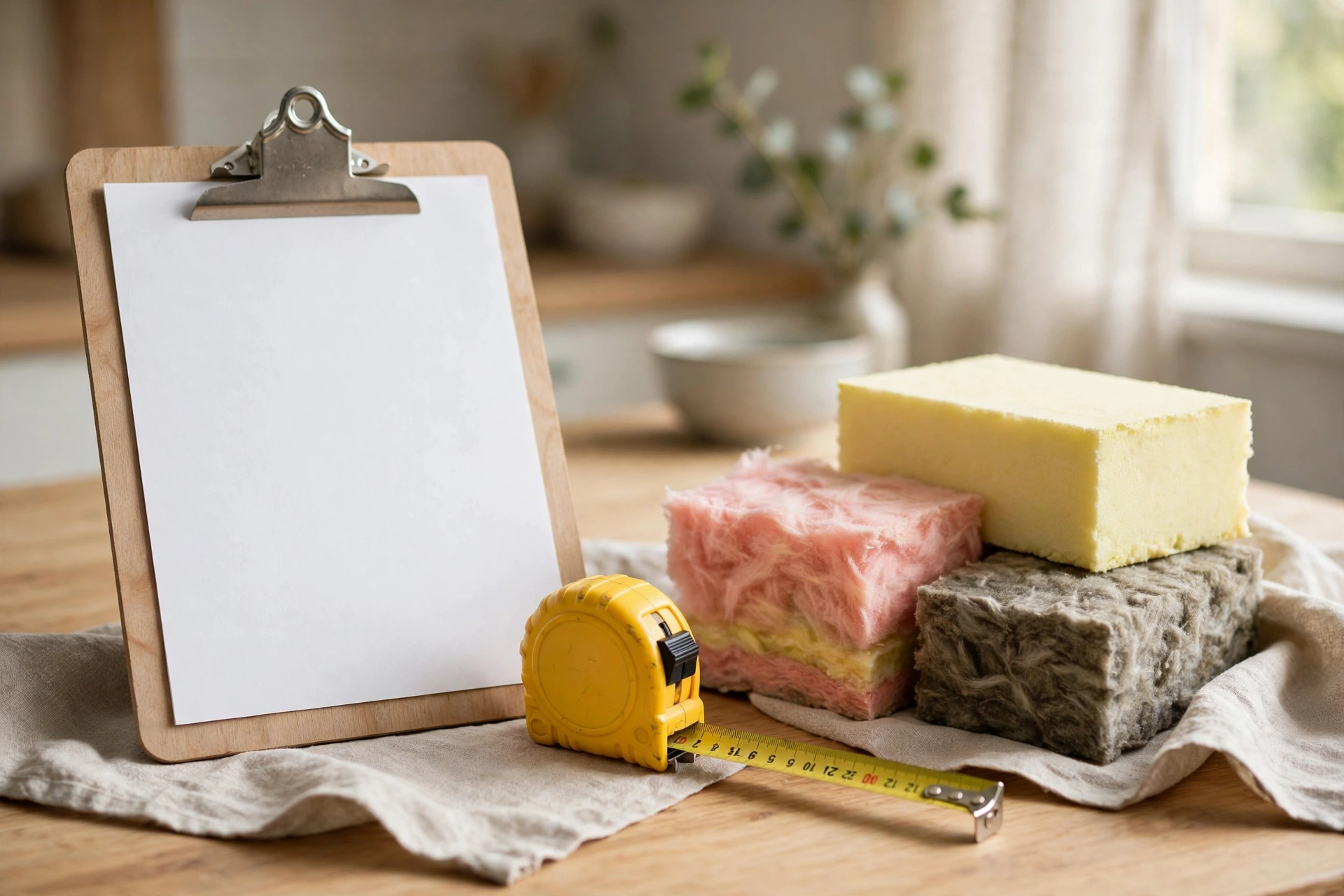
A short insulation checklist turns everything in this guide into a simple routine you can work through before spending money or starting work. It takes only a few minutes, and it catches the gaps, damp problems and wrong materials that cause most disappointing results and wasted effort.
Work through the list in order, and do not skip a step because a home “looks insulated”:
- Check the attic first: look for even, uncompressed coverage with no bare patches.
- Feel outside walls on a cold day and compare them with inside walls.
- Look for draughts around windows, doors, loft hatches and pipe entries.
- Note any damp patches, and fix leaks or ventilation problems before insulating.
- Decide the material by place: attic, wall, floor or pipe, not by price alone.
- Read the product label for thickness, R-value and where it is meant to be used.
- Plan ventilation: keep vents clear and ask a professional if you are unsure.
- Get a written quote for professional work, covering material, fitting and clean-up.
A home checked against this list is far more likely to end up warm, dry and comfortable. If any answer is missing or uncertain, pause and check rather than guess.
Conclusion
Insulation means slowing heat flow with materials that trap still air, fitted in roofs, walls and floors to keep a home comfortable and easier to heat and cool. Choose the material for the place it will go, keep the layer complete and dry, and check the signs of poor insulation before deciding whether to top up or start fresh.
Done well, insulation is a quiet improvement that you feel every day without seeing it: rooms that hold their warmth, bills that are easier to live with, and a home that feels even and settled in every season. Start with the attic, work through the checklist, and let the condition of your own home, not a single product claim, decide what it needs.
Frequently Asked Questions
What does insulation mean in simple terms?
Insulation means material fitted into a building to slow heat moving between inside and outside, keeping a home warmer in winter, cooler in summer, and cheaper to heat and cool.
How does insulation keep a house warm?
Insulation traps tiny pockets of still air, which heat passes through only slowly, so warmth made by your heating stays inside the home for much longer instead of escaping quickly.
What is the best type of home insulation?
There is no single best type, since attics, walls and floors suit different materials. Batts suit open spaces, blown-in material fills awkward gaps, and rigid boards suit flat surfaces.
What does R-value mean for insulation?
R-value measures how well a material resists heat flow, and a higher R-value means better insulating power. Thicker insulation and better air-trapping materials generally score higher.
How do I know if my home needs more insulation?
Cold walls, rooms that never feel warm, draughts, and high heating bills for the home’s size all suggest poor insulation, especially if the attic has thin or patchy coverage.
Disclaimer: This article is provided for general information only. It is not professional building, energy, or safety advice, and it does not promote any brand, product, or service. Insulation types, R-values, and suitability vary by product, region, and home, so always check the guidance for the specific product and seek qualified professional advice before insulating, especially for damp problems, ventilation, or work in confined spaces.