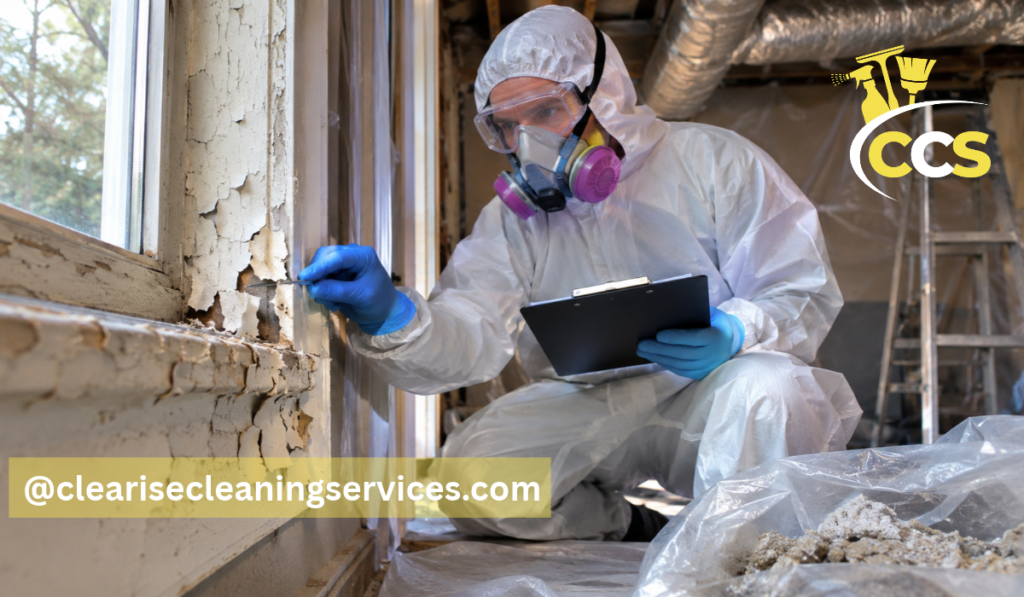
Older homes often contain building materials that were widely used before their health risks were fully understood. Two important examples are lead-based paint and asbestos-containing materials. Both can remain in a property for decades without obvious signs, making them important considerations when planning renovations, repairing damage, or buying an older home.
Understanding lead and asbestos removal starts with knowing where these materials may be found, how exposure occurs, and when professional assessment is necessary. The goal is not to remove every older material automatically. It is to identify potential hazards and manage them safely.
1. Where Can Lead and Asbestos Be Found?
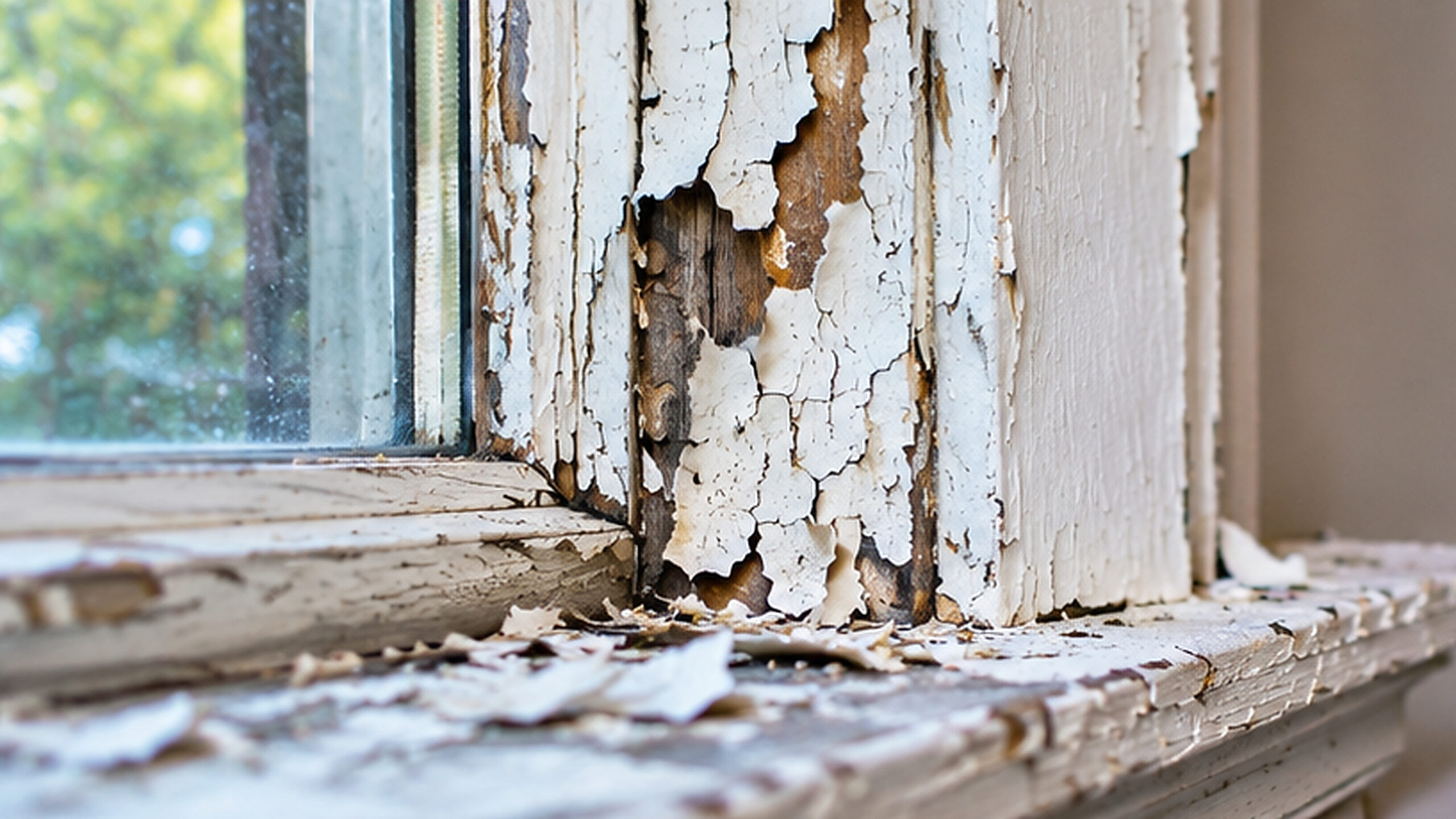
Lead-based paint was commonly used in residential buildings before the federal government banned its use in housing in 1978. It may remain on walls, doors, window frames, railings, and other painted surfaces. Deteriorating paint and friction around windows or doors can generate lead-contaminated dust.
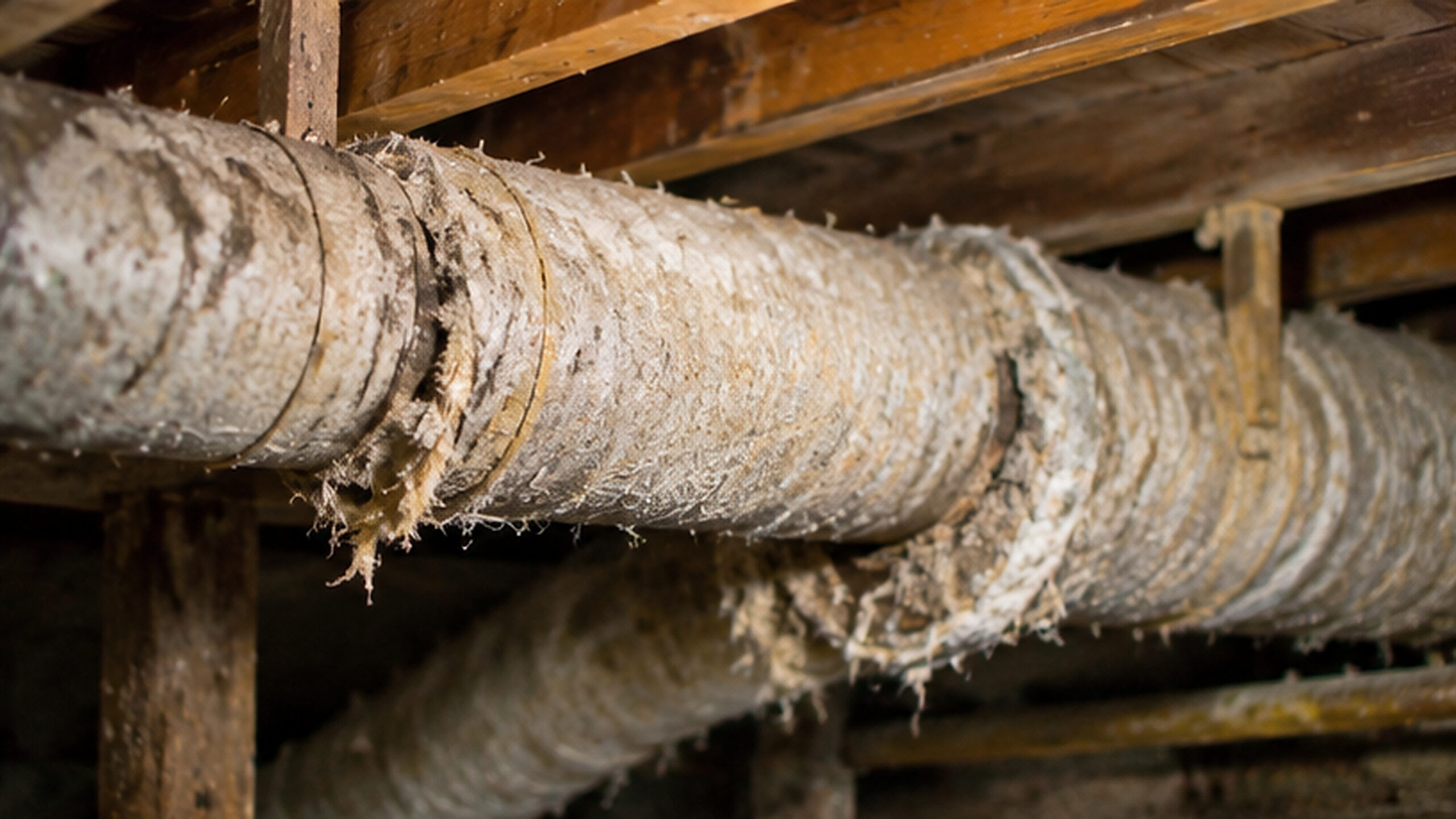
Asbestos was used in various building products because of its heat resistance and insulating properties. Older homes may contain it in pipe insulation, floor tiles, roofing materials, siding, and certain ceiling products.
The U.S. Environmental Protection Agency (EPA) reports that approximately 87% of homes built before 1940 contain some lead-based paint. The likelihood decreases in newer homes, but age alone cannot confirm whether a particular surface contains lead.
Asbestos is similarly difficult to identify by appearance. A material that resembles an asbestos-containing product may be asbestos-free, while some materials containing asbestos look ordinary.
2. What Health Risks Should Homeowners Understand?
Lead and asbestos pose different health risks and require different control measures.
Lead exposure can occur when contaminated dust or paint chips are inhaled or swallowed. Children are particularly vulnerable because lead can affect brain development, learning, behavior, and other aspects of health. Adults can also experience health effects, including problems involving the nervous system and kidneys.
Asbestos becomes a concern when microscopic fibers are released into the air and inhaled. Exposure can cause serious diseases, including asbestosis, lung cancer, and mesothelioma. These conditions may develop many years after exposure.
The presence of either material does not automatically mean that occupants are being exposed at a dangerous level. Intact lead-based paint that remains in good condition and undisturbed asbestos-containing material may be managed safely under appropriate circumstances. The priority is to prevent exposure, particularly during renovation or demolition.
3. Lead vs. Asbestos: Key Differences
| Factor | Lead-based paint | Asbestos-containing materials |
| Common locations | Painted walls, window frames, doors, railings | Pipe insulation, floor tiles, ceiling materials, roofing and siding |
| Main exposure concern | Contaminated dust and paint chips entering the body | Airborne fibers released from disturbed material |
| How it is identified | Professional paint inspection, risk assessment, or appropriate sample analysis | Inspection and laboratory analysis of material samples |
| When risk increases | Peeling, chipping, friction, sanding, or renovation | Damage, cutting, drilling, sanding, or removal |
| Possible control measures | Repair, enclosure, encapsulation, or professional abatement | Management in place, encapsulation, enclosure, or professional removal |
| Important precaution | Prevent lead dust from spreading | Avoid disturbing suspected asbestos-containing materials |
These materials should never be treated as interchangeable. The assessment, containment procedures, protective equipment, and disposal requirements depend on the specific hazard and applicable regulations.
4. How Can You Identify Potential Hazards?
The safest first step is to determine the property’s age and identify materials that may be affected by planned work.
For lead, the EPA recommends hiring a certified lead-based paint inspector or risk assessor when confirmation is needed. An inspection can identify where lead-based paint is present, while a risk assessment evaluates lead hazards from paint, dust, and soil.
For asbestos, homeowners should not collect samples themselves. The EPA recommends having suspected materials sampled by a trained and accredited asbestos professional when they are damaged or when planned renovations could disturb them. A qualified laboratory then analyzes the samples.
Warning signs such as peeling paint, crumbling insulation, damaged ceiling materials, or deteriorating floor coverings deserve attention. However, visual appearance alone cannot confirm the presence or absence of either substance.
5. Why Professional Lead and Asbestos Removal Matters
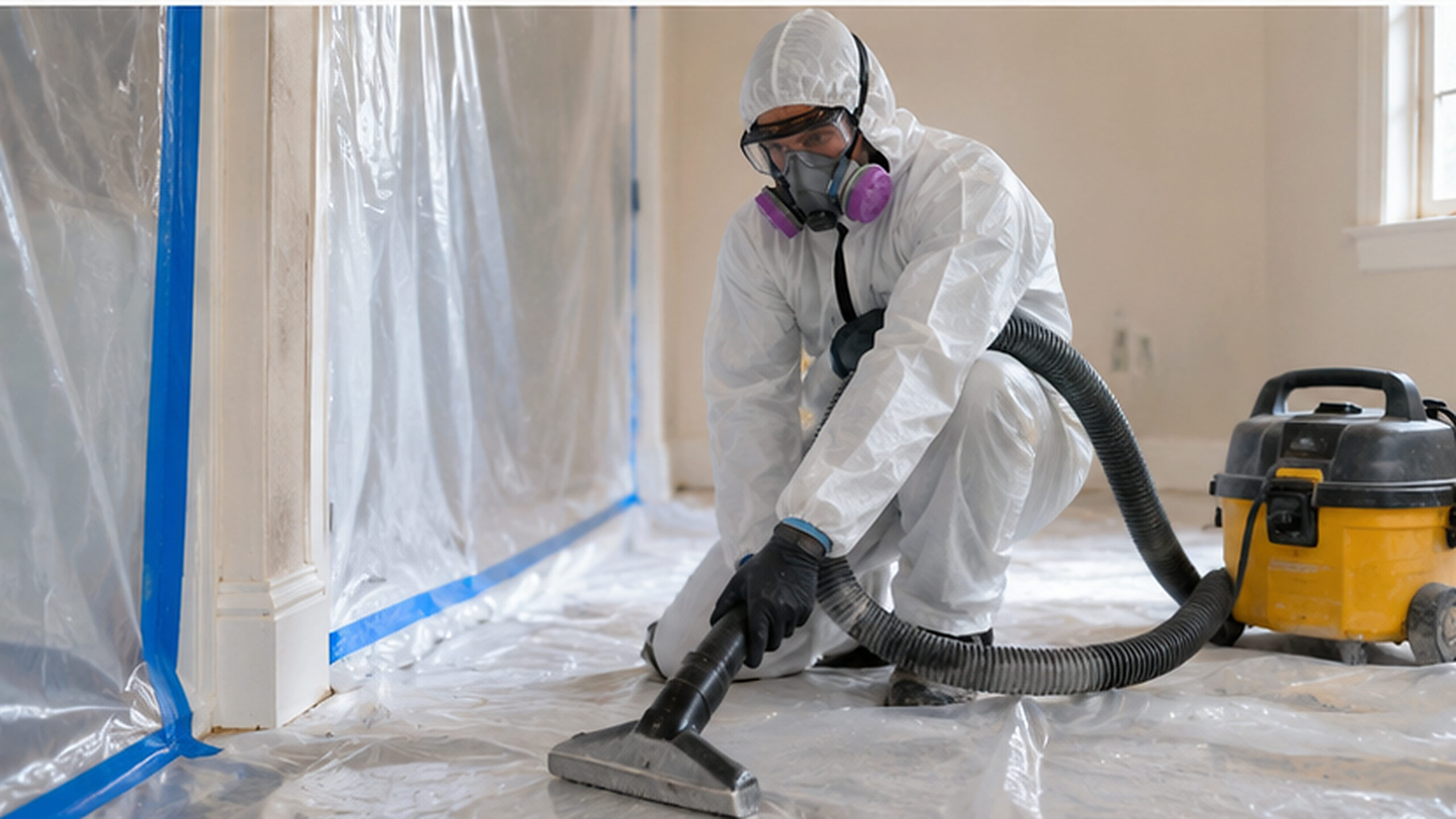
Removing hazardous materials without proper precautions can create a greater exposure problem than leaving intact materials undisturbed.
Lead paint sanding, scraping, and demolition can generate fine dust that settles on floors, furniture, and other surfaces. EPA’s Renovation, Repair and Painting Rule generally requires covered firms performing work that disturbs lead-based paint in pre-1978 target housing and child-occupied facilities to be lead-safe certified.
Asbestos work requires a different approach. Depending on the material and scope of work, professionals may use controlled work areas, appropriate containment, specialized protective equipment, and regulated waste-handling procedures.
Not every project requires complete removal. Lead hazards may sometimes be addressed through suitable encapsulation or enclosure. Asbestos-containing materials in good condition may be safer to manage in place rather than disturb.
The appropriate solution depends on the inspection findings, the material’s condition, planned renovations, and applicable state and federal requirements.
6. What Should You Do Before Renovating an Older Home?
Before starting demolition, replacing windows, removing flooring, or opening walls, follow these practical steps:
- Establish the building’s age. Homes built before 1978 may contain lead-based paint, while older construction materials may contain asbestos.
- Arrange the appropriate assessment. Use qualified professionals to investigate suspected lead or asbestos before disturbing affected materials.
- Avoid DIY removal. Do not sand suspected lead paint or cut, drill, scrape, or break materials that may contain asbestos.
- Confirm contractor qualifications. Ask about relevant certifications, containment procedures, worker protection, and waste disposal.
- Verify the cleanup process. Ask what inspection, testing, or documentation will confirm that the work area has been handled appropriately.
These steps help homeowners make informed decisions without assuming that every older building requires extensive removal.
Protect Your Property With Mold Master Restoration
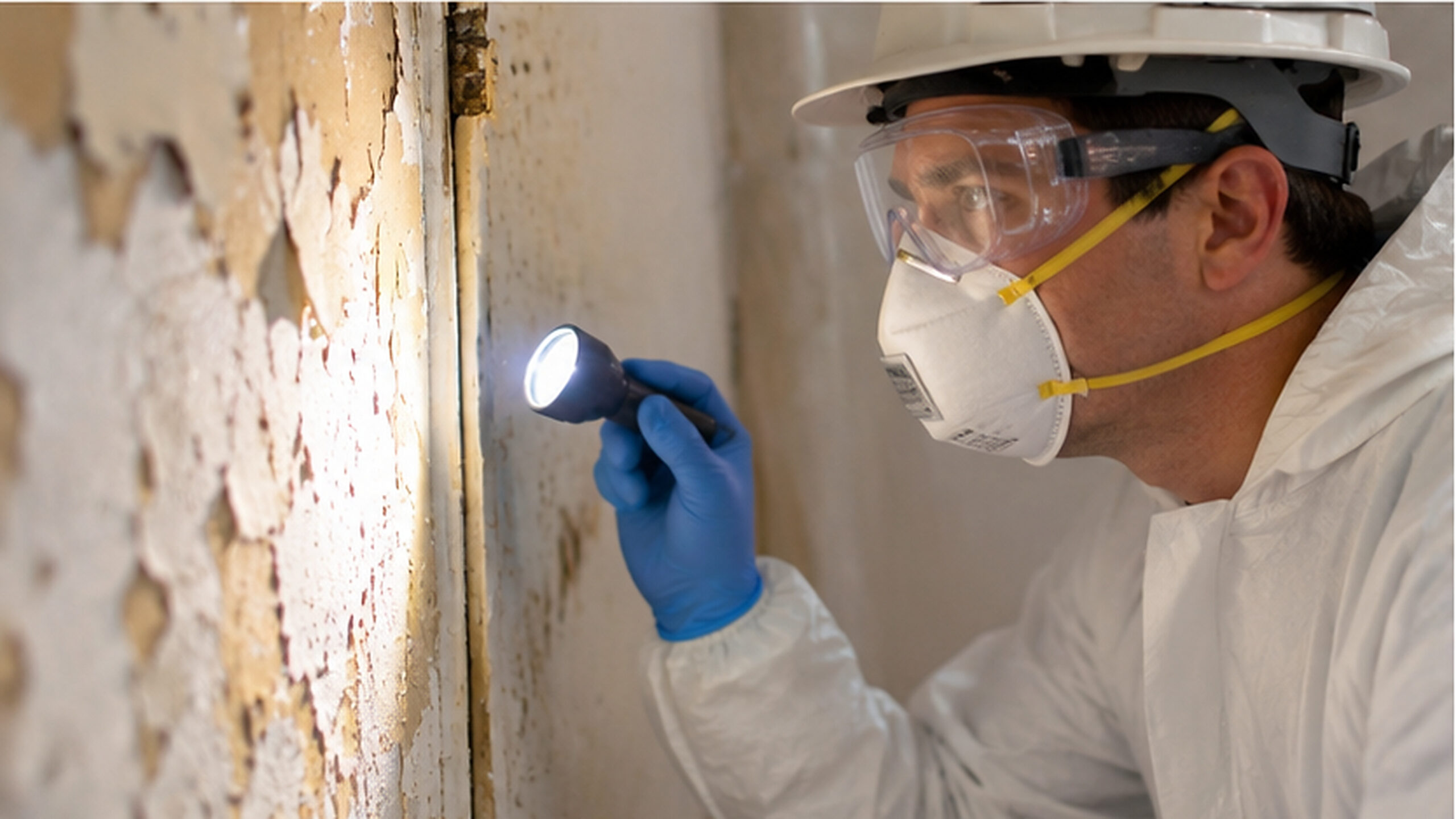
Planning lead and asbestos removal begins with identifying the materials involved and understanding whether they present an exposure risk. Professional assessment helps determine whether the appropriate response is continued monitoring, containment, repair, or removal.
Mold Master Restoration lists lead paint removal, asbestos removal, and asbestos testing among its services in New Jersey. The company also provides restoration services for properties affected by water damage and other building-related problems.
If you are preparing an older home for renovation or have concerns about potentially hazardous building materials, contact Mold Master Restoration to discuss your property’s needs and confirm which assessment and removal services are appropriate.
Call 551-222-0773 or visit Mold Master Restoration to learn more about its services.
A careful assessment and a properly planned response can help reduce exposure risks while allowing necessary repairs and renovation work to proceed responsibly.
Thanks for visiting Clearise Cleaning Services! Discover more helpful tips and expert cleaning insights by exploring our related categories.