
Gutters are one of those parts of a house that most people barely notice until something goes wrong. They sit quietly along the roof edge, catching rain and carrying it away, and a home can look perfectly fine without them for a long time.
That is exactly why the question comes up so often: are gutters necessary on a house, or are they just a standard feature that builders add out of habit? The honest answer is that it depends on the house, the roof, the climate and the ground around it. In this guide we look at what gutters actually do, what happens when a house has none, the situations where a home may manage without full gutters, and the signs that tell you your own house needs them.
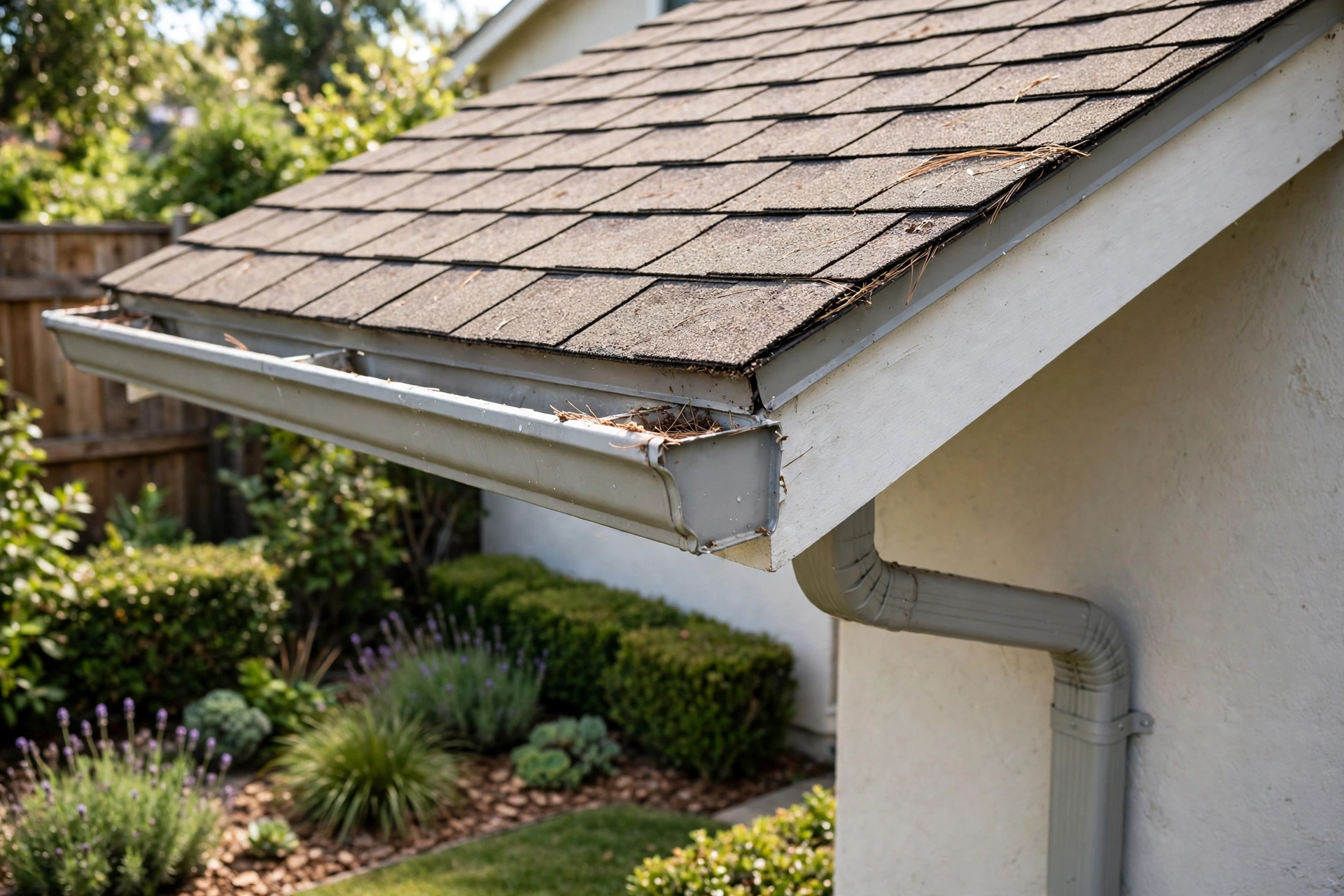
The Short Answer: Are Gutters Necessary on a House?
For most houses, yes, gutters are necessary, because a roof collects a large amount of rainwater and dumps it in a narrow line right beside the walls and foundation if nothing catches it. That concentrated water can splash soil, stain siding, wear away the ground and keep the base of the house damp over time.
Some homes in dry climates, or with very wide overhangs and well-sloped ground, may manage without full gutters, but those are the exception rather than the rule. If you are unsure, it is safer to assume your house benefits from them.
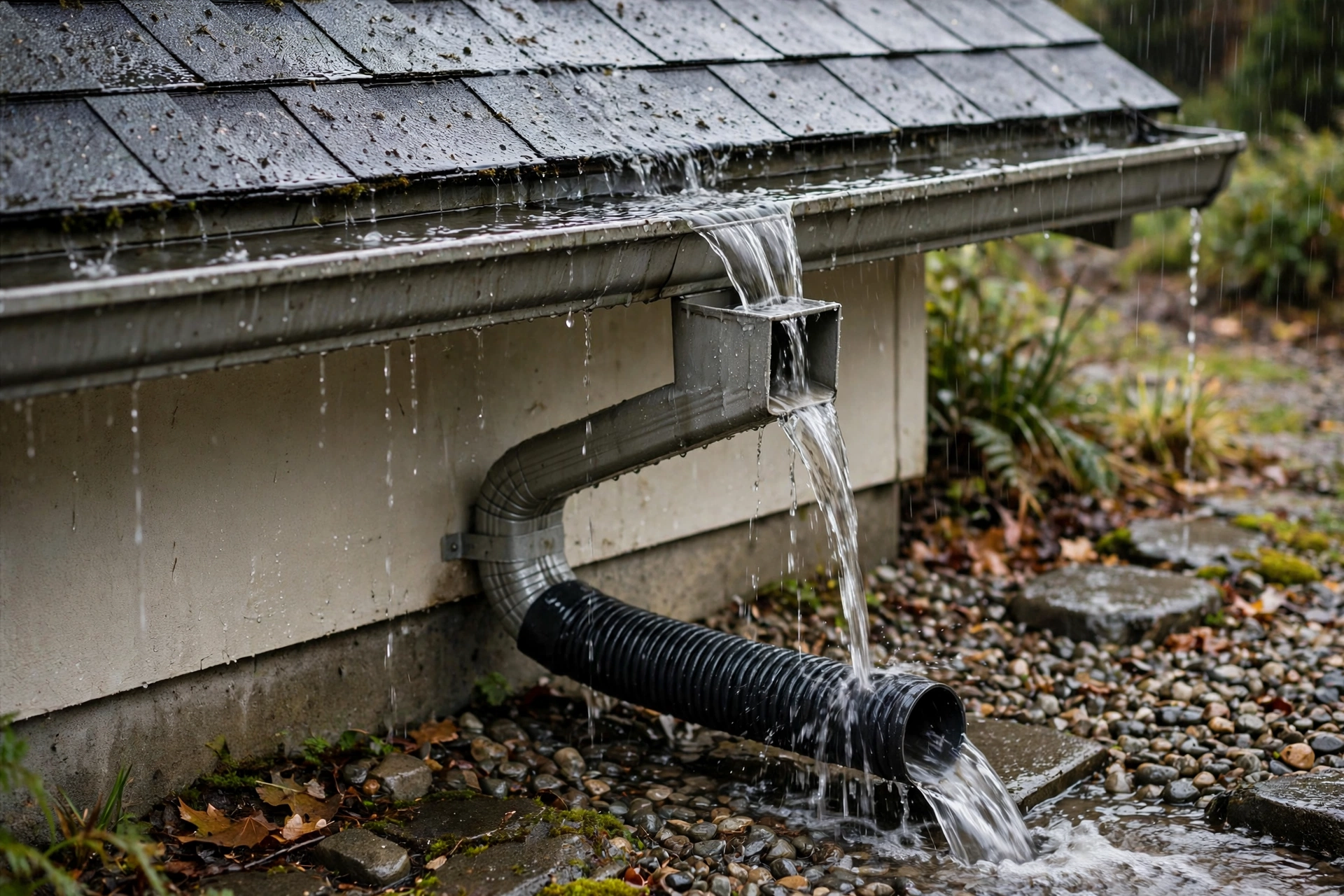
What Gutters Actually Do
Gutters do one simple job, and they do it every time it rains: they catch the water running off the roof and move it to a downspout, which carries it to the ground at a chosen spot away from the house.
Without them, the same water falls straight off the roof edge in a sheet, landing in the same narrow strip of ground again and again. A gutter system spreads that job out: the channel collects the water along the whole roof edge, the downspout moves it down in a controlled stream, and an extension or drain can carry it further from the walls. The point is control — deciding where roof water goes, instead of letting it fall wherever gravity takes it.
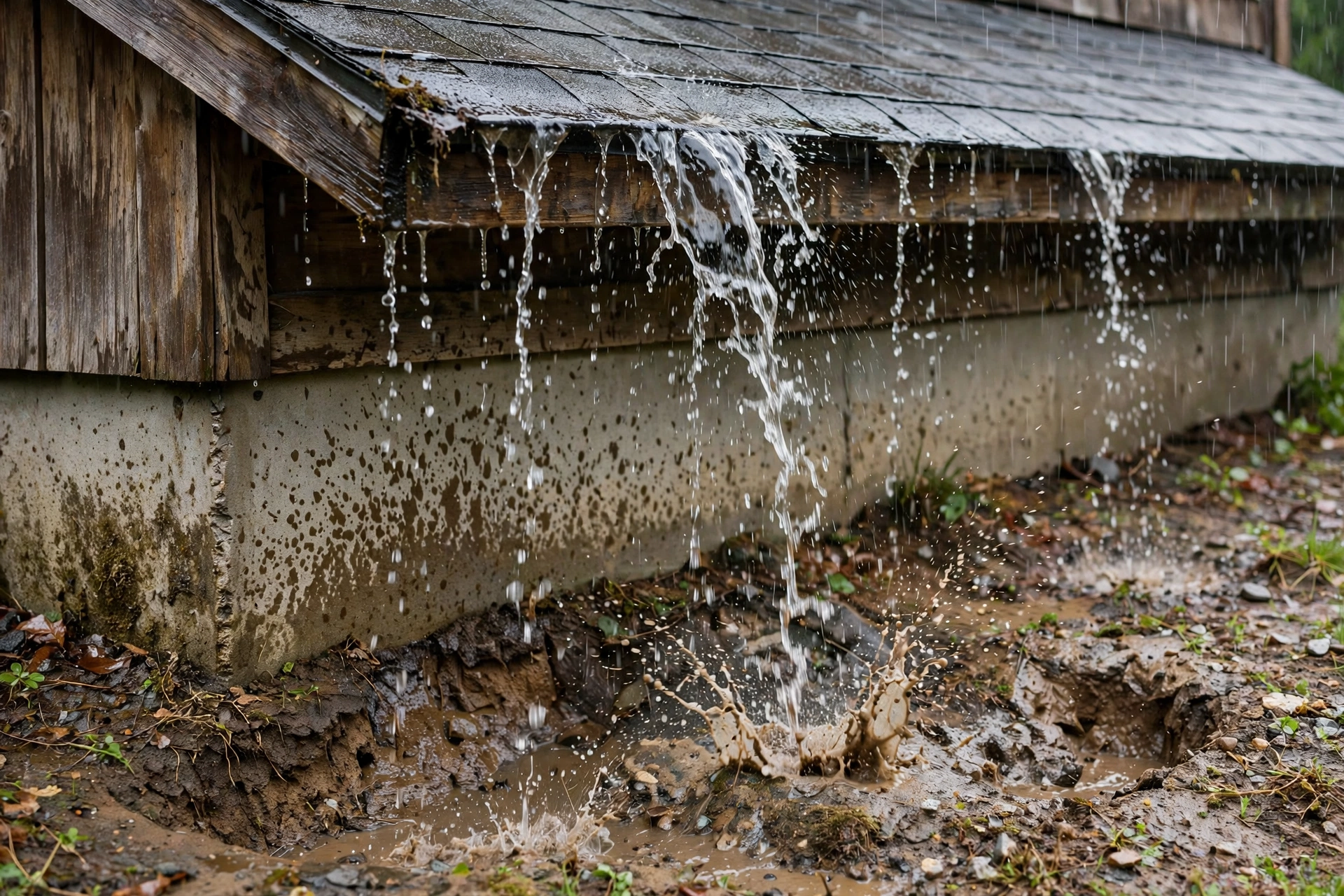
What Happens When a House Has No Gutters
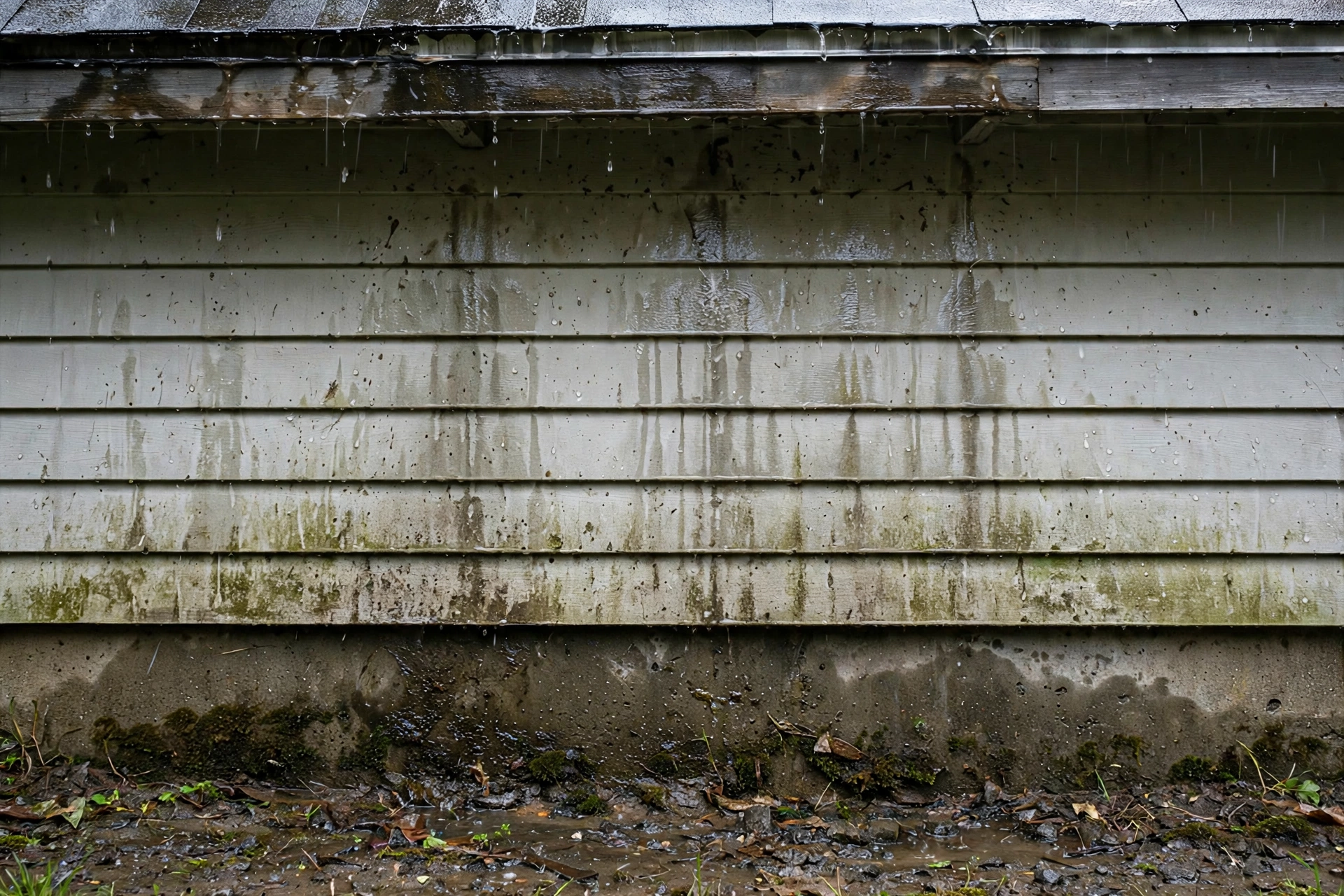
When a house has no gutters, roof water lands right beside the foundation, and over time that repeated pounding digs small channels in the soil and splashes mud up onto the lower walls. The ground next to the house stays wet for longer after rain.
That damp can lead to patches, staining and, in basements, moisture problems that are hard to trace back to a missing gutter.
Soil can also wash away from under paths and patios near the walls, leaving them uneven. None of this happens after a single storm; it is the slow, repeated effect of season after season of uncontrolled water that causes the trouble, which is why it is easy to miss until the damage is visible.
Where Gutters Matter Most
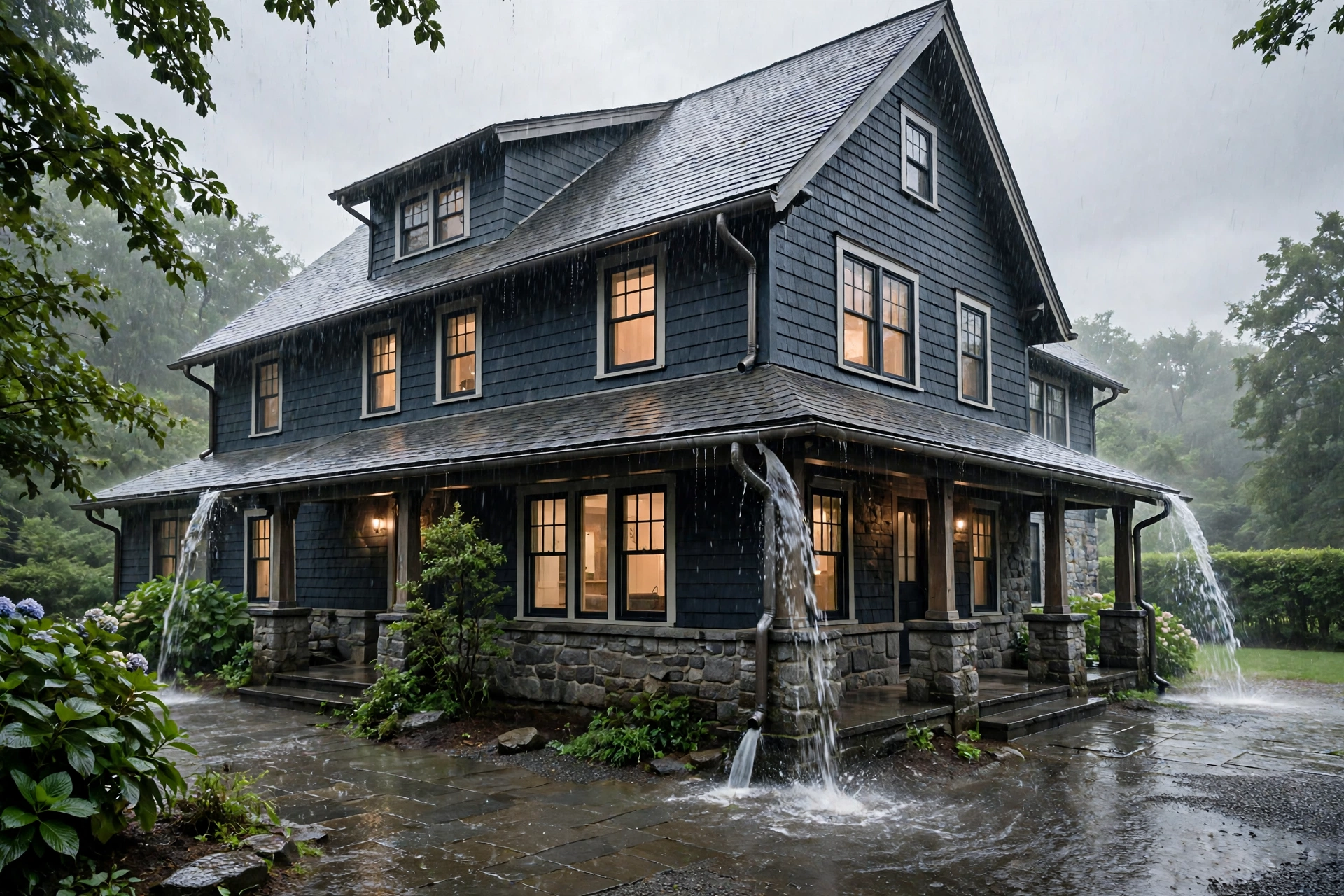
Gutters matter most on houses with large or steep roofs, because a bigger roof collects more water and a steeper slope sends it off the edge faster and harder. They also matter more where rainfall is heavy or very frequent.
This is especially true where the ground around the house is flat or slopes back toward the walls, and where there is a basement or a lower level that sits close to the soil. Homes with soft soil, flower beds or mulch right against the walls feel the effect sooner too, since loose material washes away easily. In short, the more water your roof sheds, and the less the ground can cope with it, the more your house needs gutters.
When a House May Manage Without Full Gutters
Some houses do manage without full gutters, and it is worth understanding why before assuming every home must have them. A house in a dry climate with little rainfall puts far less water against its walls, so the risk is naturally lower.
Very wide roof overhangs can also help, because they drop the water further from the walls, especially when the ground beneath slopes gently away from the house. Well-drained, gravelly soil and a good slope away from the foundation add to that protection. Even then, this is a combination of favourable conditions, not a single feature — one dry-climate advantage does not cancel out flat ground or a basement, and removing existing gutters on a house that already has them is rarely a good idea.

Alternatives to Standard Gutters
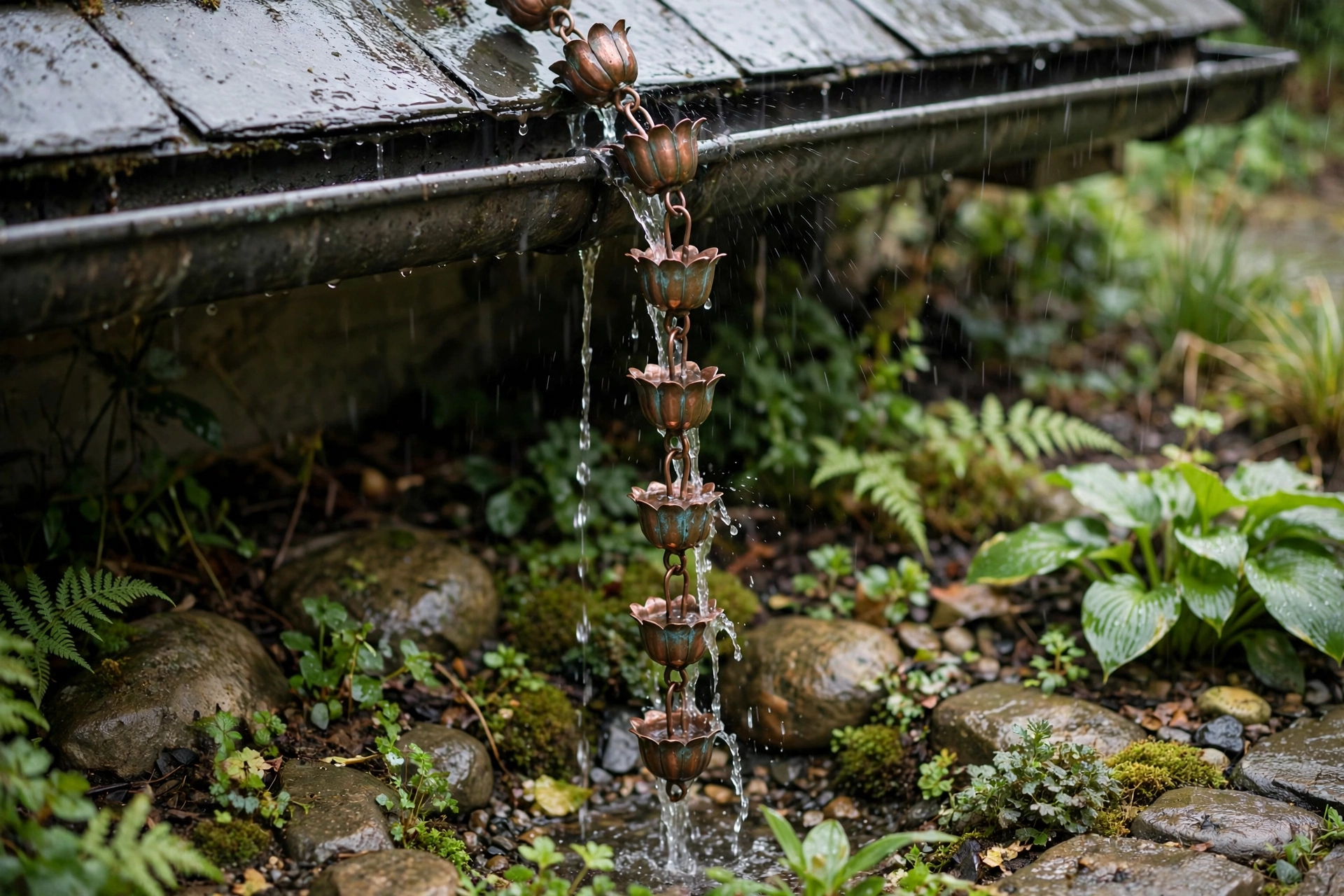
If standard gutters do not suit a house, there are alternatives, though each one still has to answer the same question: where does the roof water go? Rain chains guide water down from the roof edge in a visible stream into a drain or garden bed.
They suit lighter rainfall and homes where looks matter, but they can splash in heavy rain and still need a drain at the bottom.
Ground-level options, such as a gravel strip or a shallow channel that carries water away from the walls, can work where the ground slopes well. A drip edge along the roof can help water fall cleanly rather than running back under the roof. None of these is a magic replacement for gutters on a wet-climate house, and each one works best when the ground drainage is already good.
| Option | How it works | Best for |
|---|---|---|
| Standard gutters and downspouts | Collect roof water and carry it to a chosen spot | Most houses, especially in wet climates |
| Rain chains | Guide water down visibly into a drain or bed | Light rainfall, decorative spots |
| Gravel strip or ground channel | Let water land and drain away from walls | Dry climates, well-sloped ground |
| No system, wide overhangs only | Water falls clear of the walls | Dry climates with good grading |
Signs Your Home Needs Gutters
There are several clear signs that a home needs gutters, or that its existing gutters are not doing their job. Look for mud splashed up the lower walls after rain, soil washed away in a line beneath the roof edge, or paths and beds that keep sinking near the house.
Damp patches on lower walls, peeling paint near the base of the walls, or a musty smell in a basement after wet weather can all point to water sitting against the house. Water pouring over a doorway, or a stream running across a path every time it rains, is another obvious clue. If you see one or two of these signs, it is worth getting the roof edge and ground drainage checked by a professional before the problem grows.
Ground Drainage and Grading Still Matter
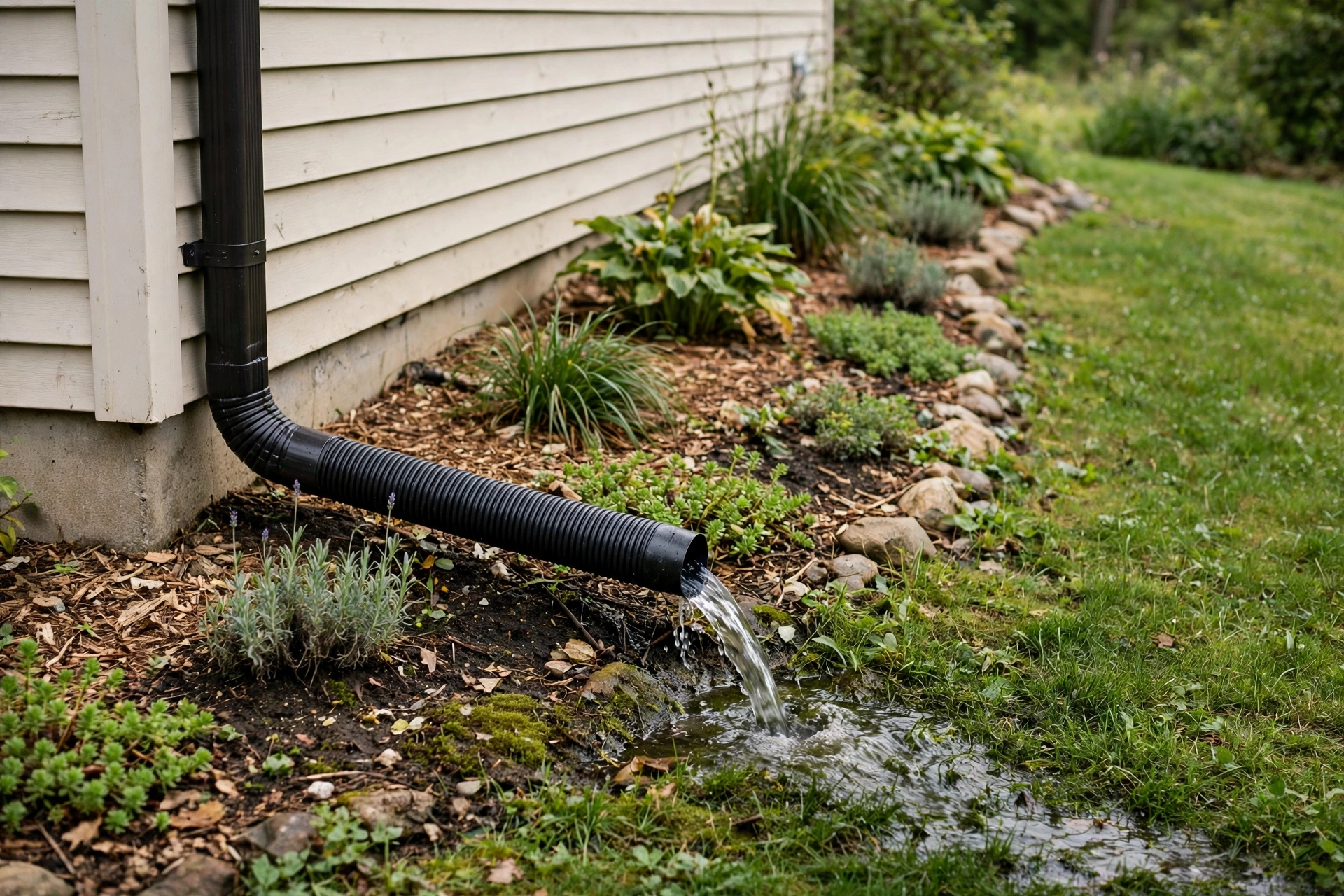
Gutters alone do not solve water problems, because a downspout that empties right beside the foundation just moves the problem a short distance. Good ground drainage means the soil slopes gently away from the house so water runs off rather than pooling, and downspout extensions carry the water further out onto the lawn or into a drain.
This is also why a house with gutters can still suffer damp problems: if the ground slopes back toward the walls, or a downspout is blocked or broken, water still ends up where it should not be. Think of gutters and grading as a team — gutters control the water coming off the roof, and grading controls where it goes once it reaches the ground.
Do Gutters Affect Your Home’s Look and Value?
Gutters do affect how a house looks, though usually in a quiet way: well-kept gutters that match the roof edge blend in and make a house look cared for, while sagging, stained or missing gutters stand out for the wrong reasons.
Buyers and surveyors tend to notice water damage, stained walls and washed-out soil more than the gutters themselves, so the real effect on value comes through the damage that missing or broken gutters allow. A house that shows signs of water sitting against its walls can raise questions about damp and foundations, which are expensive worries for any buyer. Keeping gutters in good shape is therefore less about looks and more about protecting the house behind the looks.
What Affects the Cost of Adding Gutters
The cost of adding gutters depends on several factors, and no single figure fits every house, so it is best to get local quotes rather than rely on a general number. The size and shape of the roof matter most, since a larger roof needs longer runs and more downspouts, and corners, valleys and multiple levels add work.
The material chosen also changes the cost, as does whether the gutters are sectional or made in one continuous run. Access matters too: a tall or awkwardly shaped house takes longer to work on safely. Finally, extra work such as fixing fascia boards, adding guards, or improving ground drainage can add to the total, so a proper survey of the house gives a far better picture than any rough guess.
Common Mistakes With Gutters
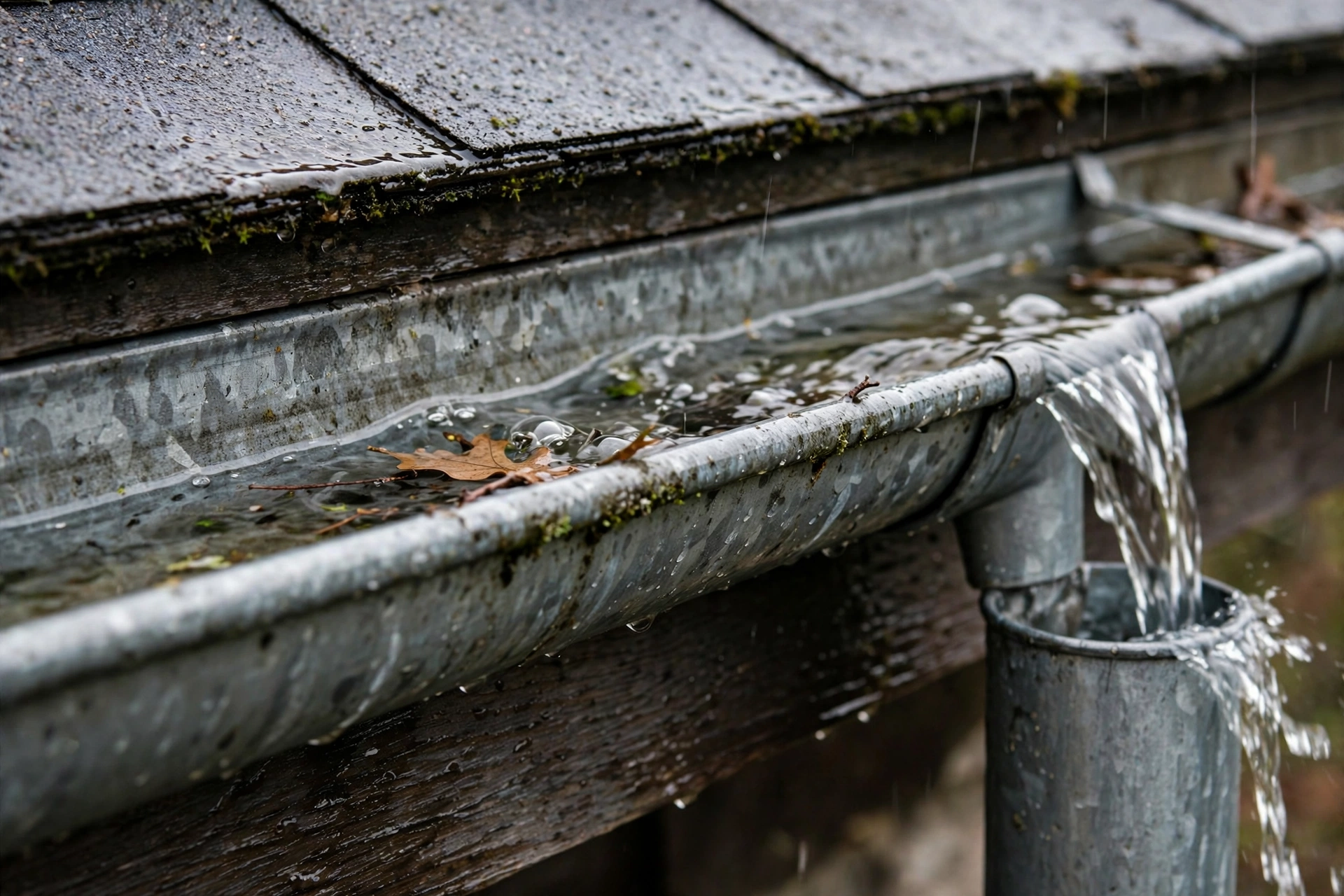
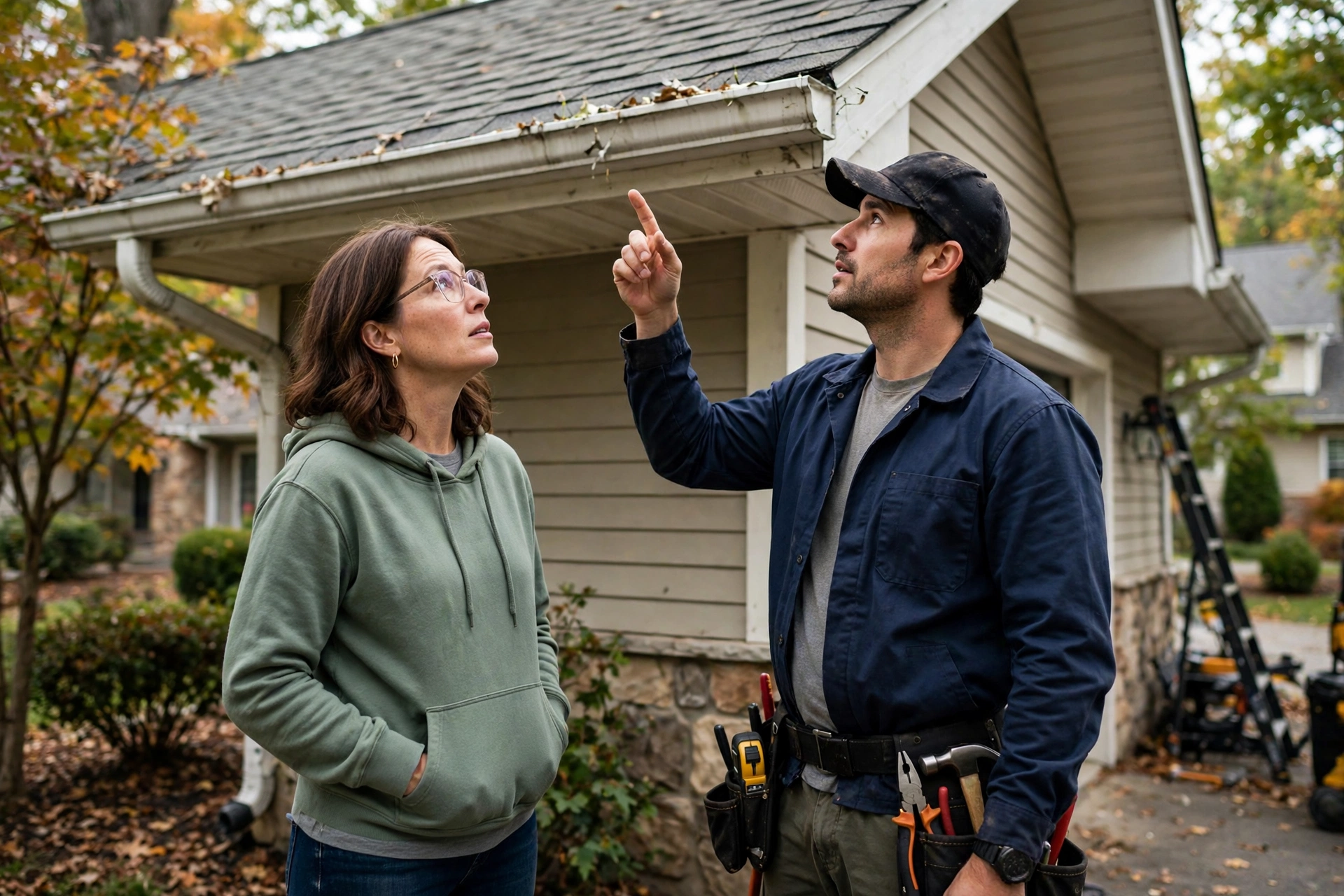
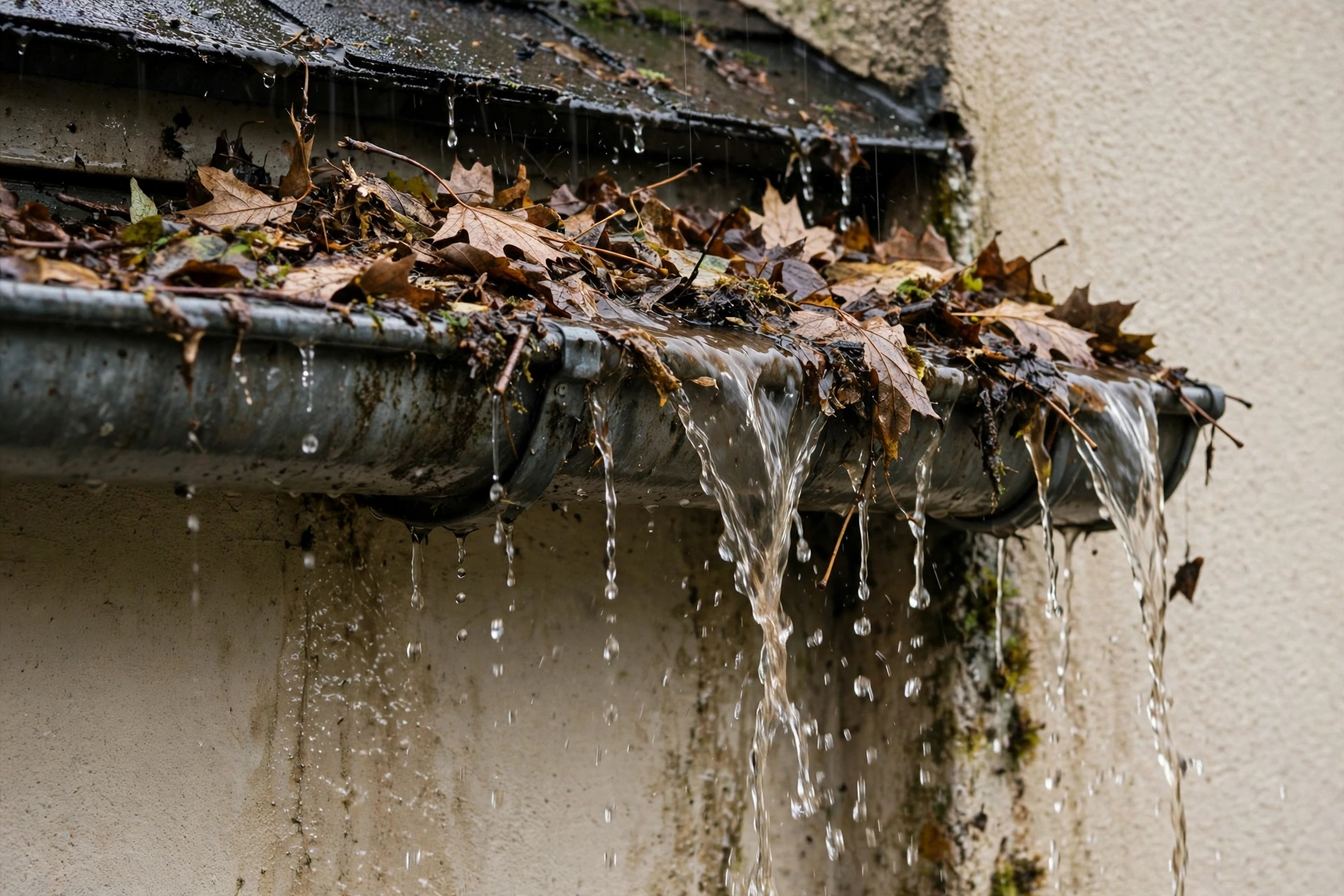
The most common gutter mistake is fitting them and then forgetting them, because a blocked gutter overflows in exactly the same place an absent gutter would pour water. Leaves, moss and debris build up quietly, joints loosen, and downspouts clog, so a system that looks fine from the ground can be failing above.
Another mistake is a downspout that ends too close to the wall, sending all the collected water straight back to the foundation it was meant to protect. Poorly sloped runs that hold standing water, gutters fixed to rotten fascia, and guards fitted over already-blocked channels all cause similar trouble. Regular checks, especially after autumn leaf fall and heavy storms, catch most of these problems early.
A Simple Decision Checklist
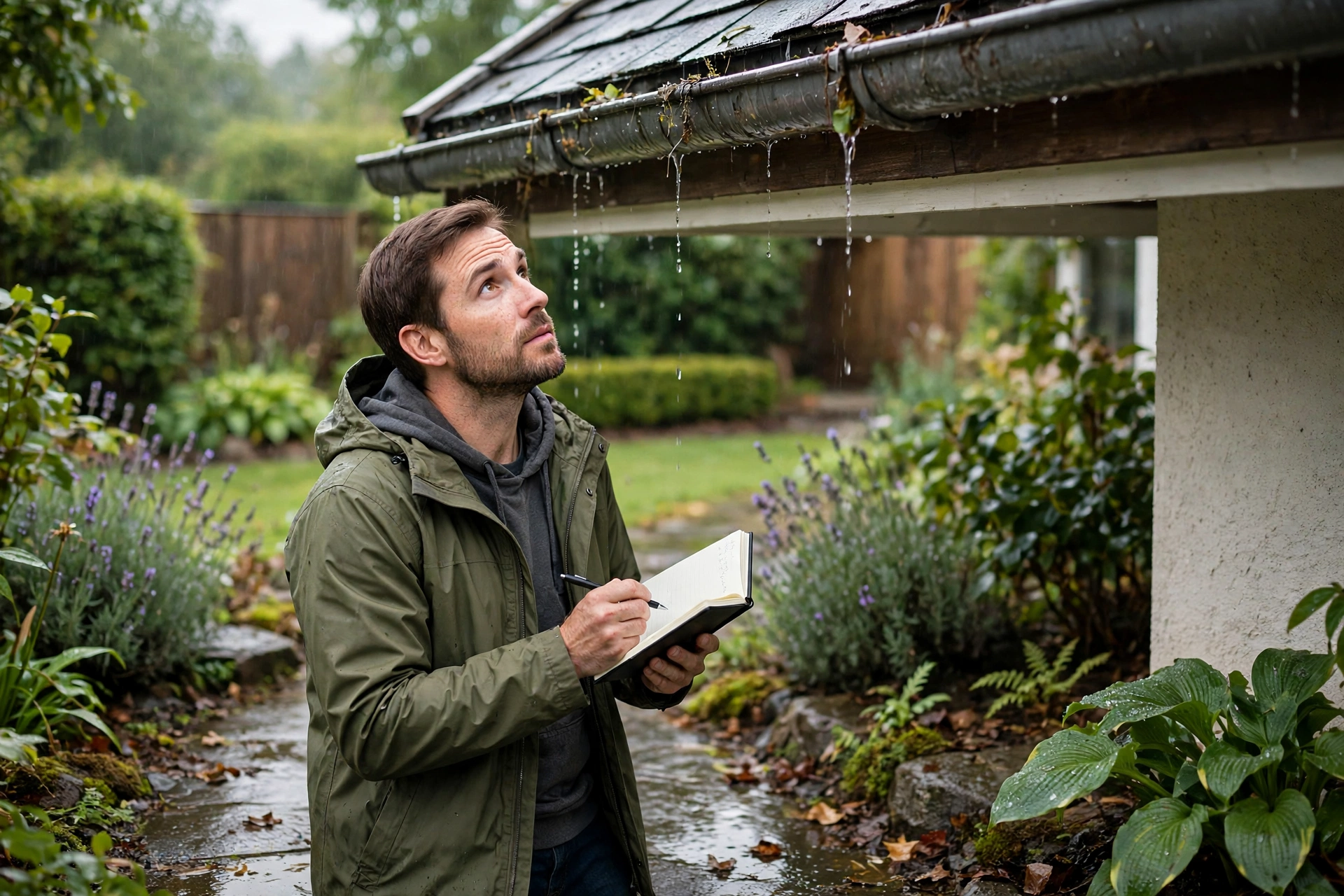
Use this checklist to decide whether your house needs gutters, or whether its current system needs attention, by walking around your home after rain and answering each question honestly. Two or more yes answers usually mean gutters would help your home, so note your answers before calling a professional:
- Does rain fall off your roof edge in a sheet onto the ground beside the walls?
- Is the soil, mulch or gravel washed away in a line under the roof edge?
- Do you see mud splash, staining or damp on the lower walls after rain?
- Does your house have a basement, or ground that slopes toward the walls?
- Is your rainfall heavy or frequent for much of the year?
- Do your downspouts end close to the foundation, or are they blocked?
If you answered yes to two or more of these, your house almost certainly benefits from gutters, and a local roofing or gutter professional can confirm what system suits your roof.
Conclusion
So, are gutters necessary on a house? For most homes, the answer is yes, because they are the simplest way to stop roof water from landing, season after season, in the worst possible place — right beside the walls and foundation.
A few homes in dry climates, with wide overhangs and well-sloped ground, may manage without full gutters, and alternatives such as rain chains can suit some situations. But for the average house, gutters are cheap protection against slow, expensive water damage. Check your roof edge after the next heavy rain, walk the checklist above, and if the water is landing where it should not, get the system looked at before a small problem becomes a damp one.
Frequently Asked Questions
Do all houses need gutters?
Most houses benefit from gutters, especially in wet climates or with large roofs, but some dry-climate homes with wide overhangs and good grading manage without full systems.
Can a house be fine without gutters?
Yes, in limited cases: dry climates, wide overhangs, well-drained soil and ground sloping away from the house can reduce the risk, though the combination matters more than any single feature.
Are rain chains as good as gutters?
Rain chains suit light rainfall and decorative spots, but they can splash in heavy rain and still need a drain at the bottom, so they rarely replace gutters on wet-climate houses.
What happens if gutters are blocked?
A blocked gutter overflows at the blockage and pours water beside the walls, causing the same splash, erosion and damp problems as having no gutter at all.
Should I remove gutters from my house?
Removing existing gutters is rarely a good idea, since they were usually fitted for a reason; if they cause trouble, repair, cleaning or a better drainage layout is usually the safer fix.
Disclaimer: This article is for general information only and is not professional building, roofing or drainage advice. Every house, roof and climate is different, so check local rules and speak to a qualified roofing or drainage professional before changing, removing or adding a gutter system on your home.
Thanks for visiting Clearise Cleaning Services! Discover more helpful tips and expert cleaning insights by exploring our related categories.