Basements often become the most overlooked part of a home. Over time, they quietly collect dust, humidity, musty odors, allergens, clutter, and sometimes mold. For new parents, these issues feel more urgent. A baby who will soon crawl on the floor, concerns about indoor air quality, and limited storage space can quickly turn a neglected basement into a source of stress rather than extra living space.
This guide explains how basement cleaning services work and why they matter, especially for growing families. You’ll learn what professional basement cleaning typically includes, how much it costs, how safety and mold-aware cleaning are handled, and how to choose a reliable service provider you can trust. The goal is to help you make informed decisions and create a cleaner, healthier basement without confusion or unnecessary risks.
Why Basement Cleaning Matters More When You Have a Baby (or One on the Way)
When a baby enters the picture, areas of the home that once felt “out of sight, out of mind” suddenly matter a lot more. Basements are one of those spaces. Even if your baby doesn’t spend time there yet, what builds up in a basement can still affect the rest of your home.
The “Invisible” Stuff: Dust, Dander, and Stale Air
Basements naturally trap particles more than other parts of the house. They usually have limited airflow, fewer open windows, and lots of stored items. Cardboard boxes, old clothes, rugs, and unused furniture all release dust and fibers over time. Pet dander and pollen also settle there and stay longer because air doesn’t circulate well.
For households with babies, cleaner air and lower dust levels can make a real difference. Infants breathe faster than adults and spend more time close to the floor, where dust settles. A properly cleaned basement reduces the amount of airborne particles that can move upstairs through vents, stairwells, and shared air systems.
Moisture Is the Real Villain (and Why Basements Are Vulnerable)
Moisture is one of the biggest reasons basements develop odors, mold, and long-term cleanliness problems. Below-ground walls are surrounded by soil, which naturally holds moisture. Add humid summer air, small foundation leaks, condensation on pipes, or a poorly ventilated space, and dampness becomes hard to avoid.
A simple way parents can spot moisture early is with two quick checks:
- The smell test: A musty or earthy odor usually means lingering moisture, even if you can’t see water.
- The touch test: Cold, slightly damp walls or floors often signal condensation or humidity problems.
Catching these signs early helps prevent bigger issues that can affect air quality and stored baby items.
Mold Risk Basics: What’s Safe to Handle Yourself vs. When to Call a Professional
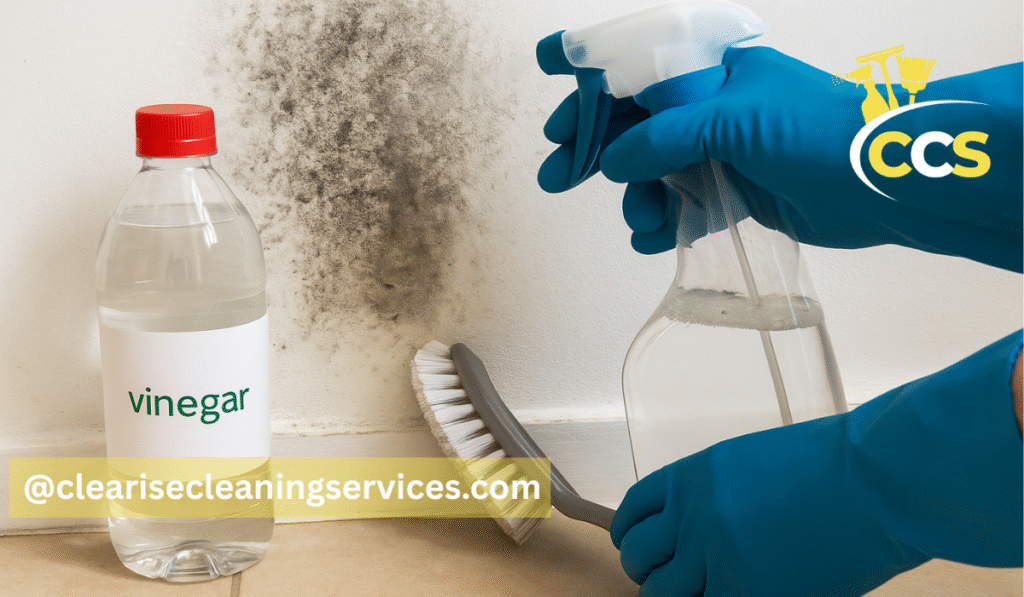
Not all mold situations are the same, and it’s important to approach them carefully—especially with a baby in the home. Small amounts of mold on hard, non-porous surfaces can often be cleaned using mild detergent and water, followed by thorough drying. Drying completely is just as important as cleaning, because mold thrives in moisture.
However, mold on porous materials like cardboard, fabric, insulation, or drywall is harder to manage safely. Scrubbing these materials can release spores into the air. For parents, the key rule is simple: avoid exposing infants to dust or mold particles during cleanup. If mold keeps returning, covers a larger area, or affects stored baby items, professional basement cleaning or mold-aware services are the safer choice.
What Basement Cleaning Services Typically Include (and What’s Usually Extra)
One of the most common questions homeowners ask is simple: what am I actually paying for? Basement cleaning services can vary from company to company, but most follow a fairly consistent structure. Knowing what’s standard and what costs extra helps parents plan better and avoid surprises.
Standard “Deep Clean” Package
A standard basement deep clean focuses on removing built-up dust, grime, and odors from surfaces that are often ignored for years. This type of cleaning is designed to improve air quality and overall hygiene, not just appearance.
Typical deep cleaning tasks include:
- Cobweb removal from ceiling corners, exposed joists, support beams, and the outside of ductwork
- Thorough dusting of shelves, ledges, basement windowsills, exposed pipes, and structural beams
- Vacuuming and mopping floors, whether the surface is concrete, vinyl, tile, or sealed flooring
- Wiping doors, baseboards, light switches, electrical outlets, stair rails, and handrails
- Basic deodorizing, using mild, non-overpowering methods that don’t leave heavy fragrances behind
For families with babies, this level of cleaning reduces fine dust and allergens that tend to travel upward into living areas.
Basement Cleanout and Decluttering Add-On (The Biggest Difference-Maker)
A deep clean works best when the space is accessible. That’s why many parents choose a cleanout or decluttering add-on, especially if the basement has become a long-term storage area.
This service usually includes:
- Creating sorting zones such as keep, donate, trash, and relocate
- Bagging or boxing items, moving belongings aside, and clearing walkways so cleaners can reach all surfaces
- Coordinating with junk removal teams when large or unwanted items need to be hauled away
The process is typically handled in stages: first clearing space, then cleaning, and finally reorganizing. This approach is especially helpful when preparing a basement for future use, such as a play area or storage for baby gear.
Specialty Add-Ons You Should Ask About
Some basements need more than a basic clean. Specialty services are optional but useful in certain situations, and it’s always best to clarify them in advance.
Common add-ons include:
- Mold-aware cleaning, which focuses on cleaning visible surface mold without crossing into full remediation
- Carpet or area rug extraction for finished basements
- Wall washing for painted concrete walls or drywall surfaces
- Post-construction dust removal, which targets fine dust left behind after renovations
- Cleanup of pest droppings, using proper protective equipment and safe disposal methods
- Appliance cleaning, such as washing machines, dryers, or deep freezers stored in the basement
- Storage system resets, including wiping shelving and setting up labeled, easy-to-maintain storage bins
These services are especially valuable for families who plan to use the basement regularly rather than just for storage.
What’s Usually Not Included Unless Specifically Requested
It’s important to understand the limits of standard basement cleaning services. Certain tasks fall outside the scope of routine cleaning and require specialized professionals.
These typically include:
- Mold remediation, which involves containment, removal, and treatment beyond surface cleaning
- Structural waterproofing, such as sealing foundation walls or installing drainage systems
- HVAC duct cleaning, which is handled by separate ventilation specialists
- Hazardous waste handling, including chemicals, paint, or contaminated materials
Asking for a written checklist before booking helps ensure everyone is clear about what is and isn’t included.
Basement Cleaning for New Parents: “Baby-Safe” Cleaning Standards to Look For
When a basement is part of a home with a baby, cleaning isn’t just about appearance. It’s about safety, air quality, and reducing exposure to things a young child’s body isn’t ready to handle yet. Not every cleaning service works with this in mind, so it helps to know what standards matter most.
Product Choices: Fragrance, Residues, and Safer Cleaning Practices
One of the first things parents should ask is what cleaning products are being used and where. Not every surface needs to be disinfected, and overusing strong chemicals can leave residues behind.
A thoughtful cleaning approach focuses on:
- Using disinfectants only on high-touch surfaces, not every wall or floor
- Avoiding heavy fragrances that linger in enclosed basement spaces
- Rinsing or wiping surfaces after cleaning to reduce chemical residue
It’s also important that cleaners never mix chemicals, especially bleach with other products. Mixing can create harmful fumes, which is risky in low-ventilation areas like basements. Reputable services follow clear product-use protocols and are willing to explain them.
High-Touch vs. Low-Touch Areas in a Basement
Not all basement surfaces carry the same risk. Knowing the difference helps prioritize what truly needs attention.
If your basement is used as a playroom, laundry area, or home gym, high-touch areas should be cleaned carefully and regularly. These include:
- Stair rails and handrails
- Light switches and door handles
- Laundry machine controls
- Storage bin handles and shelving edges
Low-touch areas, such as ceilings or rarely accessed corners, still need cleaning but don’t require aggressive disinfecting. This balanced approach keeps the space clean without unnecessary chemical exposure.
Toy Zone and Crawling Zone Checklist (If the Basement Will Become Living Space)
If you’re planning to use the basement as a family or play area, a few extra steps make a big difference.
Focus on:
- Floors: Make sure they’re left clean with a residue-free finish so crawling babies aren’t exposed to leftover cleaners
- Baseboards: These often collect dust and are right at a baby’s eye and hand level
- Soft items: Store toys, blankets, and baby gear in washable bins rather than open fabric piles that trap dust
Reducing fabric clutter helps keep allergens from building up and makes routine cleaning easier.
Allergy-Aware Setup Tips That Come From Real-Life Experience
One simple rule many parents learn quickly is this:
If the basement smells musty again within 48 hours, it’s usually a moisture issue—not a cleaning problem.
A clean basement should smell neutral, not perfumed. If odors return quickly, it’s often a sign of lingering humidity, condensation, or poor airflow. Addressing moisture with ventilation or dehumidifiers is just as important as cleaning when it comes to protecting a baby’s environment.
Mold and Mildew in Basements: A Practical, Calm Plan
Mold and mildew are common basement concerns, but they don’t need to be approached with fear or guesswork. Most problems start small and become serious only when moisture is ignored. For families with infants, the goal is not panic—it’s awareness, early action, and knowing when professional help is the safer option.
Quick Signs You Shouldn’t Ignore
Basement mold rarely appears overnight. It usually gives subtle warnings first. Paying attention to these early signs can prevent larger issues later:
- A musty or damp smell, even after cleaning
- Recurring condensation on walls, windows, or exposed pipes
- Peeling or bubbling paint, especially near floor level
- Dark spots or discoloration in corners, behind shelving, or near baseboards
These signs don’t always mean a major mold problem, but they do signal excess moisture that needs attention.
What You Can Do Safely in Small, Early-Stage Cases
For limited mold on hard, non-porous surfaces, simple cleaning can be effective. Using mild detergent and water, gently clean the affected area and then dry it completely. This approach aligns with widely accepted health guidance for small surface-level growth.
The step most people skip is thorough drying. Mold doesn’t just grow because it’s dirty—it grows because it’s wet. Even a clean surface can grow mold again if moisture remains trapped. Fans, ventilation, or a dehumidifier help ensure the area dries fully.
What to Avoid: Common Mistakes That Make Things Worse
It’s tempting to look for quick fixes, but some approaches can actually spread mold rather than solve the problem:
- Avoid relying on “miracle” sprays or home remedies for widespread mold
- Don’t scrub aggressively on porous materials, which can release spores into the air
- Be cautious with cleaning tools that add moisture, such as steam cleaners, unless the area can be dried immediately
In basements, moisture control is prevention. Cleaning without fixing damp conditions is rarely a long-term solution.
When to Call a Professional—Especially With Infants in the Home
Professional help is the safer choice when:
- Mold covers a larger area or keeps coming back
- Growth appears on porous materials like drywall, insulation, cardboard, or fabrics
- There is a strong or worsening odor
- You cannot keep the space dry despite cleaning efforts
For parents, one rule is simple: if cleanup creates dust, debris, or airborne particles, it’s better to step back. Infants should not be present during active mold cleanup.
Prevention That Actually Works
Long-term mold prevention is about managing moisture consistently. The most effective steps include:
- Using a dehumidifier to maintain balanced humidity levels
- Improving ventilation, especially in finished or frequently used basements
- Sealing small cracks in walls or floors where moisture enters
- Regularly checking the sump pump to ensure it’s working properly
- Making sure gutters and downspouts direct water away from the foundation
When moisture is controlled, mold struggles to return. Cleaning then becomes maintenance, not damage control.
How Much Do Basement Cleaning Services Cost? Realistic Pricing Factors
Basement cleaning costs can vary widely, which is why online price ranges often feel confusing. The final cost usually depends less on square footage alone and more on the condition of the space, how much is stored there, and the type of cleaning required.
Pricing Models You’ll Commonly See
Most basement cleaning services use one of three pricing approaches.
Hourly rates are common when the scope of work is open-ended. Rates vary by region and company, but this model is often used when clutter levels or cleaning challenges are hard to predict in advance.
Flat-rate quotes are more common for basements with a clear, defined scope. If the space is mostly empty or follows a standard checklist, companies can offer a fixed price that doesn’t change unless additional work is requested.
Some companies use per-room or online calculators, but these tend to be less accurate for basements. Two basements of the same size can require very different amounts of work depending on dust buildup, moisture issues, or stored items.
What Drives the Cost Up (and How to Keep It Reasonable)
Certain factors almost always increase the time and effort needed to clean a basement:
- Heavy clutter or long-term storage
- Pet waste or rodent debris
- Suspected mold or strong odors
- Fine dust after renovations or construction
- Multiple shelving units that need to be emptied and wiped
A small amount of preparation can help control costs without turning it into a stressful project. One simple tip is to clear a three-foot walkway through the basement. This allows the cleaning team to move equipment easily and start working right away, which saves time.
Example Quote Scenarios to Help You Self-Identify
While every home is different, these examples can help you understand where your basement might fall.
A light refresh basement is mostly empty and just needs dust removal, floor cleaning, and odor control. This is usually the quickest and most affordable option.
A storage basement has boxes, shelves, and stored items that require careful movement and extra dusting. Costs are higher because access takes time.
A finish-ready clean is common after renovations. It focuses on removing fine construction dust from walls, floors, and fixtures before the space is used again.
A move-out or estate cleanout involves sorting, hauling, and deep cleaning. This is the most labor-intensive scenario and is typically priced higher due to time and coordination involved.
Basement Cleanout vs. Basement Deep Cleaning: Which One Do You Need?
Many homeowners aren’t sure whether they need a full cleanout or just a deep clean. The difference matters, especially for families trying to manage time, budget, and safety. Understanding the purpose of each service makes the decision much easier.
A Quick Decision Guide (Simple Yes or No)
Ask yourself a few straightforward questions:
- Can you see most of the floor?
If the answer is no, a cleanout usually needs to come first. Cleaning around piles of stored items limits how effective the service can be. - Is the floor visible but dusty or musty?
In this case, a deep cleaning is often enough. This focuses on removing dust, odors, and grime from surfaces without moving large amounts of stored belongings. - Are you finishing or recently renovated the basement?
A post-construction, finish-ready clean is the best option. This type of service removes fine dust and residue so the space is safe and comfortable to use.
This simple approach helps avoid paying for the wrong service or needing to schedule a second visit later.
Combined Services: The Most Common “New Parent” Choice
For many new parents, a combination of services makes the most sense. A common approach is to declutter first, followed by a deep, sanitary clean, and then set up safer storage zones.
This often includes:
- Removing unused or unsafe items
- Sanitizing the laundry area, where baby clothes and linens are washed
- Creating clear storage lanes so items are easy to access without lifting or shifting heavy boxes
Cleanout providers often manage the entire process from start to finish. This may include hauling away unwanted items, arranging donation drop-offs, and handling proper disposal. The result is a basement that’s not only clean, but also organized and easier to maintain as family needs change.
Choosing a Basement Cleaning Company You Can Trust
Inviting a service provider into your home requires trust, especially when the work involves areas that affect air quality and family safety. A reliable basement cleaning company should be transparent, consistent, and willing to explain their process without pressure.
Credentials That Actually Matter
Start with the basics. A reputable company should carry proper insurance, perform background checks on staff, and provide a written scope of work before the job begins. A clear satisfaction policy also shows accountability if expectations aren’t met.
If mold comes up during the conversation, ask for clarity. Some companies handle surface-level mold-aware cleaning, while others specialize in full mold remediation. These are not the same service. Knowing exactly which one is being offered helps prevent misunderstandings and unnecessary costs.
Questions to Ask Before Booking (Copy-and-Paste Friendly)
These questions are simple, direct, and tell you a lot about how a company operates:
- What does your basement deep clean include, line by line?
- Do you use HEPA-filter vacuums for dust and fine particles?
- How do you handle musty odors—do you mask smells or address moisture sources?
- What’s your plan if you find porous items with visible mold?
- Is your quote hourly or fixed, and what could cause extra charges?
Clear, straightforward answers are a good sign. Hesitation or vague responses are not.
Red Flags to Watch For
Be cautious if a company:
- Avoids giving a detailed checklist or written scope
- Offers vague pricing with no explanation
- Claims one product or spray can “fix” all mold issues
- Refuses to explain limitations or put terms in writing
A trustworthy service focuses on realistic outcomes, not quick promises.
How to Prepare for Basement Cleaning Services (So You Get the Best Results)
A little preparation goes a long way, especially for parents who don’t have hours to spare. Most prep can be done quickly and helps the cleaning team work more efficiently.
A 15-Minute Prep List (Designed for Tired Parents)
You don’t need to reorganize the entire basement. Focus on the basics:
- Secure valuables and personal documents
- Label any bins or items as “do not move”
- Plan for pets or baby gates to keep pathways clear
- Make sure there’s easy parking or access to the basement entrance
- Use painter’s tape to mark keep, donate, and trash zones if decluttering is part of the service
This small amount of prep reduces delays and helps avoid confusion.
The Day-of Plan
On cleaning day:
- Increase ventilation by opening windows or running fans if possible
- Keep your baby and pets upstairs or out of the work area
- Do a quick walk-through with the team to point out priorities or concerns
- Confirm the areas that need extra attention before work begins
Clear communication at the start helps ensure the results match your expectations.
After-Care: How to Make the Clean Last Longer
Once the basement is clean, simple habits can help maintain it:
- Use clear, sealed bins so contents stay dust-free and visible
- Keep storage shelves slightly off the floor to improve airflow
- Set a monthly 10-minute reset routine to catch clutter and dust early
These small steps help prevent the basement from slowly slipping back into disuse.
Basement Cleaning Checklist (DIY Between Professional Visits)
Professional basement cleaning services handle the heavy work, but small, consistent habits make a big difference between visits. This simple checklist is realistic for busy parents and focuses on prevention rather than perfection.
Weekly Tasks (5–10 Minutes)
These quick checks help stop dust and moisture from building up:
- A light sweep or vacuum of main walkways
- Wipe down the laundry area, especially machine tops and nearby shelves
- Check the dehumidifier, empty the tank if needed, and make sure it’s running properly
Keeping moisture under control week by week reduces odors and discourages mold growth.
Monthly Tasks
Once a month, a slightly deeper reset helps maintain air quality:
- Remove cobwebs from corners and ceiling edges
- Dust shelves, storage bins, and ledges
- Mop hard floors with a mild cleaner
- Inspect walls, floors, and windows for leaks or condensation
Catching small issues early prevents larger problems later.
Seasonal Tasks
Seasonal checks focus on water management and storage safety:
- Inspect foundation drainage around the home after heavy rain
- Test the sump pump to make sure it activates correctly
- Store baby gear, clothing, and textiles in sealed, labeled bins
These steps help protect both the basement and the items stored inside it.
Special Situations That Require a Different Cleaning Approach
Not all basements are used the same way. Some situations require more targeted cleaning to stay safe and functional.
Finished Basement Cleaning (Playrooms, Guest Rooms, Home Offices)
Finished basements often have carpets, upholstered furniture, and soft furnishings that trap dust. Regular cleaning should include:
- Upholstery vacuuming or extraction as needed
- Carpet cleaning to remove deep-set dirt and allergens
- Safe deodorizing that leaves the space smelling neutral, not perfumed
These steps help keep finished spaces comfortable for daily use.
Post-Construction or Post-Renovation Basement Cleaning
After renovation, dust settles everywhere, including areas that aren’t immediately visible. Fine construction dust often requires multiple passes to remove fully.
A proper post-construction clean involves:
- Vacuuming before wiping to avoid spreading dust
- Cleaning walls, ledges, fixtures, and vents
- A final floor cleaning once all surfaces are dust-free
One quick pass is rarely enough because fine particles resettle as cleaning continues.
Move-In or Move-Out Basement Cleaning
When moving, basements are often rushed or ignored. For families, especially those with babies, the safest approach is simple: clean first, then store.
Cleaning before unpacking ensures that baby items aren’t placed into dusty or damp spaces and helps set a clean baseline for the new home.
Flooded Basement Aftermath (Safety-First Guidance)
If a basement has flooded, safety comes first:
- Avoid entering the space if standing water or electrical hazards are present
- Remove wet items only if it’s safe to do so
- Do not run fans or equipment until power safety is confirmed
In these cases, professional restoration specialists are often necessary. Basement cleaning services can assist after the area is dry and structurally safe.
Conclusion
A clean basement doesn’t have to be perfect to be valuable. What matters most is creating a space that supports health, safety, and everyday use—especially for families with young children. By understanding the difference between deep cleaning and cleanouts, asking the right questions, and managing moisture early, you can prevent small issues from becoming bigger problems.
When time is limited and responsibilities are growing, basement cleaning services offer a practical way to maintain a cleaner, healthier home environment. For new parents, that peace of mind can make a real difference.
Frequently Asked Questions
How Long Does a Basement Cleaning Usually Take?
The time depends on the size of the basement and how much work is needed. A mostly empty basement with light dust may take a few hours, while a cluttered or heavily used space can take most of a day. Cleanouts and post-construction cleaning usually take longer because there’s more preparation and detail involved.
Do I Need to Be Home During the Cleaning?
In most cases, no. Many homeowners choose to step out once access and priorities are confirmed. If you have a baby, it’s often more comfortable to stay upstairs or leave the house during the cleaning, especially if equipment or cleaning products are being used.
Can Cleaners Remove Mold?
Standard basement cleaning services can handle surface-level mold on hard, non-porous surfaces. They do not typically perform full mold remediation. If mold is widespread, recurring, or present on porous materials like drywall or fabric, a specialized remediation service is usually required.
Is It Safe for Babies If Strong Cleaners Are Used?
Reputable companies avoid unnecessary use of strong chemicals. Safe cleaning focuses on targeted disinfecting, proper ventilation, and residue removal. If you have concerns, ask what products will be used and keep your baby away from the area until cleaning is complete and the space is well aired out.
What’s the Difference Between Cleaning and Remediation?
Cleaning removes dirt, dust, and visible surface issues. Remediation addresses the source of mold or contamination and involves containment, removal, and prevention steps. They serve different purposes, and it’s important to know which one your situation requires.
How Often Should I Schedule Basement Cleaning Services?
For most homes, a professional basement cleaning once or twice a year is enough. Homes with high humidity, pets, or frequent basement use may benefit from more regular visits. Light DIY maintenance in between helps extend the results.
Disclaimer: This article is provided for general informational purposes only and does not replace professional inspection or specialized services. Basement conditions can vary widely, and some issues—such as mold remediation, structural water damage, or electrical concerns—may require licensed professionals. Always assess your specific situation carefully and consult qualified service providers when safety, health, or property concerns are involved.
Thanks for visiting Clearise Cleaning Services! Discover more helpful tips and expert cleaning insights by exploring our related categories.