Crawl space insulation is the material added under your home to help control heat, moisture, and comfort. A crawl space may look like a small, hidden area, but it can affect the way your whole house feels. When this space is cold, damp, or poorly sealed, the floors above it may feel chilly, energy bills can rise, and moisture can move into the home.
Good crawl space insulation matters because it helps improve energy efficiency, supports moisture control, reduces the chance of mold growth, keeps floors more comfortable, and may improve indoor air quality. A crawl space can allow outside air, ground moisture, pests, and musty smells to enter the home if it is not handled properly. ENERGY STAR notes that a properly sealed, moisture-protected, and insulated crawl space can improve comfort, save energy, improve home durability, and reduce moisture and other irritants entering the home.
The right insulation method depends on the type of crawl space you have. A vented crawl space is open to outside air through vents. An unvented or encapsulated crawl space is sealed and treated more like a small basement. Some crawl spaces also have a dirt floor, which creates extra moisture concerns. Because of these differences, the best material, placement, R-value, cost, and installation method can change from one home to another.
In this guide, you will learn how crawl space insulation works, which materials are commonly used, what R-value means, how much crawl space insulation may cost, what basic requirements homeowners should know, and how to choose the best crawl space insulation for your home.
Crawl Space Insulation
| Topic | Quick Information |
| Best for | Warmer floors, lower energy loss, moisture control, mold prevention |
| Main types | Fiberglass batts, mineral wool, rigid foam board, closed-cell spray foam |
| Best for dirt floor | Vapor barrier plus rigid foam board or spray foam on sealed walls |
| Best for vented crawl space | Subfloor insulation between floor joists |
| Best for sealed crawl space | Foundation wall insulation |
| Common R-value range | Around R-5 to R-19, depending on climate and local code |
| Moisture protection | Vapor barrier, air sealing, drainage, and proper insulation material |
| Cost factors | Crawl space size, material, labor, repairs, old insulation removal |
| Common mistake | Using fiberglass in damp crawl spaces without moisture control |
What Crawl Space Insulation Does for Your Home
Crawl space insulation helps slow heat movement between your home and the space below it. In winter, it helps keep warmth inside the living area. In summer, it helps reduce unwanted heat and humid air entering from below. This can make rooms feel more stable and comfortable throughout the year.
It also helps protect floors. If your crawl space is cold, the floors above it may feel cold too, especially in bedrooms, kitchens, and living rooms. Adding proper insulation can make the floor surface warmer and reduce drafts around baseboards or floor gaps.
Another major benefit is moisture control. Crawl spaces are often close to damp soil, foundation walls, and outdoor air. Without proper sealing and insulation, moisture can collect on wood, ducts, pipes, and old insulation. Over time, this can lead to musty smells, sagging insulation, wood damage, and mold problems. Crawl space insulation works best when it is part of a full moisture-control plan, not just a single material added under the floor.
Vented vs. Unvented Crawl Spaces: Why the Type Matters
The first step is understanding whether your crawl space is vented or unvented. This matters because the insulation should usually be placed in different areas.
In a traditional vented crawl space, outside air enters through wall vents. For this type, insulation is often installed between the floor joists, directly under the living space. This approach tries to separate the heated and cooled rooms from the outdoor-style crawl space below.
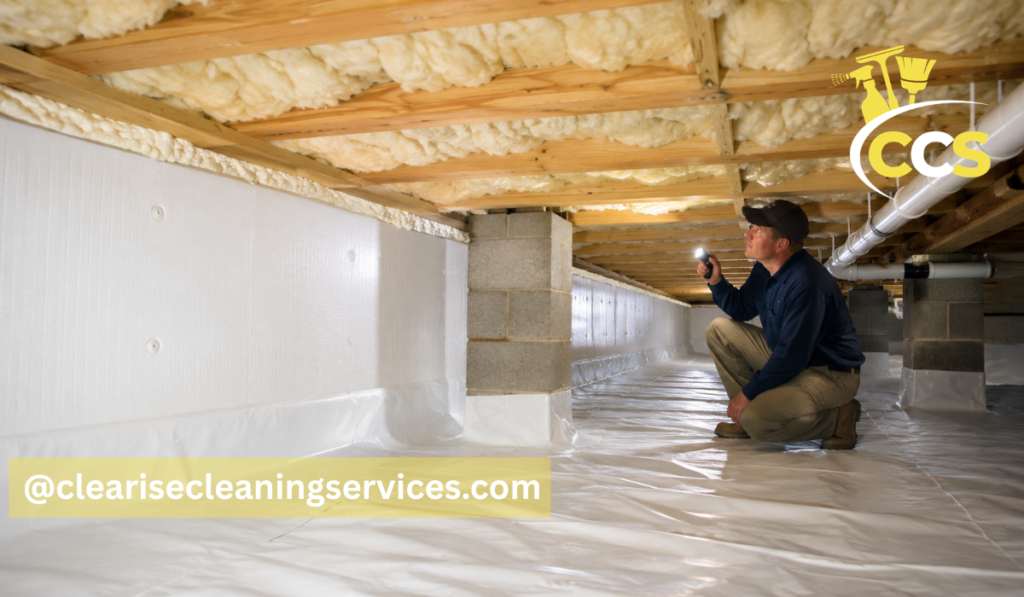
In an unvented or encapsulated crawl space, the vents are sealed, the ground is covered with a vapor barrier, and the foundation walls are insulated. The U.S. Department of Energy says that for an unventilated crawl space, the best approach is usually to seal and insulate the foundation walls instead of insulating the floor between the crawl space and the house. This keeps pipes and ducts inside the home’s conditioned area, which can help with energy performance and freezing protection.
This is why there is no single best crawl space insulation plan for every home. A vented crawl space and a sealed crawl space behave differently, so they need different strategies.
Best Crawl Space Insulation Options for Different Situations
The best crawl space insulation depends on moisture level, budget, climate, and crawl space design. The most common options are fiberglass batts, mineral wool, rigid foam board, and spray foam.
Fiberglass batts are often used because they are affordable and easy to find. They can work in a dry, vented crawl space when installed between floor joists. However, fiberglass does not handle moisture well. If the crawl space is damp, fiberglass can sag, hold moisture, and lose performance.
Mineral wool is similar to batt insulation, but it handles moisture better than fiberglass and is naturally fire resistant. It can be a better option for subfloor insulation where moisture is limited but still a concern.
Rigid foam board is a popular choice for sealed crawl spaces. It is often installed on foundation walls because it resists moisture better than fiberglass and provides steady insulation value. Foam board is also useful when homeowners want a cleaner wall-insulation system.
Closed-cell spray foam offers strong air sealing and moisture resistance. It can work well around rim joists, gaps, and uneven areas where boards or batts are difficult to fit. It usually costs more, but it can be very effective when installed correctly.
Crawl Space Insulation R-Value Explained
Crawl space insulation R-value measures how well the insulation resists heat flow. A higher R-value means the material provides stronger resistance to heat transfer. However, the “right” R-value depends on your climate zone, local code, and whether you are insulating the floor or the crawl space walls.
In warmer areas, the required R-value may be lower. In colder areas, you may need higher insulation levels to keep floors warm and reduce heat loss. ENERGY STAR guidance based on the 2021 IECC shows that crawl space wall insulation recommendations can vary by climate zone, such as R-5 or R-13 in some Zone 3 areas and up to R-15 continuous insulation or R-19 batt insulation in colder zones.
It is important not to choose insulation only by thickness. Different materials have different R-values per inch. Closed-cell spray foam usually provides a higher R-value per inch than fiberglass. Rigid foam boards vary depending on the type, such as EPS, XPS, or polyiso. The best choice is the one that meets local requirements while also handling moisture properly.
Best Insulation for Crawl Space with Dirt Floor
The best insulation for crawl space with dirt floor must deal with ground moisture first. A dirt floor can release moisture into the crawl space every day. If that moisture is not controlled, even good insulation can fail.
For a dirt-floor crawl space, a strong vapor barrier is one of the most important parts of the system. This is usually a heavy plastic liner placed over the soil and sealed at seams and edges. The U.S. Department of Energy notes that exposed earth in unvented crawl spaces should be covered with a continuous vapor retarder or air barrier, with seams overlapped and sealed, and edges extended up the walls.
Once the ground is covered and moisture is controlled, the insulation method depends on whether the crawl space will stay vented or become sealed. In many modern upgrades, homeowners choose encapsulation, where the walls are insulated with rigid foam board or spray foam instead of placing insulation only under the floor. This can create a cleaner, drier, more stable crawl space.
Crawl Space Insulation Board and When to Use It
Crawl space insulation board usually means rigid foam board installed on crawl space walls. It is often used in sealed or encapsulated crawl spaces because it provides insulation and resists moisture better than many soft materials.
Foam board can be attached to the inside of foundation walls and sealed at the joints. This helps reduce heat loss through the foundation and keeps the crawl space closer to indoor temperature. It also works well when the crawl space has plumbing, ducts, or other systems that benefit from staying within a more protected area.
Rigid foam board is not perfect for every situation. It must be installed carefully, sealed properly, and protected where required by code. Some foam materials may need a fire-rated covering depending on local rules. This is why homeowners should always check local crawl space insulation requirements before choosing a board product.
Crawl Space Insulation Foam: Spray Foam vs. Foam Board
Crawl space insulation foam usually refers to either spray foam or rigid foam board. Both can be useful, but they work in different ways.
Spray foam expands after application. This makes it useful for sealing small cracks, rim joists, odd shapes, and hard-to-reach gaps. Closed-cell spray foam is especially popular because it offers strong insulation value, air sealing, and moisture resistance in one product. It is often used where air leaks are a major problem.
Foam board comes in solid panels. It is usually better for large, flat foundation walls because it creates a neat insulation layer. It may cost less than full spray foam in some projects, but it requires careful cutting, fitting, fastening, and sealing.
For many crawl spaces, the best solution may use both. Foam board can insulate the foundation walls, while spray foam can seal rim joists and gaps. This combined approach can improve performance without relying on one material for every part of the crawl space.
Crawl Space Insulation Cost: What Affects the Final Price
Crawl space insulation cost depends on the size of the area, material choice, labor, condition of the crawl space, moisture problems, and whether old insulation must be removed. A clean, dry crawl space is usually easier and cheaper to insulate than one with mold, pests, standing water, or damaged materials.
Recent cost guides show a wide range because projects can be very different. Angi’s 2026 data places professional crawl space insulation costs in a broad range depending on space size and insulation type, with extra costs possible for removal, repairs, or encapsulation. Another 2026 cost estimate places common installed material prices around $1.00–$2.00 per square foot for fiberglass batts, $2.50–$4.00 for rigid foam board, and $4.00–$7.00 for closed-cell spray foam.
The cheapest material is not always the best value. If fiberglass is installed in a damp crawl space and later becomes wet or moldy, the replacement cost can be higher than choosing a moisture-resistant material from the start. A good estimate should include preparation, air sealing, vapor barrier work, insulation, cleanup, and any needed repairs.
Crawl Space Insulation Requirements Homeowners Should Know
Crawl space insulation requirements vary by location. Building codes are usually based on climate zone, home design, and whether the crawl space is vented or unvented. Some areas require specific R-values, vapor barriers, ignition barriers for foam products, pest inspection gaps, or ventilation changes.
The International Energy Conservation Code is often used as a model for insulation rules, but states and cities may adopt different versions or make changes. The 2024 IECC includes updates related to crawl space insulation and energy-code compliance paths, which means homeowners should not rely on old rules without checking current local requirements.
Before starting a project, it is wise to check with your local building department or a qualified insulation contractor. This is especially important if you are sealing vents, adding spray foam, insulating foundation walls, or changing how the crawl space handles air and moisture.
Crawl Space Insulation Pros and Cons
Crawl space insulation has many benefits, but it also has some limits. The main advantage is comfort. A well-insulated crawl space can help reduce cold floors, drafts, and uneven room temperatures. It may also lower heating and cooling waste by slowing heat movement.
Another benefit is moisture protection when insulation is paired with air sealing and a vapor barrier. A sealed and insulated crawl space can help protect pipes, ducts, wood framing, and flooring from damp conditions.
The downside is that poor installation can create problems. If moisture is trapped behind the wrong material, mold and wood damage can get worse. If vents are sealed without a proper plan, humidity may rise. If fiberglass is used in a wet area, it may lose value and fall out of place. Crawl space insulation works best when it is installed as part of a complete system, not as a quick cover-up.
Common Crawl Space Insulation Mistakes to Avoid
One common mistake is installing insulation before fixing water problems. If the crawl space has standing water, leaking pipes, poor drainage, or wet soil, insulation should not be the first step. Moisture problems need to be corrected first.
Another mistake is using fiberglass in a crawl space that is regularly damp. Fiberglass can work in dry conditions, but it is not the best choice for wet or humid crawl spaces. Once it absorbs moisture, it can sag and become less effective.
Homeowners also often forget air sealing. Gaps around rim joists, plumbing lines, wiring holes, and foundation cracks can let cold air and moisture move through the space. Insulation alone does not always stop airflow. Sealing leaks before or during insulation is one of the most important steps.
Skipping the vapor barrier is another serious mistake, especially with a dirt floor. Even if the walls or floor are insulated, uncovered soil can continue releasing moisture into the crawl space.
How Moisture, Vapor Barriers, and Air Sealing Work Together
Crawl space insulation performs best when moisture, vapor barriers, and air sealing work together. These three parts support one another.
Moisture control keeps liquid water and damp air from damaging the space. This may include fixing drainage, repairing leaks, extending downspouts, and covering exposed soil. A vapor barrier helps block moisture from the ground. Air sealing closes gaps where outside air can enter.
Insulation then helps control temperature. If you skip moisture control or air sealing, insulation may not perform well. For example, cold outside air can move around loose insulation, reducing its benefit. Moisture can also lower insulation value and damage surrounding wood.
A good crawl space system should feel dry, sealed, and stable. It does not need to look fancy, but it should be clean enough that insulation can stay in place and do its job for years.
Signs Your Crawl Space Insulation Needs Replacement
Old crawl space insulation may need replacement if it is falling down, wet, moldy, compressed, or damaged by pests. If your floors feel colder than they used to, your energy bills are rising, or rooms above the crawl space feel uncomfortable, the insulation may no longer be working well.
Musty smells are another warning sign. Odors from the crawl space can move into the living area through small gaps. If the insulation smells damp or dirty, it may be holding moisture or contaminants.
You may also notice wood stains, rust on metal parts, condensation on ducts, or visible mold. These signs mean the problem may be larger than insulation alone. In that case, the crawl space should be inspected for moisture sources before new insulation is added.
Choosing the Best Crawl Space Insulation for Your Home
Choosing the best crawl space insulation starts with a simple question: what type of crawl space do you have? If it is vented and staying vented, subfloor insulation may be the main option. If it is sealed or being encapsulated, wall insulation is often the better approach.
Next, look at moisture. A dry crawl space gives you more material options. A damp crawl space needs stronger moisture control and materials that resist water better, such as rigid foam board or closed-cell spray foam.
Budget also matters. Fiberglass is usually cheaper upfront, while spray foam costs more but can provide better air sealing. Rigid foam board often sits in the middle and works well for foundation walls. Mineral wool can be a useful choice when fire resistance and moisture tolerance are important.
Finally, consider local requirements. The best insulation is not just the one with the highest R-value. It is the one that fits your crawl space type, handles moisture correctly, meets code, and stays effective over time.
Conclusion
Crawl space insulation can make a home warmer, drier, and more energy efficient, but the right approach depends on the crawl space type, moisture level, material choice, and local requirements. A vented crawl space may need insulation under the floor, while an unvented or encapsulated crawl space often performs better with insulation along the foundation walls.
Good crawl space insulation should help improve comfort, support energy efficiency, protect against moisture problems, and make the home feel more stable throughout the year. The best results usually come from combining insulation with a vapor barrier, proper air sealing, and moisture control.
Before choosing any insulation material, inspect the crawl space for damp soil, leaks, air gaps, damaged wood, old insulation, and signs of mold. When those issues are handled first, your crawl space insulation has a much better chance of working well for the long term.
FAQs
What Is The Best Crawl Space Insulation?
The best crawl space insulation depends on your crawl space type. For sealed crawl spaces, rigid foam board or closed-cell spray foam often works well. For dry, vented crawl spaces, fiberglass or mineral wool may be used under the floor.
How Much Does Crawl Space Insulation Cost?
Crawl space insulation cost depends on the size of the area, material, labor, moisture issues, and whether old insulation needs removal. Foam board and spray foam usually cost more than fiberglass, but they often perform better in damp spaces.
What R-value Is Best For Crawl Space Insulation?
The right crawl space insulation R-value depends on your climate and local building code. Warmer areas may need lower R-values, while colder areas usually need higher insulation levels to keep floors warm and reduce heat loss.
Is Crawl Space Insulation Good For A Dirt Floor?
Yes, but a dirt floor needs moisture control first. A vapor barrier should cover the soil before adding insulation. Without it, ground moisture can rise into the crawl space and damage insulation, wood, and indoor air quality.
Should Crawl Space Insulation Go On The Floor Or Walls?
In a vented crawl space, insulation usually goes under the floor between joists. In an unvented or encapsulated crawl space, insulation is usually placed on the foundation walls to create a cleaner and more energy-efficient space.
Disclaimer: This article is for general informational purposes only. Crawl space insulation needs can vary based on home design, moisture levels, climate, material choice, and local building requirements. Always inspect your space carefully and consult a qualified professional when needed.
Thanks for visiting Clearise Cleaning Services! Discover more helpful tips and expert cleaning insights by exploring our related categories.