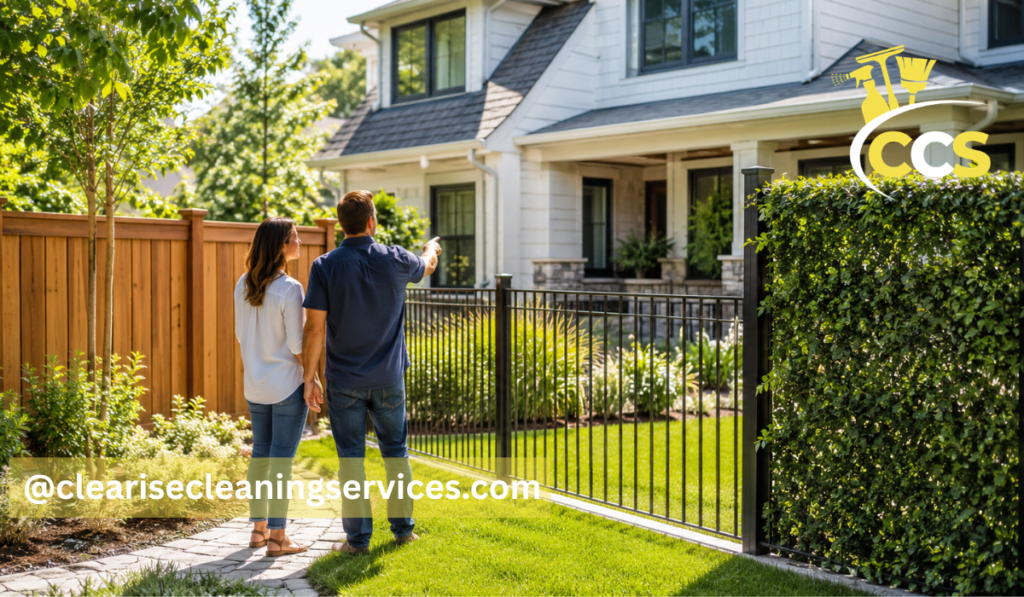
Choosing a fence is about much more than marking the edge of your property. The right fence can give you more privacy, make outdoor spaces feel safer, improve curb appeal, and make your yard easier to use. Because fencing is a long-term investment, it is worth thinking carefully about your needs before selecting a material or design.
Homeowners who are considering a new installation can look at experienced residential fencing providers such as FenceCraft when researching different fencing options and professional installation. The best choice will depend on your property, budget, local conditions, and what you want the fence to accomplish.
Start With the Main Purpose of Your Fence
Before comparing materials, decide why you need a fence. Different homeowners may have completely different priorities.
Common reasons for installing a residential fence include:
- Creating more backyard privacy
- Keeping children or pets inside the yard
- Improving property security
- Defining property boundaries
- Adding curb appeal
- Creating a safer area around a swimming pool
- Reducing unwanted access to certain areas
Knowing your main goal makes the rest of the decision easier. A tall privacy fence, for example, serves a different purpose from an open-style decorative fence.
Consider the Level of Privacy You Need
Privacy is one of the biggest reasons homeowners install fencing. If your backyard faces neighboring properties, sidewalks, or a busy road, a solid fence can make the space feel more comfortable.
Wood privacy fencing is a common option because boards can be positioned closely together to reduce visibility. Fence height and design also affect how private the yard feels.
However, full privacy is not always necessary. In a front yard or landscaped area, a more open fence may provide enough separation without making the property feel closed off.
Compare Popular Fence Materials
Fence material affects appearance, maintenance, durability, and cost. Understanding the basic differences can help you narrow down your options.
Wood Fencing
Wood has a natural appearance that works with many home styles. It can be used for privacy fencing, decorative boundaries, gates, and many custom designs.
Wood fences may require periodic cleaning, staining, sealing, or repairs depending on the type of wood and local weather.
Aluminum Fencing
Aluminum fencing provides a clean, open appearance and generally requires less maintenance than wood. Because aluminum does not rust in the same way as traditional iron or steel, it can also be useful in humid or coastal environments.
It is commonly used around yards, landscaped areas, and pools where homeowners want visibility along with a defined boundary.
Living Fences
A living fence uses plants, shrubs, vines, or greenery to create a natural boundary. It can provide privacy while blending into the landscape.
Living fences can be attractive, but plants need time to grow and usually require trimming and other ongoing care. Some designs also combine vegetation with a supporting fence structure.
Think About Your Local Climate
Weather can have a major effect on fence performance. Moisture, strong sunlight, heavy rain, wind, salt air, and changing temperatures can all affect outdoor materials over time.
Homeowners in coastal areas should pay particular attention to moisture resistance and corrosion. Wood may need protective treatment, while rust-resistant materials can reduce maintenance requirements.
The best fence is not simply the material that looks attractive on installation day. It should also be suitable for the conditions it will face for many years.
Match the Fence to Your Home
A fence becomes a noticeable part of the property, so its design should work with the home’s architecture and landscaping.
A traditional home may look natural with wood fencing, while a modern property may work better with simple horizontal lines or aluminum panels.
Consider:
- Fence color
- Post style
- Board direction
- Gate design
- Fence height
- Landscaping
- Exterior colors of the house
A fence does not need to perfectly match the house, but the two should look connected rather than competing with each other.
Do Not Forget Gates and Access Points
Gates deserve as much planning as the fence itself. Before installation, think about how people and equipment will move through the property.
A narrow pedestrian gate may be enough for everyday use, but homeowners may also need wider access for lawn equipment, trailers, outdoor furniture, or future landscaping projects.
Gate placement should feel convenient and natural. Poorly positioned gates can make an otherwise well-designed fence frustrating to use.
Plan Carefully Around Swimming Pools
Pool fencing requires additional attention because safety requirements may apply to fence height, gates, openings, and other design details.
Requirements can vary depending on local building codes and regulations, so homeowners should verify the rules that apply to their property before construction begins. Professional installers familiar with local requirements can help make sure the planned fence is suitable for the pool area. The company website, for example, specifically lists pool-code fencing among its residential services.
Safety should always come before appearance when selecting fencing around a swimming pool.
Understand Maintenance Before Choosing
Every fence needs some level of care, but maintenance requirements vary.
Wood may need:
- Cleaning
- Repainting or staining
- Sealing
- Replacement of damaged boards
- Inspection for moisture-related damage
Lower-maintenance materials may mainly require occasional washing and inspections for loose hardware or physical damage.
Think about how much time you realistically want to spend maintaining your fence. A material that requires less attention may be worth considering if convenience is important.
Check Property Lines Before Installation
One of the most important steps happens before construction starts.
Make sure you understand exactly where your property boundary is located. Installing a fence in the wrong position can create unnecessary disagreements or lead to costly changes later.
Homeowners should also check for:
- Utility lines
- Easements
- HOA requirements
- Local permits
- Fence height restrictions
- Setback rules
Requirements vary by location, so they should be confirmed with the appropriate local authority or association before work begins.
Consider Long-Term Value Instead of Price Alone
Budget is important, but choosing a fence based only on the lowest initial price can be a mistake.
Consider the complete long-term cost, including:
- Installation
- Maintenance
- Repairs
- Painting or staining
- Expected service life
- Possible replacement
A well-planned fence that suits the property and climate may provide better value than a cheaper option that needs frequent maintenance or premature replacement.
Professional Installation Can Make a Difference
Fence installation requires accurate measurements, properly placed posts, secure connections, and careful gate alignment. Ground conditions, slopes, drainage, and property boundaries can make installation more complicated than it first appears.
Professional installation can be particularly useful for larger yards, uneven ground, pool fencing, custom designs, or situations where local requirements need to be considered.
Even homeowners who plan to handle some work themselves should make sure the layout and measurements are correct before construction begins.
Final Thoughts
Choosing the right residential fence starts with understanding what you actually need. Think about privacy, security, appearance, maintenance, climate, budget, and local requirements before deciding on a material or design.
Taking time to compare your options can help you avoid unnecessary repairs or replacements later. A carefully selected and properly installed fence can become a practical part of your property while also improving the way your outdoor space looks and functions.
Thanks for visiting Clearise Cleaning Services! Discover more helpful tips and expert cleaning insights by exploring our related categories.