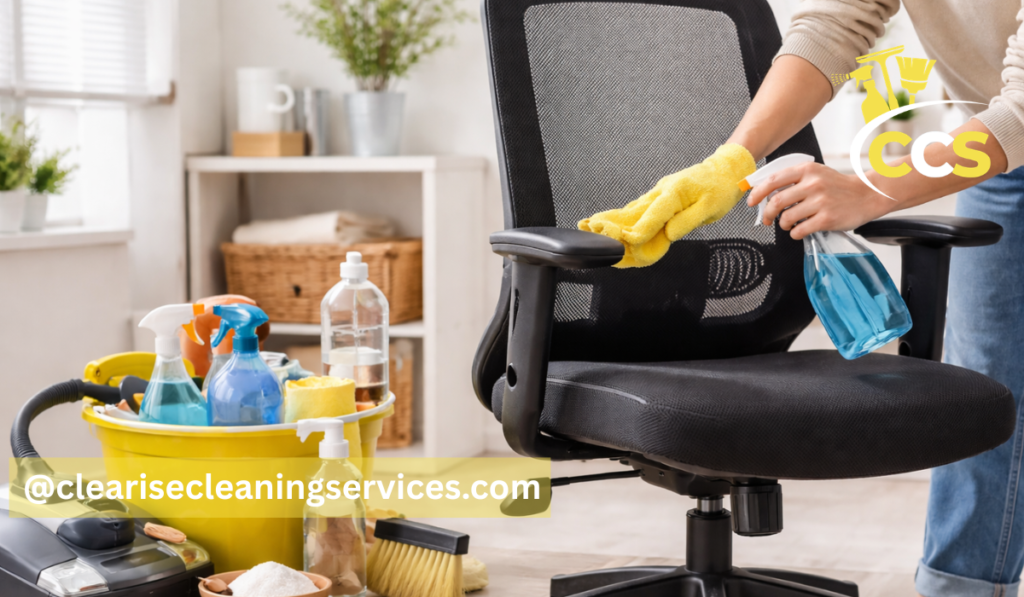
Keeping your workspace clean is not just about appearance — it directly affects your comfort, health, and productivity. One item that often gets overlooked is the office chair. Since it is used daily, it collects dust, sweat, spills, and even bacteria over time. Learning how to clean office chair properly can make a big difference in maintaining hygiene and extending the life of your furniture.
Many people assume that cleaning a chair is as simple as wiping it down, but that is not always the case. Office chairs are made from different materials such as fabric, mesh, leather, or plastic, and each one requires a slightly different approach. Using the wrong cleaning method can lead to discoloration, damage, or even permanent wear.
In this guide, you will learn how to clean office chair safely and effectively using simple, step-by-step methods. Whether your chair is fabric, leather, or mesh, this article will help you clean it the right way without causing any damage.
How to Clean Office Chair (By Material)
| Material | Cleaning Method | What to Avoid | Extra Tip |
| Fabric | Mild soap + warm water, blot gently | Scrubbing, too much water | Use baking soda for odor removal |
| Mesh | Damp microfiber cloth | Soaking or strong pressure | Use soft brush for small gaps |
| Leather | Leather cleaner or water + vinegar mix | Harsh chemicals, excess water | Apply conditioner after cleaning |
| Vinyl | Soap + water solution | Abrasive scrubbers | Wipe dry to prevent marks |
| Plastic/Metal | Damp cloth + mild cleaner | Rough pads or chemicals | Polish for extra shine |
Understanding Your Office Chair Material Before Cleaning
Before you begin cleaning, the most important step is to understand what your office chair is made of. Different materials react differently to water, cleaning agents, and pressure. Fabric chairs, for example, absorb moisture easily, while leather requires gentle care to avoid cracking. Mesh chairs are delicate and can lose their shape if handled roughly.
Most office chairs come with a small care tag, usually located underneath the seat. This tag often includes codes such as W, S, W/S, or X. These codes guide you on what type of cleaner is safe to use. A “W” means you can use water-based cleaners, while an “S” suggests solvent-based cleaners are better. “W/S” means both types are safe, and “X” indicates that only vacuuming or professional cleaning is recommended.
Ignoring these codes can lead to serious damage. For example, using too much water on a chair marked with “S” can leave stains or weaken the material. That is why understanding your chair’s material is the foundation of learning how to clean office chair correctly.
Essential Preparation Before You Start Cleaning
Preparation plays a key role in achieving good results. Jumping straight into cleaning without preparing the chair can make the process less effective and sometimes even messy. The first step is to remove loose dirt and debris. Over time, dust, crumbs, and hair collect in the seat, backrest, and small crevices. Using a vacuum cleaner with a brush attachment helps lift this dirt easily.
If your chair has a noticeable smell, especially fabric chairs, you can use baking soda to freshen it up. Sprinkle a light layer over the surface and let it sit for about fifteen minutes. After that, vacuum it off. This simple step helps remove odors without using strong chemicals.
It is also important to perform a spot test before applying any cleaning solution. Choose a small hidden area and test your cleaner there first. This ensures that the material will not fade or get damaged. At the same time, gather all your supplies such as a microfiber cloth, mild soap, water, and a soft brush. Having everything ready makes the process smoother and more efficient.
Step-by-Step Quick Guide
- Vacuum the chair to remove dust and debris
- Identify the material and check care label
- Prepare a suitable cleaning solution
- Spot test on a hidden area
- Clean gently using a cloth or sponge
- Dry properly to avoid damage or smell
- Clean wheels and base separately
- Disinfect high-touch areas
How to Clean a Fabric Office Chair Safely
Fabric office chairs are common because they are comfortable and breathable, but they can also trap dirt and stains easily. To clean them properly, start by mixing warm water with a few drops of mild dish soap. Dip a clean cloth into the solution and wring it out so it is damp, not soaking.
When cleaning stains, it is important to blot gently rather than rubbing. Scrubbing can push the dirt deeper into the fabric and damage the fibers. Work slowly and focus on one area at a time. If a stain is stubborn, you can repeat the process rather than applying more pressure.
One of the biggest mistakes people make when learning how to clean office chair made of fabric is using too much water. Over-wetting can lead to mold or unpleasant smells. After cleaning, allow the chair to air dry completely in a well-ventilated area. You can also use a fan to speed up the drying process.
How to Clean a Mesh Office Chair Without Damaging It
Mesh chairs are popular in modern offices because they provide airflow and support. However, the mesh material can be delicate, so it needs careful handling. Cleaning a mesh office chair starts with a damp microfiber cloth and a small amount of mild soap.
Gently wipe the surface without pressing too hard. The goal is to remove dirt without stretching or weakening the mesh. For areas where dirt gets trapped between the tiny holes, a soft brush or even a cotton swab can be helpful.
Avoid soaking the mesh or using strong cleaning solutions. Too much moisture can affect the tension of the material and cause sagging over time. With a gentle approach, you can keep your mesh chair clean while maintaining its structure and comfort.
How to Clean a Leather Office Chair and Maintain Its Shine
Leather office chairs add a premium look to any workspace, but they require special care. Unlike fabric, leather does not absorb dirt in the same way, but it can dry out or crack if not maintained properly. To clean leather, use a cleaner specifically designed for leather or a simple mixture of water and vinegar.
Apply the solution using a soft cloth and wipe gently. Avoid using too much liquid, as excess moisture can damage the surface. Once the chair is clean, it is important to condition the leather. A leather conditioner helps keep the material soft and prevents cracks from forming.
Regular care is key when learning how to clean office chair made of leather. Keeping it clean and conditioned not only improves its appearance but also extends its lifespan.
How to Clean Vinyl and Plastic Office Chair Surfaces
Vinyl and plastic parts are easier to clean compared to other materials. These surfaces are usually found on armrests, bases, or entire chairs in some cases. A simple mixture of mild dish soap and water works well for regular cleaning.
Wipe the surface with a damp cloth and remove any dirt or stains. For tougher spots, you can apply a little more pressure, but it is still important to avoid abrasive materials. Scrubbing pads or harsh tools can scratch the surface and make it look worn.
Keeping these parts clean helps maintain the overall appearance of your chair and prevents buildup over time.
Cleaning Office Chair Wheels and Base for Smooth Movement
The wheels and base of an office chair often collect the most dirt, yet they are rarely cleaned. Hair, dust, and debris can get stuck in the wheels, making it harder for the chair to move smoothly. To clean them, turn the chair upside down carefully.
Most wheels can be removed by pulling them out, although some may need a tool. Once removed, you can use tweezers or a small tool to remove trapped hair and dirt. After clearing the debris, wipe the wheels with a damp cloth and let them dry completely.
To improve movement, you can apply a small amount of lubricant to the wheel axles. This helps the chair roll smoothly and reduces noise. Regular cleaning of the base and wheels is an important part of understanding how to clean office chair fully.
Disinfecting High-Touch Areas for Better Hygiene
Office chairs are touched frequently, especially on armrests and adjustment handles. These areas can collect germs over time, especially in shared workspaces. Cleaning alone is not always enough, so disinfection becomes important.
Use disinfectant wipes or a gentle spray for non-fabric surfaces. Wipe down the armrests, levers, and base carefully. Make sure the disinfectant you use is safe for the material to avoid damage.
Avoid spraying disinfectant directly onto fabric or sensitive materials unless the product is designed for it. A careful approach ensures that you kill germs without harming your chair.
Common Mistakes to Avoid When Cleaning an Office Chair
When learning how to clean office chair, many people make simple mistakes that can lead to long-term damage. One common issue is using harsh chemicals without checking if they are safe for the material. Strong cleaners may remove stains but can also fade colors or weaken surfaces.
Another mistake is over-saturating the chair with water. Too much moisture can lead to mold, unpleasant smells, or damage to internal parts. Skipping a spot test is also risky, as some cleaning solutions can react badly with certain materials.
Ignoring regular maintenance is another problem. Waiting too long between cleanings makes dirt harder to remove and can shorten the life of the chair. Avoiding these mistakes will help keep your chair in good condition for a longer time.
How Often You Should Clean Your Office Chair
Cleaning frequency depends on how often you use your chair and the environment around it. For everyday use, light cleaning such as wiping and vacuuming can be done once a week. This helps prevent dirt buildup and keeps the chair looking fresh.
Deep cleaning does not need to be done as often. Depending on usage, once every one to three months is usually enough. If you work in a dusty area or frequently spill food or drinks, you may need to clean more often.
Regular maintenance is the easiest way to keep your chair clean without spending too much time or effort.
Conclusion
Knowing how to clean office chair properly is more important than many people realize. A clean chair not only looks better but also supports better hygiene, comfort, and durability. Since different materials require different care, understanding your chair’s material is the first step toward safe cleaning.
By following simple methods like vacuuming, gentle wiping, and using the right cleaning solutions, you can keep your chair in excellent condition. Regular cleaning also prevents damage and saves you from costly replacements in the future.
The key takeaway is to clean your chair regularly and carefully. With a simple routine and the right approach, you can maintain a clean, comfortable workspace every day.
FAQs
What Is The Easiest Way To Clean An Office Chair?
The easiest way is to vacuum first, then wipe with a mild soap solution based on the chair material.
Can I Use Water To Clean All Office Chairs?
No, always check the care tag. Some chairs require solvent-based cleaning instead of water.
How Do I Remove Bad Smell From A Fabric Office Chair?
Sprinkle baking soda, leave it for 15 minutes, then vacuum it to remove odors.
How Often Should I Clean My Office Chair?
Light cleaning weekly and deep cleaning every 1–3 months is recommended.
Can I Use Disinfectant On My Office Chair?
Yes, but only on non-fabric parts unless the product is safe for fabric use.
Disclaimer: This article is for informational purposes only. Cleaning results may vary depending on the chair material and condition. Always check manufacturer instructions and test cleaning solutions before full application to avoid damage.
Thanks for visiting Clearise Cleaning Services! Discover more helpful tips and expert cleaning insights by exploring our related categories.