A stone bath mat, usually made from diatomaceous earth, has become a popular choice in modern bathrooms. Unlike traditional fabric mats, it absorbs water quickly and dries almost instantly, helping keep your space clean and fresh. This natural material is lightweight, eco-friendly, and designed to resist moisture buildup when used properly.
However, knowing how to clean stone bath mat is essential if you want it to last long and continue working effectively. Because of its porous structure, it requires a different cleaning approach compared to regular mats. Many people make simple mistakes like soaking it in water or using harsh chemicals, which can damage the surface or reduce its absorbency.
In this guide, you will learn simple, safe, and effective methods to clean your stone bath mat without harming it. Whether you are doing routine maintenance or deep cleaning, this article will help you keep your mat fresh, hygienic, and fully functional.
How to Clean a Stone Bath Mat
| Cleaning Type | Method | What to Use | Frequency | Key Tip |
| Routine Cleaning | Quick rinse & wipe | Warm water, soft sponge | Weekly | Always dry vertically |
| Light Stains | Spot cleaning | Baking soda paste / vinegar | As needed | Scrub gently only |
| Deep Cleaning | Light sanding | Fine sandpaper (150–400 grit) | Every 2–3 months | Do it outdoors |
| Drying | Air dry upright | Ventilated space | After every wash | Avoid direct sunlight |
| Maintenance | Remove dust/debris | Dry cloth or brush | Regularly | Prevent buildup early |
Understanding How a Stone Bath Mat Works
To properly understand how to clean a stone bath mat, it helps to know how it works. These mats are made from diatomaceous earth, a natural material formed from fossilized algae. It contains millions of tiny pores that absorb water quickly and allow it to evaporate just as fast.
When you step out of the shower, the mat pulls moisture away from your feet and spreads it across its surface. This process allows the water to dry in a matter of minutes, which is why these mats do not stay damp like cloth ones.
Because the material is highly porous, it can also trap small particles such as dirt, soap residue, and oils from your skin. Over time, these particles can clog the pores and reduce the mat’s ability to absorb water efficiently.
This is why traditional cleaning methods do not work well. Soaking the mat or using strong cleaners can damage its structure or cause it to crack. Instead, it needs gentle care that protects its natural properties while removing buildup.
Routine Cleaning to Keep Your Stone Bath Mat Fresh
Routine cleaning is the easiest way to keep your stone bath mat in good condition. Regular maintenance prevents dirt and debris from building up and keeps the mat working as it should.
For everyday cleaning, start by removing loose debris like dust, hair, or small particles. You can simply shake the mat lightly or wipe it with a dry cloth. This step alone can make a big difference in maintaining cleanliness.
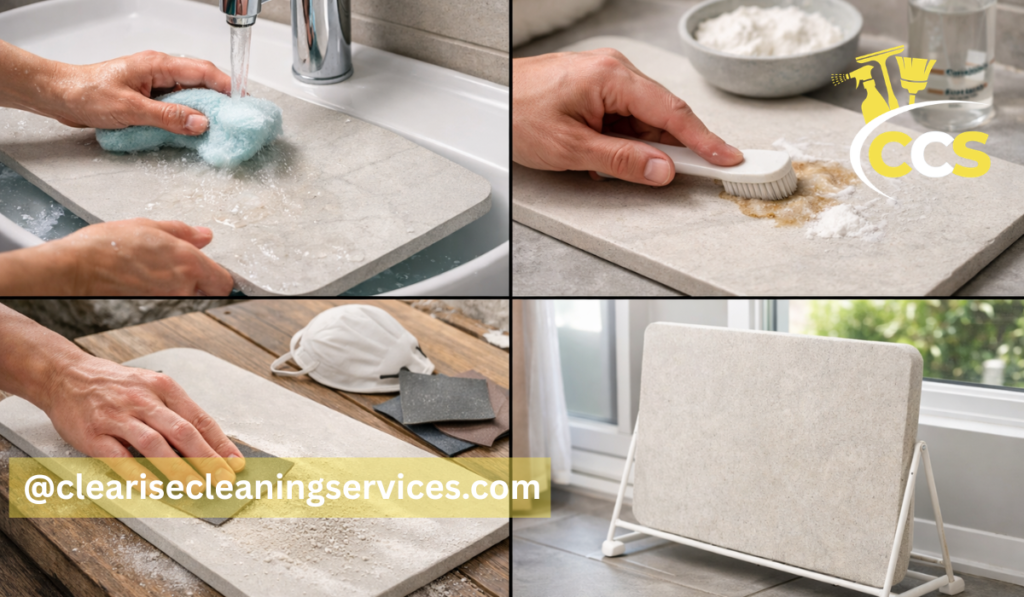
If the mat needs a bit more attention, you can rinse it briefly under warm running water. Keep the rinse short, usually around 20 to 30 seconds, to avoid overexposure to water. Use a soft sponge or a gentle brush if needed, and only apply a very small amount of mild soap.
After cleaning, drying is extremely important. Always place the mat upright in a well-ventilated area so air can flow around it. This helps it dry completely and prevents moisture from getting trapped inside.
By following this simple routine, you can extend the life of your mat and avoid the need for frequent deep cleaning.
Step-by-Step Guide (Simple & Practical)
- Remove dust and hair using a dry cloth or by shaking the mat
- Rinse briefly under warm water (do not soak)
- Use a soft sponge with mild soap if needed
- For stains, apply baking soda paste or vinegar solution
- Rinse lightly again and avoid excess water
- Place the mat upright in a ventilated area to dry
- If absorbency drops, lightly sand the surface
How to Remove Light Stains Without Damaging the Surface
Over time, you may notice light stains appearing on your stone bath mat. These are usually caused by toothpaste, soap residue, or hard water minerals. While these stains are common, they can be removed safely with the right approach.
A gentle and effective method is to use a baking soda paste. Mix a small amount of baking soda with water to form a thick paste, then apply it directly to the stained area. Let it sit for a few minutes before gently scrubbing with a soft brush. This helps lift the stain without harming the surface.
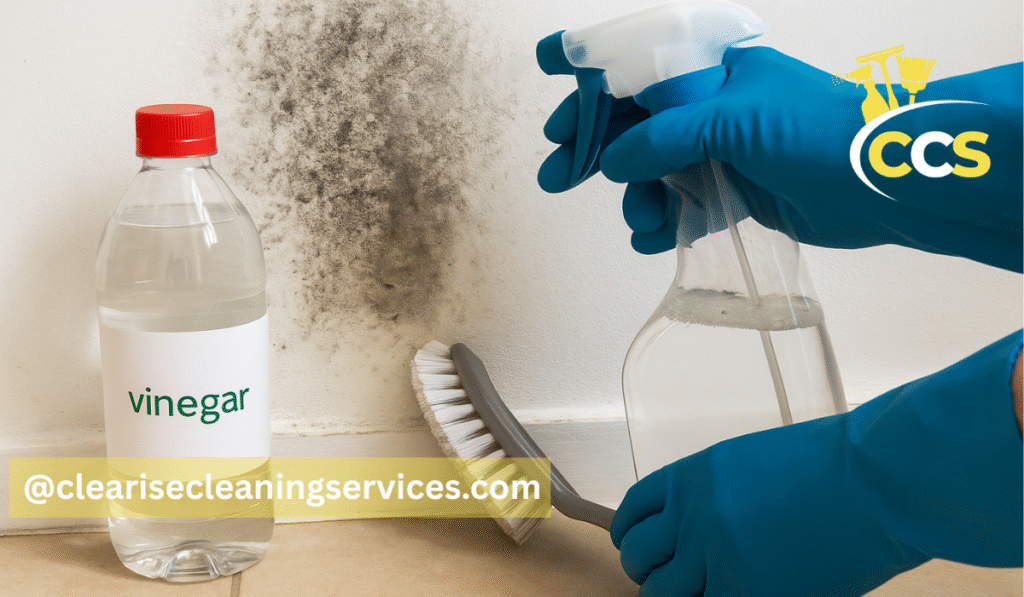
For mineral buildup, a mild vinegar solution can work well. Spray a mixture of equal parts water and white vinegar onto the affected area and allow it to sit briefly. After that, wipe it gently and rinse quickly with water.
It is important not to scrub too hard, as excessive pressure can wear down the surface. If the stain does not disappear completely the first time, you can repeat the process after the mat has dried.
These simple methods allow you to keep your mat looking clean while preserving its natural texture.
Deep Cleaning to Restore Absorbency
Even with regular care, your mat may eventually lose some of its absorbency. This usually happens when the tiny pores become clogged with oils, soap residue, and other buildup.
One of the most effective ways to restore its performance is through light sanding. This process removes the top layer of buildup and exposes fresh material underneath, allowing the mat to absorb water properly again.
Use fine-grit sandpaper, typically between 150 and 400 grit, and gently sand the surface in circular motions. There is no need to apply heavy pressure; a light touch is enough to refresh the mat.
Because sanding creates fine dust, it is best to do this outdoors or in a well-ventilated area. Wearing a mask can also help avoid breathing in dust particles.
Deep cleaning is not something you need to do often. In most cases, once every few months is enough, depending on how frequently the mat is used.
Drying and Storage Tips for Long-Term Use
Proper drying plays a major role in maintaining the quality of your stone bath mat. Since the material is designed to absorb water, it must be allowed to release that moisture fully after each use or cleaning.
The best way to dry the mat is by placing it upright in a well-ventilated area. This position allows air to circulate around the entire surface, helping it dry evenly and quickly.
Avoid leaving the mat flat on a wet floor or in a closed space, as this can trap moisture and lead to long-term damage. It is also important to keep it away from prolonged direct sunlight, which can cause the material to warp or crack over time.
When storing the mat, choose a dry and cool place. Proper storage helps preserve its structure and ensures it remains effective for daily use.
Common Mistakes to Avoid When Cleaning a Stone Bath Mat
Many issues with stone bath mats come from simple mistakes that are easy to avoid. One of the most common errors is soaking the mat in water. Since the material is porous, soaking can trap moisture inside and weaken its structure.
Another mistake is using harsh chemicals such as bleach or strong bathroom cleaners. These can damage the natural properties of the mat and reduce its effectiveness.
Leaving the mat in direct sunlight for long periods is also not recommended. While some sunlight can help with drying, too much heat can cause cracks or warping.
Improper handling, such as dropping the mat or placing it on uneven surfaces, can also lead to damage. Treating it gently will help it last much longer.
By avoiding these common mistakes, you can maintain your mat without unnecessary wear and tear.
How Often Should You Clean a Stone Bath Mat
The cleaning frequency of your stone bath mat depends on how often it is used and the environment it is placed in. In most households, light cleaning once a week is enough to keep it fresh.
If the mat is used frequently or placed in a humid bathroom, it may require more attention. High humidity can cause more buildup, which means cleaning may need to be done more often.
A simple routine can include weekly rinsing and occasional stain removal when needed. Deep cleaning, such as sanding, can be done every few months or whenever you notice a decrease in absorbency.
Following a consistent schedule makes it easier to maintain the mat and prevents problems before they start.
Signs Your Stone Bath Mat Needs Replacement
Even with proper care, a stone bath mat will not last forever. Over time, you may notice signs that it needs to be replaced.
Visible cracks or chips are one of the clearest indicators. Once the structure is damaged, the mat may no longer function properly.
Persistent stains or odors that do not go away after cleaning can also signal that the mat has reached the end of its lifespan. Another sign is when the mat stops absorbing water effectively, even after deep cleaning.
If you notice these issues, it may be time to consider a replacement to maintain hygiene and performance.
Conclusion
Knowing how to clean a stone bath mat properly can make a big difference in how long it lasts and how well it performs. With simple routine cleaning, gentle stain removal, and occasional deep cleaning, you can keep your mat in excellent condition.
The key is to handle it with care, avoid harsh methods, and follow a consistent cleaning routine. By doing so, you not only protect the material but also ensure your bathroom stays clean, dry, and hygienic.
With the right approach, your stone bath mat can remain a reliable and stylish part of your home for a long time.
FAQs
Can I Soak A Stone Bath Mat In Water?
No, soaking is not recommended. It can trap moisture inside and damage the mat’s structure.
How Do I Restore Absorbency In My Stone Bath Mat?
You can restore absorbency by lightly sanding the surface with fine-grit sandpaper to remove clogged layers.
Is It Safe To Use Vinegar On A Stone Bath Mat?
Yes, a diluted vinegar solution can help remove mineral buildup, but it should be used gently and rinsed quickly.
How Long Does A Stone Bath Mat Take To Dry?
It usually dries within a few minutes, but after cleaning, allow it to air dry completely in a ventilated area.
How Often Should I Clean My Stone Bath Mat?
Light cleaning should be done weekly, while deep cleaning can be done every few months depending on usage.
Disclaimer: This content is for general informational purposes only. Cleaning methods may vary depending on the product brand and condition. Always follow the manufacturer’s care instructions for best results.
Thanks for visiting Clearise Cleaning Services! Discover more helpful tips and expert cleaning insights by exploring our related categories.