When it comes to keeping a home healthy, the biggest difference often comes from the small things we touch every day. For families with children, cleaning household surfaces isn’t just a routine chore — it’s one of the simplest ways to reduce germs, cut down allergens, and lower the chances of everyday illnesses spreading from room to room. Kids naturally explore with their hands, crawl on floors, and touch anything that looks interesting, which means surfaces become hotspots for bacteria much faster than we realize.
Here’s the thing: most people think of cleaning as wiping the floor or doing a quick sweep, but “surfaces to be cleaned” include far more than that. Countertops where food is prepared, toys that travel from the living room to the bedroom, doorknobs touched dozens of times a day, and even light switches or remote controls — all of these quietly collect germs and dust over time. When these areas are cleaned regularly and properly, the home becomes safer not only for children, but for everyone living in it.
Adopting simple, consistent cleaning habits creates a healthier environment, protects vulnerable family members, and helps prevent the spread of common infections. It’s not about perfection — it’s about knowing which surfaces matter most and taking small steps that truly make the home feel clean, safe, and comfortable. Let’s explore those surfaces and how to keep them in good shape.
Understanding Cleaning, Sanitizing, and Disinfecting: What’s the Difference
A lot of people use these three words interchangeably, but each one plays a different role in keeping a home truly healthy. Understanding the difference helps you decide what your surface needs — a basic wipe, a germ-reduction step, or a deeper treatment to eliminate harmful pathogens.
Cleaning is the first and most essential step. It removes visible dirt, dust, food residue, and many germs from a surface using soap or detergent and water. Think of it as the “reset” step — you’re not necessarily killing all germs, but you’re removing the layer of grime they cling to. Daily cleaning is enough for most surfaces, especially those that don’t come in contact with food or mouths.
Sanitizing goes a step further. After cleaning, sanitizers reduce the number of germs on a surface to a level considered safe by public health standards. This step is ideal for areas like kitchen counters, high chair trays, cutting boards, and bathroom sinks — places where germ control matters but harsh disinfectants aren’t always necessary.
Disinfecting is the strongest approach. Disinfectants are designed to kill a high percentage of harmful bacteria and viruses that cleaning alone won’t eliminate. This step becomes important when someone in the home is sick, when cleaning bathroom surfaces, or when dealing with high-touch items like doorknobs, toilet handles, and faucets.
A simple rule of thumb parents find helpful is:
- Clean daily to remove dirt and messes.
- Sanitize when a surface touches food or a child’s mouth.
- Disinfect when there’s illness or when dealing with high-touch hotspots.
Using each method at the right time keeps your home safe without overusing chemicals or overcomplicating your routine.
Why It Matters: Health, Hygiene and Home Wellness
A clean home isn’t just about looking tidy — it directly affects your family’s health and comfort. When surfaces collect germs, dust, or allergens, illnesses spread faster and children become more vulnerable. By keeping commonly touched areas clean, parents create a safer space where kids can move, play, and explore without unnecessary risks. Clean surfaces also improve the overall environment, helping everyone feel more relaxed and energized throughout the day.
Cleaning And Regular Sanitizing/disinfecting Reduces Health Risks
When surfaces are cared for consistently, the chances of infections and allergies drop. This is especially important in homes with babies or immunocompromised family members who are more sensitive to germs.
A Clean Environment Supports Overall Well-being
A neat, fresh environment reduces stress and improves sleep quality. Parents feel more in control and children enjoy a healthier space to grow and play.
Protecting Little Ones Who Touch Everything
Kids touch toys, floors, and high-contact items all day long. Keeping these surfaces clean reduces the transfer of germs and keeps little hands safe.
Types of Surfaces to Be Cleaned at Home
Homes are full of different surfaces, and each one needs its own level of care. Understanding how these surfaces behave helps you choose the right cleaning method and avoid damaging anything while still keeping your family safe. Here’s a simple breakdown that parents often find helpful.
Hard, Non-Porous Surfaces
These are the strong, solid surfaces that don’t absorb liquids. They’re touched all day long, which makes them the most important to clean regularly.
Common examples include:
- Kitchen counters and food-prep areas
- Dining tables and coffee tables
- Bathroom tiles, sinks, and faucet handles
- Door handles, knobs, and light switches
- Floors, especially in high-traffic areas
Because these surfaces are high-touch, they usually need a quick cleaning every day and disinfecting when someone is sick or when food is involved. They hold onto germs easily but also clean up quickly with the right products.
Soft or Porous Surfaces and Fabrics
These surfaces absorb spills, dust, and even odors, so their cleaning method depends heavily on the material. They usually can’t be disinfected the same way hard surfaces can, but they can still be kept hygienic.
Examples include:
- Carpets, rugs, and runners
- Curtains and drapes
- Sofas, chairs, and upholstered furniture
- Fabric toys, plush items, and baby blankets
- Bedding and pillows
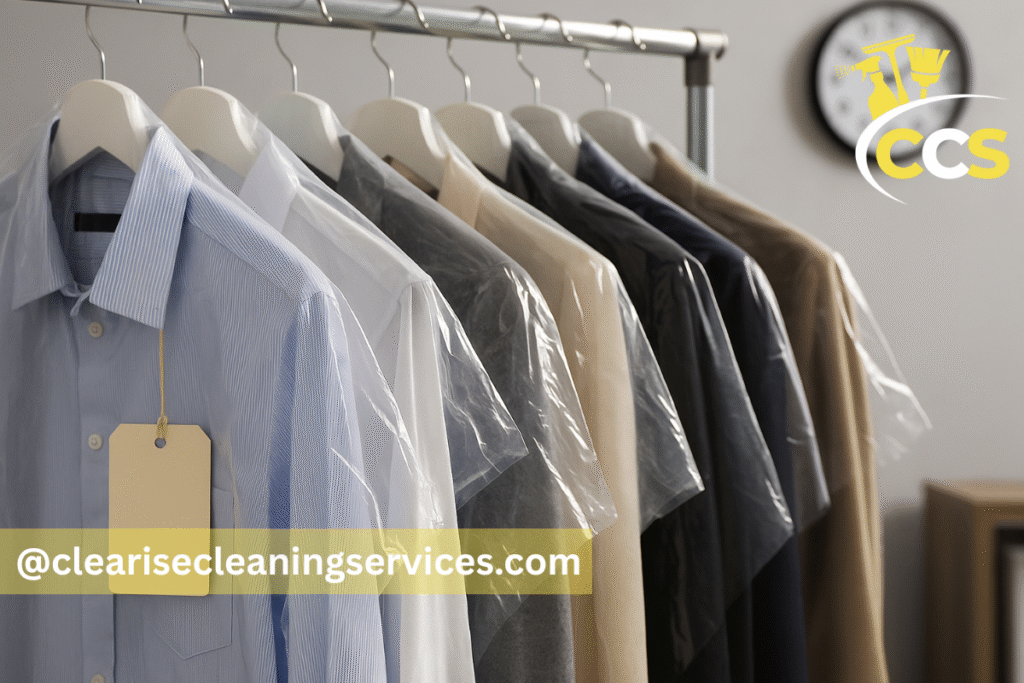
Most of these require vacuuming, gentle spot-cleaning, steaming, or laundering. Parents with small children often wash soft items more frequently since kids love hugging, dragging, and even chewing on them.
Miscellaneous Household Items and Equipment
Some household objects aren’t technically “surfaces,” but they act like them because of how often they are touched. These are the hidden hotspots where germs build up fast.
A few examples are:
- Children’s toys, remote controls, and game controllers
- Keyboards, switches, and handheld devices
- Kitchen tools, cutting boards, feeding surfaces
- Baby bottles, pacifiers, and high-chair trays
- Changing tables and diapering stations
Since parents and kids use these items multiple times a day, keeping them clean helps lower the spread of everyday germs, especially in homes with infants.
When and How Often to Clean Different Surfaces
Different surfaces don’t follow the same schedule. Some need attention every day, while others only need occasional care. A simple cleaning routine becomes much easier when you know what should be cleaned daily, weekly, or as needed.
High-Touch Surfaces (Clean Daily or When Dirty)
These are the spots almost everyone touches without even thinking. Because germs transfer quickly from hands to surfaces and back again, these areas benefit from regular cleaning and occasional disinfecting.
Examples of high-touch surfaces:
- Doorknobs
- Light switches
- Faucet handles
- Kitchen counters
- Remote controls
- Appliance handles
A quick wipe each day — and disinfecting when someone is sick — helps reduce the spread of common germs around the home.
Low-Traffic or Less Frequently Touched Surfaces (Weekly to Monthly)
These surfaces don’t collect germs as fast, but they still build up dust, spills, and general grime. Cleaning them on a schedule keeps your home feeling fresh without requiring daily effort.
These include:
- Shelves and side tables
- Windowsills and blinds
- Inside cabinets or drawers
- Walls, corners, and baseboards
- Decorative items
The cleaning frequency depends on your home’s activity level. Busy households may need weekly care, while quieter homes can space it out monthly.
Soft and Porous Surfaces (Regular Laundering or Vacuuming)
Soft materials trap dust, allergens, and odors deeper than hard surfaces. Because they absorb more, they need routine cleaning to stay fresh and hygienic.
Typical items to care for:
- Rugs, carpets, and runners
- Bedding, pillowcases, and blankets
- Curtains, drapes, and fabric blinds
- Upholstered furniture
- Fabric toys and plush items
Vacuum regularly, wash as recommended by the manufacturer, and when possible use warm water and thorough drying to eliminate hidden germs.
How to Clean, Sanitize, and Disinfect Safely and Effectively
Keeping your home hygienic isn’t just about wiping things randomly. There’s a correct order and a safe method that makes every step more effective. Here’s a simple, parent-friendly walkthrough you can follow.
Step 1: Start With Basic Cleaning
Begin by removing the dirt you can actually see. Use soap or detergent with water to wipe away dust, food residue, fingerprints, and sticky spots. This step matters because sanitizers and disinfectants don’t work well on dirty surfaces. Cleaning first creates a clear base so the next steps actually do their job.
Step 2: Read the Product Label Before Anything Else
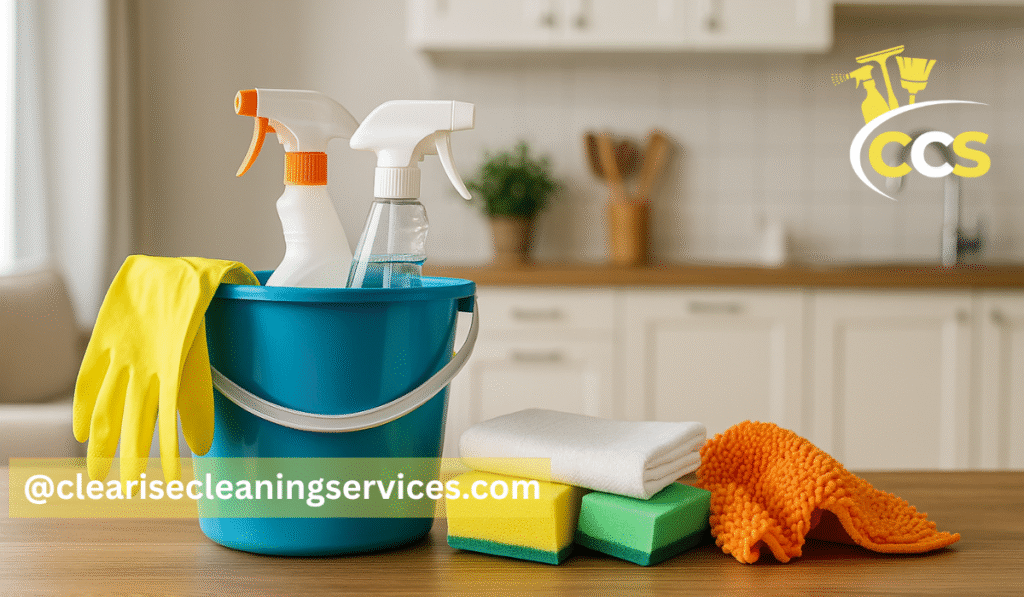
Every cleaning product comes with instructions for a reason. Check the label for dilution guidelines, surface suitability, and the required “contact time” — the number of minutes the solution needs to sit on a surface to work properly. While cleaning, wear gloves, keep fresh air flowing, and store chemicals far from children’s reach.
Step 3: Match the Product With the Surface
Not all surfaces can handle strong disinfectants. Wood, painted areas, and delicate finishes can get damaged easily. Children’s toys, feeding trays, and baby utensils usually need milder options or simple soap-and-water cleaning unless someone in the family is ill.
For hard, non-porous surfaces, disinfectants may be suitable. For softer or porous items, gentle cleaning or washing is usually safer.
Step 4: Use Child-Safe Methods for Kids’ Items
Anything a child touches frequently — pacifiers, toys, high-chair trays, feeding surfaces — deserves extra care. Mild cleaning or sanitizing is often enough for daily use. Save the stronger disinfectants for times when your child has been sick or when a surface is visibly contaminated. The goal is to keep things clean without exposing your kids to unnecessary chemical residue.
Special Considerations for Families with Children
When there are young children in the house, cleaning isn’t only about keeping things “looking neat” — it becomes part of protecting them. Babies and toddlers move around quickly, crawl on floors, grab anything within reach, and often put objects straight into their mouths. Because of this, the surfaces they touch can collect germs faster than in adult-only homes, making frequent cleaning especially important.
Parents usually focus on high-touch or food-contact surfaces first. Things like feeding tables, high chairs, toy bins, children’s toys, kitchen counters, doorknobs, and light switches should be cleaned or sanitized regularly because they’re used all day long. These spots are where germs transfer the most, especially when kids share toys or move between rooms.
Child safety also matters when choosing products. Whenever possible, use non-toxic or child-safe cleaners, and always rinse surfaces well after disinfecting so no residue stays behind. Soft items need extra attention too. Bedding, fabric toys, drapes, and other cloth materials should be washed more frequently, especially if your child has allergies or respiratory sensitivities.
Quick Parent Checklist
- Make sure baby items get gentle cleaning or sanitizing
- Wipe high-touch surfaces daily
- Rinse disinfected areas before a child uses them
- Wash soft items regularly to remove hidden allergens
These small habits make a big difference in keeping your home safer for little ones who are still building their immune systems.
Deep Cleaning and Periodic Maintenance: Going Beyond Daily Wipes
Daily wiping handles the mess you can see, but deep cleaning takes care of the hidden spots that quietly collect dust, germs, and buildup. These areas don’t need attention every day, but giving them proper care once in a while makes your home healthier, fresher, and easier to maintain in the long run.
Overlooked Areas That Need Periodic Cleaning
Some spots naturally get ignored because they’re out of sight. Window blinds, curtains, ceiling fans, light fixtures, appliance interiors, and the spaces behind or under furniture often store layers of dust and allergens. Giving them a thorough cleaning every few weeks or months helps improve air quality and keeps unexpected grime from spreading to everyday surfaces.
Caring for Soft Surfaces
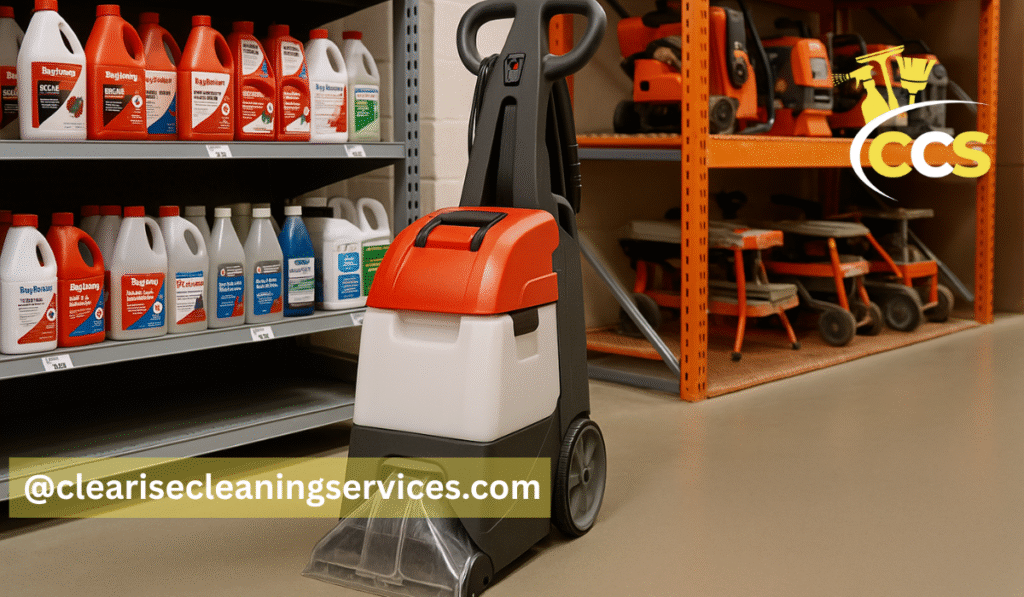
Mattresses, carpets, rugs, and upholstered furniture absorb more dirt than you might think. These materials trap sweat, dust mites, pet dander, and odors deep inside the fibers. Depending on the item, vacuuming, steam-cleaning, or laundering is the safest approach. Always follow material guidelines to avoid damaging fabrics while removing what’s hidden beneath the surface.
Decluttering Makes Everything Easier
A home with fewer unnecessary items automatically becomes simpler to clean. Decluttering reduces the number of surfaces where dust can settle, and it minimizes the time spent moving things around during deep-cleaning sessions. When shelves, countertops, and corners stay clear, germs have fewer places to hide — and you spend less time scrubbing and more time enjoying your home.
Prioritizing Which Surfaces to Clean First: An Effective Strategy
Not every surface in the house carries the same level of risk. Some areas collect germs faster, some get dirty slowly, and others only need attention once in a while. Having a simple priority plan helps you stay organized and keeps your cleaning routine efficient without wasting time.
First Priority: High-Touch, High-Risk Surfaces
Start with the areas people touch the most. Door handles, light switches, faucets, sinks, and countertops can carry germs from one person to another within minutes. Children’s feeding spaces, play areas, and frequently used devices like phones or remotes fall into this category too. These surfaces benefit from daily cleaning or disinfecting, especially when someone in the house is sick.
Second Priority: Frequently Used but Lower-Risk Areas
Next, focus on surfaces that still gather dirt but don’t spread germs as quickly. Floors, carpets, rugs, curtains, and general furniture fit here. These areas mainly collect dust, crumbs, pet hair, and everyday debris. Weekly cleaning is usually enough unless you have small kids or pets, in which case you may need a bit more frequent care.
Third Priority: Occasional Maintenance Surfaces
These are the hidden or rarely touched spots that don’t need everyday attention. Blinds, walls, storage areas, and the spaces behind or under furniture fall into this group. A monthly or quarterly deep-clean keeps them under control and prevents dust and grime from building up over time. Tackling these areas occasionally helps maintain long-term cleanliness with minimal effort.
Common Mistakes to Avoid & Expert Tips
It’s easy to make small cleaning mistakes without realizing it, and those habits can reduce how effective your routine actually is. Here are a few things experts often highlight when helping families create a safer cleaning plan:
Skipping The Cleaning Step
Many people go straight to disinfecting without removing dirt first. When a surface is dusty or sticky, disinfectants can’t work properly. Cleaning with soap and water should always come before sanitizing or disinfecting.
Using The Wrong Products On Delicate Surfaces
Harsh disinfectants can damage wood, painted finishes, or items children use daily. They may leave behind chemical residue that isn’t safe for kids. Always choose gentle products for toys, feeding trays, and baby items unless you’re dealing with illness.
Expert Safety Tip
Good ventilation, gloves, and careful storage of cleaning chemicals make the process much safer. A quick rinse on disinfected surfaces can also help remove leftover residue, especially on any item a child will touch.
Expert Routine Tip
A simple schedule goes a long way. High-touch spots get daily attention, while lower-risk surfaces can be handled weekly or monthly. This prevents the cleaning workload from stacking up and helps keep the whole home consistently fresh.
Conclusion
Understanding which “surfaces to be cleaned” matter most can completely change how healthy your home feels. It’s not just about sweeping floors — high-touch items, toys, fabrics, kitchen areas, and everyday objects all play a role in your family’s well-being.
With regular cleaning, safe sanitizing, and smart disinfecting, you create an environment that protects children, reduces illness, and supports a more comfortable daily life. Simple habits make all the difference. Instead of waiting for mess or sickness to appear, taking small, consistent steps keeps your home cleaner, safer, and more welcoming for everyone.
FAQs
Which Surfaces Should I Clean Most Often?
High-touch areas like door handles, light switches, countertops, faucets, and children’s feeding or play surfaces need daily cleaning because germs spread quickly through frequent contact.
How Can I Reduce Germs In My Home Without Using Strong Chemicals Every Day?
Regular cleaning with soap and water goes a long way. For high-touch surfaces, you can sanitize instead of fully disinfecting unless someone is sick. Gentle, child-safe products are effective for everyday use.
Do Soft Surfaces Like Curtains And Carpets Really Need Regular Cleaning?
Yes. Soft or porous surfaces trap dust, allergens, and odors. Vacuuming, steaming, or laundering them periodically keeps the home healthier, especially for kids with allergies.
Is Disinfecting Necessary If No One Is Sick?
Daily disinfecting isn’t required for every home. Routine cleaning is usually enough. Disinfect when surfaces are visibly dirty, after handling raw food, or when someone in the home is ill.
What’s The Safest Way To Clean Baby Items?
Use mild, non-toxic cleaners or simple soap-and-water. Rinse thoroughly to remove residue. Only use strong disinfectants on baby items when absolutely necessary, such as during sickness.
Disclaimer: This article is for general home hygiene guidance only and is not a substitute for professional cleaning or medical advice. Cleaning methods may vary depending on materials, household needs, and product instructions. Always follow safety guidelines and manufacturer recommendations when using cleaning products, especially around children and sensitive surfaces.
Thanks for visiting Clearise Cleaning Services! Discover more helpful tips and expert cleaning insights by exploring our related categories.