Keeping the toilet clean is more than just making the bathroom look neat — it’s a basic part of protecting your family’s health, especially when you have young children at home. A toilet can collect germs, bacteria, odors, and stains faster than most people realize, and without regular cleaning, those germs can easily spread to hands, floors, and other surfaces your kids touch every day. New parents often worry about things like which cleaning products are safe around children, how often the toilet needs to be cleaned, and how to deal with stains that keep coming back no matter how much they scrub. These concerns are completely normal.
The purpose of this guide is to simplify the entire process for you. You’ll learn the best products to use, gentle natural methods that are safe for families, practical cleaning steps, and a clear routine you can follow without stress. With expert-backed tips and real-life, easy-to-apply advice, this article will help you keep the toilet bowl, seat, and surrounding area hygienic, fresh, and safe — giving you peace of mind in a busy household.
Why Regular Toilet Cleaning Matters for Families
Toilet cleaning may feel like a small task, but for families — especially those with young kids — it directly affects health and hygiene. A neglected toilet quickly gathers germs, bad smells, and stains that become harder to remove later. Here’s why parents should take it seriously:
Health Risks of a Dirty Toilet
- Germs like E.coli and mold grow faster in a moist toilet environment.
- Flushing spreads tiny droplets into the air, landing on floors, towels, and even toothbrushes.
- Unclean surfaces increase the chance of stomach infections and skin irritation.
Impact on Children’s Health
- Kids touch the seat, handle, and surrounding areas without thinking.
- Their immune systems are still developing, making them more vulnerable to bathroom bacteria.
- A cleaner toilet encourages better hygiene habits and reduces everyday illness risk.
Preventing Odors, Stains, and Long-Term Damage
- Regular cleaning stops brown rings, mineral buildup, and hard-to-remove stains from forming.
- It protects the porcelain surface from permanent discoloration.
- Eliminates lingering odors that make the bathroom feel unclean even after daily use.
Essential Tools and Products for Effective Toilet Cleaning
Let’s keep this section simple, like a friendly guide. Cleaning the toilet becomes much easier when you have the right tools. With the correct items in your hands, the job is faster, cleaner, and safer — especially for parents who want a hygienic bathroom for their kids.
Must-Have Tools for a Proper Toilet Clean
Here are the basic tools you should always keep at home:
- Toilet brush: A brush with firm bristles helps remove dirt and buildup inside the bowl, especially under the rim.
- Rubber gloves: These protect your hands from germs and cleaning chemicals.
- Microfiber cloths: Soft cloths that don’t scratch the surface. They are perfect for cleaning the seat, tank, and flush handle.
- Disinfectant spray or liquid cleaner: Helps kill germs and gives the toilet a fresh smell.
- Pumice stone: Useful for removing strong brown stains or hard-water marks. Use it gently on porcelain surfaces.
Commercial Cleaners vs Natural/Eco-Friendly Options
Here’s a quick, easy comparison to help you choose what’s right for your family:
Commercial toilet cleaners:
- Pros: Work fast, remove tough stains quickly, and provide strong disinfection.
- Cons: Some have strong chemicals or fumes, so you must use them carefully around children.
Natural cleaners (vinegar, baking soda, mild soap):
- Pros: Safer for kids, gentle on surfaces, and good for everyday cleaning.
- Cons: May take more time to remove stubborn stains and need regular use for best results.
Safety First: What to Avoid
A few important safety reminders for families:
- Never mix cleaning products — especially bleach with vinegar or toilet gels. This can create dangerous fumes.
- Avoid harsh powders that can scratch the toilet’s surface permanently.
- Store all cleaning products away from children, even natural ones, to prevent accidents.
Step-by-Step Guide: How to Clean a Toilet Safely and Thoroughly
This guide explains how to clean your toilet in simple steps, just like a professional cleaner would teach you. No complicated words — only clear instructions.
Step 1: Prepare the Area
Good cleaning always starts with preparation.
- Remove anything placed on top of the toilet tank (bottles, décor, toiletries).
- Put on rubber gloves to protect your hands.
- Gather all your supplies in one place — toilet brush, cleaner, cloths, spray, and a small bucket if needed.
- Turn on the bathroom fan or open a window for fresh air.
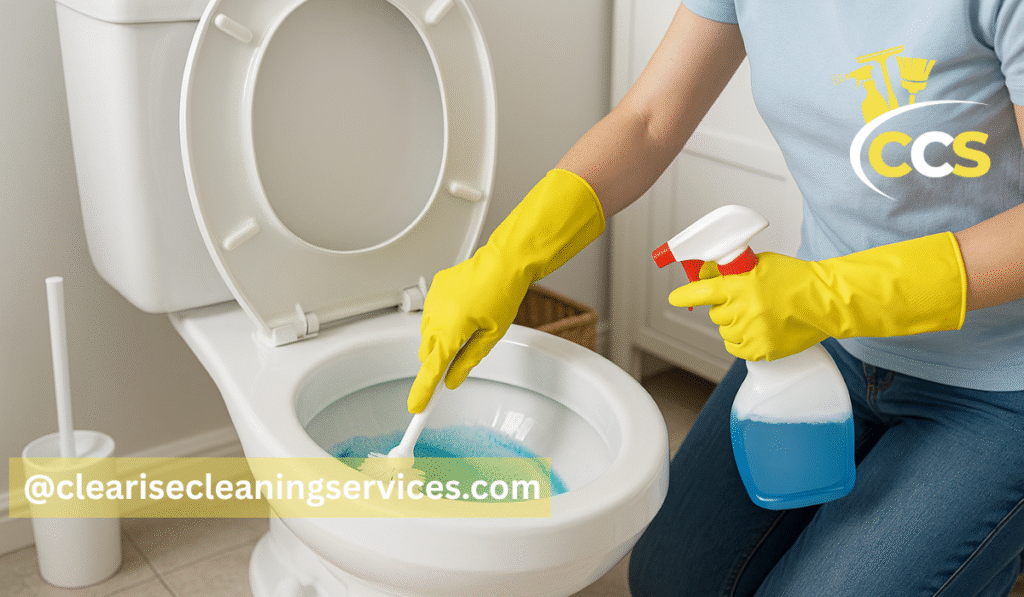
Step 2: Clean the Bowl
This is the part where most germs and stains collect.
- Flush once to make the bowl wet. This helps the cleaner spread better.
- Apply toilet cleaner (or a natural mix like vinegar and baking soda) around the rim.
- Leave it for 2–3 minutes so it can loosen dirt.
- Scrub under the rim — this is where hidden buildup usually stays.
- Scrub the drain area using circular motions.
- Flush again to wash everything away.
Quick tip: For weekly cleaning, light scrubbing is enough. For monthly deep cleaning, spend extra time under the rim.
Step 3: Clean the Seat and Outside Areas
This is the part kids touch the most, so clean it well.
Clean in this order:
- Lid
- Seat (top and bottom)
- Hinges
- Flush handle
- Tank
- Sides of the toilet
- Base of the toilet
Use a microfiber cloth and a disinfectant spray. Pay special attention to the bottom of the seat because splashes often collect there.
Step 4: Clean the Floor Around the Toilet
The floor around the toilet also collects germs from splashes and moisture.
- Spray the area with cleaner or use soapy water.
- Wipe it with a cloth or a small mop.
- Clean the corners too — dust and moisture together can cause mold.
Step 5: Take Care of Your Cleaning Tools
Clean tools keep your bathroom healthy. Dirty tools spread germs.
- Rinse the toilet brush with hot water and dip it in disinfectant. Let it dry completely.
- Wash or disinfect your gloves.
- Wash microfiber cloths separately from other laundry.
- Never leave the brush sitting in a wet holder — moisture helps germs grow.
Natural & Gentle Methods: Safe Cleaning for Families with Kids
When you have young children at home, gentle cleaning methods are often a better choice. Natural cleaners like baking soda, vinegar, and mild soap are safer, have lighter smells, and are good for regular use. They clean well without exposing your family to strong chemicals.
Why Natural Methods Matter
Natural cleaning methods are helpful because:
- They are safer for kids.
- They are budget-friendly.
- They do not have strong chemical smells.
- They are great for everyday cleaning.
- They are gentle on skin and bathroom surfaces.
These options are perfect for parents who want a clean toilet without using harsh products.
How to Clean Using Baking Soda & Vinegar
This method is easy and works surprisingly well. You can use it once a week for regular maintenance.
Steps:
- Flush the toilet so the bowl becomes wet.
- Sprinkle ½ cup of baking soda inside the bowl.
- Pour ½ cup of vinegar around the rim.
- The mixture will foam — this is normal and helps loosen dirt and germs.
- Leave it for 5–10 minutes.
- Scrub the rim, sides, and drain area with a toilet brush.
- Flush again to rinse everything clean.
For light, everyday cleaning, mild liquid soap with warm water also works very well — especially for the seat, tank, and the outside parts of the toilet.
When Natural Methods Are Not Enough
Sometimes natural cleaners cannot remove very tough stains. You should switch to a stronger cleaner if:
- Hard water stains are deep.
- Brown mineral rings keep coming back.
- Rust-like stains are visible.
- Old buildup is stuck and won’t come off even after scrubbing.
In these cases, use a strong toilet gel cleaner or disinfectant — but always use it carefully, wear gloves, and keep children away while cleaning.
Dealing with Tough Issues: Stains, Hard Water, Odor & Discoloration
Sometimes your toilet still doesn’t look or smell clean even after a normal cleaning. This usually happens because of deep stains, hard water marks, or hidden odors. With a little focused cleaning, you can fix these problems without spending the whole day.
Hard Water Stains & Mineral Deposits
To remove white or brown hard-water marks:
- Flush the bowl first.
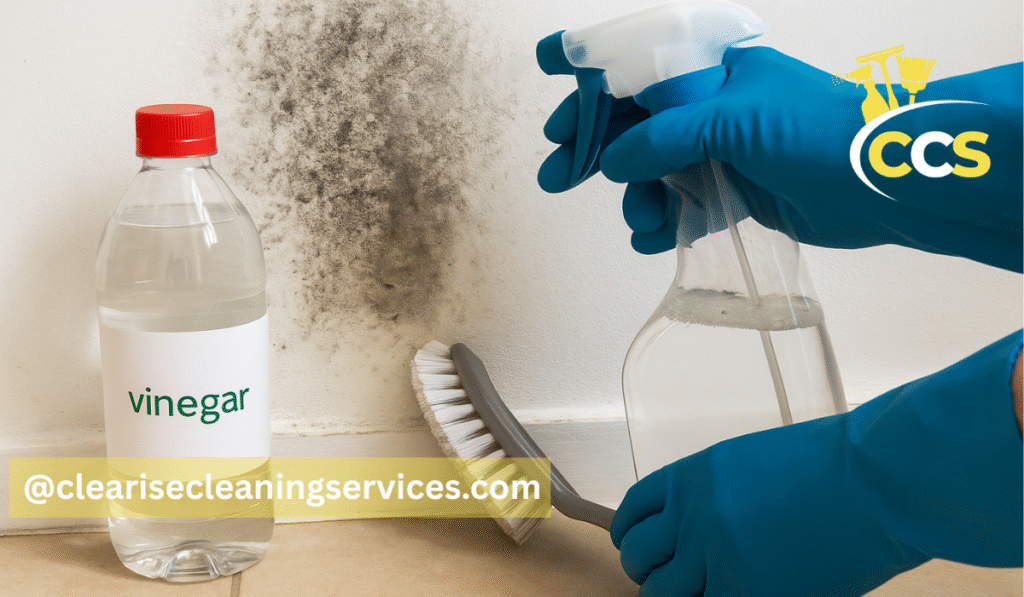
- Pour white vinegar inside the rim and on the stained areas.
- Leave it for 20–30 minutes so the minerals soften.
- Scrub with a toilet brush.
- For very strong stains, wet a pumice stone and gently rub it on the porcelain (never use it on plastic).
- Flush to rinse and check. Repeat if needed.
Rust, Brown Stains & Rim Rings
For brown rings or rust-like stains:
- Start with the vinegar + baking soda
- If stains are very stubborn, use a toilet stain remover and follow the directions on the bottle.
- Scrub under the rim properly by pushing the brush upward — most stains hide there.
- Weekly cleaning helps prevent these rings from coming back.
Odor Control & Hidden Smell Sources
Bad smells don’t always come from the bowl. Many odors hide around small areas.
- Wipe the seat hinges, around the base, and bathroom corners — small spills dry there and create smell.
- Sometimes the toilet tank causes odor. Lift the lid and do a light clean or use a safe tank tablet.
- Keep the bathroom ventilated. Open a window or run the exhaust fan daily, especially when kids use the bathroom often.
- Wash soft bathroom mats regularly because they absorb moisture and hold smell.
Frequency & Routine: How Often Should You Clean Your Toilet?
Keeping a toilet clean is easier when you follow a simple routine. You don’t have to spend a lot of time — you just need to clean the right things at the right time. This is even more important in homes with children, where messes happen more often.
Recommended Schedule for Families
Here’s an easy cleaning routine you can follow:
- Quick cleaning: 2–3 times a week
- Deep cleaning: Once a week
- Spot cleaning: Whenever you see a spill or mess
Homes with kids may need quick wipe-downs more often because children touch the seat, handle, and surrounding areas many times a day.
Light Maintenance vs Deep Cleaning
Both types of cleaning play an important role:
Light cleaning includes:
- Wiping the toilet seat
- Cleaning the flush handle
- Spraying disinfectant on the tank and sides
- A quick brush inside the bowl
This takes only a minute or two and keeps germs under control.
Deep cleaning includes:
- Scrubbing under the rim
- Removing stains
- Cleaning the base and floor area
- Wiping hinges and hidden spots
- Disinfecting all surfaces properly
Deep cleaning removes buildup and prevents stains from becoming permanent.
What to Do Between Major Cleans
Small steps make a big difference:
- Wipe the seat and handle after someone is sick or if you see fingerprints or marks.
- Clean spills immediately so they don’t dry and create smell.
- Use a quick disinfectant spray on busy days for an instant refresh.
- Teach kids to flush properly and wash their hands — this keeps the toilet cleaner throughout the week.
Extra Tips for New Parents: Hygiene Awareness & Preventive Habits
New parents often worry about keeping the bathroom clean and safe for their children. A few simple habits can make a big difference in preventing germs from spreading and keeping the toilet area fresher for longer.
Teach Kids to Wash Their Hands
One of the most important habits is handwashing. Make sure your child washes their hands every time they use the toilet. This reduces the risk of spreading germs around the home and helps them build good hygiene habits from an early age.
Close the Lid Before Flushing
Always close the toilet lid before you flush. When you flush with the lid open, tiny droplets from the toilet can spread into the air and land on nearby items like toothbrushes, towels, or surfaces. Closing the lid helps keep the bathroom cleaner and more hygienic, especially for families with kids.
Store Cleaning Products Safely
Keep all cleaning products out of your children’s reach. Even natural cleaners can be unsafe if touched or swallowed. Store sprays, gels, and tablets in a high cabinet or a locked drawer to avoid accidents.
Do Small Cleanups Often
Instead of waiting for the toilet to get very dirty, do small cleanups during the week.
- Wipe the seat
- Clean the handle
- Remove small splashes
- Do a quick spray and wipe
These small steps take only a minute but help you avoid big, time-consuming cleaning sessions later.
Choosing the Right Toilet Cleaning Products (and Avoiding Potential Risks)
With so many toilet cleaning products available, it can feel confusing to know which one is best for your home — especially when you have young kids. Here’s a simple, easy-to-understand guide to help you choose safely and wisely.
Types of Toilet Cleaners (With Simple Pros & Cons)
- Liquid Cleaners
- Pros: Easy to use, spreads well, good for everyday cleaning.
- Cons: May require scrubbing for tough stains.
- Gel Cleaners
- Pros: Thick formula sticks to the bowl and works longer on stains.
- Cons: Some gels have strong smells or chemicals.
- Foam Cleaners
- Pros: Expands into hard-to-reach areas, fun and simple to apply.
- Cons: Not always strong enough for deep stains.
- Drop-In Tablets (Tank or Bowl)
- Pros: Quick and low-effort — just drop and it cleans while you flush.
- Cons: Does not clean under the rim properly; some can damage tank parts over time.
- Natural Cleaners (Vinegar, Baking Soda, Mild Soap)
- Pros: Safe for kids, eco-friendly, gentle on surfaces.
- Cons: Not strong enough for heavy buildup or mineral stains.
Why Drop-In Tank Tablets Are Not Always Enough
Drop-in tablets may seem convenient, but they’re not the best choice for every family.
Here’s why:
- They don’t reach the dirtiest areas, like under the rim.
- Some tablets contain chemicals that can wear down tank parts, causing leaks or flush problems.
- They only clean the water as it flows — they don’t remove stains already stuck on the porcelain.
- For homes with kids, relying only on tablets may leave behind hidden germs.
Drop-in tablets are okay as a bonus helper, but they should never replace regular scrubbing and proper cleaning.
Safe Product Recommendations for Parents
To keep your toilet clean without risking your family’s health, these options are parent-friendly:
- Mild disinfectant sprays — good for seats, handles, and outside areas.
- Eco-friendly liquid or gel cleaners — strong enough for cleaning but gentler than harsh chemical brands.
- Enzyme-based cleaners — great for breaking down organic stains and reducing odors naturally.
- Natural options like vinegar and baking soda — perfect for weekly maintenance.
What to avoid:
- Overusing bleach or very strong chemical cleaners
- Mixing different products (can create dangerous fumes)
- Cleaners with harsh dyes or strong fumes around children
Quick and Safe Toilet Cleaning Checklist for Busy Parents
When life is busy with kids, work, and home, a simple checklist makes toilet cleaning much easier. You don’t have to do everything every day. Just follow this small routine.
Daily (1–2 minutes)
- Wipe the seat and flush handle with a disinfectant wipe or cloth.
- Check for visible splashes or mess and clean them right away.
- Make sure the lid is closed before flushing.
- Turn on the fan or open a window for a few minutes.
Weekly (5–10 minutes)
- Scrub the toilet bowl, including under the rim.
- Wipe the lid, seat (top and bottom), hinges, tank, and sides.
- Clean the floor around the base of the toilet.
- Use vinegar or a cleaner to treat small stains before they become darker.
Monthly (15–20 minutes)
- Do a deep clean of the bowl to remove any hard water marks or rings.
- Check the toilet tank for any smell or buildup and clean lightly if needed.
- Wash bathroom mats and wipe nearby walls if splashes are visible.
- Check your cleaning tools (brush, cloths, gloves) and replace them if they look very worn out.
Involving Older Kids (If Appropriate)
If you have older children, you can gently involve them in simple, safe tasks:
- Asking them to wipe the seat and handle with a mild wipe.
- Reminding them to flush properly and close the lid.
- Teaching them to wash their hands every time after using the toilet.
This not only reduces your workload but also helps them learn good hygiene and responsibility.
Consistency Matters
You don’t need to clean perfectly — you just need to clean regularly. Small, simple actions done often are better than a big, tiring clean once in a while. When you keep up with this routine, your toilet stays fresher, stains don’t build up, and cleaning never feels overwhelming.
Conclusion
Keeping your toilet clean is not just about making the bathroom look nice. A “toilet clean” routine is really about hygiene, health, and peace of mind, especially when you have small children at home. A clean toilet reduces germs, stops bad smells, and creates a safer space for your family.
By using the right tools and products, choosing safe options for kids, and adding some natural cleaning methods, you can take care of stains, odors, and buildup without stress. A simple schedule of daily, weekly, and monthly tasks, along with a few preventive habits like closing the lid before flushing and washing hands, makes a big difference.
When parents follow a steady, gentle routine, toilet cleaning becomes manageable, safe, and normal, not something to dread. With a little consistency, you protect your family’s health, keep your bathroom comfortable, and feel confident knowing your toilet is truly clean.
FAQs
How Often Should I Clean My Toilet?
A quick wipe 2–3 times a week and a deep clean once a week is enough for most homes, especially those with children.
What Is The Safest Way To Clean A Toilet Around Kids?
Use mild or natural cleaners like vinegar and baking soda for regular cleaning. Store all products out of children’s reach.
Can Vinegar Really Remove Toilet Stains?
Yes. Vinegar helps soften mineral stains, and when used with baking soda, it works well for light to medium buildup.
How Do I Stop Bad Smells From Coming Back?
Clean the seat hinges, the base, and the floor around the toilet. Keep the bathroom ventilated and wash mats regularly.
Are Toilet Tank Tablets Safe?
Tank tablets can help a little, but they don’t clean under the rim and may damage tank parts over time. Use them only as a small extra helper, not the main cleaner.
Disclaimer: This article is for general information only and is not a substitute for professional cleaning or safety advice. Always follow product instructions, test cleaners on small areas first, and keep all cleaning products away from children.
Thanks for visiting Clearise Cleaning Services! Discover more helpful tips and expert cleaning insights by exploring our related categories.