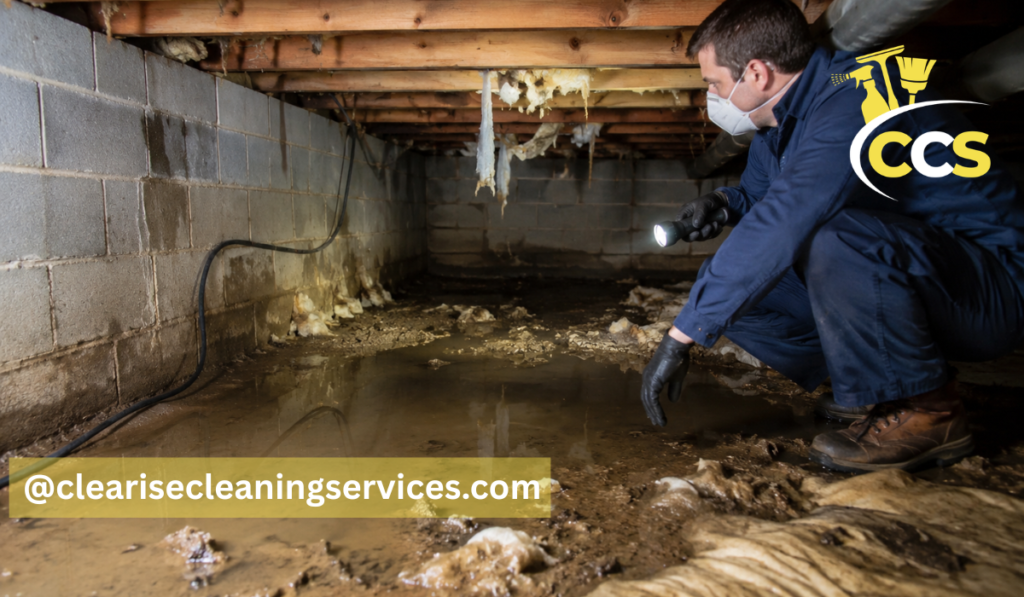
Finding water in a crawl space can be worrying, especially when the rooms above still look dry and normal. A crawl space is the shallow area beneath part or all of a home. It may contain pipes, electrical wiring, insulation, heating and cooling equipment, and important wooden supports.
Not every moisture problem looks the same. Light condensation may appear as water droplets on pipes or walls. Damp soil may feel wet without forming visible puddles. Small puddles are limited areas of collected water, while standing water covers a larger section or remains in place for a long time.
None of these conditions should be ignored. Ongoing moisture can support mold growth, damage insulation, attract pests, and slowly weaken wood. Moist air from below the house may also move into living areas, affecting comfort and indoor air quality.
The right solution depends on where the water is coming from. Rainwater may require better gutters or grading, while a plumbing leak needs repair by a plumber. Groundwater may require drainage and a sump pump. This guide explains the warning signs, safety steps, water removal methods, long-term repairs, professional options, prevention measures, and likely costs.
Quick Guide: Water in a Crawl Space
| Situation | Possible Cause | How Serious Is It? | Recommended Action |
| Damp soil with no puddles | Ground moisture or missing vapor barrier | Moderate if persistent | Monitor humidity and inspect the vapor barrier |
| Small puddle after rain | Poor grading, short downspouts, or clogged gutters | Needs attention | Improve drainage and check whether water returns |
| Standing water | Groundwater, drainage failure, or sump-pump problem | Serious | Remove the water and arrange a professional inspection |
| Water during dry weather | Plumbing, drain, or HVAC leak | Potentially serious | Shut off the suspected source and call the correct professional |
| Musty smell or visible mold | Long-term moisture and poor drying | Serious | Fix the moisture source and assess mold damage |
| Sewage-like water | Broken drain or sewer backup | Hazardous | Stay out and contact a plumber or restoration company |
| Water near electrical wiring | Flooding, seepage, or plumbing failure | Immediate danger | Avoid entry, turn off power safely, and call an electrician |
| Wet or sagging insulation | Ongoing leaks, condensation, or flooding | Damaging | Remove ruined insulation and dry the framing |
| Soft wood or uneven floors | Wood rot or structural deterioration | Potentially severe | Contact a foundation specialist or structural engineer |
Step-by-Step Guide: What to Do First
- Stay out if electricity may be involved: Do not enter standing water near wiring, outlets, HVAC equipment, or appliances.
- Stop the source: Shut off the main water supply if a plumbing leak is suspected.
- Identify the water type: Treat unknown, flood, drain, or sewage water as contaminated.
- Remove standing water: Use a wet/dry vacuum for small clean-water puddles or a utility pump for deeper water.
- Remove damaged materials: Take out wet insulation and other materials that cannot be cleaned or dried safely.
- Dry the space properly: Use controlled air movement and a crawl-space-rated dehumidifier.
- Find the underlying cause: Inspect plumbing, gutters, downspouts, grading, foundation walls, groundwater, and the sump system.
- Complete permanent repairs: Improve drainage, repair leaks, install a vapor barrier, or consider a sump pump and encapsulation where appropriate.
Is Water in a Crawl Space After Heavy Rain Normal?
A slightly damp crawl space after unusually heavy rain may occur, particularly in an older home or an area with clay soil and poor drainage. However, repeated puddles or standing water are not normal and should not be treated as harmless.
Rainwater usually reaches the crawl space because it is being directed toward the foundation instead of away from it. Clogged gutters may overflow beside the house. Short downspouts may release large amounts of water near the foundation. Soil that slopes toward the home can also guide rainwater under the building.
In some locations, the groundwater level rises after several days of rain. Water may then enter through the soil, foundation joints, or small wall cracks. A single patch of damp soil that dries quickly is different from repeated pooling that appears after every storm.
Arrange an immediate inspection when water is deep, touches electrical equipment, smells like sewage, covers a large area, or returns every time it rains. Wet insulation, soft wood, visible mold, and sagging floors are also signs that the problem may already be causing damage.
Signs of Water in a Crawl Space
Visible water is the clearest warning sign, but many crawl-space moisture problems begin before a large puddle appears. Homeowners should look for wet or muddy soil, dark stains on foundation walls, and droplets on pipes or air ducts.
A musty smell inside the home may be another clue. Mold can grow on floor joists, wooden beams, insulation, walls, and stored materials. Fiberglass insulation may become heavy, stained, or begin falling from between the joists after it gets wet.
Other signs include rust on metal fasteners, support posts, ducts, or heating and cooling equipment. Floors above the crawl space may start to feel uneven, soft, or slightly warped. Indoor humidity may increase, causing rooms to feel uncomfortable even when the air conditioner is running.
Pests also prefer damp areas. Termites, ants, cockroaches, rodents, and other unwanted visitors may become more active under a wet home. White, powdery mineral deposits on masonry walls can show that water has been moving through the material. Damaged insulation and air leaks may also increase heating or cooling costs.
Common Reasons Water Collects Under a Home
Poor outdoor drainage is one of the most common causes of water under a house. The soil around the foundation should guide water away from the building. When the ground is flat or slopes inward, rainwater can collect beside the walls and eventually enter the crawl space.
Gutters also play an important role. Clogged, leaking, damaged, or undersized gutters may spill roof water next to the foundation. Downspouts that end too close to the house can create the same problem.
Cracks and unsealed gaps in foundation walls may allow water to enter during storms. In areas with a high water table, groundwater may rise through a bare soil floor. Homes without working perimeter drains or sump pumps are more likely to develop recurring standing water.
Not all water comes from outside. A leaking supply pipe, broken drain, sewage line problem, or dripping plumbing fitting can release water beneath the home. Heating and cooling equipment may also create moisture when condensation drains are blocked or damaged.
Open vents can allow warm, humid outdoor air into a cooler crawl space, where it forms condensation. Missing, torn, or poorly sealed vapor barriers can allow moisture from the soil to rise. A failed sump pump can quickly lead to flooding during heavy rain.
Is Water in a Crawl Space Dangerous?
Water in a crawl space can become dangerous when it remains long enough to affect building materials, wiring, or indoor air. Mold and mildew are among the most common concerns because they grow in damp conditions and may spread across wood, insulation, and other surfaces.
Long-term moisture can cause wood rot. As joists, beams, posts, and subflooring weaken, floors may sag or become unsafe. Wet insulation loses much of its ability to control temperature and may hold moisture against wooden framing.
Damp conditions can also attract termites and other pests. Humidity from the crawl space may move upward into the home, contributing to musty odors and uncomfortable indoor conditions.
Electrical risks require special care. Standing water near outlets, wires, appliances, or heating equipment can create a shock or fire hazard. Sewage-contaminated water may contain harmful bacteria and should not be handled without proper protection and professional support.
Foundation problems may develop when poor drainage repeatedly washes away soil or places pressure against walls. Delaying repairs usually allows damage to spread and increases the final cost.
How Serious Is a Small Amount of Water in a Crawl Space?
A small amount of water in a crawl space may not always mean that major repairs are needed, but it still deserves attention. An isolated spill from a minor plumbing repair is different from a puddle that returns after every rainfall.
Slightly damp soil may be caused by normal ground moisture, especially when there is no vapor barrier. However, visible pooling suggests that water is collecting faster than it can drain or dry.
A small puddle can be an early warning of a leaking pipe, blocked drain, poor grading, foundation seepage, or rising groundwater. Mark the edge of the puddle, photograph it, and check the area after the next rain or after plumbing fixtures are used.
Monitoring may be reasonable when the water came from a known clean source, was removed quickly, and does not return. Immediate cleanup and professional inspection are safer when the cause is unknown, the water smells unusual, nearby wood is wet, or the problem keeps coming back.
Immediate Safety Steps Before Entering the Crawl Space
Do not enter the area until you have considered electrical, structural, and contamination risks.
- Turn off electrical circuits serving the crawl space if water may be touching wiring, outlets, appliances, or equipment.
- Never step into standing water near live electrical components.
- Treat water from an unknown source as potentially contaminated.
- Wear waterproof boots, gloves, protective clothing, eye protection, and suitable respiratory protection.
- Shut off the main water valve if a broken plumbing line is suspected.
- Keep children and pets away from the access opening.
- Do not enter a deeply flooded, poorly ventilated, or structurally unstable space.
- Contact emergency services or qualified professionals for sewage, electrical hazards, or serious structural damage.
How to Get Rid of Water in a Crawl Space
The first step in learning how to get rid of water in a crawl space is to stop or reduce the source. Shut off a leaking pipe, clear overflowing gutters, or wait until floodwater has safely lowered before beginning removal.
A wet/dry vacuum may work for shallow, limited puddles of clean water. Deeper water usually requires a submersible utility pump. The discharge hose should carry water far enough away that it does not flow back toward the foundation.
Wet fiberglass insulation often needs to be removed because it can trap moisture against the framing. Other damaged porous materials may also need disposal, especially after sewage or dirty floodwater exposure.
After visible water is gone, clean the affected surfaces according to the type of contamination. Use air movers and a crawl-space-rated dehumidifier to dry the structure. Do not rely only on how the wood looks. A moisture meter can help show whether framing and subflooring are still holding water.
Once the space is dry, inspect it for mold, softened wood, damaged insulation, and foundation movement. Do not cover the floor with a new liner or begin encapsulation until the leak or drainage problem has been fixed.
Drying the Crawl Space Correctly
Proper drying involves more than placing a household fan near the crawl-space opening. Start by removing all remaining surface water and any materials that cannot be dried safely.
Controlled air movement helps moisture leave wood and other surfaces. A commercial or crawl-space dehumidifier then removes that moisture from the air. Without a dehumidifier, fans may simply move humid air around the area.
During humid weather, bringing large amounts of outdoor air into the crawl space may slow drying. Keep the area reasonably closed while the drying equipment runs, unless a restoration professional advises otherwise.
Check floor joists, beams, posts, subflooring, insulation, and hidden corners. Continue monitoring humidity and wood moisture instead of stopping as soon as surfaces feel dry. Replace insulation only after the framing is properly dried.
Professional structural drying is advisable when water has covered a large area, remained for more than a day or two, reached ducts or wiring, or soaked thick wooden materials. Persistent musty odors and rising moisture readings also suggest that hidden dampness remains.
Finding the Exact Source of the Water
Timing provides useful clues. Water that appears only during rain often points to gutters, downspouts, grading, foundation seepage, or groundwater. Water that appears during dry weather may come from plumbing, drains, or heating and cooling equipment.
Inspect accessible supply pipes, drain lines, appliance connections, and condensation tubes. Outside, check whether gutters overflow and whether downspouts release water near the foundation. Look at the ground after rain to see whether it slopes away from or toward the house.
Inside the crawl space, examine walls for cracks, stains, damp lines, and white mineral deposits. Water rising from the soil may leave broad wet areas rather than a single wall stain.
Check the sump-pump basin, float switch, power supply, discharge pipe, and backup system. Low sections of the crawl-space floor may collect water even when the rest of the area stays dry.
When the source remains uncertain, arrange an assessment by a plumber, drainage contractor, crawl-space specialist, foundation expert, or structural engineer based on the evidence.
Long-Term Solutions for Water in a Crawl Space
The best repair targets the cause rather than simply removing water each time it returns. Outdoor solutions may include cleaning and repairing gutters, installing longer downspout extensions, and regrading soil so water moves away from the home.
Plumbing leaks and broken drains should be repaired promptly. Suitable foundation cracks may be sealed, although larger or moving cracks require professional evaluation.
Groundwater problems may require an interior perimeter drain, often called a French drain, that directs water into a sump basin. A properly sized sump pump then sends the water outside through a safe discharge line. A battery backup and high-water alarm can provide protection during power failures.
A ground vapor barrier helps control moisture rising from bare soil. Persistent humidity may also require a dedicated dehumidifier. Homes with repeated moisture problems may benefit from full encapsulation, but drainage and active leaks must be handled first.
Crawl-Space Encapsulation and Moisture Control
Encapsulation creates a cleaner and more controlled crawl space by covering the soil and sealing common paths for moisture and humid air. A durable vapor barrier is installed over the floor and extended up foundation walls and around piers.
Seams, vents, gaps, and service penetrations are sealed carefully. A dehumidifier is often added to maintain stable humidity. Where groundwater is present, the project may also require perimeter drainage and a sump pump.
Encapsulation is most useful when soil moisture, humid outdoor air, and minor foundation dampness are causing ongoing problems. It can help protect insulation, wood, and indoor comfort.
However, a liner cannot stop a broken pipe, active sewage leak, or major groundwater pressure by itself. Installing encapsulation over a wet, untreated space may hide the problem rather than solve it.
DIY Repairs Versus Professional Water Remediation
Some minor tasks are suitable for capable homeowners. These may include cleaning gutters, adding downspout extensions, removing a small amount of clean water, repairing a limited section of vapor barrier, and monitoring humidity with a hygrometer.
Minor surface grading may also be manageable when it does not affect buried utilities or the foundation. Accessible insulation can be replaced after the space is completely dry and the source has been corrected.
Professional help is strongly recommended for sewage, dirty floodwater, electrical exposure, deep flooding, recurring groundwater, widespread mold, foundation movement, or damaged structural wood. Large drainage systems, sump-pump installations, and full encapsulation also require careful design and installation.
Who to Call for Water in a Crawl Space
The right person to call depends on the source and level of damage. A licensed plumber should inspect leaking water lines, drains, or sewer pipes. A water-damage restoration company can remove water, set up drying equipment, and measure moisture.
A qualified mold-remediation company is appropriate when mold covers a large area or involves contaminated materials. Drainage contractors handle grading, French drains, and groundwater control.
Foundation specialists or structural engineers should inspect cracks, settlement, sagging floors, and weakened framing. Crawl-space contractors usually install vapor barriers, dehumidifiers, sump systems, and encapsulation. Contact a licensed electrician whenever water has reached wiring, outlets, or powered equipment.
Standing Water in Crawl Space: Cost to Fix
The standing water in crawl space cost to fix varies widely because removing the water is only one part of the job. The cause and damage determine the final price.
Basic extraction and drying may cost several hundred to several thousand dollars. Plumbing repairs can be minor when a fitting is leaking or much more expensive when a sewer or hidden supply line is damaged.
Additional costs may include mold remediation, wet insulation removal, gutter improvements, grading, foundation-crack repair, or structural wood replacement. Sump-pump installation commonly costs from several hundred dollars to a few thousand dollars depending on drainage and electrical needs.
An interior drainage system with a sump pump can cost several thousand dollars. Full crawl-space encapsulation often ranges from about $1,500 to $15,000, with many complete professional projects costing around $5,500 or more.
Size, access, water depth, contamination, labor rates, material quality, existing damage, and the underlying source all influence the price. Obtain more than one written inspection and estimate before approving major work.
Does Homeowners Insurance Cover Crawl-Space Water Damage?
Insurance coverage usually depends on how the water entered and whether the event was sudden or gradual. Damage from a sudden burst pipe may be covered under some policies, although the failed pipe itself may not be.
Groundwater seepage, outside flooding, neglected maintenance, and long-term moisture are often excluded from standard homeowners insurance. Sewer backup and sump-pump overflow may require separate water-backup coverage. Mold coverage may also be limited.
Take photographs and videos before cleanup when it is safe to do so. Keep damaged materials until the insurer provides instructions, and save inspection reports, estimates, and receipts.
Contact the insurer promptly before beginning major repairs, but take reasonable emergency steps to prevent additional damage. Policy language and local rules vary, so coverage should never be assumed.
How to Prevent Water From Returning
Prevention starts outside the home. Clean gutters regularly, repair leaks, and direct downspouts well away from the foundation. Maintain soil grading that sends rainwater away instead of allowing it to pool near the walls.
Check plumbing and heating or cooling drain lines for leaks. Test the sump pump, backup power, and high-water alarm before rainy seasons. Keep the discharge line open and pointed toward a safe drainage area.
Inspect the vapor barrier for holes, loose seams, and uncovered soil. Monitor crawl-space humidity and service the dehumidifier according to the manufacturer’s instructions.
Inspect the area after severe storms and repair cracks or drainage failures early. Avoid storing cardboard, fabric, and other moisture-sensitive materials directly on the crawl-space floor.
A Practical Crawl-Space Inspection Checklist
- Look for standing water, puddles, and muddy soil.
- Check for musty, rotten, or sewage-like odors.
- Inspect insulation for stains, sagging, and wet areas.
- Examine wood for discoloration, softness, or fungal growth.
- Look for condensation on pipes, ducts, and walls.
- Check for insects, rodents, droppings, and damaged materials.
- Inspect foundation walls for cracks and mineral deposits.
- Check the vapor barrier for holes and open seams.
- Test the sump pump, backup power, and alarm.
- Record humidity and moisture readings.
- Take dated photographs to compare changes over time.
Conclusion
Water in a crawl space is a warning sign, not a condition that should be accepted as part of owning a home. Even a small amount can point to a plumbing leak, drainage failure, groundwater problem, or ongoing humidity issue.
Safety comes first. Avoid standing water near electrical systems, use protective equipment, and call qualified professionals when sewage, deep flooding, mold, or structural damage is involved.
A lasting solution requires three steps: remove the water, dry the affected materials, and correct the source. Pumping out a puddle without repairing gutters, grading, plumbing, drainage, or humidity control will usually allow the problem to return.
Early action can help prevent mold, damaged insulation, rotting wood, pest activity, foundation concerns, and higher repair bills. A dry crawl space begins with careful inspection and a repair plan suited to the actual cause.
Frequently Asked Questions
Is Water In A Crawl Space After Heavy Rain Normal?
Minor dampness may occur after extreme rainfall, but repeated puddles or standing water are not normal. They usually indicate poor drainage, groundwater pressure, foundation seepage, or gutter problems.
Is A Small Amount Of Water In A Crawl Space Dangerous?
A small puddle may not be an emergency, but it should not be ignored. Recurring moisture can support mold, damage insulation, attract pests, and gradually weaken wooden framing.
How Do I Get Rid Of Water In A Crawl Space?
Stop the source, remove standing water with suitable equipment, discard ruined materials, and dry the space using air movement and a dehumidifier. Then complete repairs that prevent recurrence.
Who Should I Call For Water In A Crawl Space?
Call a plumber for pipe or drain leaks, a restoration company for extraction, a drainage contractor for groundwater, or a foundation specialist when cracks, settlement, or structural damage are present.
How Much Does Standing Water In A Crawl Space Cost To Fix?
Costs depend on the cause and damage. Simple extraction may cost hundreds, while drainage systems, mold removal, structural repairs, sump pumps, or full encapsulation can cost several thousand dollars.
Disclaimer: This article is provided for general educational and informational purposes only. It is not a substitute for advice from a licensed plumber, electrician, mold-remediation professional, structural engineer, insurance representative, or qualified crawl-space contractor. Water damage may involve electrical hazards, contaminated water, mold, or structural instability. Do not enter a flooded crawl space when these risks may be present. Repair costs, building requirements, and insurance coverage vary by location, property, contractor, and policy.
Thanks for visiting Clearise Cleaning Services! Discover more helpful tips and expert cleaning insights by exploring our related categories.