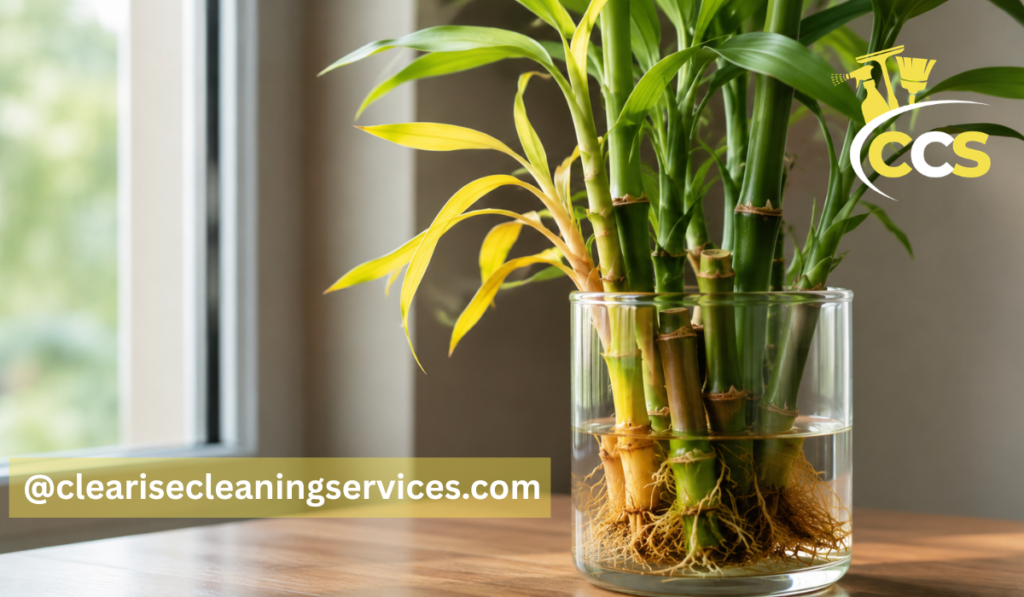
If you are wondering, “why is my bamboo turning yellow,” the answer depends on where the yellowing appears and how quickly it is spreading. Bamboo can turn yellow because of poor water quality, too much fertilizer, harsh sunlight, low light, overwatering, poor drainage, dirty vase water, or root rot. In many indoor cases, the plant people call bamboo is actually lucky bamboo, also known as Dracaena sanderiana, which is not true bamboo but is commonly grown in water or small pots. It is known to be sensitive to fluoride, chlorine, and salts in tap water.
The first thing to check is whether the leaves, stalk, base, or roots are turning yellow. Yellow leaves are often easier to manage because they may simply show stress from water, light, or age. A yellow stalk is more serious, especially if it feels soft, mushy, or smells bad. Some yellowing can be stopped if you act early, but a fully yellow and soft stalk usually cannot turn green again. The goal is to find the exact cause quickly so the healthy parts of the plant can recover.
Quick Guide Table
| Yellowing Problem | Likely Cause | What to Do |
| Yellow leaves only | Old leaves, tap water, light stress, or mild care issue | Trim yellow leaves and improve water, light, and care routine |
| Yellow stalk in water | Dirty water, bacteria, algae, or poor water quality | Clean the vase, rinse pebbles, remove mushy roots, and use filtered/distilled water |
| Yellow stalk in soil | Overwatering, poor drainage, or root rot | Repot in well-draining soil and use a pot with drainage holes |
| Yellow at the base | Root rot, fertilizer burn, or dirty water | Check roots, remove rotten parts, and separate damaged stalks |
| Yellow and brown tips | Direct sun, dry air, tap water chemicals, or underwatering | Move to bright indirect light and improve water quality |
| Soft yellow stalk | Serious rot or dying stalk | Remove it quickly and propagate healthy green shoots if possible |
Step-by-Step Guide: What to Check First
- Check the leaves — yellow leaves are often easier to fix than yellow stalks.
- Feel the stalk — if it is soft, mushy, or smelly, it may be rotting.
- Inspect the water or soil — dirty water, soggy soil, or bad drainage can cause yellowing.
- Look at the roots — healthy roots are firm; rotten roots are slimy, brown, black, or smelly.
- Review light and fertilizer — avoid harsh direct sun and stop fertilizing if yellowing started after feeding.
- Act quickly — remove dying stalks before the problem spreads to healthy bamboo.
Yellow Leaves vs Yellow Stalks: The First Thing to Check
Yellow leaves and yellow stalks do not always mean the same thing. When only a few lower leaves turn yellow, the plant may be dropping older leaves naturally, or it may be reacting to a small care problem. This is usually less serious than a yellow stalk. You can trim yellow leaves with clean scissors, improve the plant’s care, and watch for healthy new growth.
A yellow stalk is different. The stalk is the main support of the plant, so yellowing there can point to deeper stress, root damage, rot, or a dying section. If the stalk is still firm and only slightly yellow, there may be time to correct the problem. If it is soft, hollow, mushy, or dark at the base, the damage is usually more advanced.
Many readers also ask, “can yellow bamboo turn green again?” In most cases, yellow leaves do not turn fully green again, but the plant can still recover by producing healthy new leaves. A yellow stalk usually does not return to green, especially once the tissue has softened. The best approach is to save the healthy green parts before the problem spreads.
Most Common Reasons Bamboo Turns Yellow
The most common reasons bamboo turns yellow are water quality, fertilizer burn, light problems, and root trouble. For lucky bamboo grown in water, tap water is a major cause because it may contain chlorine, fluoride, and dissolved minerals. Over time, these can stress the plant and cause yellow leaves or weak stalks.
Too much fertilizer is another common reason. Lucky bamboo needs very little food, and heavy feeding can burn the roots. This often causes yellowing from the lower part of the stalk or from the leaves nearest the base.
Light also matters. Direct sunlight can scorch the leaves and create yellow patches with brown, crispy tips. Too little light can make the whole plant fade into a pale yellow-green color. Overwatering, poor drainage, dirty water, bacteria, and root rot can also make bamboo turn yellow, especially when the roots become brown, slimy, or foul-smelling.
Water Quality Problems in Lucky Bamboo
Water quality is one of the biggest reasons lucky bamboo turns yellow. Lucky bamboo is often grown in a vase with water and pebbles, so the roots are in direct contact with whatever is in that water. If the water contains too much chlorine, fluoride, salt, or mineral buildup, the plant may slowly weaken. Extension guidance notes that lucky bamboo is sensitive to fluoride and chlorine in tap water and recommends rainwater or distilled water for growing it in water or soil.
Signs of water-related yellowing include pale leaves, brown leaf tips, yellow edges, weak new growth, and sometimes yellowing stalks. If the vase water smells unpleasant or feels slimy, the issue may also include bacteria or algae.
The safest fix is to switch to distilled, filtered, or rainwater. If you only have tap water, let it sit in an open container for about 24 hours before using it. This may help some chemicals dissipate, although it may not remove all minerals. For vase-grown lucky bamboo, change the water every one to two weeks, and sooner if it becomes cloudy, smelly, or slimy.
Why Bamboo Stalks Turn Yellow in Water
If you are asking, “why is my bamboo stalk turning yellow in water,” the problem is often linked to old water, poor water quality, bacteria, algae, or root rot. Water-grown lucky bamboo looks simple to care for, but the vase can become unhealthy if the water is not changed often. Pebbles, glass walls, and roots can collect slime, mineral film, and algae. When this happens, the roots may not get enough clean oxygen, and the stalk can begin to yellow.
A stalk turning yellow from the base is especially concerning because the base sits closest to the water and roots. If the base feels firm, change the water, clean the container, rinse the pebbles, and remove any dead or mushy roots. Place the plant back in fresh distilled or filtered water.
If the base is soft, mushy, or smells rotten, the stalk may not recover. Remove that stalk from the container so it does not affect healthy stalks. If it has green side shoots, cut the healthy shoots with sterilized scissors and place them in clean water to grow new roots.
Why Bamboo Stalks Turn Yellow in Soil
When someone asks, “why is my bamboo stalk turning yellow in soil,” the cause is usually different from vase-grown bamboo. Soil-grown bamboo or lucky bamboo may turn yellow because the soil stays too wet, the pot has poor drainage, or the roots cannot breathe. Compacted soil can hold too much water around the roots, which creates stress and may lead to rot.
Common signs of soil stress include yellow leaves, drooping growth, a soft lower stalk, sour-smelling soil, and roots that look brown or black instead of light and firm. If the pot does not have drainage holes, water can sit at the bottom and damage the roots.
To fix this, move the plant to a pot with drainage holes and use a loose, well-draining potting mix. Water only when the top layer of soil begins to dry. Do not allow the pot to sit in a saucer full of water. If the roots already look rotten, trim away the damaged roots with clean scissors and repot the healthy part into fresh soil.
Lucky Bamboo Turning Yellow at the Base
Lucky bamboo turning yellow at the base is one of the most serious warning signs. The base is where the stalk meets the roots, so yellowing there often means root rot, dirty water, fertilizer burn, or a bacterial problem. If the yellow area is spreading upward, the stalk may be dying from the bottom.
To inspect the plant safely, remove it from the vase or pot and look at the roots. Healthy roots are usually light, firm, and not smelly. Damaged roots may be brown, black, slimy, soft, or foul-smelling. Rinse the roots gently in clean water and cut away any mushy parts with sterilized scissors.
If only the roots are damaged and the stalk is still firm, the plant may recover in fresh water or clean soil. If the base of the stalk is already soft or collapsing, it is often too damaged to save. In that case, cut healthy green side shoots from above the yellow area and place them in fresh distilled water. This gives you the best chance to grow a new healthy plant.
Bamboo Stalk Turning Yellow From the Top
A bamboo stalk turning yellow from top areas can happen for several reasons. The top of the plant may be getting too much direct sun, too little water, dry indoor air, or physical damage. Sometimes the top turns yellow after the plant has been trimmed incorrectly or after it has been exposed to sudden temperature changes.
A dry yellow top with crispy leaf tips often points to sunburn, dehydration, or dry air. A soft yellow top, especially if it feels wet or mushy, may mean rot or internal damage. The texture matters as much as the color.
If the top is dry and the rest of the stalk is firm and green, you may be able to trim the damaged section above a healthy node using clean scissors or pruning shears. Then move the plant to bright, indirect light and improve the water routine. If the yellowing is soft and spreading downward, propagation may be safer than waiting. Cut any healthy green shoots and root them separately before the damage reaches them.
Why Bamboo Turns Yellow and Brown
If you are searching for “why is my bamboo turning yellow and brown,” the plant may be dealing with a longer-running stress problem. Yellow and brown together often appear when the leaves have first weakened and then dried out or died. This can happen from harsh sunlight, dry air, underwatering, chemical stress from tap water, or fertilizer burn.
Crispy brown tips usually suggest dryness, sun scorch, or water quality problems. Yellow leaves with dry brown edges often mean the plant is getting too much direct light or the air is too dry. Brown, mushy roots or stalks are more serious because they can point to rot rather than simple dryness.
The fix depends on the texture. If the brown areas are dry and crisp, improve the light, water quality, and humidity around the plant. If the brown areas are soft, wet, or smelly, check the roots immediately. Remove rotting parts and separate healthy stalks from damaged ones.
Light Problems That Cause Yellow Bamboo
Bamboo does best in bright, indirect sunlight. Lucky bamboo especially does not like harsh direct sun. A sunny window may seem helpful, but strong afternoon light can burn the leaves. The result is often yellow leaves, brown crispy edges, faded patches, or dry tips.
Too little light can also make bamboo yellow. Instead of burnt spots, the plant may look pale all over. Growth may become weak, thin, or stretched. The leaves may lose their deep green color because the plant is not getting enough light to stay healthy.
A good location is near an east-facing window, a bright room with filtered light, or behind a sheer curtain. Avoid placing lucky bamboo in direct hot sun, especially near a south or west-facing window during summer. Also avoid dark corners where the plant receives very little natural light. If you move the plant, do it gradually and watch how it responds over the next one to two weeks.
Fertilizer Burn and Nutrient Stress
Bamboo, especially lucky bamboo, needs very little fertilizer. Many people feed it too often because they assume yellowing means the plant is hungry. In reality, too much fertilizer can burn the roots and cause more yellowing. Some plant-care guidance notes that yellow leaves on lucky bamboo can be an indicator of over-fertilization, and the usual response is to change the water and stop fertilizing for a while.
Fertilizer burn may show as yellow leaves, brown tips, weak roots, or yellowing near the lower stalk. In water-grown bamboo, extra fertilizer can also encourage algae growth in the container. In soil, fertilizer salts can build up and damage the roots.
If you suspect over-fertilizing, flush the container or soil with clean water. For lucky bamboo in a vase, empty the water, clean the vase and pebbles, rinse the roots gently, and refill with fresh filtered or distilled water. Stop fertilizing for several months. When you start again, use a very diluted liquid fertilizer made for hydroponic plants or lucky bamboo, and feed only occasionally.
Outdoor Bamboo Leaves Turning Yellow
Outdoor bamboo leaves turning yellow can be normal or a sign of stress, depending on the pattern. True outdoor bamboo naturally sheds some older leaves, especially during seasonal changes. If only a small number of older leaves are yellowing while new growth looks healthy, the plant may simply be renewing its foliage.
However, widespread yellowing can point to drought, heat stress, poor soil, pests, transplant shock, or drainage problems. Outdoor bamboo needs steady moisture, but it should not sit in soggy soil. If the soil is too dry, leaves may curl, yellow, and brown at the edges. If the soil is waterlogged, the roots may weaken and the leaves may turn yellow from stress.
Check the soil moisture, drainage, sunlight, and signs of pests. Look under leaves and along stems for insects or webbing. Also think about recent changes, such as moving the plant, planting it in a new area, pruning heavily, or a sudden heat wave. Outdoor bamboo often recovers when the stress is corrected early.
How to Save a Bamboo Plant When It Turns Yellow
If you want to know how to save bamboo plant when it turns yellow, start with a simple check. First, look at the water. If it is cloudy, smelly, or old, replace it with clean filtered or distilled water. Next, check the roots. Healthy roots should feel firm, while rotten roots are usually soft, slimy, brown, black, or smelly.
After that, check the stalk. A firm green stalk with yellow leaves can often recover with better care. A soft yellow stalk is much more serious. Then review the light. Move the plant away from harsh direct sunlight but keep it in a bright room. Also think about fertilizer. If you have fed the plant recently or often, stop fertilizing and flush the container or soil.
Trim yellow leaves because they will not usually become green again. Use clean scissors and cut close to the leaf base without damaging the stalk. If one stalk is yellowing while others are healthy, remove it from the group. This helps protect the healthy stalks from rot or bacteria.
When Yellow Bamboo Cannot Be Saved
Not every yellow bamboo plant is lost. Yellow leaves may not turn green again, but the plant can still survive and grow new green leaves after the problem is fixed. This is why it is worth improving water quality, light, drainage, and fertilizer habits as soon as you notice yellowing.
A fully yellow stalk is different. If the stalk is soft, mushy, wrinkled, hollow, or foul-smelling, it usually cannot recover. Once rot has moved through the stalk, waiting too long may put nearby healthy stalks at risk, especially in the same vase or pot.
If the dying stalk has green side shoots, cut those shoots before the yellowing reaches them. Place the cuttings in fresh distilled or filtered water and keep them in bright, indirect light. Change the water regularly while roots develop. Removing the damaged stalk also keeps the growing setup cleaner and gives the healthy bamboo a better chance to stay strong.
Conclusion
So, why is my bamboo turning yellow? The real answer depends on where the yellowing starts. Yellow leaves often point to water quality, light stress, fertilizer burn, or normal aging. A yellow base may suggest root rot or dirty water. A stalk turning yellow from the top may be linked to sunburn, dryness, or damage. A yellow stalk in soil often means overwatering or poor drainage, while a yellow stalk in water often points to stale water, bacteria, or chemical stress.
The safest fixes are simple: use clean filtered, distilled, or rainwater; keep the plant in bright, indirect light; avoid over-fertilizing; clean vases and pebbles regularly; and make sure soil-grown bamboo has good drainage. If the leaves are yellow, act calmly and correct the care routine. If the stalk is yellow, soft, or smelly, act quickly. Removing the damaged stalk or propagating healthy green shoots may be the best way to save the plant before the problem spreads.
FAQs
Why Is My Bamboo Turning Yellow Suddenly?
Bamboo can turn yellow suddenly because of dirty water, tap water chemicals, too much fertilizer, direct sunlight, or root rot. Check whether the leaves, stalk, base, or roots are yellow to find the real cause.
Can Yellow Bamboo Turn Green Again?
Yellow bamboo leaves usually do not turn green again, but the plant can still recover with better care. A yellow, soft, or mushy stalk usually cannot recover and should be removed.
Why Is My Lucky Bamboo Turning Yellow At The Base?
Lucky bamboo turning yellow at the base often means root rot, dirty water, bacteria, or fertilizer burn. Check the roots and stalk texture. If the base is soft, save healthy green shoots.
Should I Cut Yellow Leaves Off Bamboo?
Yes, yellow bamboo leaves should be trimmed with clean scissors because they usually will not become green again. Removing them helps the plant focus energy on healthy leaves and new growth.
Why Is My Bamboo Stalk Turning Yellow In Water?
A bamboo stalk turns yellow in water because of stale water, algae, bacteria, tap water chemicals, or rotting roots. Clean the vase, rinse pebbles, change water regularly, and use filtered or distilled water.
Disclaimer: This article is for general plant-care information only. Bamboo health can vary depending on plant type, growing conditions, water quality, climate, and previous care. If your plant is severely rotting or declining quickly, consider getting advice from a local nursery or plant-care expert.
Thanks for visiting Clearise Cleaning Services! Discover more helpful tips and expert cleaning insights by exploring our related categories.