
You see 75 inches on a TV box, a sofa listing or a curtain label, and the number means very little until you turn it into feet. 75 inches to feet is a conversion most people need only once in a while, which is exactly why it is easy to get wrong in a hurry. This guide gives you the answer, the simple formula behind it, and a clear picture of how long 75 inches really is in a real room.
What Is 75 Inches to Feet?
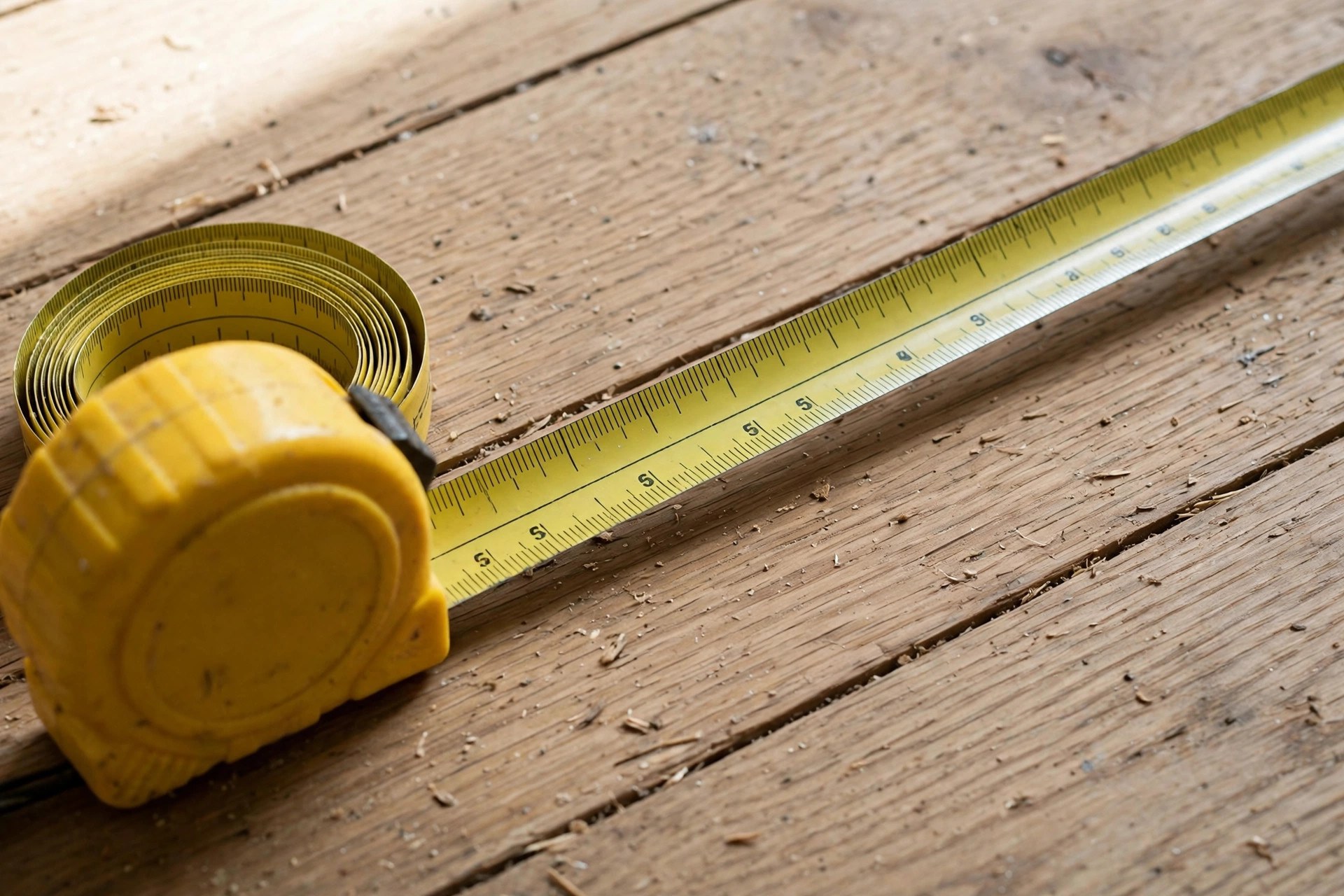
75 inches to feet is 6.25 feet, which is the same as 6 feet 3 inches. You get that answer by dividing 75 by 12, because there are 12 inches in every foot. The decimal form, 6.25 feet, is handy for maths, while 6 feet 3 inches is the form most people picture in their head.
The two forms describe exactly the same length, so use whichever one fits the job. A tape measure marked in feet and inches will show 6 feet 3 inches. A calculator, a cutting list or a delivery form may want the decimal, 6.25 feet. Pick one form and stay with it through the whole job.
How to Convert 75 Inches to Feet
To convert 75 inches to feet, divide 75 by 12, which gives 6.25 feet. The formula is simple: feet equals inches divided by 12. There are 12 inches in a foot, so every inch is one-twelfth of a foot, and dividing is all the maths the job needs.
Here is the working. 12 goes into 75 six times, which is 72, leaving 3 inches over. Those 3 inches are 3 divided by 12, which is 0.25 of a foot. Add the parts together and you get 6.25 feet. If you prefer feet and inches, keep the remainder: 6 feet 3 inches.
75 Inches to Feet Conversion Table

The table below shows 75 inches to feet alongside nearby sizes, so you can check your number at a glance and see how 75 inches compares with the sizes around it. Conversion tables are useful because most real jobs involve more than one measurement, and a quick look beats redoing the division every time.
| Inches | Feet (decimal) | Feet and inches | Centimetres |
|---|---|---|---|
| 60 inches | 5 feet | 5 ft 0 in | 152.4 cm |
| 65 inches | 5.42 feet | 5 ft 5 in | 165.1 cm |
| 70 inches | 5.83 feet | 5 ft 10 in | 177.8 cm |
| 72 inches | 6 feet | 6 ft 0 in | 182.9 cm |
| 75 inches | 6.25 feet | 6 ft 3 in | 190.5 cm |
| 80 inches | 6.67 feet | 6 ft 8 in | 203.2 cm |
| 84 inches | 7 feet | 7 ft 0 in | 213.4 cm |
| 90 inches | 7.5 feet | 7 ft 6 in | 228.6 cm |
Every 12 inches adds exactly one foot, so 72 inches is a clean 6 feet and 84 inches is a clean 7 feet. 75 inches sits just past the 6-foot mark, which is why it is easy to picture. The centimetre column uses 2.54 centimetres per inch, so 75 times 2.54 gives 190.5 centimetres.
75 Inches in Feet and Inches
75 inches in feet and inches is 6 feet 3 inches. This is the form carpenters, delivery drivers and furniture shops use most, because tape measures and room plans are marked in feet and inches rather than decimals.
To turn any inch measurement into feet and inches, divide by 12 and keep the remainder as inches. For 75 inches, 12 goes in six times with 3 left over, so the answer is 6 feet 3 inches. If you ever need to go back the other way, multiply the feet by 12 and add the inches: 6 times 12 is 72, plus 3 is 75.
75 Inches in Centimetres and Metres

75 inches is 190.5 centimetres, which is 1.905 metres. The metric conversion is exact, because one inch is defined as 2.54 centimetres, so 75 multiplied by 2.54 gives 190.5 centimetres, and dividing that by 100 gives 1.905 metres.
Metric sizes matter because many furniture and TV listings now give both systems, and flat-pack furniture from overseas often lists only centimetres. If a product page says 190.5 cm wide, it is the same item as one listed at 75 inches wide. Rounding to 191 cm is fine for rough planning, but keep the exact 190.5 cm when you are checking whether something fits through a doorway or into a tight space, because half a centimetre can matter at a squeeze point.
What Is 75 Inches Long in Real Life?
75 inches, or 6 feet 3 inches, is a little taller than most adults, about the length of a three-seater sofa, and roughly the width of a queen-size bed. Comparing a number with objects you already know is the fastest way to judge whether it will fit in your room.
Picture a standard interior door, which is usually 80 inches tall. 75 inches is five inches shorter than that door, so it would stand just below the top of the frame. A three-seater sofa is often between 72 and 84 inches wide, so a 75-inch sofa is a typical full-size couch, not a small one. On a wall, 75 inches covers a good stretch: in a room 12 feet wide, it takes up just over half the wall. For more on planning a room around large furniture, see our guide to 1000 sq ft house plans, which shows how big pieces fit into a small home.
75-Inch TVs: What the Number Really Measures

A 75-inch TV is measured diagonally across the screen, from one corner to the opposite corner, and the TV itself is about 66 inches wide and 38 inches tall. The 75-inch number is the screen size, not the width of the television, and that trips up many buyers.
Screen sizes are always diagonal, so a 75-inch TV is wider than 75 inches sounds in one direction and narrower in the other. With the usual wide screen shape, the width works out at roughly 65 to 66 inches and the height at roughly 37 to 38 inches, before you add the frame and the stand. Measure your TV unit before you order: the unit needs to be at least as wide as the TV, ideally a few inches wider on each side, and the stand feet need to sit flat on the surface.
Measuring 75 Inches at Home Without a Long Tape
You can measure 75 inches at home without a long tape by marking 6 feet 3 inches in two shorter steps, using a standard tape, a yardstick, or even a piece of string. Most household tape measures are 25 feet long, so they reach 75 inches easily, but the method below works even with a short tape or none at all.
Start at one end and mark 36 inches, which is 3 feet. Then measure another 36 inches from that mark, which takes you to 72 inches, or 6 feet. Finally add 3 more inches and you are at 75 inches. Mark each point with a pencil or a small piece of tape so you do not lose your place. For furniture and room planning, a real tape measure is always worth using, and our guide to average door width shows the standard sizes you will meet while measuring a home.
- Mark your start point. Put a pencil mark or a piece of tape exactly where the measurement begins, on the floor or the wall.
- Measure the first 3 feet. Run the tape to 36 inches and mark that point clearly so you can start again from there.
- Measure the second 3 feet. From the 36-inch mark, measure another 36 inches. You are now at 72 inches, or 6 feet.
- Add the last 3 inches. Measure 3 more inches past the 6-foot mark and make your final mark. That point is 75 inches from the start.
- Double-check from the other end. Measure back from your final mark to the start. If the tape reads 75 inches, the measurement is right.
- Write it down in both forms. Note 6.25 feet and 6 feet 3 inches on your list, so you use the right form wherever it is asked for.
Common Mistakes When Converting Inches to Feet
The most common mistakes when converting inches to feet are dividing by 10 instead of 12, confusing 6.25 feet with 6 feet 25 inches, and mixing up the diagonal and the width on a TV. Each one is easy to make, and each one can lead to ordering the wrong size.
Dividing by 10 is the biggest trap, because metric thinking makes 10 feel natural. But a foot has 12 inches, not 10, so 75 divided by 10 gives 7.5 feet, which is wrong by more than a foot. The decimal trap is just as common: 6.25 feet does not mean 6 feet and 25 inches. The .25 is a quarter of a foot, and a quarter of 12 inches is 3 inches, so 6.25 feet is 6 feet 3 inches. Finally, remember that TV sizes are diagonal. A 75-inch TV is not 75 inches wide, and a unit built for a 75-inch width will be far too big for it.
When to Use Feet and When to Use Inches
Use feet for room sizes, wall lengths and anything over a few feet long, and use inches for the fine detail, such as gaps, clearances and the exact width of furniture. The right unit is the one that keeps the number simple and hard to misread.
Room plans, floor areas and wall runs are normally given in feet, because saying a wall is 12 feet long is clearer than saying it is 144 inches long. Inches are better when precision matters: a door gap, the space between a sofa and a wall, or the width of a shelf. Feet and inches together are best for building and fitting work, because a carpenter reads 6 feet 3 inches at a glance, while 6.25 feet needs a moment of thought. The golden rule is simple: write the unit next to every number, every time, so nobody has to guess whether 75 means inches or feet.
What 75 Inches Means for Curtains and Blinds
For curtains and blinds, 75 inches is a common drop length that suits tall windows and standard patio doors, and it is usually listed as 75 inches rather than 6 feet 3 inches. Curtain listings use inches because the drop is measured precisely from the track or rod to the floor.
Before you order, measure from the top of the track or rod to the floor, or to the sill if the curtains will end there. If the measurement is 75 inches, order a 75-inch drop, not a 72-inch one, because curtains that are three inches short look unfinished. Check whether the listing measures from the top of the curtain or from the eyelets, because that changes the finished length by an inch or two.
Quick Conversion Chart for Nearby Sizes
This quick chart covers the sizes people look up alongside 75 inches to feet, so you can convert a whole shopping list without redoing the maths for each item. Keep it bookmarked if you are measuring a room, because the same few numbers come up again and again.
| What you are measuring | Inches | Feet and inches |
|---|---|---|
| Small two-seater sofa | 60 inches | 5 ft 0 in |
| Standard doorway height | 80 inches | 6 ft 8 in |
| Queen bed length | 80 inches | 6 ft 8 in |
| King bed width | 76 inches | 6 ft 4 in |
| Large three-seater sofa | 84 inches | 7 ft 0 in |
| Full-size dining table | 72 inches | 6 ft 0 in |
| Long curtain panel | 84 inches | 7 ft 0 in |
| Standard worktop height | 36 inches | 3 ft 0 in |
Two numbers in the chart are worth a second look. A king-size bed is 76 inches wide, just one inch wider than 75 inches, so if a 75-inch item fits a space, a king bed almost certainly will too. For more on fitting large items into a home, see our guide to how far apart studs are before you drill or hang anything heavy on a wall.
Conclusion
75 inches to feet is 6.25 feet, or 6 feet 3 inches, and the conversion is a simple division by 12. Remember the three forms of the same length — 6.25 feet for maths, 6 feet 3 inches for measuring, and 190.5 centimetres for metric listings — and the number will stop causing confusion. Measure twice, write the unit next to every number, and check the real object before you order.
Frequently Asked Questions
How many feet is 75 inches?
75 inches to feet is 6.25 feet, which is the same as 6 feet 3 inches. Divide 75 by 12 to get the answer, because there are 12 inches in every foot.
What is 75 inches in feet and inches?
75 inches in feet and inches is 6 feet 3 inches. Twelve goes into 75 six times, leaving a remainder of 3 inches, which is the inches part of the answer.
How many centimetres is 75 inches?
75 inches is 190.5 centimetres, or 1.905 metres. Multiply 75 by 2.54, the exact number of centimetres in one inch, to get 190.5 centimetres.
How wide is a 75-inch TV?
A 75-inch TV is about 66 inches wide and 38 inches tall, because the 75-inch figure is the diagonal screen size, not the width. Always measure the unit before buying.
Is 75 inches taller than 6 feet?
Yes, 75 inches is 3 inches taller than 6 feet, because 6 feet is 72 inches. The extra 3 inches is the difference between 75 inches and 72 inches.
Disclaimer: This article is provided purely for informational purposes. clearisecleaningservices.com only provides information about 75 inches to feet and does not offer measurement, installation, delivery, or fitting services, guest posting, paid promotion, or advertising. Measurements given here are for general guidance only. Always measure your own space and the actual product before ordering, and check the maker’s own dimensions, because sizes can vary between brands and models.
Thanks for visiting Clearise Cleaning Services! Discover more helpful tips and expert cleaning insights by exploring our related categories.