Knowing how to clean a bowl properly might seem simple, but it actually plays an important role in maintaining hygiene, safety, and the longevity of your items. Bowls are used in many parts of daily life—from preparing and serving food to feeding pets and even for specialized uses like smoking or bathroom cleaning. Each type of bowl comes into contact with different substances, which means they require slightly different cleaning methods.
For example, a kitchen bowl used for food needs gentle but thorough cleaning, while a pet bowl requires extra attention to prevent bacteria buildup. Smoking bowls often collect sticky residue that needs deep cleaning, and toilet bowls demand strong sanitation practices to ensure cleanliness and safety. Using the wrong method can damage the material or leave behind harmful germs.
This guide will walk you through how to clean a bowl the right way for every situation. You’ll learn simple, safe, and effective methods that are easy to follow and suitable for everyday use.
How to Clean Different Types of Bowls
| Bowl Type | Best Cleaning Method | Frequency | Key Tip |
| Kitchen Bowl | Warm water + dish soap | After each use | Avoid harsh scrubbers |
| Pet Bowl | Hot water + soap / dishwasher | Daily | Prevent bacteria buildup |
| Smoking Bowl | Alcohol + salt (deep cleaning) | Weekly / as needed | Rinse thoroughly after cleaning |
| Metal Bowl | Boiling (if safe) or soap cleaning | As needed | Avoid overheating |
| Silicone Bowl | Warm water + mild soap | After use | Easy to clean, flexible material |
| Toilet Bowl | Toilet cleaner + brush | Weekly | Let cleaner sit before scrubbing |
Understanding Why Proper Bowl Cleaning Matters
Cleaning bowls properly is not just about appearance—it is mainly about hygiene. Bowls that are not cleaned well can become a breeding ground for bacteria, especially when they are used for food or pet feeding. Leftover food particles, moisture, and warmth create the perfect environment for germs to grow.
This can directly affect your health. For example, using a poorly cleaned kitchen bowl can lead to contamination of fresh food. Similarly, dirty pet bowls can expose animals to harmful bacteria, which may cause illness over time. Even smoking bowls, if not cleaned regularly, can affect taste and hygiene.
In addition to health concerns, proper cleaning helps prevent stains, unpleasant odors, and long-term damage. Over time, residue can build up and become harder to remove. Regular and correct cleaning keeps your bowls looking fresh and extends their usability.
Different Types of Bowls and Why Cleaning Methods Vary
When learning how to clean a bowl, it’s important to understand that not all bowls are the same. The material and purpose of the bowl determine the best cleaning method.
Kitchen bowls are usually made from ceramic, glass, or silicone. These materials are generally easy to clean but can be scratched or damaged by harsh tools. Pet bowls, often made of stainless steel or plastic, require frequent cleaning due to constant exposure to food and saliva.
Smoking bowls, typically made from glass, metal, or silicone, accumulate resin that does not wash away easily with soap and water. They require deeper cleaning using specific methods. Toilet bowls, on the other hand, are exposed to bacteria and need strong cleaning agents and proper sanitation techniques.
Because each type of bowl serves a different purpose and is made from different materials, using a single cleaning method for all is not effective. Understanding these differences helps you choose the safest and most efficient approach.
How to Clean Kitchen Bowls Safely and Effectively
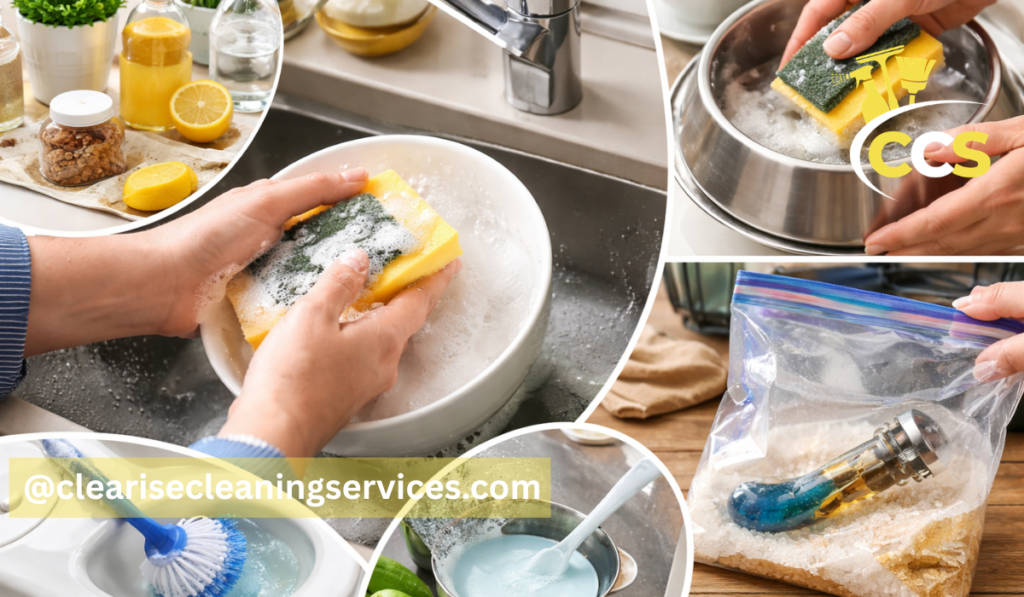
For everyday kitchen bowls, cleaning should be simple but thorough. The standard method involves using warm water, mild dish soap, and a soft sponge. This combination is effective in removing food residue without damaging the surface.
After use, it’s best to rinse the bowl quickly to prevent food from drying and sticking. Apply a small amount of soap and gently scrub all surfaces, including the edges and base. Once clean, rinse thoroughly with warm water to remove any soap residue.
It’s important to avoid abrasive scrubbers like steel wool or rough pads, as they can scratch ceramic or glass surfaces. These scratches can trap bacteria and make future cleaning more difficult. After washing, allow the bowl to air dry upside down or wipe it with a clean towel to prevent water spots.
Step-By-Step Quick Method (Universal Basic Cleaning)
- Rinse the bowl with warm water
- Apply mild dish soap
- Gently scrub using a soft sponge
- Rinse thoroughly to remove soap
- Dry with a clean towel or air-dry
Removing Stubborn Food and Stains from Kitchen Bowls
Sometimes, food can stick to the bowl, especially after cooking or heating. In such cases, soaking is one of the most effective methods. Fill the bowl with warm, soapy water and let it sit for about 10 to 15 minutes. This softens the residue, making it easier to remove.
For tougher stains or grease, natural cleaning solutions can help. Baking soda can act as a gentle abrasive that lifts stains without scratching. Vinegar can help break down grease and remove odors. When combined, they create a mild reaction that helps loosen stubborn dirt.
Burnt residue or discoloration may require a bit more patience. Repeated soaking and gentle scrubbing usually work better than using harsh tools. Consistent cleaning prevents these issues from becoming permanent.
Best Way to Clean Pet Bowls for Maximum Hygiene
Pet bowls need extra care because they can quickly become one of the dirtiest items in a home. Food particles and saliva create a layer known as biofilm, which can harbor harmful bacteria.
To maintain hygiene, pet bowls should be cleaned after every meal. Using hot water and dish soap is usually sufficient for daily cleaning. Make sure to scrub all surfaces thoroughly, including the corners where residue can collect.
For added safety, occasional sanitization is recommended. If the bowl is dishwasher-safe, running it on a high-heat cycle can help kill bacteria. For hand washing, a mixture of equal parts water and white vinegar can be used as a natural disinfectant. Always rinse well to remove any cleaning solution before reuse.
How to Sanitize Bowls Properly Without Harsh Chemicals
Sanitizing bowls is different from regular cleaning. While cleaning removes visible dirt, sanitizing reduces bacteria to safe levels. This is especially important for pet bowls, kitchen bowls used for raw food, and heavily used items.
Dishwashers are a convenient option because high temperatures help kill germs effectively. However, not all bowls are dishwasher-safe, so hand washing may be necessary.
Natural disinfectants like vinegar and hot water can provide a safer alternative to strong chemicals. These methods are gentle on materials while still being effective. Sanitization is most important when there is a risk of contamination, such as after handling raw meat or when a bowl has been left unclean for a long time.
Cleaning Smoking Bowls: Deep Cleaning Methods That Work
Smoking bowls require a different approach because they collect resin, which is sticky and resistant to regular cleaning. Soap and water alone are not enough to remove this buildup.
Resin accumulates over time and can affect both hygiene and performance. It can block airflow and create unpleasant odors. Regular deep cleaning helps maintain the bowl’s function and keeps it safe to use.
Deep cleaning is usually needed when residue becomes visible or starts affecting usage. Using proper methods ensures effective cleaning without damaging the material.
Step-By-Step Method for Cleaning Glass Smoking Bowls
One of the most effective ways to clean a glass smoking bowl is the alcohol and salt method. This process uses isopropyl alcohol to dissolve resin and coarse salt to scrub the surface gently.
Place the bowl in a sealable bag and add alcohol along with a small amount of salt. Shake the bag carefully for a few minutes, allowing the mixture to reach all areas. After shaking, let the bowl soak for some time to break down remaining residue.
Once clean, rinse thoroughly with warm water to remove any traces of alcohol. Proper rinsing is important to ensure safety before reuse. This method is simple, effective, and widely used for deep cleaning.
Safe Cleaning Methods for Metal and Silicone Bowls
Metal and silicone bowls can handle slightly different cleaning techniques compared to glass. For metal bowls, boiling can be an effective method to loosen residue. However, it should be done carefully and only when the material is suitable for heat.
Silicone bowls are flexible and resistant to damage, making them easier to clean. Warm water and soap are usually enough, but deeper cleaning may involve soaking or using mild cleaning solutions.
It’s important to consider the material before choosing a method. For example, sudden temperature changes can damage certain materials, especially glass. Using the right approach helps prevent accidents and keeps the bowl in good condition.
How to Clean a Toilet Bowl Effectively and Safely
Cleaning a toilet bowl requires a stronger approach due to the presence of bacteria and stains. A dedicated toilet cleaner is usually applied under the rim and allowed to sit for several minutes.
This waiting time, known as contact time, is important because it allows the cleaner to break down stains and kill germs effectively. Afterward, a toilet brush is used to scrub the bowl thoroughly, including hard-to-reach areas.
Safety is crucial when using cleaning products. Never mix bleach with acidic cleaners, as this can produce harmful gases. Proper ventilation and careful handling ensure a safe cleaning process.
Common Cleaning Mistakes to Avoid
When learning how to clean a bowl, avoiding common mistakes is just as important as using the right methods. One common error is using harsh scrubbers on delicate materials, which can cause scratches and damage.
Another mistake is mixing cleaning chemicals without understanding their effects. Certain combinations can be dangerous and should always be avoided. Skipping regular cleaning is also a problem, as it allows dirt and bacteria to build up over time.
Using the wrong method for the wrong material can reduce the lifespan of the bowl and make cleaning more difficult in the future. Being mindful of these mistakes helps maintain both safety and efficiency.
Simple Natural Cleaning Alternatives You Can Use at Home
Natural cleaning methods are a popular choice for those who want to avoid strong chemicals. Baking soda and vinegar are commonly used together to clean and deodorize bowls. The reaction between them helps loosen dirt and remove stains.
Lemon and salt can also be effective, especially for removing odors and light stains. These natural solutions are safe, affordable, and easy to use.
While natural methods work well for everyday cleaning, they may not always be strong enough for heavy buildup or deep sanitation. Knowing when to use them ensures better results.
How Often Should You Clean Different Types of Bowls
Cleaning frequency depends on how the bowl is used. Kitchen bowls should be washed after every use to prevent food residue from drying and causing stains. Pet bowls should also be cleaned daily to maintain hygiene.
Smoking bowls may not need daily cleaning but should be cleaned regularly to prevent heavy buildup. Toilet bowls typically require weekly cleaning, with more frequent attention if needed.
Factors such as usage, material, and exposure to dirt affect how often cleaning is required. Keeping a consistent routine helps maintain cleanliness and reduces the effort needed for deep cleaning.
Conclusion
Learning how to clean a bowl properly is an essential part of maintaining a clean and healthy environment. Each type of bowl—whether used in the kitchen, for pets, for smoking, or in the bathroom—requires a specific approach based on its material and purpose.
Using the right method not only ensures effective cleaning but also protects the bowl from damage. Simple habits like regular washing, proper sanitization, and avoiding common mistakes can make a significant difference over time.
By keeping your cleaning routine simple and consistent, you can ensure that all your bowls remain safe, hygienic, and long-lasting.
FAQs (People Also Ask)
What Is The Best Way To Clean A Bowl?
The best way depends on the bowl type, but generally warm water, mild soap, and a soft sponge work well for most kitchen and everyday bowls.
How Often Should I Clean A Bowl?
Kitchen and pet bowls should be cleaned after every use, while smoking and toilet bowls can be cleaned weekly or as needed.
Can I Use Vinegar To Clean A Bowl?
Yes, vinegar is a natural cleaner that helps remove odors and bacteria, especially for kitchen and pet bowls.
Why Does My Bowl Still Smell After Washing?
Odors can remain due to trapped residue. Soaking the bowl in vinegar or baking soda solution can help remove lingering smells.
Is It Safe To Boil A Bowl For Cleaning?
Boiling is safe for metal or some ceramic bowls, but never boil glass suddenly as it may crack due to temperature shock.
Disclaimer: This content is for informational purposes only. Cleaning methods may vary based on material and product type. Always follow manufacturer guidelines and use cleaning products safely. Avoid mixing chemicals, and test methods on a small area if unsure.
Thanks for visiting Clearise Cleaning Services! Discover more helpful tips and expert cleaning insights by exploring our related categories.