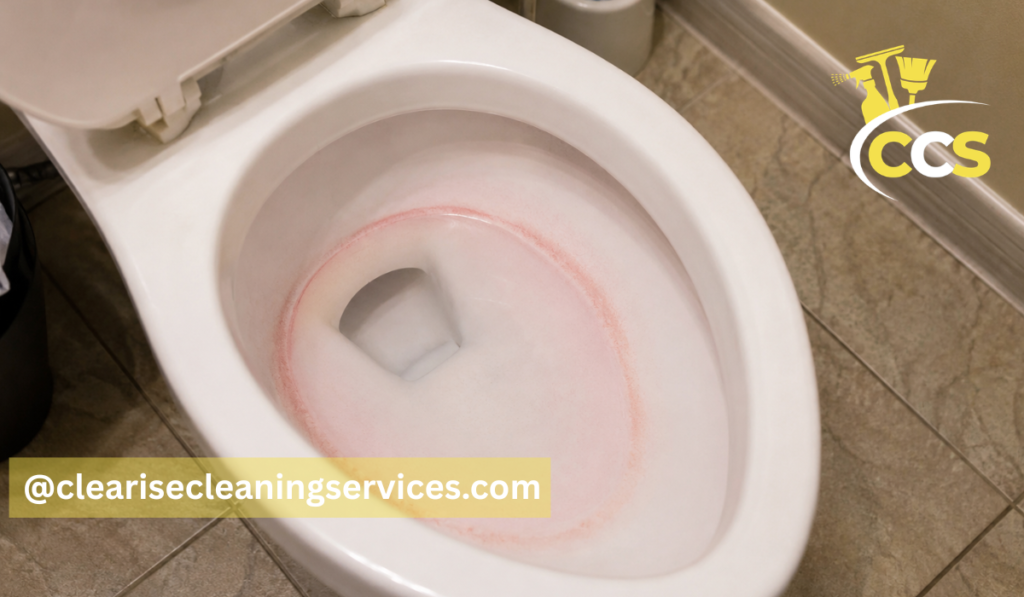
A pink ring in toilet bowl areas can look strange and even a little worrying, especially when it keeps coming back after cleaning. In most homes, this pink, orange, or reddish stain around the waterline is not true mold. It is usually linked to a common bacteria called Serratia marcescens, which can grow on damp surfaces such as toilet bowls, showers, sinks, and tiles. Cleveland Clinic notes that this bacteria can appear as a pink film in moist home areas, including toilet bowls.
Many people call it “pink mold” because it looks slimy or stained, but it is actually bacterial growth. It likes moisture, still water, dust, and small amounts of organic residue. That is why it often shows up in bathrooms, especially around toilet waterlines where the surface stays damp for long periods.
In this guide, you will learn what causes a pink ring in toilet bowl surfaces, whether it is dangerous, how to remove it safely, and how to prevent it from returning. The goal is to give you clear, practical information so you can understand the problem and deal with it without confusion.
Quick Guide Table
| Issue | What It Means | Best Action |
| Pink or orange ring | Usually bacteria, not mold | Disinfect and scrub the bowl |
| Keeps coming back | Moisture or hidden bacteria remain | Clean tank and improve airflow |
| Guest toilet stains | Water sits too long | Flush and clean regularly |
| Hard-to-remove ring | Residue or mineral buildup | Use cleaner, let it sit, then scrub |
| Health concern | Usually low risk for healthy people | Use gloves and clean properly |
What a Pink Ring in Toilet Bowl Usually Means
A pink ring in toilet bowl waterline areas usually appears as a light pink, reddish-orange, or salmon-colored stain. It may form a thin ring exactly where the water sits, or it may appear as small patches under the rim, near the drain opening, or around areas that stay wet after flushing.
The color can make people think the toilet has rust, hard water stains, or mold. However, in many cases, the stain is caused by bacteria growing on the surface. The bacteria can produce a reddish pigment, which becomes more visible when it collects on porcelain or mixes with moisture. This is why the ring can look pink in one toilet and more orange or red in another.
The reason people often call it “pink mold” is simple: it grows in damp places and can look like a surface film. But mold is a fungus, while Serratia marcescens is bacteria. This difference matters because wiping it away may make the toilet look clean for a short time, but it may not fully kill the bacteria. If the bathroom stays damp and the toilet is not disinfected properly, the pink ring can return.
Bathrooms are a perfect place for this kind of growth because they often have humidity, warm air, moisture, and residue from daily use. A toilet bowl, especially one that is not cleaned often, gives the bacteria a place to settle and multiply.
What Causes Pink Ring in Toilet Bowl
If you are wondering what causes pink ring in toilet bowl surfaces, the answer usually comes down to moisture, bacteria, and residue. Serratia marcescens is commonly found in the environment and can live in damp places. It may enter a bathroom through air, dust, soil particles, or normal household movement.
Once it reaches the toilet, it needs the right conditions to grow. A toilet bowl has water, moisture, and small traces of organic matter. Even a clean-looking toilet can have tiny amounts of residue from urine, feces, soap, cleaning products, or minerals. These substances may give bacteria something to feed on.
Standing water can also make the problem worse. Toilets that are not used often, such as guest bathroom toilets, basement toilets, or vacation-home toilets, may develop a pink ring faster because water sits in the bowl for longer. When water is not flushed regularly, bacteria have more time to settle near the waterline.
Moisture around the bathroom also plays a role. If the bathroom does not have good airflow, humidity can stay high after showers or baths. This creates a damp environment where bacteria can survive more easily. So, the pink ring is not usually caused by one single issue. It often comes from a mix of dampness, residue, still water, and irregular cleaning.
Serratia Marcescens and Why It Grows in Toilets
To understand what causes Serratia marcescens in toilet bowl areas, it helps to know that this bacteria is not unusual. It exists naturally in the environment, including soil, water, and dust. It does not need a dirty home to appear. Even a well-kept bathroom can develop pink stains if the conditions are right.
Serratia marcescens likes moist environments. In a toilet bowl, it may settle around the waterline because that area stays wet but also has access to air. This makes it easier for the bacteria to build a thin film on the porcelain surface.
Dust can also carry bacteria into the bathroom. When dust lands on wet toilet surfaces, the bacteria may begin to grow if there is enough moisture and residue. Over time, the growth becomes visible as a pink or reddish ring.
Another reason it grows in toilets is that many people only clean the visible bowl and forget hidden areas. Bacteria can collect under the rim, around small water holes, inside the toilet tank, or on the brush if the brush is not cleaned properly. When the toilet flushes, small amounts of bacteria may spread back into the bowl.
This does not mean your toilet is unsafe or your home is unclean. It simply means the bacteria found a damp place where it could grow.
Is Pink Ring in Toilet Bowl a Water Quality Problem?
A pink ring in toilet bowl surfaces is usually not a sign of poor water quality. Many homeowners think the stain comes from contaminated water, but in most cases, the bacteria comes from the surrounding environment rather than the water supply.
That said, water conditions can sometimes affect how visible the stain becomes. For example, minerals in water can leave rough deposits inside the toilet bowl. These mineral deposits can give bacteria more places to cling to. If the toilet has hard water buildup, the surface may not feel perfectly smooth, which can make stains harder to remove.
Cleaning habits can also make the issue look like a water problem. If the bowl is only wiped but not disinfected, the pink color may disappear for a few days and then return. This can make it seem like the water is bringing the stain back, when the real issue is that the bacteria was not fully removed.
A true water quality problem may show different signs, such as brown rust stains, cloudy water, a sulfur smell, or staining in many fixtures across the home. A pink ring that mainly appears in damp areas like toilets, showers, and sink drains is more often linked to bacteria and moisture.
Pink Ring in Toilet and Diabetes: Is There a Real Connection?
Some people search for pink ring in toilet diabetes because they worry the stain may be connected to sugar in urine. It is important to handle this topic carefully. A pink ring in the toilet is usually bacterial growth, not a direct sign of diabetes.
Serratia marcescens can feed on organic matter and residue, so any toilet used regularly may provide enough material for it to grow. While urine residue can be part of the environment bacteria feed on, the presence of a pink ring alone does not mean someone has diabetes.
Diabetes should never be diagnosed based on a toilet stain. If someone has symptoms such as extreme thirst, frequent urination, tiredness, unexplained weight changes, blurry vision, or slow-healing wounds, they should speak with a qualified healthcare provider. The toilet ring itself is not enough evidence to suggest a medical condition.
For most homes, the better explanation is simple: moisture, bacteria, and cleaning conditions. If the pink ring appears in multiple bathrooms or keeps returning quickly, focus first on disinfecting, improving ventilation, cleaning the toilet tank, and reducing dampness.
Is the Pink Ring Harmful or Dangerous?
For most healthy people, a pink ring in toilet bowl areas is usually more of a cleaning and hygiene issue than a serious danger. Cleveland Clinic explains that most people do not get sick from Serratia marcescens found in home environments, although the bacteria can cause infections in certain settings or higher-risk people.
The people who should be more careful include those with weak immune systems, open wounds, serious illnesses, or medical devices. Public Health Agency of Canada describes Serratia species as opportunistic pathogens, meaning they are more likely to cause problems when a person is vulnerable or when bacteria enter the body in certain ways.
This does not mean you need to panic if you see a pink ring. It simply means you should clean it properly and avoid touching it directly. Wear gloves when cleaning, use a disinfectant, wash your hands afterward, and keep toilet brushes clean. If someone in the home is medically vulnerable, it is smart to clean bathrooms more often and keep damp surfaces under control.
The best approach is practical hygiene, not fear. The pink ring should be removed because it is bacterial growth, but in a normal household it is usually manageable with regular cleaning and prevention.
How to Remove Pink Ring in Toilet Bowl
If you want to know how to remove pink ring in toilet bowl surfaces, the key is to disinfect, not just scrub. Scrubbing alone may remove the color, but bacteria can remain on the surface and grow back.
Start by flushing the toilet to wet the bowl. Apply a toilet bowl cleaner that contains a disinfecting ingredient, such as a bleach-based cleaner, around the inside of the bowl and directly on the pink ring. Let it sit for about 10 to 20 minutes, depending on the product directions. This waiting time matters because the disinfectant needs contact time to work.
After that, scrub the ring firmly with a toilet brush, especially around the waterline, under the rim, and near the drain opening. Flush the toilet to rinse the cleaner away. If the stain is stubborn, you may need to repeat the process.
For people who prefer a non-bleach option, hydrogen peroxide can help disinfect the surface. Baking soda and vinegar can also help loosen residue and deodorize the bowl, but they may not be as strong as a proper disinfectant for killing bacteria. If using vinegar and baking soda, let the mixture fizz, scrub well, and rinse thoroughly.
Never mix bleach with vinegar, ammonia, or other cleaning chemicals. This can create dangerous fumes. Use one cleaning method at a time and follow the label instructions on any product you choose.
How to Fix Pink Ring in Toilet Bowl When It Keeps Coming Back
Learning how to fix pink ring in toilet bowl problems means looking beyond the visible stain. If the ring keeps coming back within a few days, the surface conditions are still allowing bacteria to grow.
The first step is to clean more deeply. Do not only scrub the ring. Clean under the rim, around the water holes, and near the trap opening. These hidden areas can hold bacteria and residue. A toilet brush with firm plastic bristles can help reach the curved areas of the bowl.
The second step is to check the toilet tank. If bacteria are growing inside the tank, every flush may send small amounts back into the bowl. Cleaning the tank occasionally can reduce this problem.
The third step is to improve airflow. If the bathroom stays humid, the bacteria may return even after cleaning. Run the exhaust fan during showers and for about 15 to 20 minutes afterward. If there is no fan, open a window when possible or leave the bathroom door open after bathing.
The fourth step is regular flushing. Toilets that sit unused often develop stains faster. If you have a guest bathroom, flush it regularly and clean it even when it is not used much.
When the ring keeps returning, it does not always mean you are cleaning badly. It often means there is still moisture, residue, or hidden bacteria somewhere in the toilet system.
Cleaning the Toilet Tank to Stop Hidden Bacteria
The toilet tank is easy to forget because it stays covered. However, it can become a hidden place for bacteria, mineral buildup, and residue. If bacteria grow inside the tank, they can move into the bowl whenever you flush.
To clean the tank safely, first remove the lid and look inside. If you see slime, discoloration, or buildup, turn off the water supply and flush the toilet to lower the water level. Use a brush or sponge to clean the inside surfaces. A mild disinfecting cleaner can help, but be careful with strong chemicals.
Some people use a small amount of bleach in the tank for a short cleaning session. If you do this, do not leave bleach sitting in the tank for a long time. Bleach can damage rubber parts such as flappers, seals, and gaskets if used too often or left too long. After cleaning, flush several times so the cleaner moves out of the tank and bowl.
Avoid using drop-in toilet tank tablets that contain harsh chemicals if your toilet manufacturer warns against them. These tablets can sit in the tank for long periods and may wear down parts over time.
Cleaning the tank once in a while is not something most people need to do weekly, but it can be helpful if the pink ring keeps returning quickly.
How to Prevent Pink Ring in Toilet Bowl
The best way to deal with a pink ring is to stop it from becoming a regular problem. If you want to know how to prevent pink ring in toilet bowl stains, focus on moisture control, regular cleaning, and better airflow.
Flush the toilet regularly, especially in guest bathrooms or toilets that are not used every day. Still water gives bacteria time to settle and grow. Even a quick daily flush can help reduce buildup in low-use toilets.
Clean the toilet at least once a week with a disinfecting cleaner. Pay attention to the waterline, under the rim, and the lower part of the bowl. If you notice a light pink film starting to form, clean it early before it becomes a thicker ring.
Improve bathroom ventilation as much as possible. Moisture is one of the biggest reasons the bacteria returns. Use the exhaust fan, open a window, and avoid leaving wet towels or bath mats in a closed bathroom for too long.
Keep nearby surfaces dry. Serratia marcescens can also appear in showers, sink drains, grout lines, and around faucets. If the whole bathroom is damp, the toilet bowl may not be the only place where the bacteria grows.
Deep clean unused toilets before they develop visible stains. If a toilet is in a rarely used bathroom, clean and flush it regularly. This small habit can prevent the pink ring from becoming a repeated issue.
What People Say About Pink Ring in Toilet Bowl on Reddit
Many people search pink ring in toilet bowl reddit because they want real-life advice from homeowners who have dealt with the same problem. Reddit discussions often mention that the ring returns even after scrubbing, which matches what many people experience in real bathrooms.
A common Reddit-style suggestion is to clean more often, use bleach, improve ventilation, or check whether the toilet is used infrequently. These tips can be helpful, but they should be understood correctly. The goal is not only to remove the color. The goal is to kill bacteria, reduce moisture, and remove residue that helps it grow.
People also search how to prevent pink ring in toilet bowl reddit because they want prevention tips that actually work. The most practical advice usually comes down to the same habits: disinfect regularly, flush unused toilets, clean the tank if needed, and keep the bathroom dry.
However, Reddit should not be the only source for decisions about health or cleaning safety. Online opinions can be useful, but they may also include unsafe chemical mixing or exaggerated claims. For example, mixing bleach and vinegar is sometimes mentioned in online cleaning conversations, but it is dangerous and should not be done.
Use community advice as a starting point, but rely on safe cleaning practices and trusted health information when deciding what to do.
Common Mistakes That Make the Pink Ring Return
One common mistake is only wiping the ring without disinfecting the bowl. This may make the toilet look clean for a short time, but it does not fully remove the bacteria. If the surface stays damp, the ring can return quickly.
Another mistake is ignoring the toilet tank. If the bowl is cleaned but the tank is dirty, bacteria may continue to enter the bowl with each flush. This is especially important when the pink ring returns soon after cleaning.
Poor ventilation is another major issue. A bathroom that stays humid after showers or baths gives bacteria a better chance to grow. Even strong cleaning products may not solve the problem if the room is always damp.
Letting water sit too long can also make the ring worse. Guest bathrooms, basement toilets, and vacation homes often have this issue because the toilets are not flushed regularly. The waterline becomes a stable place for bacteria to collect.
Using cleaners incorrectly is another problem. Some people rinse cleaners too soon, so the disinfectant does not have enough time to work. Others mix products together, which can be unsafe. It is better to use one cleaner correctly, allow enough contact time, scrub well, and rinse.
Finally, many people forget that prevention is ongoing. A pink ring in toilet bowl surfaces can come back because Serratia marcescens is common in the environment. The goal is not to remove it from your home forever. The goal is to make your toilet and bathroom less friendly for bacterial growth.
Conclusion
A pink ring in toilet bowl areas is usually caused by bacteria, most often Serratia marcescens, rather than true mold or a serious water quality issue. It grows where moisture, residue, and still water create the right conditions. While it is usually not dangerous for healthy people, it should still be cleaned properly because it is bacterial growth.
The best way to remove it is to disinfect the bowl, scrub the waterline, rinse well, and clean hidden areas if the ring keeps returning. To prevent it, keep the bathroom dry, improve airflow, flush unused toilets regularly, and clean the bowl weekly.
With the right routine, a pink ring in the toilet bowl is manageable. You do not need to panic, but you should treat it as a sign that your toilet needs better moisture control, deeper cleaning, or more regular maintenance.
FAQs
What Causes A Pink Ring In Toilet Bowl?
A pink ring in toilet bowl is usually caused by Serratia marcescens bacteria. It grows in damp areas and feeds on residue, moisture, and organic matter around the toilet waterline.
Is A Pink Ring In The Toilet Dangerous?
For most healthy people, it is usually not dangerous. However, it is still bacterial growth, so it should be cleaned with disinfectant, especially in homes with weak immune systems.
How Do I Remove A Pink Ring In Toilet Bowl?
Apply a disinfecting toilet cleaner, let it sit for 10–20 minutes, scrub the ring with a toilet brush, and flush. Repeat if the stain is stubborn.
Does A Pink Ring In Toilet Mean Diabetes?
No, a pink toilet ring is not a reliable sign of diabetes. It is usually caused by bacteria. Speak with a doctor only if you have health symptoms.
How Can I Prevent Pink Ring In Toilet Bowl?
Clean the toilet weekly, flush unused toilets often, improve bathroom ventilation, keep surfaces dry, and clean the toilet tank if the ring keeps returning.
Disclaimer: This article is for general home-cleaning information only. Always follow product labels when using cleaners, avoid mixing chemicals, and consult a professional if stains, plumbing issues, or health concerns continue.
Thanks for visiting Clearise Cleaning Services! Discover more helpful tips and expert cleaning insights by exploring our related categories.