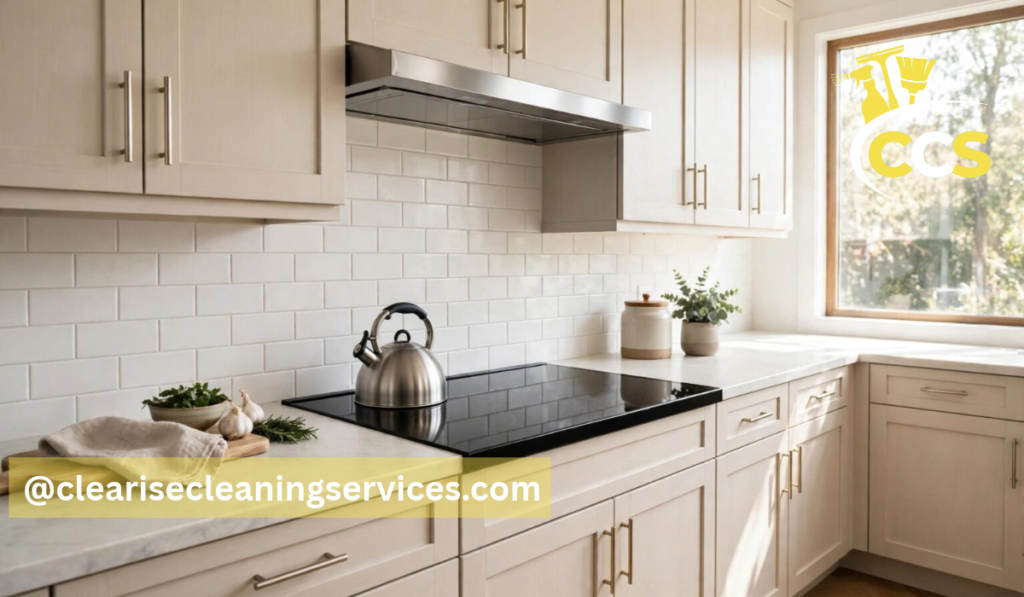
An electric stove is one of the biggest purchases in a kitchen, and it is also one of the hardest to compare, because three very different technologies hide under the same flat glass or coil top.
The best electric stove for a family that simmers sauces all day is not the same as the best one for a renter who mostly boils pasta. This guide explains the three types, what to check before you buy, and how to choose without paying for features you will never use.
What the Best Electric Stove Really Means
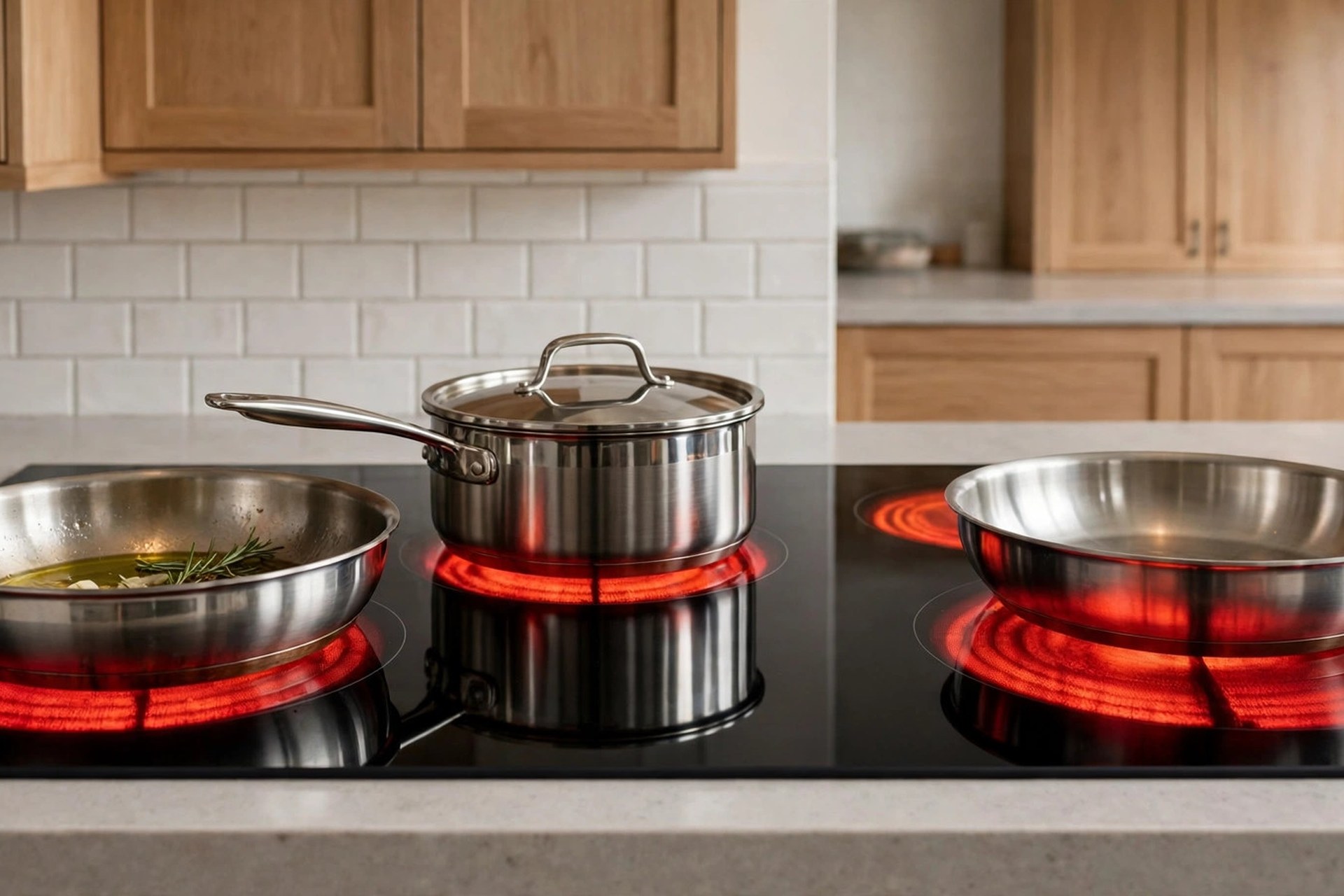
The best electric stove is not a single model, it is the stove whose heating type, size, oven and controls fit the way you cook, the pans you own, and the electrical supply in your kitchen. A stove that boils water fast but cannot hold a low simmer will frustrate a cook who makes sauces, while a budget coil stove can be perfect for simple everyday cooking.
Start by thinking about your cooking, not about brands. Do you fry and sear often, or do you mostly boil, steam and bake? Do you use cast iron, or do you have aluminium pans? Do you have small children in the kitchen? Each answer points to a different type of stove, and getting that choice right matters more than any single feature on the box.
The Three Types of Electric Stove at a Glance
Almost every electric stove uses one of three heating methods: exposed coil elements, radiant elements under a smooth glass top, or induction, which heats the pan itself with a magnetic field. All three run on electricity, usually from a 240-volt outlet, but they heat food in very different ways.
A coil stove passes current through a metal spiral, which glows red and heats the pan by direct contact. A smooth-top stove hides a similar heating element under a flat glass-ceramic surface, and the heat passes through the glass into the pan. An induction stove uses a copper coil under the glass to create a magnetic field, and that field heats a magnetic pan directly, while the glass itself stays relatively cool.
| Feature | Coil | Smooth-top radiant | Induction |
|---|---|---|---|
| How it heats | Glowing metal coil | Element glowing under glass | Magnetic field heats the pan |
| Speed | Moderate | Moderate | Fastest |
| Heat control | Slow to change | Slow to change | Near-instant, like gas |
| Cookware | Any flat pan | Any flat-bottom pan | Magnetic pans only |
| Cleaning | Hardest, coils and drip pans | Easy, wipe the glass | Easiest, spills do not bake on |
| Surface after cooking | Hot for several minutes | Hot for several minutes | Warm only where the pan sat |
| Upfront cost | Usually lowest | Mid-range | Usually highest |
Coil Electric Stoves: The Budget Classic
A coil electric stove uses exposed spiral metal elements that plug into sockets on the cooktop, and it is usually the cheapest type to buy and the easiest to repair. The coil heats up, passes heat straight into the pan, and cools down slowly when you switch it off.
Coil stoves work with any flat-bottom pan, which is a real advantage if you already own a mixed set of cookware. The elements themselves are simple parts, and on most ranges they lift out, so a worn element is often a job you can replace yourself without calling a technician. That keeps long-term costs down.
Smooth-Top Electric Stoves: The Everyday Default
A smooth-top electric stove hides its heating elements under a flat glass-ceramic surface, which wipes clean in seconds and gives the kitchen a sleek, modern look. It is the most common type in new kitchens, and for most households it is the sensible middle choice.
The glass top heats any flat-bottom pan, so you do not need special cookware. Many smooth-top models have dual or triple zones, where one burner can expand to fit a large pot or shrink for a small saucepan. That flexibility helps in a busy kitchen, and the flat surface doubles as extra counter space when it is off and cool.
Induction Stoves: The Fastest and Most Efficient

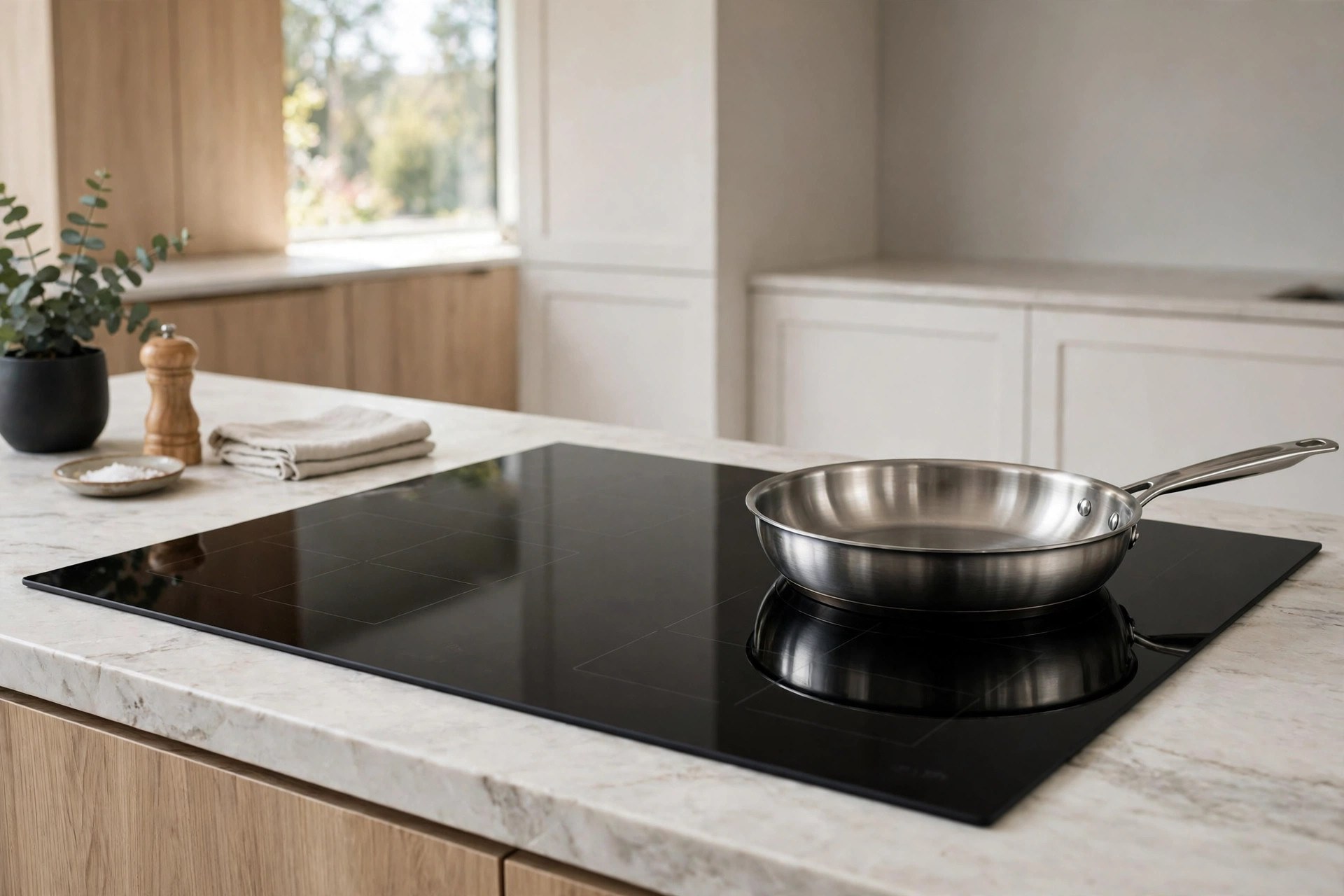
An induction stove heats the pan itself with a magnetic field, so it is the fastest type, the most efficient, and the one whose surface stays coolest, but it only works with magnetic pans. It looks like a smooth-top, because it also has a flat glass surface, but it works in a completely different way.
Under the glass, a copper coil creates a rapidly changing magnetic field. When a pan made of a magnetic metal, such as cast iron, carbon steel or most stainless steel, sits on the zone, the field creates currents inside the pan, and the pan itself becomes the heat source. The glass only gets warm from contact with the hot pan. That is why induction can boil water in about half the time of gas or conventional electric, according to ENERGY STAR, and why it reacts almost instantly when you turn the heat down.
ENERGY STAR also reports that induction is 5 to 10 percent more efficient than a standard electric stove, and about three times more efficient than gas. The catch is cookware: plain aluminium, copper and glass pans do not work unless they have a magnetic base. Test a pan with a fridge magnet, if it sticks firmly to the base, the pan will work on induction. Induction stoves also cost more upfront and need a 240-volt circuit, like other electric ranges.
Freestanding, Slide-In or Cooktop: Which Style Fits?
Most electric stoves are freestanding ranges, with a cooktop and oven in one unit and a back panel with the controls, while slide-in ranges sit flush with your counters and cooktops pair with a separate wall oven. The right style depends on your kitchen layout and your budget.
A freestanding range is the simplest swap, because it fits a standard 30-inch gap and needs no cabinet work. A slide-in range looks more built-in, with controls on the front and no back panel, but it usually costs more and needs a precise fit between your counters.
Measure your space before you shop. Standard ranges are 30 inches wide, but some kitchens have a 24-inch or 36-inch gap, and a stove that does not fit is a costly mistake. Also check the depth, since a stove that sticks out past your counters will catch hips and look unfinished.
Size, Oven Capacity and Everyday Cooking
For most households, a 30-inch electric range with four burners and an oven of around 5 cubic feet is the practical standard, because it fits a normal kitchen and handles a family meal without feeling cramped. Smaller kitchens may need a 24-inch model, while keen cooks may want five burners or a double oven.
Think about the largest thing you cook. A big roasting pan, a wide stockpot or a baking tray needs a burner and an oven shelf that fit it. Check the oven’s shelf positions and whether the door opens flat, since a door that stops halfway makes it hard to lift a heavy dish out. A fan oven, often called convection, circulates hot air and can bake more evenly, which matters if you bake bread or roast meat often. A self-cleaning cycle can help too, so read our guide to self-cleaning ovens before using it, since it runs very hot.
How to Choose the Best Electric Stove Step by Step
To choose the best electric stove, check your outlet first, then pick your heating type, then match the size and oven to your cooking, and only then compare features and prices. Working in that order stops you falling in love with a stove your kitchen cannot power or your pans cannot use.
- Check your outlet and circuit. Most electric ranges need a 240-volt outlet. If your kitchen only has a standard outlet, ask an electrician what an upgrade involves before you shop.
- Test your pans with a magnet. If a magnet sticks firmly to your pans, induction is an option. If not, a coil or smooth-top stove will suit your cookware better.
- Pick your heating type. Choose coil for the lowest cost, smooth-top for easy cleaning, or induction for speed, control and safety.
- Measure your space. Measure the width, depth and height of the gap, and check the door swing and the path into the kitchen.
- Match the oven to your cooking. Check the oven size, the shelf positions and whether a fan or a self-cleaning cycle matters to you.
- Compare running costs, not just the price tag. Induction costs more to buy but uses less energy, so think about the years you will own it.
- Read the warranty and the manual. Check what the warranty covers, especially the glass top, and keep the manual for cleaning advice.
Take your time with the first three steps, because they narrow the choice more than any review. Once you know your outlet, your pans and your heating type, the remaining choice is mostly about size, looks and budget.
Cleaning and Looking After an Electric Stove
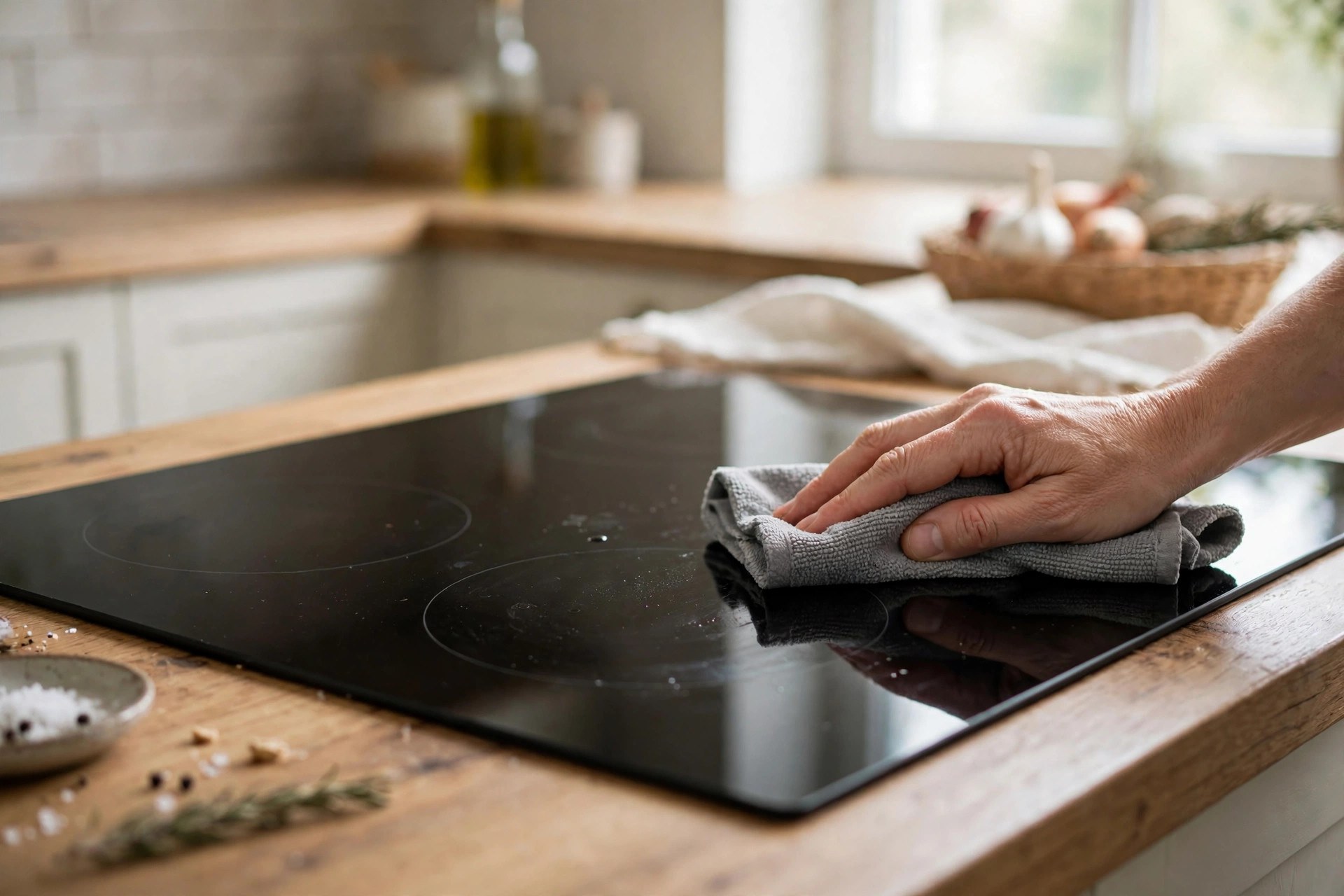
Cleaning an electric stove is easiest on induction, simple on a smooth-top if you wipe it once it is cool, and hardest on a coil stove, where drip pans and coils need regular attention. Whatever type you own, never clean a hot surface with a wet cloth, and never use a harsh scouring pad on glass.
For a smooth-top or induction stove, wait until the surface is cool, then wipe it with a damp cloth and a little washing-up liquid. For burnt-on food on a smooth-top, use a ceramic glass scraper and a cleaner made for glass cooktops, following the maker’s instructions. For a coil stove, lift the coils out, wash the drip pans in hot soapy water, and wipe the cooktop underneath. For the oven, see our guide to how to clean an oven, and for the outside, our guide to cleaning stainless steel appliances without streaks.
Safety and Electrical Basics
Electric stoves are safe when they are installed correctly, but they need a proper 240-volt circuit, a clear space around the cooktop, and respect for the fact that coil and smooth-top surfaces stay hot after cooking. Never install or move a range yourself unless you are qualified to do electrical work.
Keep tea towels, paper and plastic away from the cooktop, and turn pan handles inward so they cannot be knocked. On an induction stove, the surface cools faster and most zones will not turn on without a pan, which makes it a good choice for homes with small children. On a coil or smooth-top stove, teach children that the surface stays hot after the light goes out, and use the hot-surface indicator if your model has one.
Common Mistakes to Avoid
The most common mistakes when buying an electric stove are choosing induction without checking your pans, buying a size that does not fit, and dragging rough pans across a glass top. Each of these is easy to avoid with a few minutes of checking before you buy.
Many people buy an induction stove and only then discover that their favourite pans do not work on it. The magnet test takes seconds and saves that disappointment. A stove that is too wide for the gap, or too deep for the counters, is a costly return, so measure twice and write the numbers down before you shop.
On a glass top, always lift pans rather than sliding them, and avoid cast iron with a rough, unpolished base, which can scratch the glass. Also avoid using the cooktop as a work surface for chopping or resting heavy items, since a dropped knife or a heavy pot can chip or crack the glass. A stainless steel kitchen setup, with the right pans and utensils, helps a glass top last longer.
When an Electric Stove Is Not the Right Choice
An electric stove is not the right choice if your kitchen has no 240-volt outlet and you cannot upgrade it, if you love cooking with a visible flame, or if your pans are all non-magnetic and you want induction. In those cases a gas stove, or a different electric type, may suit you better.
Gas gives instant, visible flame control and works with any pan, which some cooks prefer, especially for wok cooking or charring. But gas needs a gas line and good ventilation, and it adds combustion fumes to the kitchen air, which is why many households now prefer electric. If you rent, check with your landlord before changing the stove or the wiring, since the outlet and the circuit belong to the property.
For most homes with a proper outlet, though, an electric stove is the practical choice: no gas line, no flame, and a wide range of types and prices. Pick the type that fits your pans and your cooking, and the stove will serve you well for years.
Conclusion
The best electric stove is the one that fits your kitchen, your pans and the way you cook. Coil stoves are the cheapest and simplest, smooth-top stoves are the easy-cleaning everyday choice, and induction stoves are the fastest and most efficient, as long as your pans are magnetic. Check your 240-volt outlet first, test your pans with a magnet, measure your space, and then choose the size and oven that suit your meals. Do that, and you will buy a stove you enjoy using, not one you wish you had researched a little longer.
Frequently Asked Questions
What is the best electric stove for most homes?
For most homes, the best electric stove is a 30-inch smooth-top range, because it is easy to clean, works with any flat pan, and suits everyday cooking. Induction is faster if your pans are magnetic.
Is induction better than a smooth-top electric stove?
Induction is faster, more efficient and cooler to touch, but it needs magnetic pans and costs more. A smooth-top stove works with any flat pan and is simpler to buy.
Do I need a special outlet for an electric stove?
Yes, most electric stoves need a 240-volt outlet and a dedicated circuit. Ask a qualified electrician to check your kitchen before you buy.
Can I use cast iron on an electric stove?
Yes, cast iron works on coil, smooth-top and induction stoves. On a glass top, lift it rather than sliding it, since a rough base can scratch the glass.
How do I know if my pans work on induction?
Hold a fridge magnet to the base of the pan. If it sticks firmly, the pan is magnetic and should work on induction. Plain aluminium, copper and glass pans usually do not.
Disclaimer: This article is provided purely for informational purposes. clearisecleaningservices.com only provides information about electric stoves and home appliances, and does not sell appliances, offer installation services, guest posting, paid promotion, or advertising. Electrical work should only be done by a qualified electrician, and always follow the manufacturer’s instructions for your stove. If your stove is damaged or stops working safely, switch it off and call a qualified technician.
Thanks for visiting Clearise Cleaning Services! Discover more helpful tips and expert cleaning insights by exploring our related categories.