Cleaning linoleum tile may seem simple at first, but it actually requires a gentle and thoughtful approach. Linoleum is made from natural materials, which makes it different from many modern floor types. Because of this, it can be sensitive to harsh cleaners, excess water, and rough scrubbing methods.
Many people unknowingly damage their floors by using strong chemicals or soaking the surface with too much water. Over time, this can lead to dullness, fading, or even permanent damage such as warping or peeling. The good news is that with the right method, cleaning linoleum tile can be easy, safe, and effective.
In this guide, you will learn how to clean linoleum tile properly using simple tools and gentle solutions. You will also discover how to remove stains, deal with yellowing, and maintain your floors so they continue to look clean and fresh for years.
Cleaning Linoleum Tile Methods
| Task | Best Method | Cleaner Type | Key Tip | Frequency |
| Daily Cleaning | Sweep or dry mop | None | Remove dust to prevent scratches | Daily |
| Regular Cleaning | Damp mop | Mild soap or pH-neutral cleaner | Keep mop slightly damp, not wet | Weekly |
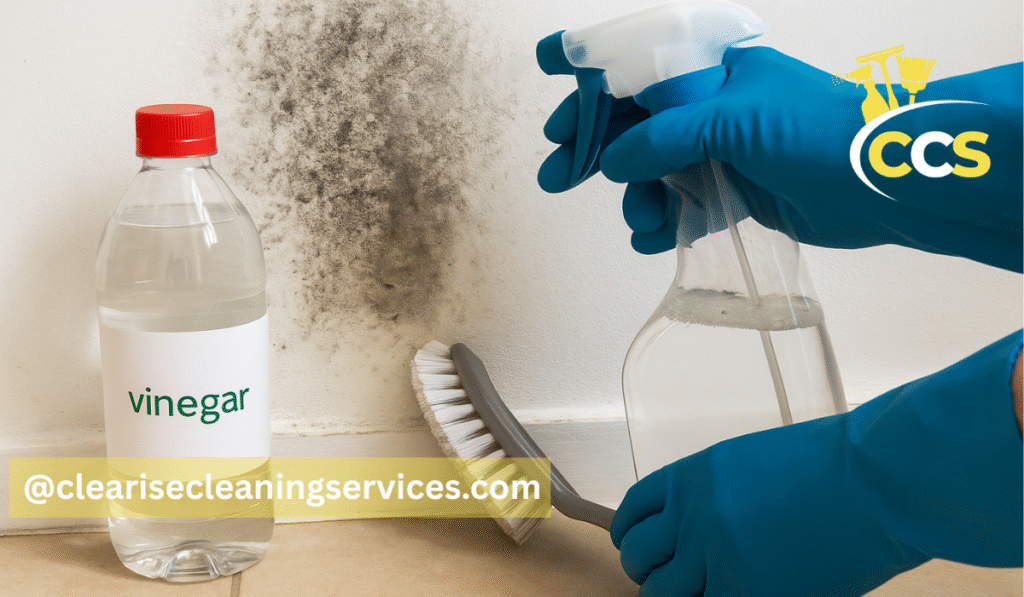
| Light Deep Cleaning | Vinegar solution | Vinegar + water | Use diluted solution only | Monthly |
| Stain Removal | Spot clean | Baking soda paste | Gently scrub, avoid pressure | As needed |
| Yellowing Treatment | Natural paste | Lemon + baking soda | Results may vary | Occasionally |
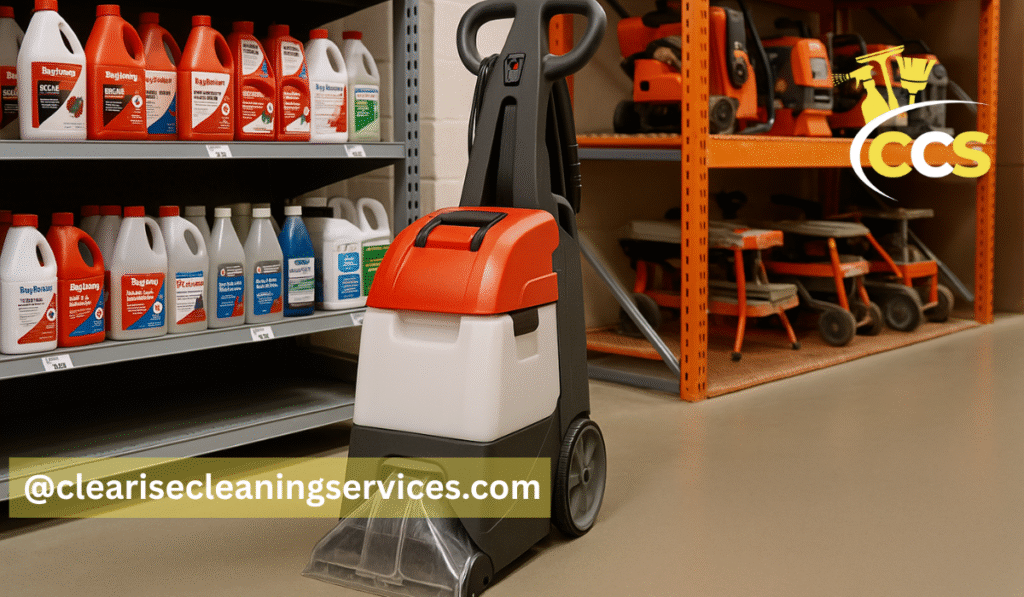
| Heavy Cleaning | Deep clean mop | Heavy-duty linoleum cleaner | Use only if necessary | Rare |
Understanding Linoleum Tile and Why Proper Cleaning Matters
Linoleum is a natural flooring material made from ingredients like linseed oil, wood flour, cork dust, and natural resins. These materials give linoleum its durability and eco-friendly appeal, but they also mean the surface needs careful handling.
Unlike vinyl flooring, which is synthetic and more resistant to chemicals, linoleum is more porous. This means it can absorb moisture and react to strong cleaning agents. If the wrong products are used, the protective surface can wear down, leaving the floor vulnerable to stains and damage.
Proper cleaning is important because it helps preserve the natural finish of the floor. When you clean linoleum tile the right way, you protect its structure, maintain its shine, and extend its lifespan. On the other hand, using harsh methods can quickly reduce the quality and appearance of the flooring.
Essential Supplies for Cleaning Linoleum Tile Safely
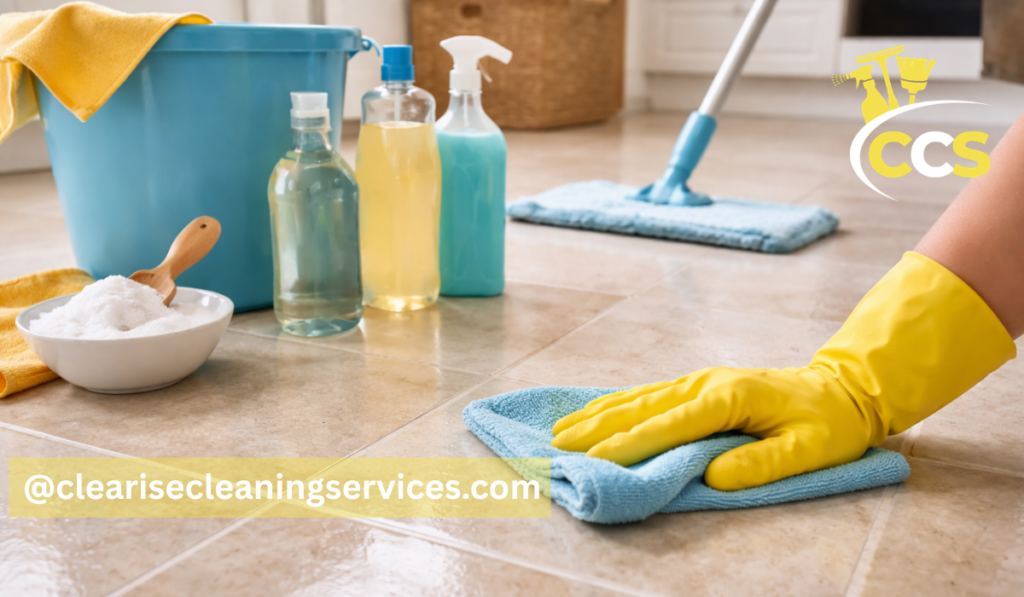
To clean linoleum tile safely, you do not need expensive or complicated products. In fact, simple tools and gentle cleaners work best.
A soft-bristle broom or a vacuum with a hard-floor setting is ideal for removing dust and debris. A microfiber mop is recommended because it cleans effectively without being too rough on the surface. It is also helpful to keep a few clean towels on hand for drying the floor after cleaning.
When it comes to cleaning agents, mild dish soap, white vinegar, or a pH-neutral linoleum cleaner are all good choices. These options are gentle enough to clean without damaging the floor. If you are looking for the best cleaner for linoleum floors, always choose products that are labeled as safe for natural or delicate surfaces.
The key is to avoid anything too strong. A simple solution made with water and a small amount of mild cleaner is often all you need for regular cleaning.
The Best Way to Clean Linoleum Tile Step by Step
The most effective way to clean linoleum tile follows a simple routine that protects the surface while removing dirt and grime.
Start by removing loose dirt and debris from the floor. This step is important because small particles like sand can scratch the surface if they are left behind during mopping. You can use a broom or a vacuum to do this quickly.
Next, prepare a gentle cleaning solution. Mix warm water with a few drops of mild dish soap, or use a small amount of vinegar diluted in water. The solution should be light and not too concentrated.
When mopping, make sure the mop is only slightly damp. It should never be soaking wet. Excess water can seep into the seams of the linoleum and cause damage over time. Work in small sections and use smooth, back-and-forth motions to clean the surface.
After mopping, it is a good idea to rinse the floor with clean water to remove any residue. Finally, dry the floor with a towel or a dry microfiber cloth. This step helps prevent water spots and protects the floor from moisture damage.
Step-by-Step Quick Guide: Cleaning Linoleum Tile Properly
- Sweep or vacuum the floor to remove loose dirt
- Mix warm water with a few drops of mild dish soap
- Use a microfiber mop and keep it slightly damp
- Mop gently in small sections
- Rinse with clean water to remove residue
- Dry the floor immediately with a towel
Cleaning Linoleum Tile with Vinegar: When and How to Use It
Vinegar is a popular and effective option for cleaning linoleum tile, especially for light cleaning tasks. It works well because it helps break down dirt and removes mild buildup without leaving a sticky residue.
To use vinegar safely, it should always be diluted with water. A common mixture is about one cup of white vinegar in a gallon of warm water. This solution is gentle enough for regular use while still being effective.
Vinegar is best used for routine cleaning or when the floor looks slightly dull. However, it should not be used too often or in high concentrations, as it can slowly affect the finish of the linoleum if overused.
It is also important to avoid using vinegar on floors that have a special protective coating unless the manufacturer recommends it. In such cases, a pH-neutral cleaner may be a better choice.
Cleaning Linoleum Tile with Baking Soda for Deep Cleaning
When regular cleaning is not enough, baking soda can be a helpful solution for deep cleaning linoleum tile. It is gentle but effective at removing stubborn dirt and grime.
Baking soda works by lightly lifting dirt from the surface without scratching it. To use it, you can make a paste by mixing baking soda with a small amount of water. Apply this paste to the dirty area and let it sit for a short time.
After a few minutes, gently scrub the area with a soft brush or cloth. It is important not to scrub too hard, as this could damage the surface. Once the dirt is removed, rinse the area with clean water and dry it completely.
This method is especially useful for spots that have built-up dirt or stains that do not come off with regular cleaning.
How to Remove Common Linoleum Tile Stains and Scuffs
Over time, linoleum floors can develop stains from food, grease, or everyday use. Cleaning linoleum tile stains requires a gentle approach to avoid damaging the surface.
For general stains, a mild cleaning solution combined with light scrubbing is usually enough. Grease stains may need a bit more attention, but they can still be removed using gentle methods without harsh chemicals.
Scuff marks are another common issue, especially in high-traffic areas. These marks can often be removed by gently rubbing them with a soft cloth or even a simple household item like a tennis ball. The key is to avoid using anything abrasive that could scratch the floor.
The goal is always to clean the surface without removing its protective layer. With patience and the right method, most stains and marks can be removed safely.
How to Clean a Linoleum Floor That Is Yellowed
Yellowing is a problem that can occur over time, especially in areas that receive a lot of sunlight or have been exposed to certain materials like rubber-backed rugs. It can also happen due to aging or buildup from cleaning products.
To clean a linoleum floor that is yellowed, you can use natural methods such as a mixture of lemon juice and baking soda. This combination can help lighten the discoloration and restore some of the floor’s original appearance.
Apply the mixture to the affected area and let it sit for a short period before gently scrubbing and rinsing. While this method can improve the look of the floor, it is important to understand that deep yellowing may not be completely reversible.
Regular cleaning and proper maintenance can help prevent yellowing from becoming worse over time.
Choosing the Right Linoleum Cleaner for Regular and Heavy-Duty Use
Choosing the right linoleum cleaner is important for keeping your floors in good condition. For everyday cleaning, a mild solution or a pH-neutral cleaner is usually the best option. These cleaners are gentle and safe for regular use.
For tougher cleaning tasks, you may need a heavy duty linoleum floor cleaner. However, even in these cases, it is important to choose products that are specifically designed for linoleum. Avoid anything that contains harsh chemicals or strong alkaline ingredients.
Reading product labels can help you make the right choice. Look for cleaners that mention they are safe for natural flooring or linoleum surfaces. This ensures that you are cleaning effectively without causing damage.
What to Avoid When Cleaning Linoleum Tile
When cleaning linoleum tile, knowing what to avoid is just as important as knowing what to do. One of the biggest mistakes people make is using too much water. Linoleum is porous, and excess moisture can seep into the seams and cause long-term damage.
Harsh chemicals like bleach and ammonia should also be avoided. These can strip away the protective finish and weaken the surface of the floor. Over time, this can lead to discoloration and wear.
Steam mops are another tool that is often not recommended for linoleum floors. The combination of heat and moisture can loosen adhesives and damage the flooring.
Abrasive tools such as steel wool or stiff brushes should never be used. They can scratch the surface and remove the protective layer, making the floor more vulnerable to damage.
Daily and Long-Term Maintenance Tips for Linoleum Floors
Keeping linoleum floors in good condition does not require a lot of effort, but it does require consistency. Simple daily habits can make a big difference in how your floors look over time.
Regularly removing dust and dirt helps prevent scratches and keeps the surface clean. Using protective pads under furniture can reduce wear and prevent marks. It is also helpful to avoid dragging heavy items across the floor.
Over time, applying a linoleum-safe polish can help restore shine and provide an extra layer of protection. This does not need to be done often, but it can improve the appearance of the floor and extend its life.
By taking small steps regularly, you can keep your linoleum floors looking fresh and well-maintained.
Conclusion
Cleaning linoleum tile the right way is all about using gentle methods and consistent care. By understanding the nature of linoleum and choosing the right tools and cleaners, you can keep your floors clean without causing damage.
Simple practices like using a damp mop, avoiding harsh chemicals, and drying the floor properly can make a big difference. Whether you are dealing with everyday dirt, stains, or yellowing, there are safe and effective ways to handle each situation.
With the right approach, your linoleum floors can stay clean, smooth, and attractive for many years. A little care goes a long way in preserving both the look and durability of your flooring.
FAQs
What Is The Best Cleaner For Linoleum Floors?
The best cleaner for linoleum floors is a mild, pH-neutral solution or diluted dish soap. These options clean effectively without damaging the natural surface. Avoid harsh chemicals like bleach or ammonia, as they can strip the finish and reduce durability.
Can I Use Vinegar For Cleaning Linoleum Tile?
Yes, vinegar can be used for cleaning linoleum tile, but only when diluted with water. It works well for light cleaning and removing buildup. However, frequent use or strong solutions may damage the finish, so use it carefully.
How Do I Remove Stains From Linoleum Tile?
To remove stains, use a gentle method like a baking soda paste or mild cleaner. Apply it to the stained area, let it sit briefly, then scrub softly and rinse. Avoid harsh scrubbing, as it can damage the surface.
Why Does My Linoleum Floor Turn Yellow?
Linoleum floors may turn yellow due to aging, sunlight exposure, or residue buildup from improper cleaning. Rubber-backed rugs can also cause discoloration. While some yellowing can be improved with natural cleaners, deep discoloration may not fully reverse.
Can I Use A Steam Mop On Linoleum Floors?
Steam mops are not recommended for linoleum floors. The heat and moisture can weaken adhesives and damage the material over time. It is safer to use a damp mop with gentle cleaning solutions.
Disclaimer: This content is for general informational purposes only. Cleaning results may vary depending on floor condition and product use. Always test any cleaning method on a small, hidden area before applying it to the entire surface.
Thanks for visiting Clearise Cleaning Services! Discover more helpful tips and expert cleaning insights by exploring our related categories.