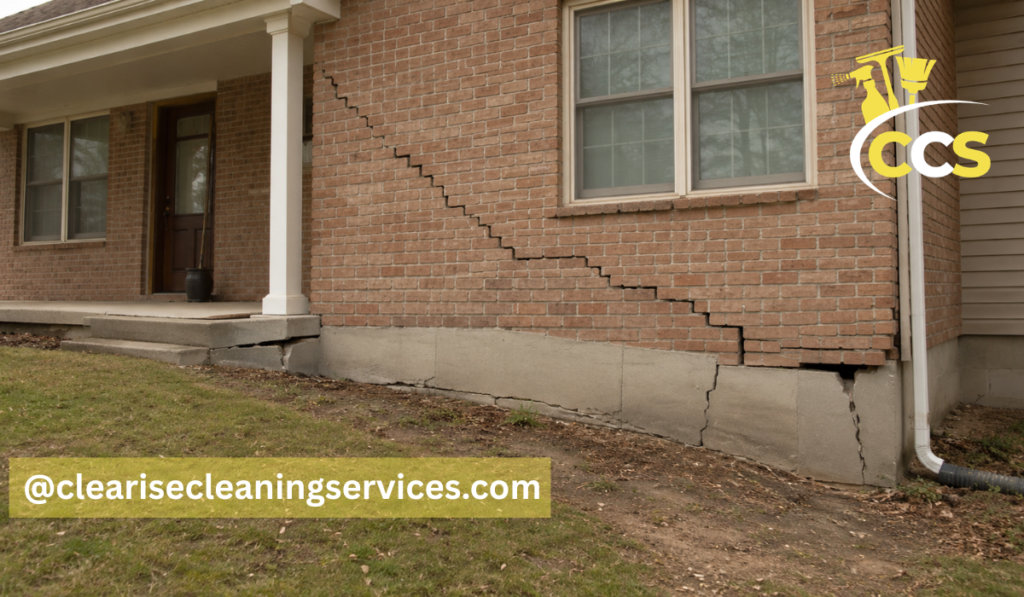
Foundation settling happens when the soil beneath a home compresses, dries, shifts, or washes away, causing the foundation to move. Nearly every house experiences a small amount of movement because soil and building materials naturally change over time.
Minor movement is often harmless, especially during the early years after construction. However, uneven or continuing settlement can place stress on walls, floors, plumbing, doors, windows, and other parts of the structure.
The age of the home, local soil, drainage conditions, crack patterns, and speed of movement all help determine whether settlement is normal or serious. Homeowners should understand the warning signs, likely causes, repair choices, possible costs, and insurance limitations before deciding what to do.
Quick Guide: Normal Settling vs. Serious Foundation Problems
| Sign or Condition | Likely Normal Settling | Possible Serious Problem |
| Crack appearance | Thin, stable hairline cracks | Wide, diagonal, horizontal, or stair-step cracks |
| Movement pattern | Even movement across the home | One side or corner sinks more than another |
| Crack activity | Does not grow over time | Continues widening or reopens after repair |
| Doors and windows | Minor adjustment may be needed | Stick, drag, separate, or stop latching |
| Floors | Remain mostly level | Slope, sag, bounce, or sink |
| Masonry | Small mortar cracks | Cracked bricks, displaced blocks, or separation |
| Chimney | Remains connected and upright | Leans or pulls away from the house |
| Recommended action | Monitor and document changes | Arrange a professional structural inspection |
What to Do When You Notice Foundation Settling
- Photograph the damage: Take clear, dated pictures of cracks, gaps, uneven floors, and misaligned doors or windows.
- Measure visible cracks: Record their width and check whether they grow after heavy rain, drought, or seasonal weather changes.
- Inspect water drainage: Check gutters, downspouts, yard grading, pooling water, and possible plumbing leaks near the foundation.
- Avoid hiding active damage: Do not immediately fill or paint over cracks that may still be moving.
- Request professional help: Contact a structural engineer or qualified foundation specialist when damage is widespread, worsening, or affecting the home’s stability.
What Foundation Settling Means for a Home
A foundation depends on the soil beneath it for support. When that soil compresses, dries out, erodes, or shifts, part or all of the foundation may move downward.
Settlement can affect concrete slabs, basement walls, crawl-space supports, floors, ceilings, doors, and windows. It may also create gaps between building materials.
Downward settlement occurs when the foundation sinks. Lateral movement pushes a foundation wall sideways, while foundation heaving lifts part of the structure upward, often because wet soil expands.
Movement does not automatically mean a home is unsafe. The main concern is whether it is even, stable, and minor or uneven, active, and worsening. Monitoring changes over time is often more useful than judging one crack alone.
Normal Settling and Differential Settlement
Normal settling usually happens when the weight of a new home gradually compresses the soil below it. If the whole foundation moves evenly and only slightly, the structure may remain stable.
New homes may develop small drywall cracks, minor gaps in trim, or slight door adjustments during their first few years. These changes are often cosmetic.
Differential settlement is more concerning. It occurs when one part of the foundation sinks faster or farther than another. For example, one corner may drop because the soil beneath it is softer, wetter, drier, or poorly compacted.
Uneven movement pulls different parts of the house in opposite directions. This may produce diagonal cracks, sloping floors, separated masonry, and doors or windows that no longer fit their openings.
Foundation Settling vs. Foundation Problems
The difference between harmless settling and a true foundation problem depends on the amount, pattern, location, and speed of movement.
Minor cosmetic settling may cause thin drywall cracks or small gaps that remain unchanged for years. An active problem is more likely when cracks widen, reopen after repair, or appear together with uneven floors and misaligned openings.
A thin crack in drywall is generally less concerning than a large crack passing through brick, concrete block, or a foundation wall. However, no crack pattern provides a complete diagnosis by itself.
Moisture changes, soil movement, poor construction, plumbing leaks, and drainage problems can create similar symptoms. A professional inspection may be needed to identify the actual cause.
How Much Foundation Settling Is Acceptable?
There is no single measurement that is acceptable for every home. A small amount of movement may be harmless in one building but damaging in another.
Engineers consider both total settlement and the difference in elevation between separate parts of the foundation. They also examine the type of foundation, building materials, soil conditions, age of the home, location of the damage, and rate of change.
The speed of movement is especially important. A small shift that develops quickly may require more attention than an old, larger difference that has remained stable for decades.
Professional floor-level readings or a foundation elevation survey may be necessary when movement appears widespread, continues to worsen, or affects several structural features.
Common Foundation Settling Examples
Foundation settling examples vary from minor cosmetic changes to visible structural distress. A newer home may develop narrow vertical cracks in drywall as materials adjust.
More serious examples include stair-step cracks in brick mortar, diagonal cracks extending from doors and windows, and gaps between walls, ceilings, cabinets, or trim.
Doors may swing open by themselves, drag against the floor, or stop latching. Windows may stick or show uneven gaps. Floors may slope, sag, or feel bouncy.
Outside, a chimney may pull away from the house, while a porch, garage, or patio slab may sink near the main structure. Bowing or rotating foundation walls can point to pressure or movement that deserves prompt evaluation.
Foundation Settling Cracks and What Their Patterns May Indicate
Foundation settling cracks can appear in several directions. Vertical cracks may result from normal shrinkage, but they should still be watched for widening or water entry.
Horizontal cracks in basement or foundation walls can indicate sideways soil pressure and may be more serious, especially when the wall is bowing.
Diagonal cracks often form around doors and windows because these openings are weaker areas in a wall. Stair-step cracks follow mortar joints in brick or concrete block and may indicate uneven settlement.
V-shaped, wedge-shaped, or tapered cracks are wider at one end and may show the direction of movement. A repaired crack that reopens suggests the underlying movement has not stopped.
Prompt professional attention is sensible when cracks widen quickly, pass through masonry, appear with sloping floors, or cause doors and windows to become noticeably misaligned.
Interior Signs of Foundation Settling
Inside the home, signs often appear around openings and connections. Drywall may crack above doors or at window corners. Walls may separate from ceilings, and molding may pull away.
Floors may slope, sag, bounce, or develop cracked tiles. Doors can stick, drag, swing on their own, or fail to latch. Windows may become difficult to open or close.
Cabinets and countertops may separate from walls. Baseboards, crown molding, and trim can develop gaps.
In crawl spaces or basements, support posts may lean, beams may sag, and connections may no longer sit evenly. Several related signs are generally more meaningful than one small cosmetic crack.
Exterior Signs of Foundation Movement
Common exterior signs include stair-step cracks in brickwork and cracks that pass through bricks rather than following mortar joints.
Gaps may develop around doors, windows, siding, trim, or masonry. A chimney can lean or separate from the main wall. Rooflines, porches, and garages may appear uneven.
Homeowners should also watch for foundation cracks that grow, soil pulling away during drought, and water collecting near one side of the house.
Pooling water can soften supporting soil or contribute to erosion. Exterior damage combined with interior symptoms often provides stronger evidence of active movement.
Main Causes of Foundation Settling
Natural soil consolidation is common beneath new construction, but serious settling may develop when fill soil was not compacted correctly before the foundation was built.
Expansive clay swells when wet and shrinks during dry weather. Loose or sandy soil may erode more easily, while long droughts can cause soil to pull away from the foundation.
Heavy rain, poor grading, clogged gutters, short downspouts, plumbing leaks, and broken sewer or drainage lines can oversaturate or wash away supporting soil.
Large trees may remove moisture from nearby ground. After trees are removed, decomposing roots can leave underground spaces.
Other causes include weak foundation design, construction defects, nearby excavation, ground vibration, and major landscaping changes that alter drainage or soil support.
How Soil and Moisture Affect Foundation Stability
Different soils respond differently to water. Clay can expand greatly when wet and contract when dry. Sandy soil drains quickly but may wash away, while poorly compacted fill can compress under a building’s weight.
Repeated wet-and-dry cycles may cause sections of a foundation to rise and fall. Drought can shrink soil and leave gaps beneath footings. Too much water can soften soil or carry it away.
Uneven moisture is often more damaging than uniformly wet or dry conditions. One side of a home may remain damp while another becomes extremely dry, increasing the chance of differential settlement.
Balanced drainage and steady moisture conditions can help reduce future movement, although watering practices should suit local soil and climate conditions.
Foundation Settling in Newer Homes
Some movement is expected after a house is built. Disturbed soil may compress under the new load, while wood, concrete, drywall, and other materials adjust.
Typical early signs may include small drywall cracks or minor trim gaps. These should remain limited and eventually stabilize.
Large cracks, sloping floors, separated masonry, or rapidly changing doors and windows are not automatically normal simply because the home is new.
Soil preparation, drainage, construction quality, and foundation design all affect performance. Homeowners should photograph and report damage during the builder-warranty period rather than covering it before it is evaluated.
Settling in a 100-Year-Old House
A 100-year-old house settling may have uneven floors, old cracks, and slightly out-of-square openings that have remained stable for decades.
Historic movement is different from newly active settlement. A recent crack, fresh masonry separation, or rapidly worsening floor slope deserves attention even in a very old home.
Older properties may have stone or brick foundations, lime mortar, shallow footings, and framing methods that behave differently from modern construction.
New drainage patterns, plumbing leaks, renovations, nearby excavation, or mature trees can disturb a previously stable building. Professionals who understand historic materials are often better prepared to recommend repairs that will not damage the original structure.
How Foundation Settling Is Professionally Diagnosed
A professional assessment normally begins with an interior and exterior inspection. The inspector reviews crack direction, width, location, age, and whether repairs have reopened.
Floor levels and foundation elevations may be measured with laser levels or other instruments. Crack monitors can track change over time.
The investigation may also include grading, gutters, downspouts, plumbing, drainage, crawl-space supports, and framing. Soil testing may be recommended when ground conditions remain unclear.
A structural engineer evaluates how movement affects the building. A geotechnical engineer studies soil behavior. Contractors propose and install repairs, while plumbers or drainage specialists investigate leaks and water problems.
An independent engineering opinion can be useful before agreeing to expensive structural work.
Monitoring Minor Foundation Movement
When immediate danger has been ruled out, minor movement may be monitored. Take clear photographs with dates and place a ruler beside each crack to show its width.
Marking crack ends can help reveal new growth, although purpose-made crack monitors provide better measurements. Record changes in doors, windows, floors, and water conditions.
Recheck the area after heavy rain, drought, or major seasonal changes. Keep all photographs and notes together.
Monitoring should not replace professional advice when walls are bowing, masonry is displaced, floors are dropping quickly, or movement appears to threaten safety.
Foundation Settling Repair Options
The correct repair depends on the cause. Minor problems may improve after gutters are repaired, downspouts are extended, plumbing leaks are stopped, or the yard is regraded.
French drains and surface drainage may redirect water, while soil stabilization can improve weak ground in certain situations.
Underpinning transfers the building load to deeper, stronger soil. Common systems include steel push piers, helical piers, drilled concrete piers, and slab piers.
Mudjacking pumps a cement-based material under a sunken slab. Polyjacking uses expanding polyurethane foam. These methods are commonly used for slabs but may not solve deeper structural settlement.
Crawl-space beams or supports may need correction, and damaged walls may require reinforcement. Cracks should generally be sealed after the movement has been stabilized, not before the cause is addressed.
Choosing the Right Foundation Repair Method
Repair selection depends on the foundation type, building design, soil depth, severity of movement, access, drainage, and whether settlement is active.
A repair that works for a sunken driveway may not be suitable for a load-bearing house foundation. Likewise, one pier system may be appropriate in one soil type but not another.
Homeowners should compare engineering recommendations, expected performance, permits, written warranties, and whether warranties transfer to future owners.
The lowest estimate is not always the best option. A cheaper repair that treats only visible damage may lead to repeated costs later.
Foundation Settling Repair Cost
Foundation settling repair cost varies widely because every property has different conditions. Simple drainage correction or minor crack work may cost far less than underpinning a large section of a home.
Major cost factors include the number and type of piers, foundation size, depth of stable soil, access, amount of movement, local labor rates, and required materials.
Engineering, soil testing, permits, plumbing repairs, drainage work, landscaping, flooring, drywall, and masonry restoration may add to the final bill.
Homeowners should request a detailed written scope that identifies the cause, repair method, number of supports, exclusions, and warranty. Comparing several professional opinions can help prevent unnecessary or incomplete work.
Is Foundation Settling Covered by Insurance?
Homeowners often ask, is foundation settling covered by insurance? Standard policies commonly exclude damage caused by normal settling, shrinking, expansion, poor maintenance, or earth movement.
Coverage may be possible when the damage results from a sudden event that the policy covers, such as an accidental plumbing failure or another specifically listed peril. However, a policy might cover resulting water damage without paying to correct the original foundation condition.
Rules depend on the policy, insurer, cause, endorsements, deductible, and location. Homeowners should photograph the damage, save reports and repair estimates, and review the policy carefully.
Contacting the insurer before beginning non-emergency repairs may help preserve evidence and clarify claim requirements.
Finding Foundation Settling Repair Near Me
When searching for foundation settling repair near me, start with an independent structural evaluation if the damage appears significant.
Choose licensed and insured professionals with experience in the local soil and the property’s foundation type. Ask for measurements and a written explanation rather than relying on a quick visual estimate.
Compare proposed methods, materials, pier locations, permits, warranties, exclusions, and responsibility for finish repairs.
Check references and complaint records. Be cautious of pressure-based sales, one-day discounts, and recommendations for major work that are not supported by measurements or engineering findings.
What to Do After Discovering Foundation Settling
First, document cracks, gaps, floor changes, and misaligned openings. Check gutters, downspouts, grading, pooling water, and possible plumbing leaks.
Keep water away from the foundation, but avoid making sudden changes that could create uneven soil moisture. Do not hide active cracks with paint or filler before an inspection.
Arrange a professional evaluation when several warning signs appear together or the damage is worsening. Seek urgent advice if a chimney, wall, floor, or porch seems unstable.
Keep photographs, reports, estimates, permits, warranties, and repair records for future monitoring, insurance questions, and property sales.
Foundation Settling Mistakes Homeowners Should Avoid
Do not assume every crack is harmless, but do not assume every crack requires major structural work either.
Sealing damage without fixing its cause may hide continuing movement. Ignoring leaks, poor drainage, erosion, or failing gutters can allow settlement to worsen.
Avoid removing large trees without considering how the change may affect soil moisture. Extreme overwatering can also create problems.
Do not choose a contractor only because the price is low, and do not approve major repairs without measurements and a clear explanation. Finish repairs such as flooring, drywall, and tile should usually wait until the foundation is stable.
Preventing Future Foundation Settlement
Good water management is one of the most practical prevention steps. Keep gutters clear, extend downspouts, correct low areas, and maintain a slope that directs water away from the house.
Repair plumbing leaks quickly and watch for erosion. During drought, follow locally appropriate guidance for maintaining steady soil moisture rather than allowing extreme wet-and-dry changes.
Plant large trees far enough from the foundation for their mature size and root spread. Inspect foundation walls, brickwork, floors, and openings regularly.
After structural repair, keep elevation records and schedule follow-up checks when recommended.
When Foundation Settling Requires Immediate Attention
Arrange prompt professional help when cracks widen over weeks or months, foundation walls bow, or large stair-step cracks displace brick or block.
Rapidly sinking floors, sudden door and window problems, a separating chimney, or a leaning exterior wall may indicate significant movement.
New water entry, visible foundation rotation, popping sounds, or structural shifting should not be ignored.
Leave the affected area and seek emergency guidance when any wall, floor, chimney, porch, or other feature appears at risk of collapse.
Conclusion
Some foundation settling is a normal part of a home’s life, especially when movement is small, even, and stable. Uneven or continuing settlement deserves closer attention.
Homeowners should consider crack patterns, speed of change, drainage, soil moisture, floor levels, and related problems with doors, windows, walls, and masonry.
Early diagnosis is usually more useful than covering cosmetic damage. Proper drainage, professional measurements, and repairs that address the true cause can protect the structure and reduce future expense.
A crack does not always mean disaster, but worsening movement should not be ignored. Calm observation and timely professional advice can prevent a manageable issue from becoming a larger structural problem.
Frequently Asked Questions
Is Foundation Settling Normal?
A small amount of even foundation settling can be normal, especially during a home’s first few years. Uneven, rapid, or continuing movement may indicate a structural or soil-related problem.
How Much Foundation Settling Is Acceptable?
There is no universal acceptable amount. Foundation type, soil, building materials, movement speed, and damage location all matter. An engineer can measure elevations and determine whether movement is serious.
What Do Foundation Settling Cracks Look Like?
They may appear as vertical, diagonal, horizontal, or stair-step cracks. Widening, tapered, reopened, or displaced masonry cracks are generally more concerning than small, stable hairline cracks.
How Much Does Foundation Settling Repair Cost?
Costs vary according to the cause, foundation type, repair method, number of piers, soil depth, accessibility, and local labor rates. A professional inspection is needed for an accurate estimate.
Is Foundation Settling Covered By Homeowners Insurance?
Normal settling and earth movement are commonly excluded. Coverage may apply when damage results from a covered sudden event, such as an accidental plumbing leak. Always review your individual policy.
Disclaimer: This article is provided for general informational purposes only and should not replace an on-site inspection or professional structural advice. Foundation conditions vary by property, soil type, climate, and construction method. Consult a licensed structural engineer, qualified foundation professional, and insurance provider before making repair or coverage decisions.
Thanks for visiting Clearise Cleaning Services! Discover more helpful tips and expert cleaning insights by exploring our related categories.