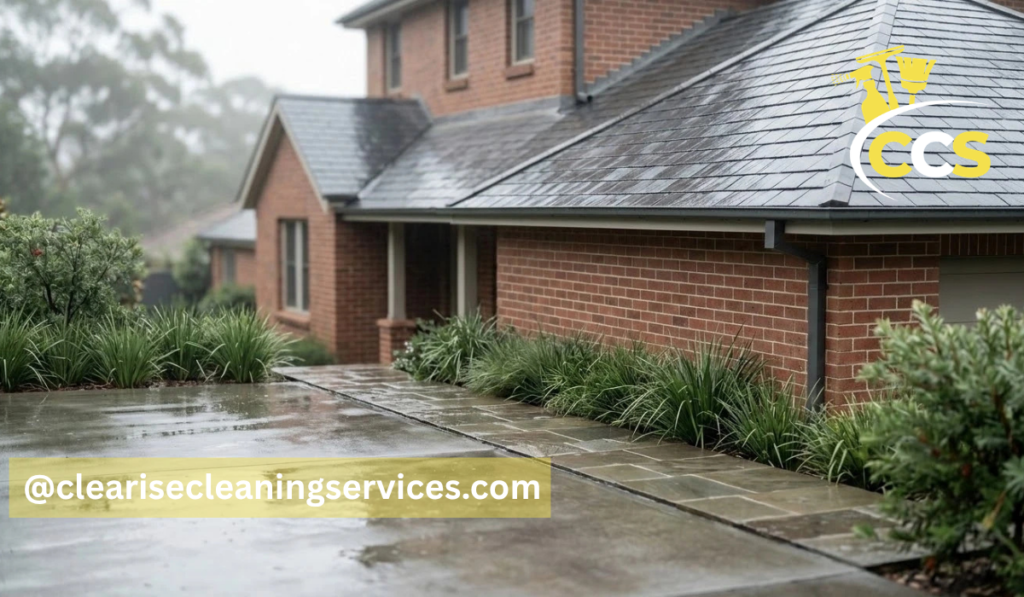
A storm doesn’t have to tear a roof off to cost money. On plenty of Australian properties, the expensive damage is quieter than that. Water finds a cracked flashing. Leaves sit in a gutter. A driveway holds water against the garage slab.
Leave those problems for a few weeks and they start to look like neglect. Buyers notice. Valuers notice. Insurers notice too.
A proper check before severe weather, and a proper cleanup afterwards, keeps the house doing two basic jobs. It keeps water out. It sends water away from the building. It also gives you a record of what was checked, and when.
Storms Find The Weak Point
East coast weather doesn’t wait for a convenient week. Through the warmer months, Sydney and much of coastal New South Wales get short, heavy rain, hail and wind. That weather tests whatever was already tired.
A roof that looked fine in June can fail in a spring storm. A loose ridge is enough. So is a valley full of leaves, or a downpipe that hasn’t run clear in years.
Home insurance is built around a defined event. Most Australian policies cover sudden damage from wind, hail, lightning and rainwater that overflows gutters soon after a storm. Wear and tear, poor maintenance and slow leaks are a different category. Assessors look for that difference.
A fresh leak under a tile the wind lifted overnight is a clearer claim than a ceiling with old water marks.
You don’t need to memorise your policy. You do need the property in a state where storm damage is clearly storm damage.
What Slate Needs Before The Wind
On older Sydney houses, slate can still be the right roof. It lasts if someone maintains it. It is also brittle.
A cracked or slipped piece can sit in place until wind or hail moves it. Then water has a direct path onto the layer under the slates, the battens and the ceiling.
Nail sickness is the same kind of problem. The fixings have corroded, so the slates are no longer held properly. From the street, the roof can still look mostly intact.
Book Sydney slate roofing checks before the season turns. Make the scope specific:
- Missing or cracked slates
- Flashings at chimneys, skylights and other openings
- Hips, ridges and valleys
- Gutters and downpipes that can take a sudden fall of rain
- Branches that could land on the roof if the wind gets up
After high wind, a ground-level look is worth doing. Binoculars are enough. Don’t climb up to push a few slates back. Slate cracks under foot traffic, and a fall isn’t a maintenance strategy.
Clear the gutters while access is safe. A blocked gutter is one of the ordinary ways rain ends up inside a house that otherwise got through the weather.
Buyers and building inspectors notice ceiling stains. They price the uncertainty, not just the mark on the plaster.
After The Weather Passes
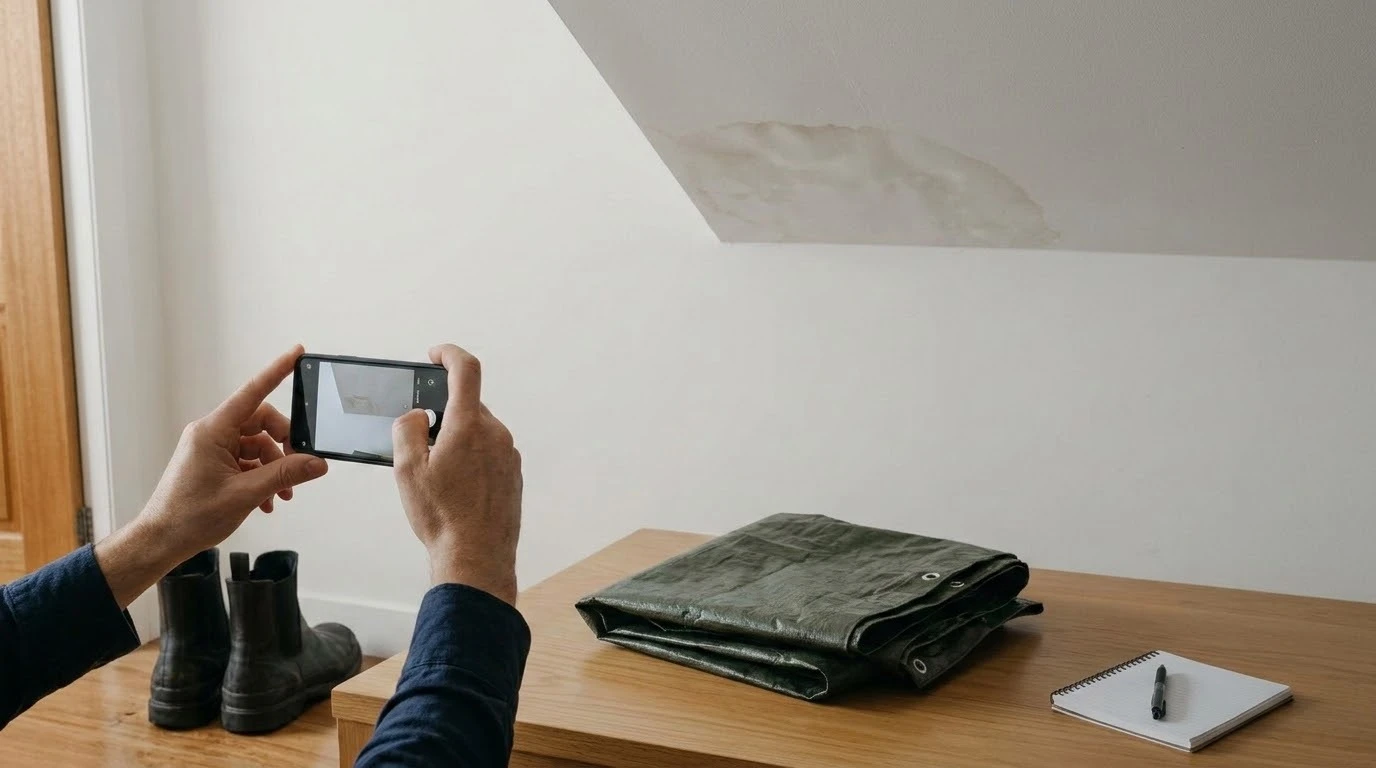
Once the weather has passed, do two things. Limit further damage. Record what happened.
Don’t start a rebuild before anyone qualified has looked.
If it’s safe, photograph the outside and any stains inside. Note the date, the suburb and what you can see. Roof, gutters, ceilings, windows, debris.
Lodge with the insurer early. Mention roof damage. Speak to them before you authorise building work, including emergency repairs. The Insurance Council of Australia is clear that unauthorised work may not be covered. Ask what they will accept, get that in writing where you can, and keep the receipts.
Some temporary work can still be the right call. A tarp. Isolating a wet room. Moving a branch that is actively letting water in. Only do it if it doesn’t create a worse hazard.
Permanent repairs are a separate decision. Avoid making quick decisions on the spot just because a tradesperson happens to be available immediately. That’s how a straightforward claim gets messy.
Cleanup is not cosmetic. Leaves left in a box gutter will send the next shower over the fascia board. Wet insulation and plasterboard cost more if they sit. A sagging ceiling, or a damp smell in the roof space, is urgent. It is not a job for the following weekend.
Don’t pressure-wash a damaged roof so the photos look tidier. You’ll drive water in. You may also disturb what an assessor needs to see.
Where The Water Sat
Roofs get the phone call. Driveways often don’t, until water is sitting against the garage.
A slab that ponds, or falls back toward the house, turns heavy rain into a drainage problem. Cracks, raised joints and low spots hold water. Tree roots and traffic make the fault wider. Once water gets beneath the slab, applying a surface sealant is no longer enough to fix the problem.
Check the edges near the kerb. If the storm has washed material out from underneath, sweeping the top just hides the start of a trip hazard.
Once the rain stops, take a closer look at concrete driveways Sydney rather than just walking past to your car. Look for:
- New cracks
- Exposed stones in the surface
- Edges that have been undermined
- Silt lines that show where the water ran
Clear pits, grates and any channel drain at the garage. If the fall is wrong, fix it before the next wet week. That is cheaper than replacing a section after the base has gone.
Coverage is patchier here than many owners assume. Some insurers include a concrete driveway under the building policy. Not all of them do. Unsealed driveways, retaining walls and washed-out landscaping are commonly outside cover. Check the policy document rather than guessing from the roof cover.
A repair you pay for yourself can still be the right spend. A ponding, cracked driveway reads badly at inspection.
Keep The List Short
You don’t need a renovation after every east coast storm. You need a short list, done while the evidence is fresh.
- Check the covering, flashings, ridges and valleys if anything has moved. No tile on the lawn doesn’t mean the roof is sound.
- Clear gutters, downpipes and stormwater pits. Confirm where overflow will go, so water doesn’t enter at the eaves or pool at the garage.
- Look at ceilings for new staining. If it’s safe, check the roof space too.
- Review the driveway fall, cracks and edge support where the water ran hard.
- Keep the photos and invoices together.
That last step is dull. It is also useful. When an insurer asks whether a leak is new, or a buyer asks what was done after the last hail event, “An informal opinion” is a weak answer. Dates and a short report aren’t.
Book the roof and gutter work before the forecasts get dramatic. Walk the property the next morning, while silt lines and fresh stains are still obvious. Fix the drainage if the fall is wrong. Put the photos and invoices in one folder.
Then the next conversation with an insurer or a buyer is based on a record, not on memory.
Thanks for visiting Clearise Cleaning Services! Discover more helpful tips and expert cleaning insights by exploring our related categories.